supplementNot FDA-approvedOTC supplementSold in the US as a dietary supplement, not an FDA-approved drugFDA lists turmeric as Generally Recognized As Safe (GRAS) as a food ingredient

Turmeric (Curcumin Complex)Benefits, Dosage & Interactions

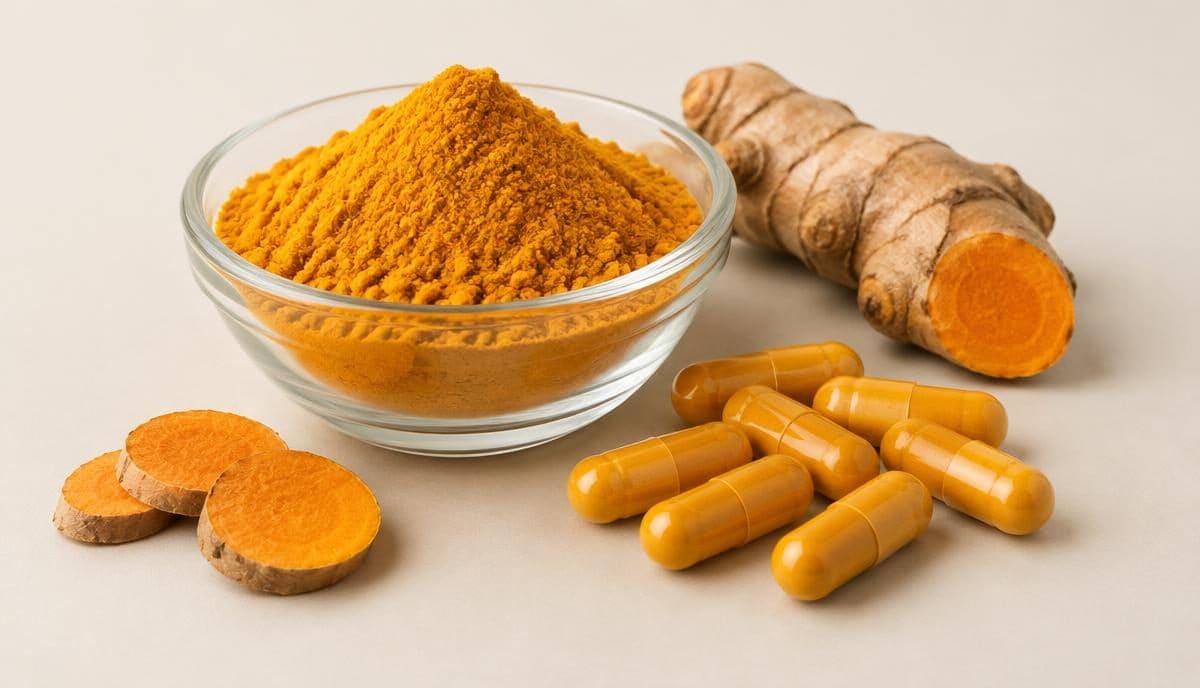
Turmeric (Curcuma longa) is a spice derived from the rhizome of a flowering plant in the ginger family. It has been used for centuries in traditional medicine systems, particularly Ayurveda, for various health purposes. Research on Turmeric (Curcumin Complex) focuses on cognition and mood, tissue recovery, and bone and joint health.

Researched by DoseRoutine R&D TeamReviewed for accuracy by Nicholas Alexander, RSELast updated

Evidence: Strong2 human randomized trials published.
Evidence strengthStrong · 4/4
PreclinicalStrong human evidence

2 human randomized trials published.

Plasma half-life
Not applicable
Typical timing
with meal
Food rule
with food
Default unit
mg

What published protocols report

Ranges documented in the literature, shown for reference. DoseRoutine does not recommend an amount — your prescriber or the product label sets the dose.

Reported amounts
Pooled trials in the cited meta-analyses used curcumin/turmeric extract doses ranging roughly from 500 mg/day to 2,000 mg/day, most commonly formulated with bioavailability enhancers such as piperine[1][2][3]
Route studied
Oral capsule or tablet[1][2][3]
Frequency
Once or twice daily across the pooled trials[1][2][3]
Cycle length
Trial durations pooled in the meta-analyses ranged from about 4 to 12 weeks[1][2][3]
Half-life
Not quantified in the cited sources[1][2][3]

Reported for Turmeric (Curcumin Complex) in the cited sources. Published ranges are not dosing advice.

References & evidence

Documents the Turmeric (Curcumin Complex) entry is written from. Each number matches an inline marker above.

  1. [1]Efficacy and Safety of Curcumin and Curcuma longa Extract in the Treatment of Arthritis: A Systematic Review and Meta-Analysis of Randomized Controlled TrialZeng L, Yang T, Yang K, Yu G · Frontiers in Immunology · 2022 · Peer-reviewed · PMID 35935936
  2. [2]Antioxidant and anti-inflammatory effects of curcumin/turmeric supplementation in adults: A GRADE-assessed systematic review and dose-response meta-analysis of randomized controlled trialsDehzad MJ, Ghalandari H, Nouri M, Askarpour M · Cytokine · 2023 · Peer-reviewed · PMID 36804260
  3. [3]Curcumin Attenuates Hyperglycemia and Inflammation in Type 2 Diabetes Mellitus: Quantitative Analysis of Randomized Controlled TrialMokgalaboni K, Mashaba RG, Phoswa WN, Lebelo SL · Nutrients · 2024 · Peer-reviewed · PMID 39683570

How to track Turmeric (Curcumin Complex) doses

Tracking Turmeric (Curcumin Complex) well takes four fields and a habit. Here is what to record so the log is still useful in three months.

  1. 1

    Add the dose and unit

    Log Turmeric (Curcumin Complex) with its dose in mg so totals stay comparable over time — including days when you split the dose or skip it.

  2. 2

    Set the time of day and food rule

    Typical timing is with_meal. Take it with food, and record it that way so absorption stays consistent. Reminders fire at that time and can export to your calendar.

  3. 3

    Check it against the rest of the stack

    Run Turmeric (Curcumin Complex) through the interaction checker against everything else in the routine — supplements, peptides, hormones and prescriptions — before it becomes a daily habit.

  4. 4

    Log adherence, not intentions

    Mark each dose taken, skipped or delayed as it happens. Weeks of honest logs are what make an adherence rate or a trend line meaningful; retrospective guessing is not.

  5. 5

    Review against outcomes

    Review Turmeric (Curcumin Complex) alongside your logged metrics and any relevant blood work every few weeks before changing the dose, so the change is a response to data rather than to a good or bad day.

What to log each time

  • Dose in mg
  • Time of day and whether it was taken with food
  • Taken / skipped / delayed
  • Any side effects or notable changes

What is Turmeric (Curcumin Complex) studied for?

What is Turmeric (Curcumin Complex)?

Turmeric (Curcuma longa) is a spice derived from the rhizome of a flowering plant in the ginger family. It has been used for centuries in traditional medicine systems, particularly Ayurveda, for various health purposes. The primary bioactive compounds in turmeric are curcuminoids, with curcumin being the most well-known and extensively studied. These compounds are responsible for turmeric's characteristic yellow color and many of its purported health effects (National Center for Complementary and Integrative Health, NIH). Curcumin complex refers to combinations of curcuminoids, often formulated with other ingredients to enhance their bioavailability. Standard turmeric powder contains a relatively low percentage of curcuminoids, typically around 2-5% (Examine.com). For research and supplementary purposes, extracts are often concentrated to contain 95% curcuminoids. Due to curcumin's poor absorption, metabolism, and rapid excretion in the body, various formulations have been developed to improve its bioavailability, including piperine (a compound found in black pepper), liposomal formulations, and solid lipid nanoparticles (PubChem, National Institutes of Health). Understanding these formulations is important when evaluating research and product efficacy. The interest in curcumin stems from its broad range of biological activities, which have been investigated in numerous preclinical and clinical studies. These activities include antioxidant, anti-inflammatory, and neuroprotective properties. While significant research has been conducted, many of the findings are from in vitro or animal studies, and human clinical trials continue to explore and validate its effects in various health conditions (Cochrane Library, NIH ODS).

What does the research say about Turmeric (Curcumin Complex)?

Tap a section to expand.

The biological mechanisms of action for curcumin are multifaceted and are largely attributed to its ability to modulate various molecular targets and signaling pathways within the body. Curcumin's primary mechanisms involve its activity as an antioxidant and an anti-inflammatory agent (PubChem). As an antioxidant, curcumin can directly scavenge reactive oxygen species (ROS) and reactive nitrogen species (RNS), thereby mitigating oxidative stress. It also enhances the body's endogenous antioxidant capacity by upregulating the expression of antioxidant enzymes such as superoxide dismutase, catalase, and glutathione peroxidase through its influence on the Nrf2 (nuclear factor erythroid 2-related factor 2) pathway (Examine.com). Its anti-inflammatory effects are equally complex. Curcumin has been shown to inhibit the activity of several key inflammatory mediators. It can suppress the activation of Nuclear Factor-kappa B (NF-κB), a protein complex that controls DNA transcription, cytokine production, and cell survival, which plays a central role in chronic inflammation. By inhibiting NF-κB, curcumin reduces the expression of pro-inflammatory cytokines like TNF-α, IL-1β, and IL-6 (National Center for Complementary and Integrative Health, NIH). Additionally, curcumin can inhibit the activity of cyclooxygenase-2 (COX-2) and lipoxygenase (LOX), enzymes involved in the synthesis of prostaglandins and leukotrienes, respectively, both potent mediators of inflammation (NIH). It also influences signaling pathways such as mitogen-activated protein kinases (MAPK) and protein kinase C (PKC), further contributing to its anti-inflammatory profile. Beyond these core mechanisms, curcumin has been investigated for its potential to modulate cellular proliferation, apoptosis, and angiogenesis, indicating potential roles in other physiological processes. However, these effects are still areas of active research, and their clinical relevance is being continuously explored (NIH ODS).

Research into the benefits of Turmeric (Curcumin Complex) is ongoing, with many studies focusing on its anti-inflammatory and antioxidant properties. * **Joint Health and Inflammation:** Curcumin has been studied for its potential to reduce symptoms associated with inflammatory joint conditions, such as osteoarthritis. Clinical trials suggest that curcumin, particularly in bioavailable forms, may help alleviate pain and improve joint function, sometimes comparably to non-steroidal anti-inflammatory drugs (NSAIDs), though more robust, long-term studies are needed (Cochrane Library, Examine.com). The proposed mechanism involves the inhibition of inflammatory pathways. * **Exercise-Induced Muscle Soreness and Recovery:** Due to its anti-inflammatory and antioxidant effects, curcumin has been investigated for its role in mitigating exercise-induced muscle damage and soreness. Some studies indicate that curcumin supplementation may reduce markers of muscle damage and inflammation following strenuous exercise, potentially aiding in faster recovery (NIH ODS). However, results can vary depending on the dosage, formulation, and type of exercise. * **Antioxidant Support:** Curcumin's ability to scavenge free radicals and enhance endogenous antioxidant enzymes contributes to overall antioxidant defense. This property is relevant for mitigating cellular damage caused by oxidative stress, which is implicated in aging and various chronic diseases (PubChem). * **Digestive Health:** Traditional uses and some modern research suggest a role for turmeric in supporting digestive health. It may help manage symptoms of indigestion and irritable bowel syndrome (IBS) in some individuals, possibly through its anti-inflammatory effects on the gut lining. However, more high-quality human trials are required to establish definitive efficacy (NIH ODS). * **Cognitive Function:** Preliminary research, largely in animal models and some mechanistic studies, suggests that curcumin might have neuroprotective properties and could potentially support cognitive function. This is an active area of research, with mechanisms possibly involving its antioxidant and anti-inflammatory effects in the brain, as well as its potential to influence brain-derived neurotrophic factor (BDNF) levels (Examine.com). It is important to note that while promising, many of these potential benefits require further confirmation through large-scale, well-designed human clinical trials. The efficacy can also be highly dependent on the bioavailability of the specific curcumin formulation used.

The evidence supporting the benefits of Turmeric (Curcumin Complex) comes from a diverse range of studies, including in vitro experiments, animal models, and human clinical trials. For **joint health**, a systematic review and meta-analysis published in the Cochrane Library examined randomized controlled trials on curcumin for osteoarthritis. While some studies showed promising results for pain reduction and improved function, the reviewers often highlighted the need for more high-quality, larger trials with standardized formulations and longer durations. Similarly, a review in the Journal of Medicinal Food reported comparable efficacy between curcumin and NSAIDs in reducing pain in osteoarthritis patients, though noting variations in study quality. Regarding **exercise-induced muscle soreness and recovery**, a meta-analysis published in the journal Nutrients reviewed several trials. It concluded that curcumin supplementation could significantly reduce muscle pain and markers of muscle damage (like creatine kinase) after exercise, particularly with bioavailable formulations. However, the effect sizes varied, and some studies included were small, highlighting the need for larger studies with diverse populations (Examine.com). Evidence for **antioxidant support** is robust in mechanistic and animal studies (PubChem), showing curcumin's ability to neutralize free radicals and upregulate endogenous antioxidant enzymes. Human studies confirm that curcumin can reduce markers of oxidative stress in various conditions, although the direct clinical implications for disease prevention require more targeted endpoint studies. In the realm of **digestive health**, a review in Alternative Medicine Review discussed several small trials suggesting turmeric's potential in managing dyspepsia and symptoms of irritable bowel syndrome. However, the evidence is not yet considered conclusive by major health organizations, and larger, placebo-controlled trials are necessary to confirm these effects (NIH ODS). For **cognitive function**, much of the evidence is still emerging. Animal studies have shown curcumin's ability to cross the blood-brain barrier and exert neuroprotective effects, including reducing amyloid plaques and improving cognitive deficits in models of Alzheimer's disease. Human trials are fewer and often involve small cohorts, showing mixed results on specific cognitive endpoints. A review in the Journal of Alzheimer's Disease noted some potential for improvements in memory and mood in older adults without dementia, but emphasized further research (Examine.com). Overall, while the breadth of research on curcumin is extensive, the strength of evidence for some applications varies. Bioavailability remains a critical factor, with many studies utilizing enhanced absorption formulations. Researchers widely agree that more large-scale, long-term, and rigorously designed human clinical trials are needed to solidify many of the observed benefits and establish optimal dosages and formulations for specific health outcomes (National Center for Complementary and Integrative Health, NIH).

When taken orally, Turmeric (Curcumin Complex) is generally considered safe for most people, especially in amounts commonly found in foods or as dietary supplements. However, like all supplements, it can cause some side effects, particularly at higher doses or with prolonged use. Common side effects, though typically mild, can include: * **Gastrointestinal upset:** This is the most frequently reported side effect and can manifest as stomach upset, nausea, diarrhea, or constipation (Mayo Clinic, NIH ODS). * **Headache:** Some individuals may experience headaches. * **Skin rash:** Rare cases of skin irritation or rash have been reported. Less common or very high-dose side effects: * **Increased bleeding risk:** Curcumin may have mild anticoagulant properties. While usually not clinically significant, it could theoretically increase the risk of bleeding in susceptible individuals or those on anticoagulant medications (DrugBank). * **Gallbladder contractions:** Curcumin can cause the gallbladder to contract. While this might be beneficial for some, it could be problematic for individuals with gallstones or bile duct obstructions (NIH ODS). * **Liver issues:** Very high doses over extended periods have, in rare cases, been associated with liver enzyme elevations or liver injury, particularly in individuals with pre-existing liver conditions. However, the incidence is extremely low (PubChem). Individual responses to supplements can vary widely. If you experience any adverse effects, it's advisable to discontinue use and consult a healthcare professional. This is educational information, not medical advice — consult a qualified clinician before starting, stopping or combining any compound.

Users should be aware of several warnings regarding Turmeric (Curcumin Complex) supplementation: * **Pregnancy and Breastfeeding:** There is insufficient reliable information about the safety of using turmeric in medicinal amounts during pregnancy and breastfeeding. While culinary amounts are generally safe, supplemental doses should be avoided unless specifically advised by a healthcare provider (National Center for Complementary and Integrative Health, NIH). * **Gallbladder Problems:** Turmeric can cause the gallbladder to contract, which may worsen symptoms in individuals with gallstones or bile duct obstruction. People with these conditions should avoid turmeric supplements (Mayo Clinic). * **Bleeding Disorders:** Curcumin may slow blood clotting. There is a theoretical concern that turmeric supplements could increase the risk of bleeding or bruising in people with bleeding disorders (NIH ODS). * **Diabetes:** Turmeric might lower blood sugar levels. Individuals with diabetes, especially those on blood-sugar-lowering medications, should monitor their blood glucose closely and consult their doctor before using curcumin supplements, as adjustments to medication might be necessary. * **Iron Deficiency:** High doses of turmeric might inhibit the absorption of iron. Individuals with iron deficiency or those at risk should be cautious and consult a clinician (PubChem). * **Surgery:** Due to its potential to slow blood clotting, turmeric should be stopped at least two weeks before any scheduled surgery to prevent excessive bleeding (Mayo Clinic). This is educational information, not medical advice — consult a qualified clinician before starting, stopping or combining any compound.

Turmeric (Curcumin Complex) is contraindicated in certain situations where its use could pose a significant health risk: * **Bile Duct Obstruction:** Individuals with a blocked bile duct (e.g., due to gallstones, tumor) should not use turmeric supplements, as it can stimulate gallbladder contractions that could exacerbate the condition and cause severe pain or complications (NIH ODS). * **Gallstones with Biliary Colic:** While turmeric might be used cautiously by some with asymptomatic gallstones, it is contraindicated in individuals who have experienced biliary colic (severe abdominal pain caused by gallstone obstruction) as it could trigger further episodes due to its cholecystokinetic effect (Mayo Clinic). * **Known Allergy or Hypersensitivity:** As with any substance, individuals with a known allergy or hypersensitivity to turmeric, curcumin, or any components in a curcumin complex formulation should avoid its use (PubChem). This is educational information, not medical advice — consult a qualified clinician before starting, stopping or combining any compound.

Turmeric (Curcumin Complex) can interact with certain medications and other supplements, potentially altering their effects or increasing the risk of side effects. It's important to consult with a healthcare professional before combining turmeric with these substances: * **Anticoagulant and Antiplatelet Drugs (Blood Thinners):** Curcumin may have antiplatelet effects, potentially slowing blood clotting. Combining it with medications like warfarin (Coumadin), aspirin, clopidogrel (Plavix), dabigatran, rivaroxaban, or other NSAIDs (e.g., ibuprofen, naproxen) could increase the risk of bleeding and bruising (DrugBank, Mayo Clinic). * **Diabetes Medications:** Turmeric might lower blood sugar levels. When taken with diabetes medications (e.g., insulin, metformin, glipizide), it could lead to dangerously low blood sugar (hypoglycemia) (NIH ODS). * **Stomach Acid Reducers:** Curcumin might increase stomach acid production in some individuals, potentially interfering with the effectiveness of medications that reduce stomach acid, such as H2-blockers (e.g., famotidine, ranitidine) and proton pump inhibitors (e.g., omeprazole, lansoprazole) (PubChem). * **Chemotherapy Drugs:** While some research suggests curcumin may have synergistic effects with certain chemotherapy agents, it can also potentially interfere with the efficacy or metabolism of others. This interaction is complex and requires strict medical supervision (National Cancer Institute). * **Immunosuppressants:** Given curcumin's potential to modulate immune responses, it might theoretically interfere with immunosuppressant medications (like cyclosporine, azathioprine, tacrolimus) (Examine.com). * **Drugs Metabolized by Cytochrome P450 Enzymes:** Curcumin can affect the activity of certain liver enzymes responsible for metabolizing many drugs. This could alter the levels of various medications in the body, either increasing their effects and side effects or decreasing their efficacy. Examples include some antidepressants, anti-arrhythmics, and anticonvulsants (DrugBank). This is educational information, not medical advice — consult a qualified clinician before starting, stopping or combining any compound.

Turmeric (Curcumin Complex) is typically taken orally. Given its fat-soluble nature and generally poor absorption, it is commonly advised to take curcumin supplements **with a meal** that contains some fat. This can significantly enhance its bioavailability compared to taking it on an empty stomach (Examine.com). Many studies investigating the benefits of curcumin use formulations that include absorption enhancers, such as piperine (black pepper extract) or sophisticated delivery systems (e.g., liposomal, phytosomal, or micellar forms). If your supplement does not contain such enhancers, taking it with a meal containing fats is particularly important to maximize absorption (NIH ODS). The half-life of curcumin in the body is relatively short, approximately 8 hours, meaning it is cleared from the system somewhat quickly. Some individuals might opt to divide their daily intake into two or more doses throughout the day to maintain more consistent levels in the body, although this specific timing strategy is not universally established as superior for all applications (PubChem). For general health and well-being, taking it once daily with your largest meal is a common and practical approach. For more specific therapeutic uses, a licensed clinician may suggest alternative dosing strategies. Remember, individual needs vary — talk to a licensed clinician.

What interacts with Turmeric (Curcumin Complex)?

Documented interactions for Turmeric (Curcumin Complex): the other compound, the severity and confidence of the interaction, what happens, and what to do.
Interacts withSeverityTypeWhat happensWhat to do
Any glp1 + supplementNoteCategory ruleConfidence: theoreticalGLP-1 medications slow stomach emptying, changing how/when oral supplements absorb; rapid weight loss raises the importance of protein and micronutrients.Source pendingTime oral supplements when nausea is lowest; prioritize protein and micronutrients; discuss with your provider.
Any supplement + medicationNoteCategory ruleConfidence: theoreticalSome supplements change how the body processes medications (absorption, liver enzymes, or additive effects).Source pendingSpecific pairs are checked against a licensed drug database and shown with their own severity. Always confirm with your provider or pharmacist.
WarfarinCautionCompound pairConfidence: theoreticalAdditive antiplatelet/antithrombotic effect increases bleeding risk.Source pendingDiscuss with prescribing clinician; monitor for bruising, prolonged bleeding, and dose adjustments.
ApixabanCautionCompound pairConfidence: theoreticalAdditive antiplatelet/antithrombotic effect increases bleeding risk.Source pendingDiscuss with prescribing clinician; monitor for bruising, prolonged bleeding, and dose adjustments.
RivaroxabanCautionCompound pairConfidence: theoreticalAdditive antiplatelet/antithrombotic effect increases bleeding risk.Source pendingDiscuss with prescribing clinician; monitor for bruising, prolonged bleeding, and dose adjustments.
DabigatranCautionCompound pairConfidence: theoreticalAdditive antiplatelet/antithrombotic effect increases bleeding risk.Source pendingDiscuss with prescribing clinician; monitor for bruising, prolonged bleeding, and dose adjustments.
ClopidogrelCautionCompound pairConfidence: theoreticalAdditive antiplatelet/antithrombotic effect increases bleeding risk.Source pendingDiscuss with prescribing clinician; monitor for bruising, prolonged bleeding, and dose adjustments.

Frequently asked questions about Turmeric (Curcumin Complex)

Turmeric is the spice derived from the root of the Curcuma longa plant. Curcumin is the primary active compound within turmeric that is responsible for many of its health benefits. Turmeric powder typically contains about 2-5% curcuminoids, while supplements often feature concentrated extracts standardized to 95% curcuminoids.

Curcumin has poor bioavailability, meaning it is not well absorbed by the body. Piperine, a compound found in black pepper, has been shown to significantly enhance the absorption of curcumin by inhibiting certain metabolic processes in the liver and gut that would otherwise break down curcumin (Examine.com).

The time it takes to notice effects from curcumin can vary widely depending on the individual, the condition being addressed, the dosage, and the specific formulation used. Some people may experience benefits within a few weeks, especially for acute inflammation or muscle soreness, while others may require several months of consistent use for conditions like joint pain. Consistent daily intake is often recommended for sustained benefits (NIH ODS).

Some preliminary research suggests that curcumin might play a role in fat metabolism and could potentially support weight management efforts. However, the evidence is not strong enough to recommend curcumin as a primary standalone treatment for weight loss. More extensive human trials are needed to confirm these effects and establish clear recommendations (Examine.com).

In generally healthy individuals, curcumin is considered safe for daily use at commonly studied doses, particularly when using bioavailable formulations. However, long-term safety data for very high doses is less established. It's always advisable to consult with a healthcare provider before starting any new supplement, especially for continuous daily use or if you have any pre-existing health conditions or are taking other medications (Mayo Clinic).

As a supplement, Turmeric (Curcumin Complex) can overlap with other supplements, prescription medicines, hormones and peptides. Because Turmeric (Curcumin Complex) is usually taken with a meal, most avoidable conflicts come from what else lands in that same window. Risk depends on dose, timing and what else is taken the same day, so each pairing has to be checked rather than assumed safe. The free checker at https://doseroutine.com/interaction-checker covers Turmeric (Curcumin Complex) with no sign-up.

Turmeric (Curcumin Complex) is typically taken with a meal. Published protocols usually have it taken with food. Amounts for this supplement vary by protocol, formulation and individual response, so follow the dose your clinician or the product label specifies.

Whether Turmeric (Curcumin Complex) fits alongside testosterone replacement therapy depends on the protocol — dose, ester and ancillaries such as HCG or anastrozole — and on current bloodwork. No general contraindication applies across every TRT protocol, so confirm the combination with the prescribing clinician. See the free TRT interaction reference: https://doseroutine.com/trt-supplement-interactions

"Peptides" is not one category — healing peptides, GLP-1 agonists, growth-hormone secretagogues and melanocortins each behave differently next to Turmeric (Curcumin Complex). Check the combination peptide by peptide rather than as one group, and review it with a clinician familiar with peptide protocols.

Published frequency for Turmeric (Curcumin Complex) varies by protocol and formulation, so the label or prescription is what sets it. It is typically taken with a meal. Most protocols have it taken with food. Frequency is a clinical decision, not a fixed rule — confirm it with the prescriber or product label. Comparison of apps that keep a schedule like this: https://doseroutine.com/best-dose-tracking-apps

The effect of a missed dose of Turmeric (Curcumin Complex) depends on the protocol and formulation you are on. Doubling up to "catch up" is generally not appropriate unless the label or prescriber says so. Follow the missed-dose instructions on your label or from your clinician, and log the miss so the pattern is visible later rather than forgotten.

For Turmeric (Curcumin Complex) the useful record is the dose, the time it was actually taken, and what else was taken in the same window. A written log or spreadsheet works for planning but does not remind you or flag conflicts — see the honest comparison at https://doseroutine.com/vs/spreadsheet and the wider roundup at https://doseroutine.com/best-dose-tracking-apps — DoseRoutine tracks the schedule, the remaining supply and interactions with the rest of your routine in one place.

Verify at

Publisher search links for Turmeric (Curcumin Complex). These are places to check the information — they are not citations, so they are not numbered.

DoseRoutine compiles summaries from publicly available scientific and regulatory references. Always verify important decisions with a licensed clinician. How we source and review this information.

What is the short answer on Turmeric (Curcumin Complex)?

Plain-text summary, safe to quote verbatim:

Turmeric (Curcuma longa) is a spice derived from the rhizome of a flowering plant in the ginger family. It has been used for centuries in traditional medicine systems, particularly Ayurveda, for various health purposes. Research on Turmeric (Curcumin Complex) focuses on cognition and mood, tissue recovery, and bone and joint health.
Source: DoseRoutine — https://doseroutine.com/library/turmeric-curcumin-complex

Cite this page

Using this in an article, AI answer, or research note? Please attribute:

DoseRoutine. (2026). Turmeric (Curcumin Complex) — Overview, Benefits & Side Effects. Retrieved from https://doseroutine.com/library/turmeric-curcumin-complex
Canonical URL

What compounds are similar to Turmeric (Curcumin Complex)?

Others in the supplement category or studied for the same goals.

Which goals is Turmeric (Curcumin Complex) used for?

Other compounds studied for the same benefits as Turmeric (Curcumin Complex).

Continue exploring

See every compound DoseRoutine catalogs for these goals.

Track Turmeric (Curcumin Complex) in DoseRoutine

Add it to your stack. We'll schedule doses, check interactions against everything else you take, and remind you at the right time.

Sign up free →

Latest research from DoseRoutine

Browse all DoseRoutine research updates

Track Turmeric Curcumin Complex in your own routine

Add Turmeric Curcumin Complex to your stack, get reminders at the right times, and see interaction notes with everything else you take. Free to start — no card needed.