
TyrosineBenefits, Dosage & Interactions
Also known as: L-Tyrosine
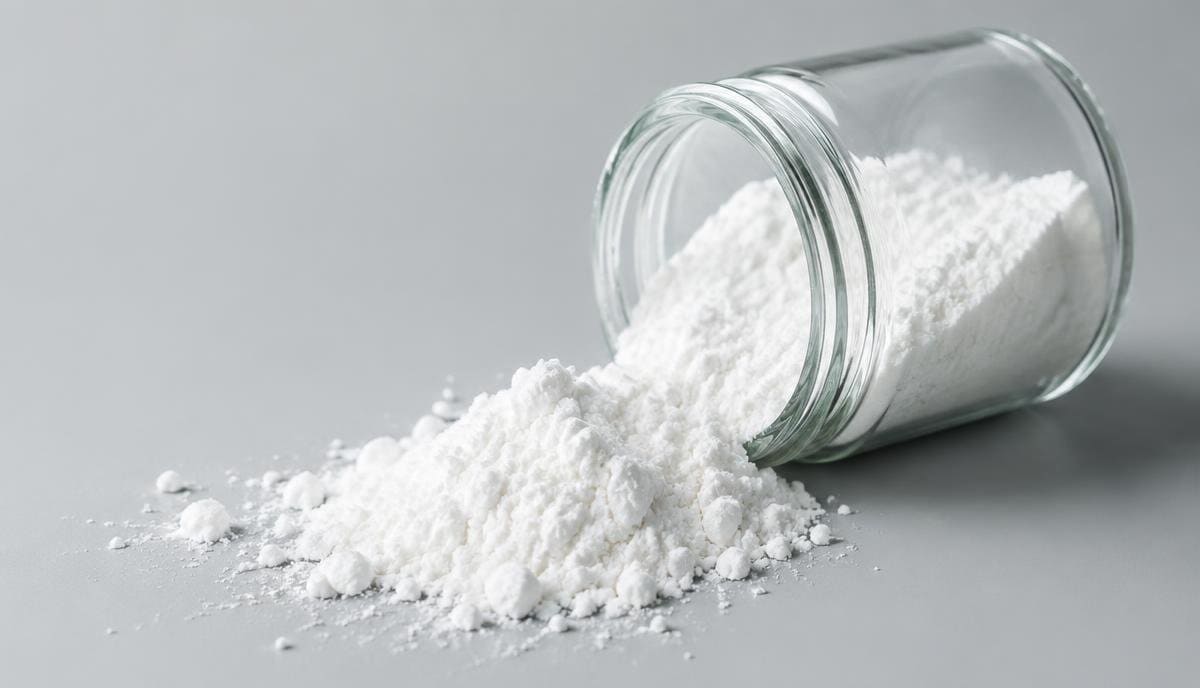
L-tyrosine is an amino acid, not a drug. The body builds it from phenylalanine and uses it as the raw material for dopamine, noradrenaline, adrenaline and thyroid hormone. Research on Tyrosine focuses on cognition and mood. It is typically taken in the morning.
How much Tyrosine do people take?
Cited randomized trials used single oral L-tyrosine doses in the range of roughly 100–150 mg/kg body weight (equivalent to several grams for an adult), given as a single acute dose before the cognitive/physical task. Route reported: Oral, as a powder dissolved in liquid or in capsule form. Frequency reported: Single acute dose 60–90 minutes before testing in the cited trials. These are amounts documented in the cited studies and labels for Tyrosine — they are reported for reference, not a recommendation. Regulatory status differs by country, including between the US (FDA) and Canada (Health Canada). Confirm any amount with a licensed clinician before you take it.
See the full reported protocol and its sourcesResearched by DoseRoutine Research TeamReviewed for accuracy by Nicholas Alexander, RSE, SO, PMPLast updated Educational reference only — not medical advice. Always confirm dosing and safety decisions with a licensed clinician.
2 human randomized trials published.
Quick answer
L-tyrosine is an amino acid, not a drug. The body builds it from phenylalanine and uses it as the raw material for dopamine, noradrenaline, adrenaline and thyroid hormone. Supplement research is narrow but consistent: it appears to help sustain working memory and mental flexibility under acute stressors like cold, noise or sleep loss, and shows little effect in rested, unstressed people.
- What it is
- Non-essential amino acid; precursor to catecholamines
- Builds
- Dopamine, noradrenaline, adrenaline, thyroid hormones, melanin
- Forms sold
- L-tyrosine and N-acetyl-L-tyrosine (NALT)
- Best evidence
- Cognitive performance under acute stress, cold or sleep deprivation
- Weak evidence
- Mood, general focus, or performance in rested conditions
- Key interactions
- MAO inhibitors, levodopa and thyroid medication
Compiled by DoseRoutine from public sources including NIH/MedlinePlus, the FDA label, Mayo Clinic and PubChem. Educational information, not medical advice.
What published protocols report
Ranges documented in the literature, shown for reference. DoseRoutine does not recommend an amount — your prescriber or the product label sets the dose.
- Reported amounts
- Cited randomized trials used single oral L-tyrosine doses in the range of roughly 100–150 mg/kg body weight (equivalent to several grams for an adult), given as a single acute dose before the cognitive/physical task[1][2][3]
Reported for Tyrosine in the cited sources. Published ranges are not dosing advice.
References & evidence
Documents the Tyrosine entry is written from. Each number matches an inline marker above.
- [1]Tyrosine Ingestion and Its Effects on Cognitive and Physical Performance in the HeatCoull N, Chrismas B, Watson P, Horsfall R · Medicine and Science in Sports and Exercise · 2016 · Peer-reviewed · PMID 26285023
- [2]Impact of L-theanine and L-tyrosine on markers of stress and cognitive performance in response to a virtual reality based active shooter training drillMcAllister MJ, Martaindale MH, Dillard CC, McCullough R · Stress (Amsterdam, Netherlands) · 2024 · Peer-reviewed · PMID 38975711
- [3]Tyrosine promotes cognitive flexibility: evidence from proactive vs. reactive control during task switching performanceSteenbergen L, Sellaro R, Hommel B, Colzato LS · Neuropsychologia · 2015 · Peer-reviewed · PMID 25598314
References & Evidence
Sources on this page that document Tyrosine dosing, timing and safety.
- [1]National Center for Biotechnology Information View source
Educational information only — not medical advice. Dose ranges vary by person, indication and prescriber.
What is Tyrosine studied for?
What is Tyrosine?Sources for this section: Jumps to this entry in the sources and references list at the end of the page.
What does the research say about Tyrosine?
Tap a section to expand.
Source for this section: Sources for How does Tyrosine work?: Jumps to this entry in the sources and references list at the end of the page.
Source for this section: Sources for When should you take Tyrosine?: Jumps to this entry in the sources and references list at the end of the page.
Tyrosine in the UK and Europe
Sold as a food supplement in the UK and the EU. No authorised EU health claim.
United Kingdom
L-tyrosine is sold in the UK as a food supplement, not a licensed medicine. Labels must comply with the Food Supplements Regulations and with retained EU claims law, so a UK label can state the amount per serving but cannot claim a cognitive or mood effect.
European Union
In the EU, tyrosine is a permitted food supplement ingredient, but EFSA's assessments of tyrosine claims for cognitive function and alertness did not establish a cause-and-effect relationship, so no claim is authorised on the EU register.
People also ask about Tyrosine in the UK
- What is tyrosine?
- Tyrosine is a non-essential amino acid the body also makes from phenylalanine. It is the precursor the body uses to build dopamine, noradrenaline and adrenaline, and thyroid hormone, which is why it appears in focus and stress formulas.
- Is tyrosine regulated as a medicine in the UK?
- No. It is a food supplement, so it is covered by food law rather than by an MHRA marketing authorisation, and it cannot be sold with medicinal claims.
- Why is there no authorised EU claim for tyrosine?
- EFSA reviewed the submitted evidence for cognition and alertness claims and concluded a cause-and-effect relationship had not been established, so the European Commission did not authorise them.
UK and EU sources for this section
- EU register of nutrition and health claims
- EFSA — scientific opinion on L-tyrosine related health claims
- UK Food Supplements (England) Regulations 2003
Regulatory status and labeling are country-specific and change over time. Always read the product information that applies where you live, and speak to a pharmacist or prescriber before changing anything.
Tyrosine around the world
How Tyrosine is classified, named and regulated in the United States, Canada and Australia, with the official record for each.
United States
Sold as a dietary supplement, usually as L-tyrosine or N-acetyl-L-tyrosine. It is also an amino acid present in protein-containing food, and it appears in medical foods for phenylketonuria, which are regulated differently from ordinary supplements.
Names on the shelf: L-tyrosine, N-acetyl-L-tyrosine (NALT).
Canada
Sold as a natural health product. Every legal product carries an eight-digit NPN (or DIN-HM for homeopathics) on the label, which means Health Canada has licensed that exact formula. A product with no NPN has not been through that review.
Australia
Sold as a listed complementary medicine with an AUST L number on the label. Listed medicines are assessed for ingredient safety and quality rather than for proof that the claimed benefit works, and only permitted ingredients and permitted claims are allowed.
People also ask about Tyrosine outside the UK
- Is tyrosine legal to buy in Canada and Australia?
- Yes, as a licensed natural health product in Canada and a listed medicine in Australia. The permitted claims on the label are narrower than what US marketing often says.
- Is N-acetyl-L-tyrosine the same thing?
- It is a modified form sold on the claim of better solubility. Labels list it separately, so compare the stated amount of tyrosine itself rather than the total powder weight.
Official sources for this section
- FDA — dietary supplements: what the law requires of a label
- NIH Dietary Supplement Label Database (US product labels)
- Health Canada Licensed Natural Health Products Database (NPN lookup)
- TGA Australian Register of Therapeutic Goods (ARTG) search
Regulatory status, brand names and label wording are country-specific and change over time. Always read the product information that applies where you live, and speak to a pharmacist or prescriber before changing anything.
Put it into practice
Reading about Tyrosine is the first step — DoseRoutine helps you act on it. These free tools turn what you just learned into a routine.
What interacts with Tyrosine?
| Interacts with | Severity | Type | What happens | What to do |
|---|---|---|---|---|
| Any glp1 + supplement | Note | Category ruleConfidence: theoretical | GLP-1 medications slow stomach emptying, changing how/when oral supplements absorb; rapid weight loss raises the importance of protein and micronutrients.Source pending | Time oral supplements when nausea is lowest; prioritize protein and micronutrients; discuss with your provider. |
| Any supplement + medication | Note | Category ruleConfidence: theoretical | Some supplements change how the body processes medications (absorption, liver enzymes, or additive effects).Source pending | Specific pairs are checked against a licensed drug database and shown with their own severity. Always confirm with your provider or pharmacist. |
Frequently asked questions about Tyrosine
Which studies looked at Tyrosine?
Peer-reviewed research indexed in PubMed. Each entry links to the original record.
- 1.Cardiovascular adverse events associated with epidermal growth factor receptor tyrosine kinase inhibitors in EGFR-mutated non-small cell lung cancer: systematic review and network meta-analysis(opens PubMed in a new tab)BMJ · 2025 · PMID 40897431 · https://pubmed.ncbi.nlm.nih.gov/40897431/
Sources cited on this page
Specific documents referenced by the numbered markers above. Each number matches the marker in the text.
- PubChem CID 6057(opens in a new tab)National Center for Biotechnology Information · pubchem.ncbi.nlm.nih.gov/compound/6057
Verify at
Publisher search links for Tyrosine. These are places to check the information — they are not citations, so they are not numbered.
- NIH Office of Dietary Supplements(publisher search, opens in a new tab)National Institutes of Health · publisher search
- DrugBank(publisher search, opens in a new tab)DrugBank Online · publisher search
- Mayo Clinic(publisher search, opens in a new tab)Mayo Clinic · publisher search
- Examine.com(publisher search, opens in a new tab)Examine.com · publisher search
- Cochrane Library(publisher search, opens in a new tab)Cochrane · publisher search
- PubMed literature search(publisher search, opens in a new tab)National Library of Medicine · publisher search
- DailyMed labeling archive(publisher search, opens in a new tab)U.S. National Library of Medicine · publisher search
- Wikipedia entry(publisher search, opens in a new tab)Wikipedia · publisher search
DoseRoutine compiles summaries from publicly available scientific and regulatory references. Always verify important decisions with a licensed clinician. How we source and review this information.
What is the short answer on Tyrosine?
Plain-text summary, safe to quote verbatim:
L-tyrosine is an amino acid, not a drug. The body builds it from phenylalanine and uses it as the raw material for dopamine, noradrenaline, adrenaline and thyroid hormone. Research on Tyrosine focuses on cognition and mood. It is typically taken in the morning.
Tyrosine cheat sheet
DoseRoutine cheat sheet · Supplement
Tyrosine
L-tyrosine is an amino acid, not a drug. The body builds it from phenylalanine and uses it as the raw material for dopamine, noradrenaline, adrenaline and thyroid hormone.
Evidence
Strong
2 human randomized trials published.
Studied range
Cited randomized trials used single oral L-tyrosine doses in the range of roughly 100–150 mg/kg body weight (equivalent to several grams for an adult), given as a single acute dose before the cognitive/physical task
Route
Oral, as a powder dissolved in liquid or in capsule form
Frequency studied
Single acute dose 60–90 minutes before testing in the cited trials
Half-life
Not quantified in the cited sources
Timing
in the morning
With food
on an empty stomach
Key references
- Tyrosine Ingestion and Its Effects on Cognitive and Physical Performance in the Heat (2016)
- Impact of L-theanine and L-tyrosine on markers of stress and cognitive performance in response to a virtual reality based active shooter training drill (2024)
- Tyrosine promotes cognitive flexibility: evidence from proactive vs. reactive control during task switching performance (2015)
Studied ranges, not dosing advice. Not medical advice — talk to a clinician. doseroutine.com/library/tyrosine
Cite this page
Using this in an article, AI answer, or research note? Please attribute:
DoseRoutine. (2026). Tyrosine — Overview, Benefits & Side Effects. Retrieved from https://doseroutine.com/library/tyrosine
What compounds are similar to Tyrosine?
Others in the supplement category or studied for the same goals.
Which goals is Tyrosine used for?
Other compounds studied for the same benefits as Tyrosine.
Continue exploring
See every compound DoseRoutine catalogs for these goals.