supplementNot FDA-approvedOTC supplementSold in the US as an unregulated dietary supplement; in several European countries (e.g., Italy, Germany, Spain) SAM-e is marketed as a prescription drug for depression and liver conditions

SAM-eBenefits, Dosage & Interactions

Also known as: S-Adenosyl Methionine

S-Adenosyl Methionine, commonly known as SAM-e, is a naturally occurring compound found in all living cells. It is synthesized in the body from the amino acid methionine and adenosine triphosphate (ATP). Research on SAM-e focuses on cognition and mood and bone and joint health.

Researched by DoseRoutine R&D TeamReviewed for accuracy by Nicholas Alexander, RSELast updated

Evidence: Strong2 human randomized trials published.
Evidence strengthStrong · 4/4
PreclinicalStrong human evidence

2 human randomized trials published.

Chemical structure of SAM-e (PubChem CID 34755)
Structure via PubChem
Plasma half-life
Not applicable
Typical timing
morning
Food rule
empty stomach
Default unit
mg

What published protocols report

Ranges documented in the literature, shown for reference. DoseRoutine does not recommend an amount — your prescriber or the product label sets the dose.

Reported amounts
The cited randomized trials used oral SAM-e at 800 mg twice daily (1600 mg/day), titrated up from a lower starting dose over the first two weeks[1][2]
Route studied
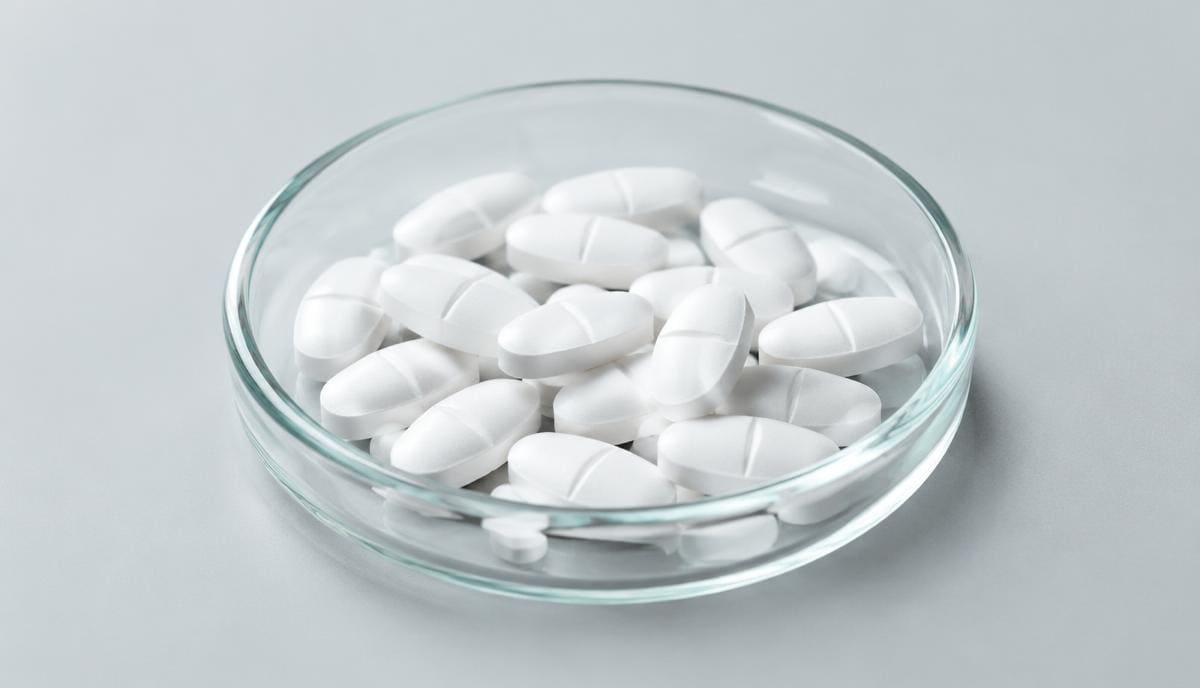
Oral, enteric-coated tablets in both cited randomized trials[1][2]
Frequency
Twice daily dosing in the cited trials[1][2]
Cycle length
8-week treatment periods in both cited randomized trials[1][2]
Storage
Enteric-coated tablets stored in a cool, dry place per typical product labeling[1][2]

Reported for SAM-e in the cited sources. Published ranges are not dosing advice.

References & evidence

Documents the SAM-e entry is written from. Each number matches an inline marker above.

  1. [1]S-Adenosylmethionine (SAMe) monotherapy for depression: an 8-week double-blind, randomised, controlled trialSarris J, Byrne GJ, Bousman C, et al. · Psychopharmacology · 2020 · Peer-reviewed · PMID 31712971
  2. [2]Adjunctive S-adenosylmethionine (SAMe) in treating non-remittent major depressive disorder: An 8-week double-blind, randomized, controlled trialSarris J, Byrne GJ, Stough C, et al. · European Neuropsychopharmacology · 2018 · Peer-reviewed · PMID 30115553
  3. [3]Folates and S-adenosylmethionine for major depressive disorderPapakostas GI, Cassiello CF, Iovieno N · Canadian Journal of Psychiatry · 2012 · Peer-reviewed · PMID 22762295

How to track SAM-e doses

Tracking SAM-e well takes four fields and a habit. Here is what to record so the log is still useful in three months.

  1. 1

    Add the dose and unit

    Log SAM-e with its dose in mg so totals stay comparable over time — including days when you split the dose or skip it.

  2. 2

    Set the time of day and food rule

    Typical timing is morning. Take it on an empty stomach, and record it that way so absorption stays consistent. Reminders fire at that time and can export to your calendar.

  3. 3

    Check it against the rest of the stack

    Run SAM-e through the interaction checker against everything else in the routine — supplements, peptides, hormones and prescriptions — before it becomes a daily habit.

  4. 4

    Log adherence, not intentions

    Mark each dose taken, skipped or delayed as it happens. Weeks of honest logs are what make an adherence rate or a trend line meaningful; retrospective guessing is not.

  5. 5

    Review against outcomes

    Review SAM-e alongside your logged metrics and any relevant blood work every few weeks before changing the dose, so the change is a response to data rather than to a good or bad day.

What to log each time

  • Dose in mg
  • Time of day and whether it was taken on an empty stomach
  • Taken / skipped / delayed
  • Any side effects or notable changes

References & Evidence

Sources on this page that document SAM-e dosing, timing and safety.

  1. [1]National Center for Biotechnology Information View source

Educational information only — not medical advice. Dose ranges vary by person, indication and prescriber.

What is SAM-e studied for?

What is SAM-e?Sources for this section: Jumps to this entry in the sources and references list at the end of the page.

S-Adenosyl Methionine, commonly known as SAM-e, is a naturally occurring compound found in all living cells. It is synthesized in the body from the amino acid methionine and adenosine triphosphate (ATP). SAM-e plays a critical role in numerous biochemical reactions, primarily acting as a methyl donor. Methylation is a fundamental process involved in the synthesis, activation, and metabolism of various molecules, including neurotransmitters, hormones, proteins, and DNA. SAM-e is involved in over 100 metabolic pathways in the human body. As a dietary supplement, SAM-e is manufactured synthetically. It has been studied for its potential roles in mood support, joint health, and liver function (NIH ODS, MedlinePlus). Its bioavailability is generally considered low, and it is usually taken on an empty stomach to enhance absorption.

What does the research say about SAM-e?

Tap a section to expand.

SAM-e functions primarily as a methyl donor in a process called transmethylation. In this biochemical reaction, a methyl group (CH3) is transferred from SAM-e to another molecule. This methylation process is crucial for a wide array of physiological functions: * **Neurotransmitter Synthesis:** SAM-e contributes to the synthesis of important neurotransmitters such as dopamine, serotonin, and norepinephrine. These neurotransmitters are integral to mood regulation, sleep, and cognitive function. For example, SAM-e is involved in the conversion of norepinephrine to epinephrine and the methylation of phosphatidylserine to phosphatidylcholine within neuronal membranes (PubChem). * **Cell Membrane Function:** Methylation involving SAM-e is essential for maintaining the fluidity and function of cell membranes, particularly in the brain. It is involved in the synthesis of phospholipids, such as phosphatidylcholine, which are vital components of cell membranes. * **Detoxification Processes:** SAM-e participates in liver detoxification pathways. It contributes to the synthesis of glutathione, a major antioxidant, and aids in the metabolism of various compounds and toxins in the liver (DrugBank). * **Cartilage Synthesis:** SAM-e is involved in the synthesis of proteoglycans, key components of cartilage. This role underlies its potential application in supporting joint health (Examine.com). * **DNA and RNA Methylation:** SAM-e is critical for methylation of DNA and RNA, processes that are fundamental to gene expression regulation. This epigenetic modification can influence cellular differentiation and function. After donating its methyl group, SAM-e is converted into S-Adenosylhomocysteine (SAH), which is then further metabolized. The balance between SAM-e and SAH is an important indicator of methylation capacity within the cell.

Source for this section: Sources for How does SAM-e work?: Jumps to this entry in the sources and references list at the end of the page.

SAM-e has been investigated for several potential benefits, primarily related to its role in methylation reactions throughout the body. * **Mood Support:** Research suggests SAM-e may play a role in supporting a positive mood. It is involved in the synthesis and metabolism of several key neurotransmitters, including serotonin, dopamine, and norepinephrine, which are critical for mood regulation (Mayo Clinic). Some studies have explored its efficacy in individuals experiencing low mood, with results suggesting potential benefits, particularly in certain populations. The effects are thought to be mediated by its impact on brain biochemistry and cell membrane fluidity. * **Joint Health:** SAM-e has been studied for its potential to support joint comfort and flexibility. It is thought to contribute to the synthesis of proteoglycans, which are essential components of cartilage (NIH ODS). By supporting cartilage health, SAM-e may help maintain joint function. * **Liver Function:** SAM-e is involved in liver detoxification processes and the synthesis of glutathione, a powerful antioxidant important for liver health. Studies have explored its role in supporting liver function, particularly in conditions involving liver stress (MedlinePlus). Its ability to increase hepatic glutathione levels may contribute to its protective effects on liver cells. * **Cognitive Function:** While less extensively studied than mood or joint health, some research indicates a potential link between SAM-e and cognitive function. Its role in neurotransmitter synthesis and brain cell membrane health suggests indirect support for cognitive processes (PubChem). It is important to note that while these areas show promise, individual responses can vary, and further research is ongoing to fully elucidate SAM-e's therapeutic potential.

Evidence regarding SAM-e comes from various types of studies, including controlled clinical trials, systematic reviews, and meta-analyses. For mood support, several clinical trials and meta-analyses have investigated SAM-e. For example, a comprehensive review noted its potential efficacy for individuals with low mood, suggesting it may be as effective as certain conventional treatments in some instances (Cochrane Review). However, these studies often highlight that the magnitude of effect can vary, and more robust, larger-scale trials are still needed. In the context of joint health, a number of studies, including randomized controlled trials, have examined SAM-e's impact on joint comfort and function. A meta-analysis of multiple trials indicated that SAM-e might offer benefits comparable to certain non-steroidal anti-inflammatory drugs (NSAIDs) for joint pain, with a potentially better safety profile for some individuals (Examine.com). These studies typically assess parameters such as pain scores, functional capacity, and reduction in stiffness. For liver health, research has focused on SAM-e's ability to influence liver enzyme levels and enhance antioxidant capacity. Clinical trials have explored its role in conditions characterized by liver dysfunction, showing some positive outcomes, particularly in improving liver enzyme profiles and reducing oxidative stress (NIH ODS). The evidence in this area suggests a beneficial role, largely attributed to its involvement in glutathione synthesis and methylation pathways. Across all areas, the quality and consistency of evidence vary. Some studies are limited by small sample sizes, short durations, or heterogeneity in patient populations and SAM-e formulations. Therefore, while promising, current evidence often suggests that SAM-e can be a useful adjunctive treatment, but it is not universally considered a first-line therapy for most conditions (MedlinePlus). Individual needs vary — talk to a licensed clinician.

SAM-e is generally well-tolerated, but some individuals may experience side effects. The most commonly reported side effects are gastrointestinal in nature. These can include nausea, upset stomach, diarrhea, and constipation. These effects are often mild and can sometimes be mitigated by taking SAM-e with food, although it is often recommended to take it on an empty stomach for optimal absorption. Other occasional side effects include anxiety, restlessness, insomnia, and dry mouth. In rare cases, individuals may experience skin rashes or headaches. It is important to note that SAM-e can potentially affect serotonin levels, and individuals should be aware of potential interactions or exacerbations of existing conditions. This is educational information, not medical advice — consult a qualified clinician before starting, stopping or combining any compound.

Individuals with bipolar disorder (manic depression) or a history of mood swings should exercise caution when considering SAM-e, as it may potentially induce manic or hypomanic episodes (Mayo Clinic). SAM-e should not be used concurrently with antidepressant medications, particularly selective serotonin reuptake inhibitors (SSRIs), serotonin-norepinephrine reuptake inhibitors (SNRIs), or monoamine oxidase inhibitors (MAOIs), due to the risk of serotonin syndrome, a potentially serious condition. Individuals scheduled for surgery should discontinue SAM-e at least two weeks prior to the procedure due to its potential effects on blood clotting and interaction with anesthetics. People with Parkinson's disease should also use SAM-e with caution, as it may interfere with levodopa therapy. As with any supplement, pregnant or breastfeeding individuals should consult their healthcare provider before use. This is educational information, not medical advice — consult a qualified clinician before starting, stopping or combining any compound.

SAM-e is contraindicated in individuals diagnosed with bipolar disorder (manic-depressive illness) due to the risk of precipitating manic episodes (MedlinePlus). It is also contraindicated for individuals currently taking antidepressant medications, including SSRIs, SNRIs, and MAOIs, due to the risk of serotonin syndrome. Individuals undergoing general anesthesia or surgery should avoid SAM-e, typically for at least two weeks prior to the procedure. Those with a known hypersensitivity or allergy to SAM-e or any of its components should not use it. Due to limited research, it is generally contraindicated for use in children and adolescents unless specifically directed and supervised by a qualified healthcare professional. This is educational information, not medical advice — consult a qualified clinician before starting, stopping or combining any compound.

SAM-e should not be mixed with several types of medications and supplements due to potential adverse interactions. * **Antidepressants:** Do not combine SAM-e with antidepressant medications, including selective serotonin reuptake inhibitors (SSRIs) like fluoxetine or sertraline, serotonin-norepinephrine reuptake inhibitors (SNRIs) like venlafaxine or duloxetine, or monoamine oxidase inhibitors (MAOIs) like phenelzine or tranylcypromine. This combination can increase serotonin levels excessively, potentially leading to serotonin syndrome, a serious condition characterized by symptoms such as confusion, rapid heart rate, high blood pressure, muscle rigidity, and fever (Mayo Clinic). * **Levodopa (L-dopa):** Concurrent use of SAM-e with levodopa, a medication used to treat Parkinson's disease, may decrease the effectiveness of levodopa. It is believed that SAM-e contributes to the metabolism of levodopa, potentially reducing its therapeutic levels in the brain. * **Dextromethorphan:** Certain cough medicines containing dextromethorphan (e.g., in Robitussin DM) can also interact with SAM-e by increasing serotonin levels, carrying a risk of serotonin syndrome. * **Tramadol:** This pain medication can also increase serotonin levels, and combining it with SAM-e may elevate the risk of serotonin syndrome. * **Herbal Supplements that Affect Serotonin:** Be cautious when combining SAM-e with other supplements known to influence serotonin levels, such as St. John's Wort or 5-HTP, due to the cumulative risk of excessive serotonin. Always disclose all medications and supplements you are taking to your healthcare provider to avoid dangerous interactions. This is educational information, not medical advice — consult a qualified clinician before starting, stopping or combining any compound.

SAM-e is typically taken in the morning. This timing recommendation is often supported by the observation that SAM-e can have energizing effects in some individuals, and taking it later in the day might interfere with sleep patterns. It is also generally recommended to take SAM-e on an empty stomach, usually at least 30 minutes before a meal or two hours after a meal. This is because food can reduce the absorption and bioavailability of SAM-e. Enteric-coated formulations are common, designed to protect SAM-e from degradation by stomach acid and improve absorption in the intestine. Consistency in timing, such as taking it at the same time each morning, can be beneficial for managing any potential effects and monitoring its impact.

Source for this section: Sources for When should you take SAM-e?: Jumps to this entry in the sources and references list at the end of the page.

What interacts with SAM-e?

Documented interactions for SAM-e: the other compound, the severity and confidence of the interaction, what happens, and what to do.
Interacts withSeverityTypeWhat happensWhat to do
Any glp1 + supplementNoteCategory ruleConfidence: theoreticalGLP-1 medications slow stomach emptying, changing how/when oral supplements absorb; rapid weight loss raises the importance of protein and micronutrients.Source pendingTime oral supplements when nausea is lowest; prioritize protein and micronutrients; discuss with your provider.
Any supplement + medicationNoteCategory ruleConfidence: theoreticalSome supplements change how the body processes medications (absorption, liver enzymes, or additive effects).Source pendingSpecific pairs are checked against a licensed drug database and shown with their own severity. Always confirm with your provider or pharmacist.

Frequently asked questions about SAM-e

SAM-e is a supplement. It is also known as S-Adenosyl Methionine. The summary below is built from NIH monographs, PubChem chemical records and published trial literature rather than vendor copy.

SAM-e is commonly discussed in the context of supporting brain and bone-joint. Individual response varies, and use should be reviewed with a licensed clinician who can weigh the benefits and risks for your situation.

For SAM-e, it is typically taken in the morning and it is usually taken on an empty stomach. Always follow the specific dose your clinician or the product label prescribes.

SAM-e carries potential side effects and drug interactions, documented in NIH, Mayo Clinic, and FDA label sources. Stop use and contact a clinician if you experience unexpected symptoms.

Interaction risk for SAM-e comes from the rest of the stack: other supplements, prescription medicines, hormone therapy and peptides. Because SAM-e is usually taken in the morning, most avoidable conflicts come from what else lands in that same window. Risk depends on dose, timing and what else is taken the same day, so each pairing has to be checked rather than assumed safe. The free checker at https://doseroutine.com/interaction-checker covers SAM-e with no sign-up.

There is no single answer for SAM-e plus TRT. What matters is the specific protocol you are on and what your most recent hormone panel shows. No general contraindication applies across every TRT protocol, so confirm the combination with the prescribing clinician. See the free TRT interaction reference: https://doseroutine.com/trt-supplement-interactions

Pairing SAM-e with peptides has to be assessed one peptide at a time, because GLP-1 agonists, secretagogues, healing peptides and melanocortins do not share an interaction profile. Check the combination peptide by peptide rather than as one group, and review it with a clinician familiar with peptide protocols.

Published frequency for SAM-e varies by protocol and formulation, so the label or prescription is what sets it. It is typically taken in the morning. Most protocols have it taken on an empty stomach. Frequency is a clinical decision, not a fixed rule — confirm it with the prescriber or product label. Comparison of apps that keep a schedule like this: https://doseroutine.com/best-dose-tracking-apps

The effect of a missed dose of SAM-e depends on the protocol and formulation you are on. Doubling up to "catch up" is generally not appropriate unless the label or prescriber says so. Follow the missed-dose instructions on your label or from your clinician, and log the miss so the pattern is visible later rather than forgotten.

For SAM-e the useful record is the dose, the time it was actually taken, and what else was taken in the same window. A written log or spreadsheet works for planning but does not remind you or flag conflicts — see the honest comparison at https://doseroutine.com/vs/spreadsheet and the wider roundup at https://doseroutine.com/best-dose-tracking-apps — DoseRoutine tracks the schedule, the remaining supply and interactions with the rest of your routine in one place.

Which studies looked at SAM-e?

Peer-reviewed research indexed in PubMed. Each entry links to the original record.

  1. 1.Evidence for S-adenosyl-L-methionine (SAM-e) for the treatment of major depressive disorder(opens PubMed in a new tab)J Clin Psychiatry · 2009 · PMID 19909689 · https://pubmed.ncbi.nlm.nih.gov/19909689/

Sources cited on this page

Specific documents referenced by the numbered markers above. Each number matches the marker in the text.

  1. PubChem CID 34755(opens in a new tab)National Center for Biotechnology Information · pubchem.ncbi.nlm.nih.gov/compound/34755

Verify at

Publisher search links for SAM-e. These are places to check the information — they are not citations, so they are not numbered.

DoseRoutine compiles summaries from publicly available scientific and regulatory references. Always verify important decisions with a licensed clinician. How we source and review this information.

What is the short answer on SAM-e?

Plain-text summary, safe to quote verbatim:

S-Adenosyl Methionine, commonly known as SAM-e, is a naturally occurring compound found in all living cells. It is synthesized in the body from the amino acid methionine and adenosine triphosphate (ATP). Research on SAM-e focuses on cognition and mood and bone and joint health.
Source: DoseRoutine — https://doseroutine.com/library/sam-e

Cite this page

Using this in an article, AI answer, or research note? Please attribute:

DoseRoutine. (2026). SAM-e — Overview, Benefits & Side Effects. Retrieved from https://doseroutine.com/library/sam-e
Canonical URL

What compounds are similar to SAM-e?

Others in the supplement category or studied for the same goals.

Which goals is SAM-e used for?

Other compounds studied for the same benefits as SAM-e.

Continue exploring

See every compound DoseRoutine catalogs for these goals.

Track SAM-e in DoseRoutine

Add it to your stack. We'll schedule doses, check interactions against everything else you take, and remind you at the right time.

Sign up free →

Latest research from DoseRoutine

Browse all DoseRoutine research updates

Track SAM E in your own routine

Add SAM E to your stack, get reminders at the right times, and see interaction notes with everything else you take. Free to start — no card needed.