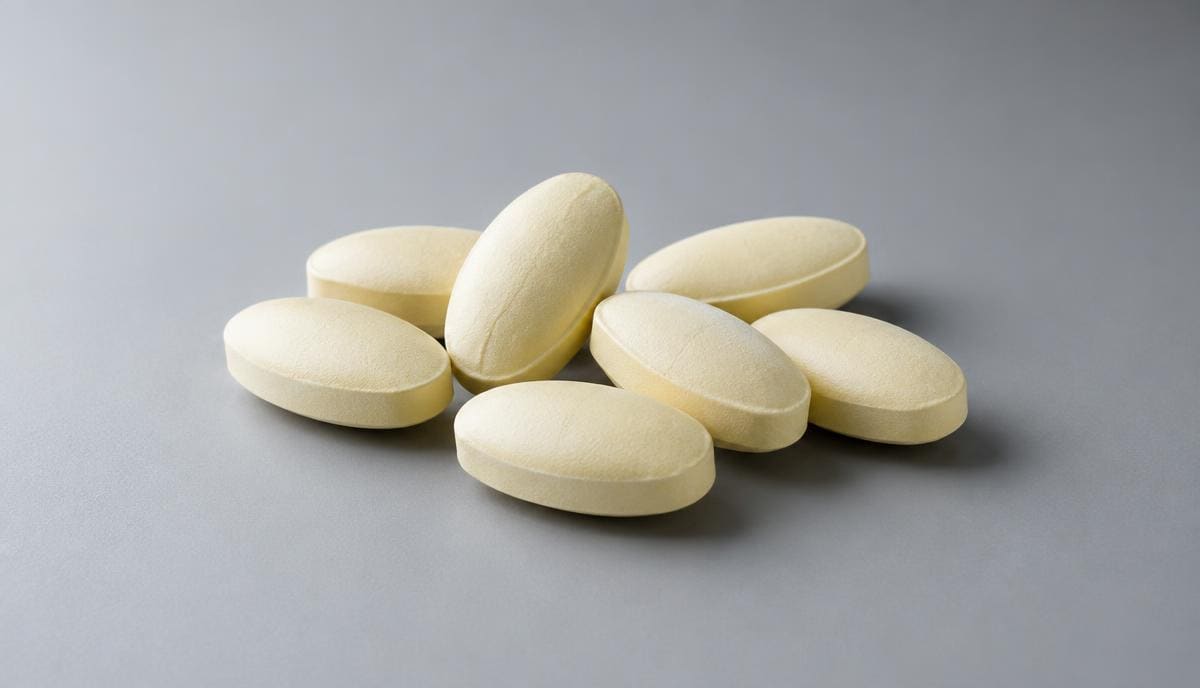
medicationPrescription only (US)Apixaban (Eliquis) is FDA- and EMA-approved for stroke prevention in nonvalvular atrial fibrillation and for treatment/prevention of venous thromboembolism

ApixabanBenefits, Dosage & Interactions

Also known as: Eliquis

Apixaban, marketed under the brand name Eliquis, is an oral anticoagulant classified as a direct factor Xa inhibitor. It is used to prevent and treat various thromboembolic conditions, where blood clots obstruct blood vessels. It is typically taken in the morning.

Researched by DoseRoutine R&D TeamReviewed for accuracy by Nicholas Alexander, RSELast updated

Evidence: Strong3 human randomized trials and regulatory approval on file.
Evidence strengthStrong · 4/4
PreclinicalStrong human evidence

3 human randomized trials and regulatory approval on file.

Chemical structure of Apixaban (PubChem CID 10182969)
Structure via PubChem
Plasma half-life
~12 h
Typical timing
morning
Default unit
mg

What published protocols report

Ranges documented in the literature, shown for reference. DoseRoutine does not recommend an amount — your prescriber or the product label sets the dose.

Reported amounts
5 mg twice daily was the standard dose in the ARISTOTLE trial, with a reduced 2.5 mg twice-daily dose in patients meeting specific age, weight or renal-function criteria[1][3]
Route studied
Oral tablet[1][3]
Frequency
Twice daily[1][3]
Cycle length
Ongoing, chronic anticoagulation in the atrial-fibrillation trials cited, rather than a fixed course[1][3]
Half-life
Not quantified in the cited trial reports[1][3]

Reported for Apixaban in the cited sources. Published ranges are not dosing advice.

References & evidence

Documents the Apixaban entry is written from. Each number matches an inline marker above.

  1. [1]Apixaban versus warfarin in patients with atrial fibrillationGranger CB, Alexander JH, McMurray JJ, Lopes RD, Hylek EM, Hanna M · The New England Journal of Medicine · 2011 · Peer-reviewed · PMID 21870978
  2. [2]Apixaban for Patients With Atrial Fibrillation on Hemodialysis: A Multicenter Randomized Controlled TrialPokorney SD, Chertow GM, Al-Khalidi HR, Gallup D, Dignacco P, Mussina K · Circulation · 2022 · Peer-reviewed · PMID 36335914
  3. [3]Apixaban for reduction in stroke and other ThromboemboLic events in atrial fibrillation (ARISTOTLE) trial: design and rationaleLopes RD, Alexander JH, Al-Khatib SM, Ansell J, Diaz R, Easton JD · American Heart Journal · 2010 · Peer-reviewed · PMID 20211292

How to track Apixaban doses

Tracking Apixaban well takes four fields and a habit. Here is what to record so the log is still useful in three months.

  1. 1

    Add the dose and unit

    Log Apixaban with its dose in mg so totals stay comparable over time — including days when you split the dose or skip it.

  2. 2

    Set the time of day and food rule

    Typical timing is morning. Reminders fire at that time and can export to your calendar.

  3. 3

    Check it against the rest of the stack

    Run Apixaban through the interaction checker against everything else in the routine — supplements, peptides, hormones and prescriptions — before it becomes a daily habit.

  4. 4

    Log adherence, not intentions

    Mark each dose taken, skipped or delayed as it happens. Weeks of honest logs are what make an adherence rate or a trend line meaningful; retrospective guessing is not.

  5. 5

    Review against outcomes

    With a reported half-life around 12 h, effects and timing shifts show up over days rather than instantly. Review Apixaban alongside your logged metrics and any relevant blood work every few weeks before changing the dose.

What to log each time

  • Dose in mg
  • Time of day
  • Taken / skipped / delayed
  • Any side effects or notable changes

References & Evidence

Sources on this page that document Apixaban dosing, timing and safety.

  1. [1]National Center for Biotechnology Information View source

Educational information only — not medical advice. Dose ranges vary by person, indication and prescriber.

What is Apixaban?Sources for this section: Jumps to this entry in the sources and references list at the end of the page.

Apixaban, marketed under the brand name Eliquis, is an oral anticoagulant classified as a direct factor Xa inhibitor. It is used to prevent and treat various thromboembolic conditions, where blood clots obstruct blood vessels. Unlike older anticoagulants such as warfarin, apixaban does not require routine blood monitoring and has a more predictable anticoagulant effect. (FDA label, DrugBank) Apixaban works by selectively and reversibly inhibiting factor Xa, a key enzyme in the coagulation cascade. By blocking factor Xa, apixaban prevents the conversion of prothrombin to thrombin, thereby reducing thrombin generation and the formation of fibrin, which is essential for clot formation. This targeted action makes it effective in preventing and treating conditions such as deep vein thrombosis (DVT), pulmonary embolism (PE), and stroke in patients with nonvalvular atrial fibrillation (NVAF). (DrugBank, EMA SmPC) Apixaban is generally taken twice daily. Its rapid onset of action and relatively short half-life contribute to its therapeutic profile. The dosage is user-directed and must be set by a licensed clinician, as it depends on the specific condition being treated, patient renal function, and other individual factors. (FDA label)

What does the research say about Apixaban?

Tap a section to expand.

Apixaban exerts its anticoagulant effect by selectively and reversibly inhibiting free and clot-bound factor Xa. Factor Xa is an enzyme positioned at a critical juncture in the coagulation cascade, specifically in the common pathway, where it catalyzes the conversion of prothrombin to thrombin. Thrombin, in turn, is responsible for converting fibrinogen to fibrin, which forms the structural matrix of a blood clot. By inhibiting factor Xa, apixaban effectively reduces thrombin generation and, consequently, fibrin formation. This mechanism directly interrupts the procoagulant process, diminishing the risk of pathological clot formation. Unlike indirect factor Xa inhibitors (e.g., fondaparinux), apixaban acts directly on factor Xa without requiring antithrombin as a cofactor. Its high selectivity for factor Xa contributes to its efficacy and comparatively lower rate of off-target effects compared to non-selective anticoagulants. (DrugBank, FDA label) Apixaban displays predictable pharmacokinetics, with rapid absorption and a bioavailability of approximately 50-60%. It is primarily metabolized by the cytochrome P450 3A4 (CYP3A4) enzyme and is also a substrate for P-glycoprotein (P-gp). Elimination occurs through both renal and hepatic pathways, with a half-life of approximately 12 hours. This pharmacokinetic profile supports its twice-daily dosing regimen and contributes to its relatively stable anticoagulant effect. (DrugBank, EMA SmPC)

Source for this section: Sources for How does Apixaban work?: Jumps to this entry in the sources and references list at the end of the page.

Apixaban offers several significant benefits in the prevention and treatment of thromboembolic diseases: * **Stroke prevention in nonvalvular atrial fibrillation (NVAF):** Clinical trials have demonstrated apixaban's superiority or non-inferiority compared to warfarin in reducing the risk of stroke and systemic embolism in patients with NVAF, often with a lower risk of major bleeding, especially intracranial hemorrhage. (Cochrane, FDA label) * **Treatment of deep vein thrombosis (DVT) and pulmonary embolism (PE):** Apixaban is effective for the acute treatment of DVT and PE, and for the extended treatment to prevent recurrence. Studies show it is comparable in efficacy to conventional therapy (initial heparin followed by warfarin) with a favorable bleeding profile. (Cochrane, EMA SmPC) * **Prophylaxis of DVT and PE after orthopedic surgery:** It is approved for the prevention of DVT and PE in patients undergoing hip or knee replacement surgery. In this setting, apixaban has shown efficacy in reducing the incidence of venous thromboembolism. (Mayo Clinic, FDA label) * **Reduced need for routine monitoring:** Unlike vitamin K antagonists like warfarin, apixaban does not require regular blood tests (e.g., International Normalized Ratio, INR) to monitor its anticoagulant effect. This simplifies management for both patients and clinicians. (DrugBank) * **Predictable pharmacokinetics:** Apixaban has a more predictable dose-response relationship and fewer food and drug interactions compared to warfarin, which can improve patient adherence and safety. (DrugBank, EMA SmPC)

The efficacy and safety of apixaban have been extensively evaluated in large-scale, randomized controlled clinical trials. Key studies include: * **ARISTOTLE (Apixaban versus Warfarin in Patients with Atrial Fibrillation):** This landmark trial compared apixaban with warfarin for the prevention of stroke or systemic embolism in patients with nonvalvular atrial fibrillation. The study found apixaban to be superior to warfarin in preventing stroke or systemic embolism, caused less major bleeding, and resulted in lower mortality. (Cochrane, NIH) * **AVERROES (Apixaban Versus Acetylsalicylic Acid (ASA) to Prevent Stroke in Atrial Fibrillation Patients Who Have Failed or Are Unsuitable for Vitamin K Antagonist (VKA) Therapy):** This trial demonstrated apixaban's superiority over aspirin in preventing stroke in patients with atrial fibrillation who were considered unsuitable for vitamin K antagonist therapy. The trial was stopped early due to clear evidence of benefit. (NIH) * **AMPLIFY (Apixaban for the Initial Management of Pulmonary Embolism and Deep-Vein Thrombosis as First-Line Therapy):** This study evaluated apixaban for the treatment of acute deep vein thrombosis or pulmonary embolism. It showed that apixaban was non-inferior to conventional therapy (enoxaparin followed by warfarin) for recurrent venous thromboembolism or death, with significantly less major bleeding. (Cochrane) * **APEX (Apixaban versus Enoxaparin for Thromboprophylaxis after Medical Illness):** This trial investigated the use of apixaban for thromboprophylaxis in acutely ill medical patients. While apixaban did not significantly reduce the primary outcome of venous thromboembolism or VTE-related death compared to enoxaparin, it did show a reduction in symptomatic VTE. (NIH) * **ADVANCE (Apixaban Dose for Venous Thromboembolism Prophylaxis in the Acute Medically Ill Patient):** A series of trials (ADVANCE-1, ADVANCE-2, ADVANCE-3) assessed apixaban for thromboprophylaxis after hip and knee replacement surgery. These studies confirmed apixaban's efficacy and safety in preventing venous thromboembolism in these surgical populations. (FDA label) Overall, the evidence base supports apixaban as an effective and generally well-tolerated anticoagulant for its approved indications, often with a more favorable safety profile regarding bleeding compared to traditional anticoagulants like warfarin. (Cochrane)

As an anticoagulant, the primary side effect of apixaban is bleeding. The risk and severity of bleeding can vary depending on the dosage, patient characteristics, and concomitant medications. (FDA label, EMA SmPC) Commonly reported side effects include: * **Bleeding:** This can range from minor bleeding such as nosebleeds, gum bleeding, bruising, or prolonged bleeding from cuts, to more serious bleeding internally, including gastrointestinal, urinary tract, or intracranial hemorrhage. Although the risk of major bleeding, particularly intracranial hemorrhage, is generally lower with apixaban compared to warfarin, it is still a serious concern. * **Nausea:** Some individuals may experience gastrointestinal upset. * **Anemia:** Due to chronic blood loss, individuals may develop anemia. * **Hypersensitivity reactions:** Rarely, allergic reactions such as rash, itching, or swelling may occur. Serious side effects, though less common, require immediate medical attention: * **Major bleeding:** Any significant or uncontrollable bleeding, such as unusual weakness, dizziness, severe headache, red or black stools, bloody urine, or vomiting blood. * **Spinal/epidural hematoma:** This is a risk in patients undergoing neuraxial anesthesia or spinal puncture while on anticoagulation, potentially leading to long-term or permanent paralysis. * **Thrombosis after premature discontinuation:** Discontinuing anticoagulants like apixaban without medical supervision can lead to an increased risk of thrombotic events. Patients should be instructed to report any signs of unusual bleeding or other concerning symptoms to their healthcare provider. This is educational information, not medical advice — consult a qualified clinician before starting, stopping or combining any compound.

Apixaban carries several warnings that warrant careful consideration before and during its use. (FDA label, EMA SmPC) * **Increased Risk of Thrombotic Events on Premature Discontinuation:** Stopping apixaban without consulting a healthcare professional significantly increases the risk of stroke and other thrombotic events. It should only be discontinued under the guidance of a clinician, who can assess the individual risk-benefit and potentially transition to an alternative anticoagulant. * **Risk of Spinal/Epidural Hematoma:** Patients undergoing neuraxial anesthesia (e.g., spinal or epidural anesthesia) or spinal puncture are at risk of developing a spinal or epidural hematoma if they are anticoagulated. This can result in long-term or permanent paralysis. The timing of apixaban administration relative to these procedures requires careful management by the clinician. * **Bleeding Risk:** As an anticoagulant, apixaban increases the risk of bleeding, which can be serious and potentially fatal. Patients should be educated on the signs and symptoms of bleeding and advised to seek immediate medical attention for any significant bleeding. Factors that increase bleeding risk include advanced age, renal impairment, concomitant use of other antiplatelet agents or anticoagulants, and certain medical conditions. * **Renal Impairment:** Dosage adjustments may be necessary in patients with severe renal impairment. Apixaban should be used with caution in these patients, and renal function should be monitored regularly. * **Hepatic Impairment:** Apixaban is primarily metabolized by the liver. It should be used with caution in patients with hepatic impairment, and its use is not recommended in patients with severe hepatic impairment. * **Prosthetic Heart Valves:** The safety and efficacy of apixaban have not been studied in patients with prosthetic heart valves and its use is not recommended in this population. * **Triple Positive Antiphospholipid Syndrome:** Apixaban is not recommended for patients with a history of thrombosis who are diagnosed with antiphospholipid syndrome and are triple positive (for lupus anticoagulant, anticardiolipin antibodies, and anti-beta 2-glycoprotein I antibodies), due to an increased rate of recurrent thrombotic events compared to vitamin K antagonist therapy. * **Surgery and Invasive Procedures:** Apixaban typically needs to be temporarily discontinued before elective surgery or invasive procedures to minimize the risk of bleeding. The timing of discontinuation and resumption should be decided by the managing clinician based on the bleeding risk of the procedure and the patient's individual coagulation risk. An individualized bridging strategy may be needed for some patients. Patients should always discuss their full medical history and current medications with their healthcare provider before starting apixaban. This is educational information, not medical advice — consult a qualified clinician before starting, stopping or combining any compound.

Apixaban is contraindicated in specific situations to prevent severe adverse events. (FDA label, EMA SmPC) * **Active Pathological Bleeding:** Apixaban should not be used in patients experiencing active pathological bleeding, as it would exacerbate the bleeding and could be life-threatening. * **Severe Hypersensitivity:** A history of a severe hypersensitivity reaction (e.g., anaphylaxis) to apixaban or any component of the formulation is a contraindication. * **Concomitant use with other Anticoagulants or Dual Antiplatelet Therapy:** Except when transitioning to or from apixaban therapy, or when a very specific and justified co-administration is prescribed by a specialist, concomitant use with other anticoagulants (e.g., heparin derivatives, warfarin, dabigatran, rivaroxaban, fondaparinux, or unfractionated heparin unless given in doses necessary to maintain an open central venous or arterial catheter) generally poses an unacceptably high risk of bleeding. * **Diseases Associated with a High Risk of Major Bleeding:** Conditions such as known uncorrected bleeding disorders, active stomach ulcers, recent hemorrhagic stroke, or severe uncontrolled hypertension can contraindicate the use of apixaban due to the exaggerated risk of bleeding. * **Severe Hepatic Impairment with Coagulopathy:** For patients with severe hepatic impairment associated with coagulopathy and a clinically relevant bleeding risk, apixaban is contraindicated. * **Patients with Prosthetic Heart Valves:** Apixaban is not recommended for use in patients with prosthetic heart valves due to a lack of safety and efficacy data in this population. Patients should inform their healthcare provider of all medical conditions and medications before starting apixaban. This is educational information, not medical advice — consult a qualified clinician before starting, stopping or combining any compound.

Concomitant use of apixaban with certain medications can significantly alter its anticoagulant effect, leading to an increased risk of bleeding or a decrease in efficacy. (FDA label, EMA SmPC) **Increased Bleeding Risk (avoid or use with extreme caution and monitoring):** * **Other Anticoagulants:** Concomitant use with other anticoagulants such as warfarin, dabigatran, rivaroxaban, fondaparinux, unfractionated heparin (except for catheter flush doses), or low molecular weight heparins dramatically increases the risk of bleeding. This combination is generally contraindicated. * **Antiplatelet Agents:** Medications like aspirin, clopidogrel, ticagrelor, prasugrel, or other NSAIDs (non-steroidal anti-inflammatory drugs) can increase the risk of bleeding when taken with apixaban due to their antiplatelet effects. Dual antiplatelet therapy with apixaban is usually avoided unless specifically indicated and closely monitored. * **Selective Serotonin Reuptake Inhibitors (SSRIs) and Serotonin-Norepinephrine Reuptake Inhibitors (SNRIs):** These antidepressants can increase bleeding risk, particularly gastrointestinal bleeding, when combined with anticoagulants. * **Strong CYP3A4 and P-gp Inhibitors:** Drugs that strongly inhibit both CYP3A4 (a liver enzyme) and P-glycoprotein (a drug transporter) can significantly increase apixaban exposure and, consequently, bleeding risk. Examples include certain antifungal agents (e.g., ketoconazole, itraconazole, voriconazole, posaconazole), protease inhibitors (e.g., ritonavir, saquinavir), and macrolide antibiotics (e.g., clarithromycin). For patients receiving such inhibitors, a dose reduction of apixaban may be necessary, or the combination may be contraindicated. **Decreased Efficacy / Increased Risk of Thrombosis (avoid or use with caution):** * **Strong CYP3A4 and P-gp Inducers:** Drugs that strongly induce both CYP3A4 and P-glycoprotein can decrease apixaban plasma concentrations, reducing its anticoagulant effect and potentially increasing the risk of thrombotic events. Examples include certain antiepileptic drugs (e.g., carbamazepine, phenytoin, phenobarbital), rifampicin (an antibiotic), and St. John's Wort. Concomitant use of apixaban with strong dual inducers is generally not recommended. Always provide your healthcare provider with a complete list of all prescription, over-the-counter, and herbal medications you are taking or plan to take. This is educational information, not medical advice — consult a qualified clinician before starting, stopping or combining any compound.

Apixaban is typically taken orally twice daily, approximately 12 hours apart, to maintain consistent blood levels and ensure continuous anticoagulation. The specific timing of doses (e.g., morning and evening) can be adjusted to fit a patient's routine, but consistency is key. Apixaban can be taken with or without food. (FDA label, EMA SmPC) For patients undergoing orthopedic surgery (e.g., hip or knee replacement), the first dose of apixaban is usually administered 12 to 24 hours after surgery, once hemostasis has been established. (FDA label) In cases where a dose is missed, it should be taken as soon as possible on the same day. If it is already time for the next scheduled dose, the missed dose should be skipped, and the regular dosing schedule resumed. Doubling the dose to compensate for a missed dose is not recommended. (FDA label)

Source for this section: Sources for When should you take Apixaban?: Jumps to this entry in the sources and references list at the end of the page.

What interacts with Apixaban?

Documented interactions for Apixaban: the other compound, the severity and confidence of the interaction, what happens, and what to do.
Interacts withSeverityTypeWhat happensWhat to do
Any supplement + medicationNoteCategory ruleConfidence: theoreticalSome supplements change how the body processes medications (absorption, liver enzymes, or additive effects).Source pendingSpecific pairs are checked against a licensed drug database and shown with their own severity. Always confirm with your provider or pharmacist.
Any vitamin + medicationNoteCategory ruleConfidence: theoreticalCertain vitamins interact with specific medications (e.g., vitamin K with blood thinners).Source pendingSpecific pairs are checked against a licensed source; confirm with your provider.
Omega-3 (Fish Oil)CautionCompound pairConfidence: theoreticalAdditive antiplatelet/antithrombotic effect increases bleeding risk.Source pendingDiscuss with prescribing clinician; monitor for bruising, prolonged bleeding, and dose adjustments.
Fish Oil (High EPA)CautionCompound pairConfidence: theoreticalAdditive antiplatelet/antithrombotic effect increases bleeding risk.Source pendingDiscuss with prescribing clinician; monitor for bruising, prolonged bleeding, and dose adjustments.
Krill OilCautionCompound pairConfidence: theoreticalAdditive antiplatelet/antithrombotic effect increases bleeding risk.Source pendingDiscuss with prescribing clinician; monitor for bruising, prolonged bleeding, and dose adjustments.
CurcuminCautionCompound pairConfidence: theoreticalAdditive antiplatelet/antithrombotic effect increases bleeding risk.Source pendingDiscuss with prescribing clinician; monitor for bruising, prolonged bleeding, and dose adjustments.
Vitamin ECautionCompound pairConfidence: theoreticalAdditive antiplatelet/antithrombotic effect increases bleeding risk.Source pendingDiscuss with prescribing clinician; monitor for bruising, prolonged bleeding, and dose adjustments.
SerrapeptaseCautionCompound pairConfidence: theoreticalAdditive antiplatelet/antithrombotic effect increases bleeding risk.Source pendingDiscuss with prescribing clinician; monitor for bruising, prolonged bleeding, and dose adjustments.
BromelainCautionCompound pairConfidence: theoreticalAdditive antiplatelet/antithrombotic effect increases bleeding risk.Source pendingDiscuss with prescribing clinician; monitor for bruising, prolonged bleeding, and dose adjustments.
Vitamin K1CautionCompound pairConfidence: theoreticalVitamin K reverses vitamin K antagonist activity and shifts INR.Source pendingKeep vitamin K intake consistent; do not start or stop supplementation without INR monitoring.
Vitamin K2CautionCompound pairConfidence: theoreticalVitamin K2 can shift INR on warfarin.Source pendingDiscuss with prescribing clinician before adding K2.

Frequently asked questions about Apixaban

Apixaban is a medication. It is also known as Eliquis. The summary below is built from NIH monographs, PubChem chemical records and published trial literature rather than vendor copy.

Apixaban is commonly discussed in the context of the goals discussed on its profile page. Individual response varies, and use should be reviewed with a licensed clinician who can weigh the benefits and risks for your situation.

For Apixaban, it is typically taken in the morning and its approximate half-life is 12 hours, which influences dosing frequency. Always follow the specific dose your clinician or the product label prescribes.

Apixaban carries potential side effects and drug interactions, documented in NIH, Mayo Clinic, and FDA label sources. Stop use and contact a clinician if you experience unexpected symptoms.

Interaction risk for Apixaban comes from the rest of the stack: other medications, prescription medicines, hormone therapy and peptides. Because Apixaban is usually taken in the morning, most avoidable conflicts come from what else lands in that same window. With a reported plasma half-life near 12 hours, separating doses can change the picture as much as removing one. Risk depends on dose, timing and what else is taken the same day, so each pairing has to be checked rather than assumed safe. The free checker at https://doseroutine.com/interaction-checker covers Apixaban with no sign-up.

There is no single answer for Apixaban plus TRT. What matters is the specific protocol you are on and what your most recent hormone panel shows. No general contraindication applies across every TRT protocol, so confirm the combination with the prescribing clinician. See the free TRT interaction reference: https://doseroutine.com/trt-supplement-interactions

Pairing Apixaban with peptides has to be assessed one peptide at a time, because GLP-1 agonists, secretagogues, healing peptides and melanocortins do not share an interaction profile. Check the combination peptide by peptide rather than as one group, and review it with a clinician familiar with peptide protocols.

With a plasma half-life near 12 hours, once-daily dosing is the usual pattern for Apixaban. It is typically taken in the morning. Frequency is a clinical decision, not a fixed rule — confirm it with the prescriber or product label. Comparison of apps that keep a schedule like this: https://doseroutine.com/best-dose-tracking-apps

With a plasma half-life near 12 hours, a single missed dose of Apixaban usually has a smaller effect on overall exposure than an irregular pattern of missed doses does. Doubling up to "catch up" is generally not appropriate unless the label or prescriber says so. Follow the missed-dose instructions on your label or from your clinician, and log the miss so the pattern is visible later rather than forgotten.

For Apixaban the useful record is the dose, the time it was actually taken, and what else was taken in the same window. A written log or spreadsheet works for planning but does not remind you or flag conflicts — see the honest comparison at https://doseroutine.com/vs/spreadsheet and the wider roundup at https://doseroutine.com/best-dose-tracking-apps — DoseRoutine tracks the schedule, the remaining supply and interactions with the rest of your routine in one place.

Which studies looked at Apixaban?

Peer-reviewed research indexed in PubMed. Each entry links to the original record.

  1. 1.Bleeding Risk with Apixaban vs. Rivaroxaban in Acute Venous Thromboembolism(opens PubMed in a new tab)N Engl J Med · 2026 · PMID 41812192 · https://pubmed.ncbi.nlm.nih.gov/41812192/
  2. 2.Apixaban: A Clinical Pharmacokinetic and Pharmacodynamic Review(opens PubMed in a new tab)Clin Pharmacokinet · 2019 · PMID 31089975 · https://pubmed.ncbi.nlm.nih.gov/31089975/
  3. 3.Apixaban for Extended Treatment of Provoked Venous Thromboembolism(opens PubMed in a new tab)N Engl J Med · 2025 · PMID 40888734 · https://pubmed.ncbi.nlm.nih.gov/40888734/
  4. 4.Apixaban versus warfarin in patients with atrial fibrillation(opens PubMed in a new tab)N Engl J Med · 2011 · PMID 21870978 · https://pubmed.ncbi.nlm.nih.gov/21870978/
  5. 5.Apixaban for extended treatment of venous thromboembolism(opens PubMed in a new tab)N Engl J Med · 2013 · PMID 23216615 · https://pubmed.ncbi.nlm.nih.gov/23216615/

Sources cited on this page

Specific documents referenced by the numbered markers above. Each number matches the marker in the text.

  1. PubChem CID 10182969(opens in a new tab)National Center for Biotechnology Information · pubchem.ncbi.nlm.nih.gov/compound/10182969

Verify at

Publisher search links for Apixaban. These are places to check the information — they are not citations, so they are not numbered.

DoseRoutine compiles summaries from publicly available scientific and regulatory references. Always verify important decisions with a licensed clinician. How we source and review this information.

What is the short answer on Apixaban?

Plain-text summary, safe to quote verbatim:

Apixaban, marketed under the brand name Eliquis, is an oral anticoagulant classified as a direct factor Xa inhibitor. It is used to prevent and treat various thromboembolic conditions, where blood clots obstruct blood vessels. It is typically taken in the morning.
Source: DoseRoutine — https://doseroutine.com/library/apixaban

Cite this page

Using this in an article, AI answer, or research note? Please attribute:

DoseRoutine. (2026). Apixaban — Overview, Benefits & Side Effects. Retrieved from https://doseroutine.com/library/apixaban
Canonical URL

What compounds are similar to Apixaban?

Others in the medication category or studied for the same goals.

Track Apixaban in DoseRoutine

Add it to your stack. We'll schedule doses, check interactions against everything else you take, and remind you at the right time.

Sign up free →

Latest research from DoseRoutine

Browse all DoseRoutine research updates

Track Apixaban in your own routine

Add Apixaban to your stack, get reminders at the right times, and see interaction notes with everything else you take. Free to start — no card needed.