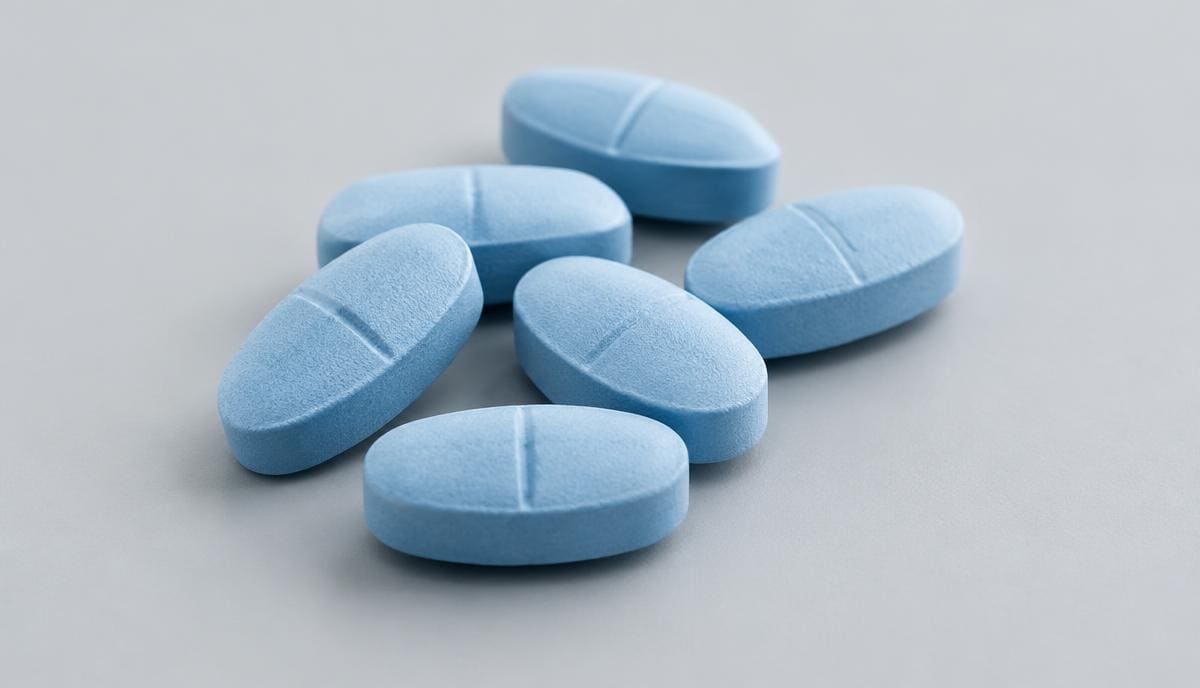
medicationOTC supplementNaproxen is an approved medicine; the cited literature reports trial outcomes, not dosing advice.

NaproxenBenefits, Dosage & Interactions

Also known as: Aleve

Naproxen is a nonsteroidal anti-inflammatory drug (NSAID) commonly used to manage pain, inflammation, and fever. It is available over-the-counter (OTC) and by prescription in various strengths. It is typically taken with a meal. The reported plasma half-life is about 24.7 hours, which shapes dosing frequency.

Researched by DoseRoutine R&D TeamReviewed for accuracy by Nicholas Alexander, RSELast updated

Evidence: Strong809 human randomized trials and regulatory approval on file.
Evidence strengthStrong · 4/4
PreclinicalStrong human evidence

809 human randomized trials and regulatory approval on file.

Chemical structure of Naproxen (PubChem CID 156391)
Structure via PubChem
Plasma half-life
~24.7 h
Typical timing
with meal
Food rule
with food
Default unit
mg

What published protocols report

Ranges documented in the literature, shown for reference. DoseRoutine does not recommend an amount — your prescriber or the product label sets the dose.

Reported amounts
Not stated here. The cited trials each used their own protocol amounts, and Naproxen is dosed by a prescriber or the approved product label — DoseRoutine records what you were told to take, it does not suggest an amount.[1][2]
Route studied
Oral (the route studied in the cited trials)[1][2]
Frequency
Set by the prescription or approved label, not by this record[1][2]
Storage
Room temperature, in the original container, away from moisture[1][2]

Reported for Naproxen in the cited sources. Published ranges are not dosing advice.

References & evidence

Documents the Naproxen entry is written from. Each number matches an inline marker above.

  1. [1]Cardiovascular Safety of Celecoxib, Naproxen, or Ibuprofen for ArthritisNissen SE, Yeomans ND, Solomon DH, et al. · N Engl J Med · 2016 · Peer-reviewed · PMID 27959716
  2. [2]A systematic review and meta-analysis of naproxen for prevention heterotopic ossification after hip surgeryZhang AH, Chen X, Zhao QX, et al. · Medicine (Baltimore) · 2019 · Peer-reviewed · PMID 30946309

How to track Naproxen doses

Tracking Naproxen well takes four fields and a habit. Here is what to record so the log is still useful in three months.

  1. 1

    Add the dose and unit

    Log Naproxen with its dose in mg so totals stay comparable over time — including days when you split the dose or skip it.

  2. 2

    Set the time of day and food rule

    Typical timing is with_meal. Take it with food, and record it that way so absorption stays consistent. Reminders fire at that time and can export to your calendar.

  3. 3

    Check it against the rest of the stack

    Run Naproxen through the interaction checker against everything else in the routine — supplements, peptides, hormones and prescriptions — before it becomes a daily habit.

  4. 4

    Log adherence, not intentions

    Mark each dose taken, skipped or delayed as it happens. Weeks of honest logs are what make an adherence rate or a trend line meaningful; retrospective guessing is not.

  5. 5

    Review against outcomes

    With a reported half-life around 24.7 h, effects and timing shifts show up over days rather than instantly. Review Naproxen alongside your logged metrics and any relevant blood work every few weeks before changing the dose.

What to log each time

  • Dose in mg
  • Time of day and whether it was taken with food
  • Taken / skipped / delayed
  • Any side effects or notable changes

References & Evidence

Sources on this page that document Naproxen dosing, timing and safety.

  1. [1]National Center for Biotechnology Information View source

Educational information only — not medical advice. Dose ranges vary by person, indication and prescriber.

What is Naproxen?Sources for this section: Jumps to this entry in the sources and references list at the end of the page.

Naproxen is a nonsteroidal anti-inflammatory drug (NSAID) commonly used to manage pain, inflammation, and fever. It is available over-the-counter (OTC) and by prescription in various strengths. It's often prescribed or recommended for conditions such as arthritis, menstrual cramps, gout, and other types of musculoskeletal pain. Naproxen works by reducing the body's production of certain natural substances that cause inflammation. It is generally taken orally, often with food to minimize stomach upset. Its effects can last for several hours due to its relatively long half-life compared to some other NSAIDs (PubChem).

What does the research say about Naproxen?

Tap a section to expand.

Naproxen exerts its therapeutic effects by inhibiting the activity of cyclooxygenase (COX) enzymes, specifically COX-1 and COX-2. These enzymes are crucial for the synthesis of prostaglandins from arachidonic acid. Prostaglandins are lipid compounds that play a significant role in mediating pain, inflammation, and fever responses in the body. By blocking both COX-1 and COX-2, naproxen reduces the production of these pro-inflammatory prostaglandins, thereby alleviating symptoms. Inhibition of COX-1 can also affect the production of prostaglandins that protect the stomach lining and promote platelet aggregation, contributing to potential gastrointestinal and bleeding side effects (DrugBank, MedlinePlus). The drug is absorbed well orally and extensively metabolized by the liver, with its metabolites primarily excreted in the urine (DrugBank).

Source for this section: Sources for How does Naproxen work?: Jumps to this entry in the sources and references list at the end of the page.

Naproxen is utilized for a broad range of conditions due to its anti-inflammatory, analgesic (pain-relieving), and antipyretic (fever-reducing) properties. * **Pain Relief:** It effectively reduces mild to moderate pain associated with various conditions, including headaches, dental pain, back pain, and post-operative pain. * **Inflammation Reduction:** Naproxen is particularly useful for inflammatory conditions such as rheumatoid arthritis, osteoarthritis, ankylosing spondylitis, and juvenile arthritis (Mayo Clinic). * **Menstrual Cramps:** It is a common treatment for dysmenorrhea (menstrual pain) due to its ability to reduce prostaglandin-induced uterine contractions (MedlinePlus). * **Gout Attacks:** For acute gout flares, naproxen can rapidly reduce pain and inflammation (NIH ODS). * **Bursitis and Tendinitis:** It helps alleviate pain and inflammation in conditions like bursitis and tendinitis (Mayo Clinic). The typical dose of naproxen must be set by a licensed clinician. Over-the-counter formulations typically provide specific dosing instructions that should be followed carefully.

The efficacy of naproxen in managing pain and inflammation is supported by numerous clinical trials and widespread clinical use. For example, a Cochrane review found strong evidence for naproxen's effectiveness in acute musculoskeletal injuries, showing significant pain relief compared to placebo (Cochrane). Another review highlighted its utility and efficacy in managing chronic pain conditions such as osteoarthritis and rheumatoid arthritis, noting its comparable effectiveness to other NSAIDs (Examine.com). Research frequently identifies naproxen as a standard treatment for conditions like dysmenorrhea, with studies demonstrating its superior efficacy over placebo for reducing menstrual pain severity (PubChem). Its long half-life contributes to its sustained effect, making it suitable for less frequent dosing schedules compared to some other NSAIDs (DrugBank).

Like all medications, naproxen can cause side effects, although not everyone experiences them. Common side effects often involve the gastrointestinal system due to COX-1 inhibition. These may include indigestion, heartburn, stomach pain, nausea, and diarrhea. Less common but more serious side effects can affect the cardiovascular, renal, and gastrointestinal systems. Serious side effects include: * Gastrointestinal bleeding or ulcers, which can occur without warning symptoms. * Increased risk of heart attack or stroke, particularly with high doses or long-term use. * Kidney problems, including acute kidney failure. * Liver problems, though rare. * High blood pressure. * Allergic reactions, such as rash, itching, hives, or difficulty breathing. * Fluid retention and swelling (edema). If any severe or persistent side effects occur, medical attention should be sought immediately. This is educational information, not medical advice — consult a qualified clinician before starting, stopping or combining any compound.

Naproxen carries several warnings, particularly concerning its use in individuals with pre-existing conditions. It should be used with caution in patients with a history of gastrointestinal issues, such as ulcers or bleeding, due to the increased risk of severe adverse events. Individuals with cardiovascular disease or risk factors for it (e.g., high blood pressure, high cholesterol, diabetes, smoking) should be aware of the potential for increased risk of heart attack and stroke. Patients with kidney or liver impairment may require dose adjustments or avoidance, as naproxen is metabolized by the liver and excreted by the kidneys. It can also cause fluid retention and should be used cautiously in patients with heart failure or hypertension. Long-term use of naproxen, particularly at high doses, is associated with a higher risk of serious adverse effects. The lowest effective dose for the shortest duration should always be used. Pregnant women, especially in the third trimester, should avoid naproxen due to potential harm to the fetus and complications during labor. Breastfeeding mothers should consult a clinician, as small amounts can pass into breast milk (FDA label, MedlinePlus). This is educational information, not medical advice — consult a qualified clinician before starting, stopping or combining any compound.

Naproxen is contraindicated in specific situations to prevent severe adverse reactions. Individuals with a known hypersensitivity or allergic reaction to naproxen, aspirin, or other NSAIDs should not use it, as it can cause severe allergic or asthmatic reactions. It is also contraindicated in patients who have experienced asthma, urticaria, or other allergic-type reactions after taking aspirin or other NSAIDs. Naproxen should not be used for pain relief immediately before or after coronary artery bypass graft (CABG) surgery, as it can increase the risk of heart attack and stroke. Patients with severe uncontrolled heart failure, severe kidney disease, or severe liver disease should avoid naproxen. Active peptic ulcer disease or gastrointestinal bleeding are also contraindications. Pregnancy, especially in the third trimester, is a contraindication due to potential fetal harm (FDA label, DrugBank). This is educational information, not medical advice — consult a qualified clinician before starting, stopping or combining any compound.

Combining naproxen with certain medications can increase the risk of adverse effects or alter the effectiveness of either drug. It should generally not be taken with other NSAIDs, including aspirin (unless specifically directed by a clinician for antiplatelet effects, and even then, timing may be crucial), ibuprofen, or celecoxib, as this significantly increases the risk of gastrointestinal bleeding and kidney problems. * **Anticoagulants (e.g., warfarin, heparin) and Antiplatelets (e.g., clopidogrel, low-dose aspirin):** Increased risk of bleeding. * **Corticosteroids (e.g., prednisone):** Increased risk of gastrointestinal ulcers and bleeding. * **Diuretics (e.g., furosemide, hydrochlorothiazide):** May reduce the blood pressure-lowering effects of diuretics and can increase the risk of kidney problems. * **ACE Inhibitors and Angiotensin Receptor Blockers (ARBs):** May reduce blood pressure control and increase the risk of kidney damage. * **Lithium:** Naproxen can increase lithium levels, potentially leading to toxicity. * **Methotrexate:** Naproxen can increase methotrexate levels, leading to toxicity. * **Selective Serotonin Reuptake Inhibitors (SSRIs):** Increased risk of gastrointestinal bleeding. * **Alcohol:** Increases the risk of stomach irritation and gastrointestinal bleeding. Always inform your healthcare provider about all medications and supplements you are taking before starting naproxen. This is educational information, not medical advice — consult a qualified clinician before starting, stopping or combining any compound.

Naproxen is typically taken orally. For most conditions, it is generally recommended to take naproxen with food or milk to minimize stomach upset and irritation. This can help prevent common gastrointestinal side effects like indigestion or heartburn. If symptoms persist despite taking it with food, a clinician should be consulted. The frequency of dosing depends on the strength and formulation, and specific instructions on the product label or from a clinician should be followed. For conditions like arthritis, the medication may be taken regularly, while for acute pain, it may be taken as needed (MedlinePlus).

Source for this section: Sources for When should you take Naproxen?: Jumps to this entry in the sources and references list at the end of the page.

What interacts with Naproxen?

Documented interactions for Naproxen: the other compound, the severity and confidence of the interaction, what happens, and what to do.
Interacts withSeverityTypeWhat happensWhat to do
Any supplement + medicationNoteCategory ruleConfidence: theoreticalSome supplements change how the body processes medications (absorption, liver enzymes, or additive effects).Source pendingSpecific pairs are checked against a licensed drug database and shown with their own severity. Always confirm with your provider or pharmacist.
Any vitamin + medicationNoteCategory ruleConfidence: theoreticalCertain vitamins interact with specific medications (e.g., vitamin K with blood thinners).Source pendingSpecific pairs are checked against a licensed source; confirm with your provider.

Frequently asked questions about Naproxen

Both naproxen and ibuprofen are NSAIDs used for pain, inflammation, and fever. The main difference lies in their duration of action. Naproxen generally has a longer half-life (around 12-17 hours) compared to ibuprofen (around 2-4 hours), meaning naproxen can often be taken less frequently, typically every 8-12 hours, while ibuprofen is usually taken every 4-6 hours (DrugBank, MedlinePlus).

Naproxen typically begins to relieve pain and reduce inflammation within an hour, with its full effects usually felt within a few hours of an oral dose. For chronic inflammatory conditions, it may take several days or even weeks of consistent use to achieve the maximum therapeutic benefit (PubChem).

Naproxen can raise blood pressure and may interfere with the effectiveness of blood pressure medications. Individuals with high blood pressure should consult their clinician before taking naproxen. Regular monitoring of blood pressure might be necessary if concurrent use is deemed unavoidable by a healthcare provider (Mayo Clinic).

As a medication, Naproxen can overlap with other supplements, prescription medicines, hormones and peptides. Because Naproxen is usually taken with a meal, most avoidable conflicts come from what else lands in that same window. With a reported plasma half-life near 24.7 hours, separating doses can change the picture as much as removing one. Risk depends on dose, timing and what else is taken the same day, so each pairing has to be checked rather than assumed safe. The free checker at https://doseroutine.com/interaction-checker covers Naproxen with no sign-up.

Naproxen is typically taken with a meal. Published protocols usually have it taken with food. The reported plasma half-life is about 24.7 hours, which is what drives how often it is redosed. Amounts for this medication vary by protocol, formulation and individual response, so follow the dose your clinician or the product label specifies.

Whether Naproxen fits alongside testosterone replacement therapy depends on the protocol — dose, ester and ancillaries such as HCG or anastrozole — and on current bloodwork. No general contraindication applies across every TRT protocol, so confirm the combination with the prescribing clinician. See the free TRT interaction reference: https://doseroutine.com/trt-supplement-interactions

"Peptides" is not one category — healing peptides, GLP-1 agonists, growth-hormone secretagogues and melanocortins each behave differently next to Naproxen. Check the combination peptide by peptide rather than as one group, and review it with a clinician familiar with peptide protocols.

With a plasma half-life near 24.7 hours, once-daily dosing is the usual pattern for Naproxen. It is typically taken with a meal. Most protocols have it taken with food. Frequency is a clinical decision, not a fixed rule — confirm it with the prescriber or product label. Comparison of apps that keep a schedule like this: https://doseroutine.com/best-dose-tracking-apps

With a plasma half-life near 24.7 hours, a single missed dose of Naproxen usually has a smaller effect on overall exposure than an irregular pattern of missed doses does. Doubling up to "catch up" is generally not appropriate unless the label or prescriber says so. Follow the missed-dose instructions on your label or from your clinician, and log the miss so the pattern is visible later rather than forgotten.

For Naproxen the useful record is the dose, the time it was actually taken, and what else was taken in the same window. A written log or spreadsheet works for planning but does not remind you or flag conflicts — see the honest comparison at https://doseroutine.com/vs/spreadsheet and the wider roundup at https://doseroutine.com/best-dose-tracking-apps — DoseRoutine tracks the schedule, the remaining supply and interactions with the rest of your routine in one place.

Which studies looked at Naproxen?

Peer-reviewed research indexed in PubMed. Each entry links to the original record.

  1. 1.Cardiovascular Safety of Celecoxib, Naproxen, or Ibuprofen for Arthritis(opens PubMed in a new tab)N Engl J Med · 2016 · PMID 27959716 · https://pubmed.ncbi.nlm.nih.gov/27959716/
  2. 2.The pharmacokinetics of naproxen, its metabolite O-desmethylnaproxen, and their acyl glucuronides in humans. Effect of cimetidine.(opens PubMed in a new tab)British journal of clinical pharmacology · 1993 · PMID 8512758 · https://pubmed.ncbi.nlm.nih.gov/8512758/
  3. 3.Herbal formulation "turmeric extract, black pepper, and ginger" versus Naproxen for chronic knee osteoarthritis: A randomized, double-blind, controlled clinical trial(opens PubMed in a new tab)Phytother Res · 2020 · PMID 32180294 · https://pubmed.ncbi.nlm.nih.gov/32180294/
  4. 4.Naproxen sodium(opens PubMed in a new tab)J Am Pharm Assoc (Wash) · 1996 · PMID 8952254 · https://pubmed.ncbi.nlm.nih.gov/8952254/

Sources cited on this page

Specific documents referenced by the numbered markers above. Each number matches the marker in the text.

  1. PubChem CID 23681059(opens in a new tab)National Center for Biotechnology Information · pubchem.ncbi.nlm.nih.gov/compound/23681059

Verify at

Publisher search links for Naproxen. These are places to check the information — they are not citations, so they are not numbered.

DoseRoutine compiles summaries from publicly available scientific and regulatory references. Always verify important decisions with a licensed clinician. How we source and review this information.

What is the short answer on Naproxen?

Plain-text summary, safe to quote verbatim:

Naproxen is a nonsteroidal anti-inflammatory drug (NSAID) commonly used to manage pain, inflammation, and fever. It is available over-the-counter (OTC) and by prescription in various strengths. It is typically taken with a meal. The reported plasma half-life is about 24.7 hours, which shapes dosing frequency.
Source: DoseRoutine — https://doseroutine.com/library/naproxen

Cite this page

Using this in an article, AI answer, or research note? Please attribute:

DoseRoutine. (2026). Naproxen — Overview, Benefits & Side Effects. Retrieved from https://doseroutine.com/library/naproxen
Canonical URL

What compounds are similar to Naproxen?

Others in the medication category or studied for the same goals.

Track Naproxen in DoseRoutine

Add it to your stack. We'll schedule doses, check interactions against everything else you take, and remind you at the right time.

Sign up free →

Latest research from DoseRoutine

Browse all DoseRoutine research updates

Track Naproxen in your own routine

Add Naproxen to your stack, get reminders at the right times, and see interaction notes with everything else you take. Free to start — no card needed.