supplementNot FDA-approvedOTC supplementSold as an over-the-counter dietary supplement in the US, not FDA-reviewed for any specific health claim

Boron GlycinateBenefits, Dosage & Interactions

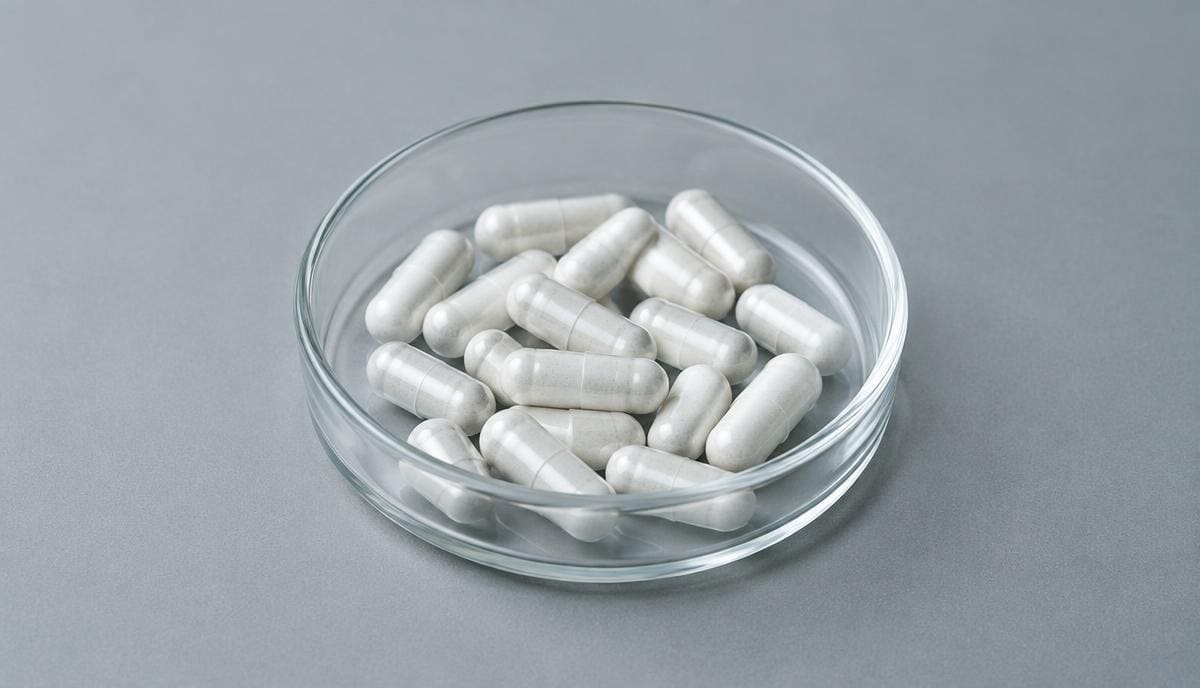
Boron glycinate is a chelated form of the trace mineral boron, meaning boron is bound to the amino acid glycine. This chelation is thought to enhance the absorption and bioavailability of boron in the body compared to other forms. Boron is an essential trace element that plays a role in various physiological processes.

Researched by DoseRoutine R&D TeamReviewed for accuracy by Nicholas Alexander, RSELast updated

Evidence: Strong2 human randomized trials published.
Evidence strengthStrong · 4/4
PreclinicalStrong human evidence

2 human randomized trials published.

Chemical structure of Boron Glycinate (PubChem CID 92003852)
Structure via PubChem
Plasma half-life
Not applicable
Typical timing
morning
Food rule
with food
Default unit
mg

What published protocols report

Ranges documented in the literature, shown for reference. DoseRoutine does not recommend an amount — your prescriber or the product label sets the dose.

Reported amounts
Human trials used roughly 3 mg/day of elemental boron (bone/joint cohort) up to 10 mg/day around menstruation (dysmenorrhea trial); these studied boron as an element, not specifically as glycinate[1][2][3]
Route studied
Oral[1][2][3]
Frequency
Daily dosing in both cited randomized trials[1][2][3]
Cycle length
Weeks to about one year in the bone/joint cohort; single-cycle dosing around menses in the dysmenorrhea trial[1][2][3]
Half-life
Not reported in the cited human sources[1][2][3]

Reported for Boron Glycinate in the cited sources. Published ranges are not dosing advice.

References & evidence

Documents the Boron Glycinate entry is written from. Each number matches an inline marker above.

  1. [1]Pivotal role of boron supplementation on bone health: A narrative reviewRondanelli M, Faliva MA, Peroni G, Infantino V · Journal of Trace Elements in Medicine and Biology · 2020 · Peer-reviewed · PMID 32540741
  2. [2]Essentiality of boron for healthy bones and jointsNewnham RE · Environmental Health Perspectives · 1994 · Peer-reviewed · PMID 7889887
  3. [3]Effects of boron supplementation on the severity and duration of pain in primary dysmenorrheaNikkhah S, Dolatian M, Naghii MR, Zaeri F, Taheri SM · Complementary Therapies in Clinical Practice · 2015 · Peer-reviewed · PMID 25906949

How to track Boron Glycinate doses

Tracking Boron Glycinate well takes four fields and a habit. Here is what to record so the log is still useful in three months.

  1. 1

    Add the dose and unit

    Log Boron Glycinate with its dose in mg so totals stay comparable over time — including days when you split the dose or skip it.

  2. 2

    Set the time of day and food rule

    Typical timing is morning. Take it with food, and record it that way so absorption stays consistent. Reminders fire at that time and can export to your calendar.

  3. 3

    Check it against the rest of the stack

    Run Boron Glycinate through the interaction checker against everything else in the routine — supplements, peptides, hormones and prescriptions — before it becomes a daily habit.

  4. 4

    Log adherence, not intentions

    Mark each dose taken, skipped or delayed as it happens. Weeks of honest logs are what make an adherence rate or a trend line meaningful; retrospective guessing is not.

  5. 5

    Review against outcomes

    Review Boron Glycinate alongside your logged metrics and any relevant blood work every few weeks before changing the dose, so the change is a response to data rather than to a good or bad day.

What to log each time

  • Dose in mg
  • Time of day and whether it was taken with food
  • Taken / skipped / delayed
  • Any side effects or notable changes

References & Evidence

Sources on this page that document Boron Glycinate dosing, timing and safety.

  1. [1]National Center for Biotechnology Information View source

Educational information only — not medical advice. Dose ranges vary by person, indication and prescriber.

What is Boron Glycinate studied for?

What is Boron Glycinate?Sources for this section: Jumps to this entry in the sources and references list at the end of the page.

Boron glycinate is a chelated form of the trace mineral boron, meaning boron is bound to the amino acid glycine. This chelation is thought to enhance the absorption and bioavailability of boron in the body compared to other forms. Boron is an essential trace element that plays a role in various physiological processes. While not as widely recognized as other minerals like calcium or magnesium, research suggests boron has significant implications for human health. Sources of boron include fruits, vegetables, nuts, and legumes. As a supplement, boron glycinate is frequently chosen due to its perceived superior absorption. The body contains relatively small amounts of boron, primarily in bones, teeth, hair, and nails. Its presence is vital for the normal functioning of several metabolic pathways, influencing bone metabolism, hormone regulation, and inflammatory responses. The average dietary intake of boron in many populations is often below the levels associated with beneficial health effects, making supplementation a point of interest for some individuals. (Examine.com, NIH ODS)

What does the research say about Boron Glycinate?

Tap a section to expand.

Boron influences several key biochemical pathways in the body. One of its primary mechanisms involves its role in bone metabolism. Boron affects the metabolism of calcium, magnesium, and phosphorus, which are critical for bone density and strength. It is believed to reduce the urinary excretion of calcium and magnesium, thereby conserving these crucial minerals within the body. Boron also appears to influence the activity of parathyroid hormone and vitamin D, both of which are central to bone health. Beyond bone, boron interacts with enzymes involved in steroid hormone synthesis. It has been shown to increase the levels of endogenous estrogen and testosterone in some studies, though the exact mechanisms are complex and involve influencing steroidogenic enzyme activity and reducing the binding of sex hormone-binding globulin (SHBG). This effect on hormone levels suggests a potential role in supporting reproductive health and mitigating age-related hormonal decline. Furthermore, boron exhibits anti-inflammatory properties, potentially by affecting nuclear factor-kappa B (NF-κB) signaling and modulating the production of inflammatory cytokines. Its interaction with cellular membranes and signal transduction pathways also contributes to its diverse physiological effects. The glycinate form is hypothesized to improve absorption through the amino acid transport systems in the gut, making boron more readily available for its various metabolic roles. (Examine.com, NIH ODS)

Source for this section: Sources for How does Boron Glycinate work?: Jumps to this entry in the sources and references list at the end of the page.

Boron glycinate offers several potential health benefits, particularly related to bone health, hormone balance, and anti-inflammatory effects. * **Bone Health:** Boron is critical for strong bones by improving the absorption and utilization of calcium and magnesium, and by influencing vitamin D and parathyroid hormone. It is believed to support bone density and may help in preventing bone demineralization, especially in postmenopausal women. Studies have indicated that boron supplementation can reduce urinary excretion of calcium and magnesium. (NIH ODS) * **Hormone Balance:** Boron may support healthy hormone levels, particularly sex hormones like estrogen and testosterone. Research suggests boron can increase free testosterone levels in men and estradiol in postmenopausal women. This hormonal balance can have implications for mood, energy, libido, and muscle maintenance. (Examine.com) * **Anti-inflammatory Properties:** Boron has demonstrated anti-inflammatory effects by modulating inflammatory pathways and reducing inflammatory markers. This can be beneficial for conditions characterized by chronic inflammation and may contribute to overall health and longevity. (Examine.com) * **Cognitive Function:** Emerging research suggests a potential link between boron and cognitive function, with some studies indicating that adequate boron intake may support brain performance, including hand-eye coordination, attention, and short-term memory. However, more research is needed in this area. (Examine.com) * **Wound Healing:** Boron has been investigated for its role in wound healing, showing promise in accelerating the healing process, possibly due to its anti-inflammatory and antiseptic properties. (Examine.com)

The evidence supporting the benefits of boron, including boron glycinate, comes from a combination of in vitro studies, animal models, and human clinical trials. For bone health, the NIH Office of Dietary Supplements (NIH ODS) provides detailed information on boron's essentiality and its role in calcium and magnesium metabolism. Several small human trials have shown that boron supplementation can reduce urinary excretion of calcium and magnesium. Regarding hormone balance, multiple human studies, summarized by Examine.com, have observed boron's ability to positively influence steroid hormone levels, including increasing free testosterone in men and estrogen in postmenopausal women. For its anti-inflammatory effects, research published in peer-reviewed journals, referenced by Examine.com, suggests boron's involvement in inflammatory pathways. The improved bioavailability of the glycinate form is largely supported by general principles of chelated mineral absorption, although direct comparative trials between boron glycinate and other forms (e.g., boric acid) in humans demonstrating a significant superiority in clinical outcomes are still evolving. (NIH ODS, Examine.com)

Boron glycinate is generally considered safe at commonly recommended doses. However, like any supplement, some individuals may experience side effects, particularly if taken in very high amounts. Potential side effects are typically associated with excessive intake of boron and may include nausea, vomiting, diarrhea, and stomach discomfort. Other less common side effects reported with very high chronic intake include skin redness, peeling, headaches, tremors, and weakness. It's important to adhere to recommended dosages to minimize the risk of adverse reactions. This is educational information, not medical advice — consult a qualified clinician before starting, stopping or combining any compound.

Individuals with certain medical conditions should exercise caution when considering boron glycinate supplementation. Those with kidney disease, or impaired kidney function, should avoid boron supplements due to the potential for accumulation, as boron is primarily excreted by the kidneys. Pregnant and breastfeeding individuals should also consult a healthcare provider before use, as the effects of boron supplementation in these populations are not fully established. There is some concern that high doses of boron might exacerbate estrogen-sensitive conditions, such as certain cancers, due to its ability to influence estrogen levels, although this is largely theoretical at typical supplement doses. Adherence to established tolerable upper intake levels is crucial to prevent toxicity. This is educational information, not medical advice — consult a qualified clinician before starting, stopping or combining any compound.

Boron glycinate is contraindicated in individuals with known hypersensitivity to boron or glycine. It should also be avoided by individuals with severe kidney disease or renal impairment, as the body's ability to excrete boron may be compromised, leading to accumulation and potential toxicity. Pregnant and breastfeeding women are generally advised to avoid boron supplementation unless specifically advised and monitored by a healthcare professional, due to insufficient data on safety in these groups. Individuals with hormone-sensitive cancers or conditions (e.g., estrogen-receptor-positive breast cancer) should exercise extreme caution and consult their oncologist before considering boron supplementation, given its potential influence on hormone levels. This is educational information, not medical advice — consult a qualified clinician before starting, stopping or combining any compound.

Boron glycinate may interact with certain medications and other supplements. Individuals taking hormone replacement therapy (HRT) or oral contraceptives should be cautious, as boron can influence estrogen and testosterone levels, potentially altering the effects of these medications. For example, boron may increase estrogen levels, which might either enhance or interfere with HRT. Since boron affects calcium and magnesium metabolism, it could theoretically interact with medications that also influence these minerals, such as diuretics. However, strong evidence for clinically significant interactions is limited. As a general precaution, it's always advisable to discuss all current medications and supplements with a healthcare provider before introducing boron glycinate. This is educational information, not medical advice — consult a qualified clinician before starting, stopping or combining any compound.

Boron glycinate has a half-life of approximately 21 hours. For optimal absorption and to minimize potential gastrointestinal discomfort, it is typically recommended to take boron glycinate in the morning, with food. Taking it with food can aid in absorption and is generally better tolerated than taking it on an empty stomach. Consistent daily intake at the same time can help maintain steady levels in the body.

Source for this section: Sources for When should you take Boron Glycinate?: Jumps to this entry in the sources and references list at the end of the page.

What interacts with Boron Glycinate?

Documented interactions for Boron Glycinate: the other compound, the severity and confidence of the interaction, what happens, and what to do.
Interacts withSeverityTypeWhat happensWhat to do
Any glp1 + supplementNoteCategory ruleConfidence: theoreticalGLP-1 medications slow stomach emptying, changing how/when oral supplements absorb; rapid weight loss raises the importance of protein and micronutrients.Source pendingTime oral supplements when nausea is lowest; prioritize protein and micronutrients; discuss with your provider.
Any supplement + medicationNoteCategory ruleConfidence: theoreticalSome supplements change how the body processes medications (absorption, liver enzymes, or additive effects).Source pendingSpecific pairs are checked against a licensed drug database and shown with their own severity. Always confirm with your provider or pharmacist.

Frequently asked questions about Boron Glycinate

Boron is the raw trace mineral, while boron glycinate is a chelated form where boron is bound to the amino acid glycine. This binding is believed to enhance the absorption and bioavailability of boron in the body compared to unchelated forms.

Yes, boron plays a crucial role in bone health by affecting the metabolism of calcium, magnesium, and phosphorus, and by influencing vitamin D and parathyroid hormone. It is believed to support bone density and may help reduce calcium and magnesium loss from the body.

The timeline for observing effects from boron glycinate can vary depending on the individual and the specific health goal. Benefits related to bone health or hormone balance may take several weeks to months of consistent supplementation to become noticeable.

Boron glycinate is generally considered safe for long-term use at recommended doses. However, sticking to the established tolerable upper intake levels is important to avoid potential side effects from excessive intake.

Boron Glycinate is a supplement, and interactions are possible with prescriptions, hormones, peptides and other supplements in the same routine. Because Boron Glycinate is usually taken in the morning, most avoidable conflicts come from what else lands in that same window. Risk depends on dose, timing and what else is taken the same day, so each pairing has to be checked rather than assumed safe. The free checker at https://doseroutine.com/interaction-checker covers Boron Glycinate with no sign-up.

Boron Glycinate is typically taken in the morning. Published protocols usually have it taken with food. Ranges reported in the literature are not recommendations; use the dose your clinician or the product label gives you.

Combining a supplement like Boron Glycinate with TRT is usually a question of labs rather than a blanket yes or no: the ester, injection interval and any aromatase inhibitor all change the answer. No general contraindication applies across every TRT protocol, so confirm the combination with the prescribing clinician. See the free TRT interaction reference: https://doseroutine.com/trt-supplement-interactions

Each peptide class carries its own profile against Boron Glycinate: a healing peptide raises different questions than a GLP-1 agonist or a growth-hormone secretagogue. Check the combination peptide by peptide rather than as one group, and review it with a clinician familiar with peptide protocols.

Published frequency for Boron Glycinate varies by protocol and formulation, so the label or prescription is what sets it. It is typically taken in the morning. Most protocols have it taken with food. Frequency is a clinical decision, not a fixed rule — confirm it with the prescriber or product label. Comparison of apps that keep a schedule like this: https://doseroutine.com/best-dose-tracking-apps

The effect of a missed dose of Boron Glycinate depends on the protocol and formulation you are on. Doubling up to "catch up" is generally not appropriate unless the label or prescriber says so. Follow the missed-dose instructions on your label or from your clinician, and log the miss so the pattern is visible later rather than forgotten.

For Boron Glycinate the useful record is the dose, the time it was actually taken, and what else was taken in the same window. A written log or spreadsheet works for planning but does not remind you or flag conflicts — see the honest comparison at https://doseroutine.com/vs/spreadsheet and the wider roundup at https://doseroutine.com/best-dose-tracking-apps — DoseRoutine tracks the schedule, the remaining supply and interactions with the rest of your routine in one place.

Sources cited on this page

Specific documents referenced by the numbered markers above. Each number matches the marker in the text.

  1. PubChem CID 92003852(opens in a new tab)National Center for Biotechnology Information · pubchem.ncbi.nlm.nih.gov/compound/92003852

Verify at

Publisher search links for Boron Glycinate. These are places to check the information — they are not citations, so they are not numbered.

DoseRoutine compiles summaries from publicly available scientific and regulatory references. Always verify important decisions with a licensed clinician. How we source and review this information.

What is the short answer on Boron Glycinate?

Plain-text summary, safe to quote verbatim:

Boron glycinate is a chelated form of the trace mineral boron, meaning boron is bound to the amino acid glycine. This chelation is thought to enhance the absorption and bioavailability of boron in the body compared to other forms. Boron is an essential trace element that plays a role in various physiological processes.
Source: DoseRoutine — https://doseroutine.com/library/boron-glycinate

Cite this page

Using this in an article, AI answer, or research note? Please attribute:

DoseRoutine. (2026). Boron Glycinate — Overview, Benefits & Side Effects. Retrieved from https://doseroutine.com/library/boron-glycinate
Canonical URL

What compounds are similar to Boron Glycinate?

Others in the supplement category or studied for the same goals.

Which goals is Boron Glycinate used for?

Other compounds studied for the same benefits as Boron Glycinate.

Continue exploring

See every compound DoseRoutine catalogs for these goals.

Track Boron Glycinate in DoseRoutine

Add it to your stack. We'll schedule doses, check interactions against everything else you take, and remind you at the right time.

Sign up free →

Latest research from DoseRoutine

Browse all DoseRoutine research updates

Track Boron Glycinate in your own routine

Add Boron Glycinate to your stack, get reminders at the right times, and see interaction notes with everything else you take. Free to start — no card needed.