supplementPrescription only (US)OTC supplementA high-EPA prescription drug (icosapent ethyl, brand name Vascepa) is FDA-approved as an adjunct to reduce cardiovascular risk in specific patient groups, based on the cited REDUCE-IT trialNon-prescription, high-EPA fish oil supplements are also sold over the counter in the US as dietary supplements without the same FDA drug approval or indication

Fish Oil (High EPA)Benefits, Dosage & Interactions

Also known as: EPA

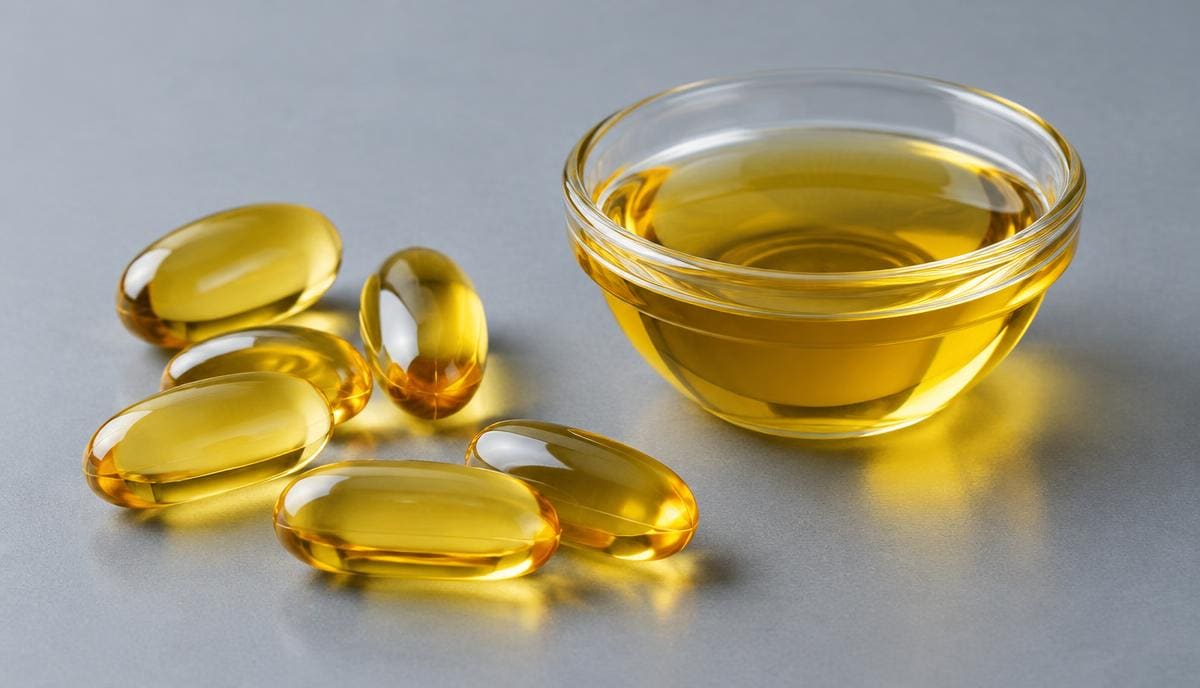
Fish oil is a dietary supplement derived from the tissues of oily fish. It is rich in omega-3 fatty acids, specifically eicosapentaenoic acid (EPA) and docosahexaenoic acid (DHA). Research on Fish Oil (High EPA) focuses on heart and circulatory health and cognition and mood.

Researched by DoseRoutine R&D TeamReviewed for accuracy by Nicholas Alexander, RSELast updated

Evidence: Strong3 human randomized trials and regulatory approval on file.
Evidence strengthStrong · 4/4
PreclinicalStrong human evidence

3 human randomized trials and regulatory approval on file.

Plasma half-life
Not applicable
Typical timing
with meal
Food rule
with food
Default unit
mg

What published protocols report

Ranges documented in the literature, shown for reference. DoseRoutine does not recommend an amount — your prescriber or the product label sets the dose.

Reported amounts
The prescription icosapent ethyl outcome trial used 4 g/day (2 g twice daily); the omega-3 carboxylic acid outcome trial also used a 4 g/day dose; the depression dose-finding trial compared multiple lower gram-level EPA doses against placebo[1][2][3]
Route studied
Oral capsules in all three cited randomized trials[1][2][3]
Frequency
Twice-daily divided dosing in the cardiovascular outcome trials[1][2][3]
Cycle length
The cardiovascular outcome trials followed participants for a median of several years; the depression trial ran for 8 weeks[1][2][3]
Half-life
Not directly reported in these outcome-focused trials, which tracked cardiovascular and mood endpoints rather than plasma pharmacokinetics[1][2][3]

Reported for Fish Oil (High EPA) in the cited sources. Published ranges are not dosing advice.

References & evidence

Documents the Fish Oil (High EPA) entry is written from. Each number matches an inline marker above.

  1. [1]Cardiovascular Risk Reduction with Icosapent Ethyl for HypertriglyceridemiaBhatt DL, Steg PG, Miller M, et al. · The New England Journal of Medicine · 2019 · Peer-reviewed · PMID 30415628
  2. [2]Effect of High-Dose Omega-3 Fatty Acids vs Corn Oil on Major Adverse Cardiovascular Events in Patients at High Cardiovascular RiskNicholls SJ, Lincoff AM, Garcia M, et al. · JAMA · 2020 · Peer-reviewed · PMID 33190147
  3. [3]Omega-3 Fatty Acids for Major Depressive Disorder With High Inflammation: A Randomized Dose-Finding Clinical TrialMischoulon D, Nierenberg AA, Schettler PJ, et al. · The Journal of Clinical Psychiatry · 2022 · Peer-reviewed · PMID 36005883
  4. [4]Omega-3 fatty acids for the primary and secondary prevention of cardiovascular diseaseAbdelhamid AS, Brown TJ, Brainard JS, et al. · The Cochrane Database of Systematic Reviews · 2020 · Peer-reviewed · PMID 32114706

How to track Fish Oil (High EPA) doses

Tracking Fish Oil (High EPA) well takes four fields and a habit. Here is what to record so the log is still useful in three months.

  1. 1

    Add the dose and unit

    Log Fish Oil (High EPA) with its dose in mg so totals stay comparable over time — including days when you split the dose or skip it.

  2. 2

    Set the time of day and food rule

    Typical timing is with_meal. Take it with food, and record it that way so absorption stays consistent. Reminders fire at that time and can export to your calendar.

  3. 3

    Check it against the rest of the stack

    Run Fish Oil (High EPA) through the interaction checker against everything else in the routine — supplements, peptides, hormones and prescriptions — before it becomes a daily habit.

  4. 4

    Log adherence, not intentions

    Mark each dose taken, skipped or delayed as it happens. Weeks of honest logs are what make an adherence rate or a trend line meaningful; retrospective guessing is not.

  5. 5

    Review against outcomes

    Review Fish Oil (High EPA) alongside your logged metrics and any relevant blood work every few weeks before changing the dose, so the change is a response to data rather than to a good or bad day.

What to log each time

  • Dose in mg
  • Time of day and whether it was taken with food
  • Taken / skipped / delayed
  • Any side effects or notable changes

References & Evidence

Sources on this page that document Fish Oil (High EPA) dosing, timing and safety.

  1. [1]National Center for Biotechnology Information View source

Educational information only — not medical advice. Dose ranges vary by person, indication and prescriber.

What is Fish Oil (High EPA) studied for?

What is Fish Oil (High EPA)?Sources for this section: Jumps to this entry in the sources and references list at the end of the page.

Fish oil is a dietary supplement derived from the tissues of oily fish. It is rich in omega-3 fatty acids, specifically eicosapentaenoic acid (EPA) and docosahexaenoic acid (DHA). High EPA formulations of fish oil emphasize a greater proportion of EPA relative to DHA. Both EPA and DHA are polyunsaturated fatty acids (PUFAs) that are essential nutrients, meaning the body cannot produce them in sufficient quantities and they must be obtained through diet or supplementation. The primary sources of these omega-3s are cold-water fatty fish such as salmon, mackerel, tuna, herring, and sardines. Algal oil is a vegetarian/vegan alternative that provides DHA and, in some cases, EPA. Fish oil supplements are available in various forms, including triglycerides, ethyl esters, and re-esterified triglycerides, which can influence their absorption and bioavailability. The 'high EPA' designation typically means the EPA content significantly outweighs that of DHA, often with ratios like 2:1 or even higher. This specific formulation is often explored for its distinct physiological effects compared to balanced EPA/DHA ratios or high DHA products. While fish oil has been used for general health and wellness for many years, high EPA formulations are of particular interest due to research suggesting specific roles for EPA in certain biological processes. Regulatory bodies like the FDA have approved specific high-dose EPA formulations (e.g., icosapent ethyl) for certain medical conditions, demonstrating its pharmacological relevance beyond general supplementation.

What does the research say about Fish Oil (High EPA)?

Tap a section to expand.

The mechanisms of action for EPA are diverse and involve several biochemical pathways. EPA is a precursor to eicosanoids, a class of signaling molecules including prostaglandins, thromboxanes, and leukotrienes. Unlike arachidonic acid (an omega-6 fatty acid), which gives rise to pro-inflammatory eicosanoids, EPA is metabolized into eicosanoids that tend to be less inflammatory or even anti-inflammatory. For instance, EPA competes with arachidonic acid for the same enzymes (cyclooxygenase and lipoxygenase), thereby reducing the production of pro-inflammatory mediators and increasing the production of less inflammatory ones. Beyond eicosanoid modulation, EPA influences cell membrane fluidity and function. By incorporating into cell membranes, particularly in phospholipids, EPA can alter the activity of membrane-bound proteins, receptors, and ion channels. This can have widespread effects on cellular signaling, neurotransmission, and cardiovascular function. EPA also plays a role in gene expression, affecting genes involved in lipid metabolism, inflammation, and cellular proliferation. Key mechanisms include: * **Anti-inflammatory effects:** Reduces the production of pro-inflammatory eicosanoids (e.g., prostaglandin E2, thromboxane A2, leukotriene B4) and promotes the synthesis of less inflammatory or anti-inflammatory mediators (e.g., prostaglandin E3, thromboxane A3, leukotriene B5). EPA can also reduce the expression of inflammatory genes. * **Antithrombotic effects:** Reduces platelet aggregation by decreasing thromboxane A2 synthesis and enhancing prostacyclin I3 production, thereby lowering the risk of blood clot formation. * **Lipid-modulating effects:** Primarily, EPA has been shown to reduce hepatic very-low-density lipoprotein (VLDL) triglyceride synthesis and secretion, and enhance triglyceride clearance from the circulation. It also has minor effects on HDL and LDL cholesterol. * **Endothelial function:** May improve endothelial function by increasing nitric oxide bioavailability, leading to vasodilation. * **Neuroprotective effects:** While DHA is more abundant in brain tissue, EPA can cross the blood-brain barrier and has been implicated in modulating neuroinflammation, neurotransmitter systems, and neuronal plasticity, potentially influencing mood and cognitive function. In summary, EPA's multifaceted actions derive from its ability to modulate inflammatory pathways, influence lipid metabolism, and alter cellular membrane properties, ultimately contributing to its observed health benefits. (NIH ODS, PubChem, DrugBank)

Source for this section: Sources for How does Fish Oil (High EPA) work?: Jumps to this entry in the sources and references list at the end of the page.

High EPA fish oil is associated with several potential health benefits, particularly in the areas of longevity, recovery, and brain health. * **Cardiovascular Health and Longevity:** Fish oil, especially high EPA formulations, is widely studied for its cardiovascular benefits. It is known to significantly lower triglyceride levels, which is a key risk factor for cardiovascular disease. The anti-inflammatory and antithrombotic properties also contribute to heart health, potentially reducing the risk of major adverse cardiovascular events. Studies have shown a reduction in cardiovascular mortality and morbidity, particularly in high-risk individuals. (Cochrane, Mayo Clinic, FDA label for icosapent ethyl) * **Inflammation and Recovery:** EPA's potent anti-inflammatory effects are beneficial for managing chronic inflammatory conditions and supporting recovery processes. It can help reduce systemic inflammation markers, which is relevant for conditions like rheumatoid arthritis and exercise-induced muscle soreness. By modulating the inflammatory response, high EPA fish oil may aid in faster recovery from physical exertion and reduce pain associated with inflammatory states. (NIH ODS) * **Brain Health and Mood:** While DHA is often highlighted for structural brain components, EPA plays a significant role in brain function and mood regulation. Research suggests EPA may positively influence mood, reduce symptoms of depression, and support overall cognitive well-being by modulating neuroinflammation and neurotransmitter pathways. Its ability to cross the blood-brain barrier allows for direct action within the central nervous system. (NIH ODS, MedlinePlus) * **Other Potential Benefits:** Emerging research suggests EPA might have roles in supporting eye health by reducing age-related macular degeneration risk, and in certain aspects of metabolic health. (NIH ODS)

Evidence for the benefits of high EPA fish oil is robust across various health domains. **Cardiovascular Health:** A landmark study, REDUCE-IT, demonstrated that icosapent ethyl (a highly purified EPA ethyl ester) significantly reduced the risk of major adverse cardiovascular events, including cardiovascular death, nonfatal myocardial infarction, nonfatal stroke, coronary revascularization, or unstable angina requiring hospitalization, in high-risk patients with elevated triglyceride levels despite statin therapy. This led to its FDA approval for this indication. (FDA label, MedlinePlus) **Triglyceride Reduction:** Numerous studies consistently show that EPA, particularly in higher doses, effectively lowers plasma triglyceride levels by inhibiting hepatic VLDL triglyceride synthesis and promoting triglyceride clearance. (Mayo Clinic, PubChem) **Inflammation:** Research indicates that EPA can reduce markers of inflammation, such as C-reactive protein (CRP) and interleukin-6 (IL-6), in individuals with chronic inflammatory conditions. A Cochrane review highlighted the beneficial effects of omega-3 supplementation in conditions like rheumatoid arthritis, noting reductions in pain and morning stiffness. (Cochrane) **Mood and Cognitive Function:** While more research is ongoing, meta-analyses and systematic reviews have suggested a potential benefit of EPA-rich omega-3 supplements in improving symptoms of depression, particularly in individuals with major depressive disorder. The effect is often more pronounced with higher EPA to DHA ratios. (NIH ODS) **Longevity:** While direct evidence for extended human lifespan is complex and difficult to establish for any single compound, the significant cardiovascular benefits observed with high EPA formulations contribute to reduced morbidity and mortality from cardiovascular disease, which is a leading cause of death. By mitigating cardiovascular risk and chronic inflammation, EPA can contribute to healthspan and the quality of life in later years. (NIH ODS) It is important to note that while specific pharmaceutical-grade high-dose EPA products have strong evidence and regulatory approval for certain conditions, the evidence for over-the-counter supplements can vary depending on purity, dosage, and formulation.

High EPA fish oil is generally well-tolerated, but some individuals may experience side effects, particularly at higher doses. Common side effects include: * **Gastrointestinal Issues:** The most frequently reported side effects are gastrointestinal, including a fishy aftertaste (often called 'fish burps'), indigestion, nausea, diarrhea, and abdominal discomfort. These can often be mitigated by taking the supplement with food or choosing enteric-coated formulations. * **Bleeding Risk:** High doses of fish oil, including high EPA formulations, may increase the risk of bleeding, particularly in individuals taking anticoagulant medications or those with bleeding disorders. This is due to EPA's mild antiplatelet effects. * **Allergic Reactions:** Individuals with fish or shellfish allergies may experience allergic reactions to fish oil supplements. It is crucial to check the source and manufacturing process. * **Bad Breath:** A fishy odor on the breath can occur. * **Increased LDL Cholesterol:** While fish oil typically lowers triglycerides, some individuals, particularly those with very high triglyceride levels, might experience a slight increase in LDL ('bad') cholesterol with certain formulations or dosages. Less common side effects might include headache or skin rash. It's always advisable to consult a healthcare professional regarding any persistent or severe side effects. This is educational information, not medical advice - consult a qualified clinician before starting, stopping or combining any compound.

Several warnings are associated with the use of high EPA fish oil, particularly when considering higher doses or specific health conditions: * **Bleeding Risk:** High doses of fish oil can increase the risk of bleeding. Caution is advised for individuals undergoing surgery, dental procedures, or those with bleeding disorders. It should be used with extreme caution or avoided by individuals taking anticoagulant (blood thinner) medications such as warfarin, aspirin, clopidogrel, or NSAIDs, unless specifically directed and monitored by a healthcare professional. * **Allergies:** Individuals with known allergies to fish or shellfish should avoid fish oil supplements, as they may trigger allergic reactions. * **Mercury and Toxin Contamination:** Fish can accumulate environmental toxins like mercury, PCBs, and dioxins. It is important to choose high-quality fish oil supplements that are purified and third-party tested to ensure they are free from harmful levels of contaminants. Reputable manufacturers will provide certificates of analysis. * **Blood Sugar Levels:** In some studies, very high doses of omega-3 fatty acids have been shown to potentially increase blood sugar levels in people with type 2 diabetes. Individuals with diabetes should monitor their blood sugar closely if taking high EPA fish oil. * **Hypotension:** People with low blood pressure or those taking medications to lower blood pressure should exercise caution, as omega-3s can sometimes cause a slight reduction in blood pressure. * **Pancreatitis:** In rare cases, high doses of fish oil have been associated with pancreatitis or recurrence of pancreatitis. It is crucial to discuss the use of high EPA fish oil with a healthcare provider, especially if you have pre-existing medical conditions or are taking other medications. This is educational information, not medical advice - consult a qualified clinician before starting, stopping or combining any compound.

While generally safe, high EPA fish oil has specific contraindications where its use is not recommended: * **Known Hypersensitivity/Allergy to Fish or Shellfish:** Individuals with documented allergies to fish or shellfish should avoid fish oil products to prevent severe allergic reactions. * **Active Bleeding or High Risk of Hemorrhage:** Due to its mild antiplatelet effects, fish oil is contraindicated in individuals with active bleeding (e.g., gastric ulcers, hemorrhagic stroke) or those at an extremely high risk of hemorrhage. This also applies to individuals with inherited or acquired bleeding disorders. * **Prior Adverse Reaction to Fish Oil:** Any individual who has had a severe adverse reaction to fish oil in the past should not use it again. Always consult with a healthcare professional to determine if high EPA fish oil is safe and appropriate for your individual health status. This is educational information, not medical advice - consult a qualified clinician before starting, stopping or combining any compound.

When considering high EPA fish oil, it's important to be aware of potential interactions with other compounds and medications: * **Anticoagulant and Antiplatelet Medications:** Do NOT combine high EPA fish oil with blood thinners such as warfarin (Coumadin), heparin, clopidogrel (Plavix), dabigatran, rivaroxaban, apixaban, or even high-dose aspirin without strict medical supervision. The combination can significantly increase the risk of bleeding and bruising. This includes non-steroidal anti-inflammatory drugs (NSAIDs) like ibuprofen and naproxen at higher doses. * **Blood Pressure Medications:** Fish oil can slightly lower blood pressure. Combining it with antihypertensive medications might lead to an additive effect, potentially causing blood pressure to drop too low (hypotension). Monitor blood pressure closely if combining. * **Other Lipid-Lowering Agents:** While fish oil is often used alongside statins, discuss this with a clinician. High-dose EPA formulations specifically prescribed for hypertriglyceridemia (e.g., icosapent ethyl) are often used in conjunction with statins, but it's essential a doctor manages the overall lipid-lowering regimen. * **Herbal Supplements with Anticoagulant Effects:** Be cautious when combining fish oil with herbal supplements known to have blood-thinning properties, such as ginkgo biloba, garlic, ginger, and turmeric, as this could cumulatively increase bleeding risk. Always inform your healthcare provider about all supplements and medications you are taking to avoid potentially harmful interactions. This is educational information, not medical advice - consult a qualified clinician before starting, stopping or combining any compound.

High EPA fish oil is typically recommended to be taken with food. Taking fish oil with a meal, especially one containing some dietary fat, can significantly enhance the absorption of the omega-3 fatty acids. Meals can also help reduce common gastrointestinal side effects like the 'fish burps' or indigestion. While there is no specific time of day that is universally superior, many individuals prefer to take it with a larger meal, such as lunch or dinner, to optimize absorption and minimize digestive discomfort. Consistency in timing, rather than the exact hour, is often more important for maintaining steady levels in the body over time. The half-life of EPA is approximately 48 hours, suggesting that consistent daily intake is suitable for maintaining stable levels.

Source for this section: Sources for When should you take Fish Oil (High EPA)?: Jumps to this entry in the sources and references list at the end of the page.

What interacts with Fish Oil (High EPA)?

Documented interactions for Fish Oil (High EPA): the other compound, the severity and confidence of the interaction, what happens, and what to do.
Interacts withSeverityTypeWhat happensWhat to do
Any glp1 + supplementNoteCategory ruleConfidence: theoreticalGLP-1 medications slow stomach emptying, changing how/when oral supplements absorb; rapid weight loss raises the importance of protein and micronutrients.Source pendingTime oral supplements when nausea is lowest; prioritize protein and micronutrients; discuss with your provider.
Any supplement + medicationNoteCategory ruleConfidence: theoreticalSome supplements change how the body processes medications (absorption, liver enzymes, or additive effects).Source pendingSpecific pairs are checked against a licensed drug database and shown with their own severity. Always confirm with your provider or pharmacist.
WarfarinCautionCompound pairConfidence: theoreticalAdditive antiplatelet/antithrombotic effect increases bleeding risk.Source pendingDiscuss with prescribing clinician; monitor for bruising, prolonged bleeding, and dose adjustments.
ApixabanCautionCompound pairConfidence: theoreticalAdditive antiplatelet/antithrombotic effect increases bleeding risk.Source pendingDiscuss with prescribing clinician; monitor for bruising, prolonged bleeding, and dose adjustments.
RivaroxabanCautionCompound pairConfidence: theoreticalAdditive antiplatelet/antithrombotic effect increases bleeding risk.Source pendingDiscuss with prescribing clinician; monitor for bruising, prolonged bleeding, and dose adjustments.
DabigatranCautionCompound pairConfidence: theoreticalAdditive antiplatelet/antithrombotic effect increases bleeding risk.Source pendingDiscuss with prescribing clinician; monitor for bruising, prolonged bleeding, and dose adjustments.
ClopidogrelCautionCompound pairConfidence: theoreticalAdditive antiplatelet/antithrombotic effect increases bleeding risk.Source pendingDiscuss with prescribing clinician; monitor for bruising, prolonged bleeding, and dose adjustments.

Frequently asked questions about Fish Oil (High EPA)

Fish Oil (High EPA) is a supplement. It is also known as EPA. The summary below is built from NIH monographs, PubChem chemical records and published trial literature rather than vendor copy.

Fish Oil (High EPA) is commonly discussed in the context of supporting cardiovascular and brain. Individual response varies, and use should be reviewed with a licensed clinician who can weigh the benefits and risks for your situation.

For Fish Oil (High EPA), it is typically taken with a meal and it is usually taken with food. Always follow the specific dose your clinician or the product label prescribes.

Fish Oil (High EPA) carries potential side effects and drug interactions, documented in NIH, Mayo Clinic, and FDA label sources. Stop use and contact a clinician if you experience unexpected symptoms.

Interaction risk for Fish Oil (High EPA) comes from the rest of the stack: other supplements, prescription medicines, hormone therapy and peptides. Because Fish Oil (High EPA) is usually taken with a meal, most avoidable conflicts come from what else lands in that same window. Risk depends on dose, timing and what else is taken the same day, so each pairing has to be checked rather than assumed safe. The free checker at https://doseroutine.com/interaction-checker covers Fish Oil (High EPA) with no sign-up.

There is no single answer for Fish Oil (High EPA) plus TRT. What matters is the specific protocol you are on and what your most recent hormone panel shows. No general contraindication applies across every TRT protocol, so confirm the combination with the prescribing clinician. See the free TRT interaction reference: https://doseroutine.com/trt-supplement-interactions

Pairing Fish Oil (High EPA) with peptides has to be assessed one peptide at a time, because GLP-1 agonists, secretagogues, healing peptides and melanocortins do not share an interaction profile. Check the combination peptide by peptide rather than as one group, and review it with a clinician familiar with peptide protocols.

Published frequency for Fish Oil (High EPA) varies by protocol and formulation, so the label or prescription is what sets it. It is typically taken with a meal. Most protocols have it taken with food. Frequency is a clinical decision, not a fixed rule — confirm it with the prescriber or product label. Comparison of apps that keep a schedule like this: https://doseroutine.com/best-dose-tracking-apps

The effect of a missed dose of Fish Oil (High EPA) depends on the protocol and formulation you are on. Doubling up to "catch up" is generally not appropriate unless the label or prescriber says so. Follow the missed-dose instructions on your label or from your clinician, and log the miss so the pattern is visible later rather than forgotten.

For Fish Oil (High EPA) the useful record is the dose, the time it was actually taken, and what else was taken in the same window. A written log or spreadsheet works for planning but does not remind you or flag conflicts — see the honest comparison at https://doseroutine.com/vs/spreadsheet and the wider roundup at https://doseroutine.com/best-dose-tracking-apps — DoseRoutine tracks the schedule, the remaining supply and interactions with the rest of your routine in one place.

Sources cited on this page

Specific documents referenced by the numbered markers above. Each number matches the marker in the text.

  1. PubChem CID 446284(opens in a new tab)National Center for Biotechnology Information · pubchem.ncbi.nlm.nih.gov/compound/446284

Verify at

Publisher search links for Fish Oil (High EPA). These are places to check the information — they are not citations, so they are not numbered.

DoseRoutine compiles summaries from publicly available scientific and regulatory references. Always verify important decisions with a licensed clinician. How we source and review this information.

What is the short answer on Fish Oil (High EPA)?

Plain-text summary, safe to quote verbatim:

Fish oil is a dietary supplement derived from the tissues of oily fish. It is rich in omega-3 fatty acids, specifically eicosapentaenoic acid (EPA) and docosahexaenoic acid (DHA). Research on Fish Oil (High EPA) focuses on heart and circulatory health and cognition and mood.
Source: DoseRoutine — https://doseroutine.com/library/fish-oil-high-epa

Cite this page

Using this in an article, AI answer, or research note? Please attribute:

DoseRoutine. (2026). Fish Oil (High EPA) — Overview, Benefits & Side Effects. Retrieved from https://doseroutine.com/library/fish-oil-high-epa
Canonical URL

What compounds are similar to Fish Oil (High EPA)?

Others in the supplement category or studied for the same goals.

Which goals is Fish Oil (High EPA) used for?

Other compounds studied for the same benefits as Fish Oil (High EPA).

Continue exploring

See every compound DoseRoutine catalogs for these goals.

Track Fish Oil (High EPA) in DoseRoutine

Add it to your stack. We'll schedule doses, check interactions against everything else you take, and remind you at the right time.

Sign up free →

Latest research from DoseRoutine

Browse all DoseRoutine research updates

Track Fish OIL High EPA in your own routine

Add Fish OIL High EPA to your stack, get reminders at the right times, and see interaction notes with everything else you take. Free to start — no card needed.