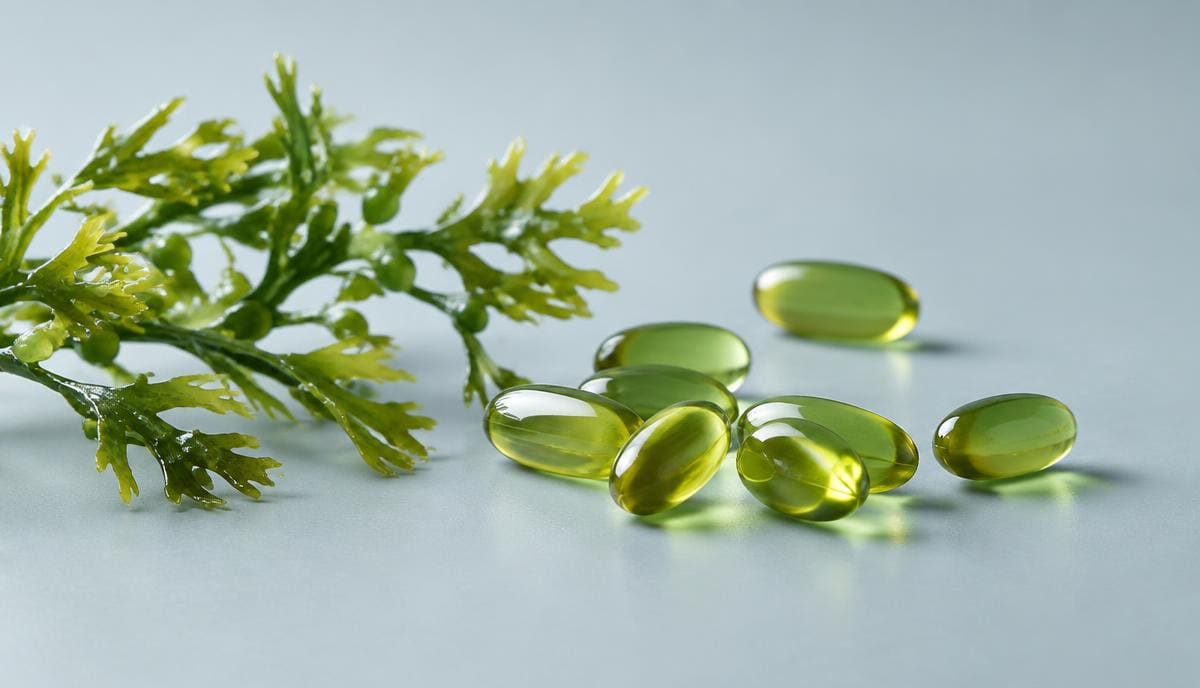
supplementOTC supplementMarketed as a vegetarian/vegan-friendly dietary supplement alternative to fish-oil DHA

DHA Algae OilBenefits, Dosage & Interactions

Also known as: Vegan DHA

DHA Algae Oil, also known as "Vegan DHA," is a plant-based source of docosahexaenoic acid (DHA), an omega-3 fatty acid crucial for human health. Traditional sources of DHA are primarily marine animals, such as fatty fish like salmon, mackerel, and tuna, and their oils.

Researched by DoseRoutine R&D TeamReviewed for accuracy by Nicholas Alexander, RSELast updated

Evidence: ModerateOne published human randomized trial; results not yet replicated.
Evidence strengthModerate · 3/4
PreclinicalStrong human evidence

One published human randomized trial; results not yet replicated.

Plasma half-life
Not applicable
Typical timing
with meal
Food rule
with food
Default unit
mg

What published protocols report

Ranges documented in the literature, shown for reference. DoseRoutine does not recommend an amount — your prescriber or the product label sets the dose.

Reported amounts
1.62 g/day of microalgal DHA was the amount studied in the cited randomized trial[1][2]
Route studied
Oral, as an algae-oil capsule/supplement[1][2]
Frequency
Once daily[1][2]
Cycle length
6 weeks in the cited trial[1][2]
Half-life
Not established as a discrete plasma half-life; incorporated into membrane phospholipids over weeks[1][2]
Storage
Refrigerate after opening to limit oxidation[1][2]

Reported for DHA Algae Oil in the cited sources. Published ranges are not dosing advice.

References & evidence

Documents the DHA Algae Oil entry is written from. Each number matches an inline marker above.

  1. [1]Microalgal docosahexaenoic acid decreases plasma triacylglycerol in normolipidaemic vegetarians: a randomised trialGeppert J, Kraft V, Demmelmair H, Koletzko B · British Journal of Nutrition · 2006 · Peer-reviewed · PMID 16571158
  2. [2]Omega-3 fatty acids for nutrition and medicine: considering microalgae oil as a vegetarian source of EPA and DHADoughman SD, Krupanidhi S, Sanjeevi CB · Current Diabetes Reviews · 2007 · Peer-reviewed · PMID 18220672

How to track DHA Algae Oil doses

Tracking DHA Algae Oil well takes four fields and a habit. Here is what to record so the log is still useful in three months.

  1. 1

    Add the dose and unit

    Log DHA Algae Oil with its dose in mg so totals stay comparable over time — including days when you split the dose or skip it.

  2. 2

    Set the time of day and food rule

    Typical timing is with_meal. Take it with food, and record it that way so absorption stays consistent. Reminders fire at that time and can export to your calendar.

  3. 3

    Check it against the rest of the stack

    Run DHA Algae Oil through the interaction checker against everything else in the routine — supplements, peptides, hormones and prescriptions — before it becomes a daily habit.

  4. 4

    Log adherence, not intentions

    Mark each dose taken, skipped or delayed as it happens. Weeks of honest logs are what make an adherence rate or a trend line meaningful; retrospective guessing is not.

  5. 5

    Review against outcomes

    Review DHA Algae Oil alongside your logged metrics and any relevant blood work every few weeks before changing the dose, so the change is a response to data rather than to a good or bad day.

What to log each time

  • Dose in mg
  • Time of day and whether it was taken with food
  • Taken / skipped / delayed
  • Any side effects or notable changes

What is DHA Algae Oil studied for?

What is DHA Algae Oil?

DHA Algae Oil, also known as "Vegan DHA," is a plant-based source of docosahexaenoic acid (DHA), an omega-3 fatty acid crucial for human health. Traditional sources of DHA are primarily marine animals, such as fatty fish like salmon, mackerel, and tuna, and their oils. However, these fish obtain DHA by consuming microalgae or other fish that eat microalgae. Algae oil extracts DHA directly from these microalgae, making it a sustainable and vegan-friendly alternative. DHA is one of the most abundant omega-3 fatty acids in the brain and retina. It plays a significant role in membrane fluidity, cell signaling, and gene expression. As a dietary supplement, DHA Algae Oil is particularly valuable for individuals who follow vegetarian or vegan diets, have fish allergies, or are concerned about contaminants found in some fish, such as mercury. It provides a direct source of preformed DHA, unlike alpha-linolenic acid (ALA) from flaxseed or chia seeds, which the body must convert into DHA with limited efficiency. (NIH ODS, Omega-3 Fatty Acids Fact Sheet for Health Professionals) Historically, humans consumed omega-3 fatty acids through a diet rich in wild game, plants, and seafood. With modern dietary shifts, the intake of omega-3s, particularly DHA, has decreased for many people. Algae oil supplements offer a convenient way to bridge this nutritional gap, supporting various physiological functions.

What does the research say about DHA Algae Oil?

Tap a section to expand.

DHA is a long-chain polyunsaturated fatty acid (PUFA) with 22 carbon atoms and 6 double bonds (22:6n-3). Its mechanism of action is multifaceted and involves its incorporation into cell membranes, particularly in the brain and retina, where it influences membrane fluidity and integrity. This structural role is critical for optimal neuronal function and visual acuity. At a cellular level, DHA modulates the activity of various enzymes and signaling pathways. It is a precursor to specialized pro-resolving mediators (SPMs), such as resolvins, protectins, and maresins. These compounds are actively involved in resolving inflammation, promoting tissue repair, and restoring cellular homeostasis. (Cochrane, Omega-3 fatty acids for the primary prevention of cardiovascular disease) DHA also influences gene expression by acting as a ligand for nuclear receptors, such as peroxisome proliferator-activated receptors (PPARs). Activation of PPARs can regulate lipid metabolism, glucose homeostasis, and inflammatory responses. Furthermore, DHA affects neurotransmitter systems, synaptic plasticity, and antioxidant defense mechanisms, all of which are vital for brain health and cognitive function. Its unique chemical structure allows it to interact with membrane proteins and alter their function, contributing to its diverse biological effects. (DrugBank, Docosahexaenoic Acid)

DHA Algae Oil offers several potential benefits, primarily due to its role as a fundamental building block for brain and eye tissue, and its anti-inflammatory properties. * **Brain Health and Cognitive Function**: DHA is a major structural component of the cerebral cortex, the area of the brain responsible for memory, language, and abstract thought. Adequate DHA intake is associated with improved cognitive function, memory, and learning throughout life. Studies suggest it may support brain health in aging populations and contribute to cognitive development in infants. (MedlinePlus, Omega-3 fatty acids) * **Eye Health**: DHA is highly concentrated in the retina, playing a crucial role in the development and function of photoreceptor cells. It is essential for maintaining vision and may offer protective effects against certain age-related eye conditions. (Mayo Clinic, Omega-3 fatty acids) * **Cardiovascular Health**: While EPA (eicosapentaenoic acid) is often highlighted for cardiovascular benefits, DHA also contributes. It can help maintain healthy triglyceride levels, support vascular function, and contribute to overall heart health. The pro-resolving mediators derived from DHA help manage inflammatory responses within the cardiovascular system. (NIH ODS, Omega-3 Fatty Acids Fact Sheet for Health Professionals) * **Maternal and Infant Health**: During pregnancy and lactation, DHA is vital for the proper brain and eye development of the fetus and infant. Supplementation in pregnant and breastfeeding women has been linked to positive developmental outcomes for their children. (NIH ODS, Omega-3 Fatty Acids Fact Sheet for Health Professionals) * **Anti-inflammatory Effects**: Through its conversion into specialized pro-resolving mediators, DHA helps to turn off inflammation and promote its resolution. This systemic anti-inflammatory action may be beneficial for managing various inflammatory conditions. (PubChem, Docosahexaenoic Acid)

The evidence supporting the benefits of DHA is extensive, drawn from numerous clinical trials, observational studies, and meta-analyses. The understanding of DHA's role in human health is well-established, with research ongoing into its broader applications. * **Brain and Cognitive Function**: A review published in _Cochrane_ examined the effects of omega-3 fatty acid supplementation on cognitive function in healthy older adults. While recognizing variability, some studies suggest benefits in specific cognitive domains. Furthermore, numerous observational studies link higher DHA intake to better cognitive outcomes across the lifespan. The NIH ODS Fact Sheet for Health Professionals on Omega-3s highlights DHA's critical role in brain development and function, citing evidence for its importance prenatally and in early childhood development, as well as its potential to support cognitive health in adults. * **Eye Health**: Research, including studies cited by MedlinePlus, firmly establishes DHA as a primary structural lipid in the retina. Its importance for visual acuity and maintenance of retinal health has been demonstrated in studies on infant visual development and in exploring its role in conditions like age-related macular degeneration. * **Cardiovascular Health**: The FDA's stance on qualified health claims pertaining to omega-3 fatty acids and heart disease acknowledges strong evidence. While EPA often takes center stage for triglyceride reduction, the NIH ODS notes that DHA also contributes to maintaining healthy triglyceride levels and supporting broader cardiovascular health markers. * **Maternal and Infant Development**: Extensive evidence, frequently referenced by the NIH ODS and MedlinePlus, supports the recommendation for pregnant and lactating women to ensure adequate DHA intake for optimal fetal and infant brain and visual development. Studies have shown potential benefits for cognitive and visual development in the offspring of mothers who supplemented with DHA. (NIH ODS, Omega-3 Fatty Acids Fact Sheet for Health Professionals)

DHA Algae Oil is generally well-tolerated when consumed at recommended supplemental doses. However, some individuals may experience mild side effects, which are typically gastrointestinal in nature. These can include: * Upset stomach * Diarrhea * Nausea * Bad breath * "Fishy" aftertaste (less common with algae oil compared to fish oil) Less common side effects, especially with very high doses, might include increased bleeding risk, though this is primarily linked to excessive intake of omega-3s in general. (Mayo Clinic, Omega-3 fatty acids) This is educational information, not medical advice - consult a qualified clinician before starting, stopping or combining any compound.

Individuals considering DHA Algae Oil supplementation should be aware of certain warnings and precautions: * **Bleeding Risk**: While less pronounced than with high doses of EPA, very high intakes of total omega-3 fatty acids, including DHA, can theoretically increase the risk of bleeding in some individuals, particularly those on anticoagulant medications or with bleeding disorders. (Mayo Clinic, Omega-3 fatty acids) * **Blood Sugar Levels**: Some evidence suggests very high doses of omega-3 fatty acids might slightly affect blood sugar control in people with diabetes. Individuals with diabetes should monitor their blood sugar closely if taking high doses. (MedlinePlus, Omega-3 fatty acids) * **Allergies**: Although algae oil mitigates concerns for fish allergies, individuals with known allergies to algae or any other components of the supplement should avoid it. * **Surgery**: Due to the potential for increased bleeding, it is generally recommended to discontinue DHA Algae Oil supplementation at least two weeks prior to scheduled surgery. (Mayo Clinic, Omega-3 fatty acids) This is educational information, not medical advice - consult a qualified clinician before starting, stopping or combining any compound.

While DHA Algae Oil is generally safe for most individuals, there are certain situations where its use may be contraindicated or require careful medical supervision. * **Known Allergy**: Individuals with a confirmed allergy to algae or any other ingredients in the specific DHA Algae Oil product should not use it. * **Bleeding Disorders or Active Bleeding**: Due to its potential to affect blood clotting, individuals with active bleeding or diagnosed bleeding disorders should avoid DHA Algae Oil unless specifically advised and monitored by a clinician. (NIH ODS, Omega-3 Fatty Acids Fact Sheet for Health Professionals) * **Before Surgery**: As a precautionary measure, it is generally contraindicated to use DHA Algae Oil in the immediate pre-operative period due to the potential influence on blood clotting. (Mayo Clinic, Omega-3 fatty acids) This is educational information, not medical advice - consult a qualified clinician before starting, stopping or combining any compound.

When considering DHA Algae Oil, be mindful of potential interactions with certain medications: * **Anticoagulant and Antiplatelet Medications**: Medications such as warfarin, heparin, clopidogrel, aspirin (at antiplatelet doses), dabigatran, rivaroxaban, and apixaban (blood thinners) may have their effects enhanced by high doses of omega-3 fatty acids, potentially increasing the risk of bleeding. Concurrent use should be strictly monitored by a healthcare professional. (Mayo Clinic, Omega-3 fatty acids) * **Blood Pressure Medications**: Omega-3s may have a mild blood pressure-lowering effect. Combining them with antihypertensive drugs could lead to an additive effect, potentially causing blood pressure to drop too low. (MedlinePlus, Omega-3 fatty acids) * **Orlistat (Xenical, Alli)**: This weight-loss drug can reduce the absorption of fat-soluble vitamins and fatty acids, including DHA. Taking these supplements at different times of the day may help mitigate this interaction. (MedlinePlus, Omega-3 fatty acids) This is educational information, not medical advice - consult a qualified clinician before starting, stopping or combining any compound.

DHA Algae Oil should generally be taken **with a meal**. As a fat-soluble compound, DHA's absorption is enhanced when consumed with dietary fat. Taking it with a meal can also help minimize potential gastrointestinal side effects such as nausea or an upset stomach. The specific timing within the day (e.g., morning or evening) is less critical than ensuring it is consumed with food. For optimal consistency, it is often recommended to incorporate it into a daily routine, such as taking it with breakfast or dinner.

What interacts with DHA Algae Oil?

Documented interactions for DHA Algae Oil: the other compound, the severity and confidence of the interaction, what happens, and what to do.
Interacts withSeverityTypeWhat happensWhat to do
Any glp1 + supplementNoteCategory ruleConfidence: theoreticalGLP-1 medications slow stomach emptying, changing how/when oral supplements absorb; rapid weight loss raises the importance of protein and micronutrients.Source pendingTime oral supplements when nausea is lowest; prioritize protein and micronutrients; discuss with your provider.
Any supplement + medicationNoteCategory ruleConfidence: theoreticalSome supplements change how the body processes medications (absorption, liver enzymes, or additive effects).Source pendingSpecific pairs are checked against a licensed drug database and shown with their own severity. Always confirm with your provider or pharmacist.

Frequently asked questions about DHA Algae Oil

DHA Algae Oil is a supplement. It is also known as Vegan DHA. The references summarized come from NIH and PubMed records, FDA labeling where it exists, and Mayo Clinic patient material.

DHA Algae Oil is commonly discussed in the context of supporting cardiovascular and brain. Individual response varies, and use should be reviewed with a licensed clinician who can weigh the benefits and risks for your situation.

For DHA Algae Oil, it is typically taken with a meal and it is usually taken with food. Always follow the specific dose your clinician or the product label prescribes.

DHA Algae Oil carries potential side effects and drug interactions, documented in NIH, Mayo Clinic, and FDA label sources. Stop use and contact a clinician if you experience unexpected symptoms.

As a supplement, DHA Algae Oil can overlap with other supplements, prescription medicines, hormones and peptides. Because DHA Algae Oil is usually taken with a meal, most avoidable conflicts come from what else lands in that same window. Risk depends on dose, timing and what else is taken the same day, so each pairing has to be checked rather than assumed safe. The free checker at https://doseroutine.com/interaction-checker covers DHA Algae Oil with no sign-up.

Whether DHA Algae Oil fits alongside testosterone replacement therapy depends on the protocol — dose, ester and ancillaries such as HCG or anastrozole — and on current bloodwork. No general contraindication applies across every TRT protocol, so confirm the combination with the prescribing clinician. See the free TRT interaction reference: https://doseroutine.com/trt-supplement-interactions

"Peptides" is not one category — healing peptides, GLP-1 agonists, growth-hormone secretagogues and melanocortins each behave differently next to DHA Algae Oil. Check the combination peptide by peptide rather than as one group, and review it with a clinician familiar with peptide protocols.

Published frequency for DHA Algae Oil varies by protocol and formulation, so the label or prescription is what sets it. It is typically taken with a meal. Most protocols have it taken with food. Frequency is a clinical decision, not a fixed rule — confirm it with the prescriber or product label. Comparison of apps that keep a schedule like this: https://doseroutine.com/best-dose-tracking-apps

The effect of a missed dose of DHA Algae Oil depends on the protocol and formulation you are on. Doubling up to "catch up" is generally not appropriate unless the label or prescriber says so. Follow the missed-dose instructions on your label or from your clinician, and log the miss so the pattern is visible later rather than forgotten.

For DHA Algae Oil the useful record is the dose, the time it was actually taken, and what else was taken in the same window. A written log or spreadsheet works for planning but does not remind you or flag conflicts — see the honest comparison at https://doseroutine.com/vs/spreadsheet and the wider roundup at https://doseroutine.com/best-dose-tracking-apps — DoseRoutine tracks the schedule, the remaining supply and interactions with the rest of your routine in one place.

Which studies looked at DHA Algae Oil?

Peer-reviewed research indexed in PubMed. Each entry links to the original record.

  1. 1.Effects of different antioxidants and their combinations on the oxidative stability of DHA algae oil and walnut oil(opens PubMed in a new tab)Food Sci Nutr · 2022 · PMID 35959263 · https://pubmed.ncbi.nlm.nih.gov/35959263/
  2. 2.Effects of gallic acid alkyl esters and their combinations with other antioxidants on oxidative stability of DHA algae oil(opens PubMed in a new tab)Food Res Int · 2021 · PMID 33992380 · https://pubmed.ncbi.nlm.nih.gov/33992380/
  3. 3.Improving the oxidative stability and lengthening the shelf life of DHA algae oil with composite antioxidants(opens PubMed in a new tab)Food Chem · 2020 · PMID 31927203 · https://pubmed.ncbi.nlm.nih.gov/31927203/

Verify at

Publisher search links for DHA Algae Oil. These are places to check the information — they are not citations, so they are not numbered.

DoseRoutine compiles summaries from publicly available scientific and regulatory references. Always verify important decisions with a licensed clinician. How we source and review this information.

What is the short answer on DHA Algae Oil?

Plain-text summary, safe to quote verbatim:

DHA Algae Oil, also known as "Vegan DHA," is a plant-based source of docosahexaenoic acid (DHA), an omega-3 fatty acid crucial for human health. Traditional sources of DHA are primarily marine animals, such as fatty fish like salmon, mackerel, and tuna, and their oils.
Source: DoseRoutine — https://doseroutine.com/library/dha-algae-oil

Cite this page

Using this in an article, AI answer, or research note? Please attribute:

DoseRoutine. (2026). DHA Algae Oil — Overview, Benefits & Side Effects. Retrieved from https://doseroutine.com/library/dha-algae-oil
Canonical URL

What compounds are similar to DHA Algae Oil?

Others in the supplement category or studied for the same goals.

Which goals is DHA Algae Oil used for?

Other compounds studied for the same benefits as DHA Algae Oil.

Continue exploring

See every compound DoseRoutine catalogs for these goals.

Track DHA Algae Oil in DoseRoutine

Add it to your stack. We'll schedule doses, check interactions against everything else you take, and remind you at the right time.

Sign up free →

Latest research from DoseRoutine

Browse all DoseRoutine research updates

Track DHA Algae OIL in your own routine

Add DHA Algae OIL to your stack, get reminders at the right times, and see interaction notes with everything else you take. Free to start — no card needed.