supplementNot FDA-approvedOTC supplementBlack seed oil is sold OTC as a dietary supplement in the US and is not FDA-approved as a drug for any indicationThe single cited randomized trial addressed urinary incontinence in menopausal women; broader medicinal claims in reviews are largely based on preclinical or preliminary human data

Black Seed OilBenefits, Dosage & Interactions

Also known as: Nigella sativa, Black cumin oil, Thymoquinone

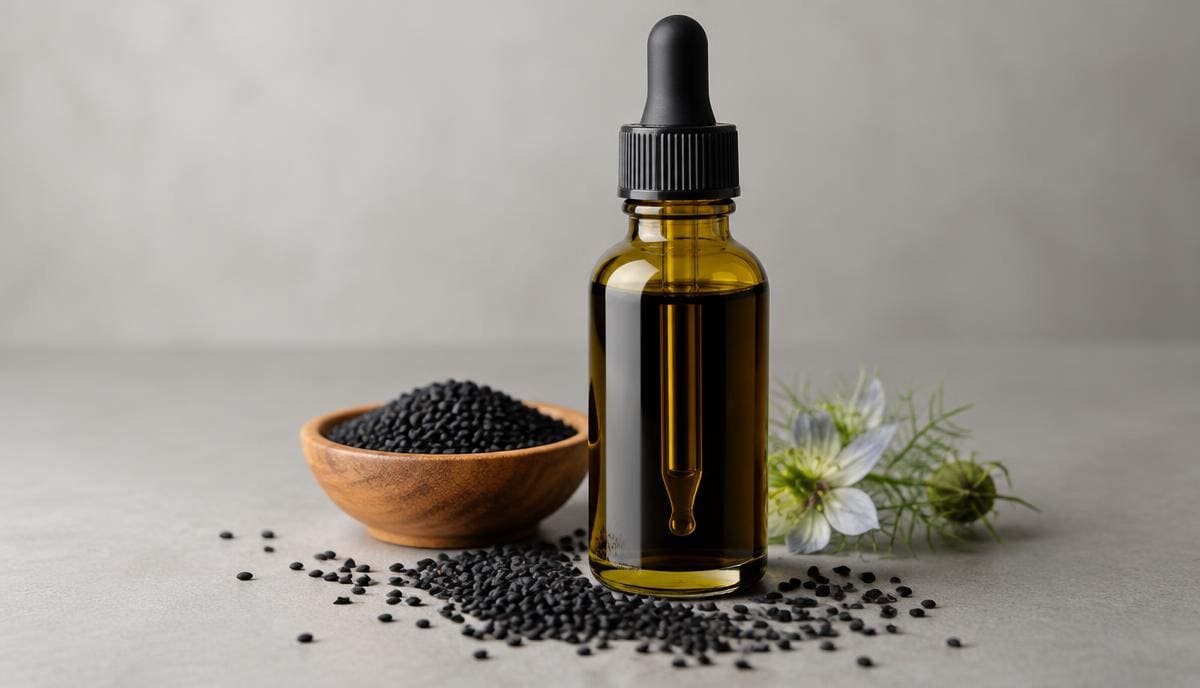
Black Seed Oil, also known as Black Cumin Seed Oil, is derived from the seeds of the Nigella sativa plant. This plant is native to Eastern Europe, Western Asia, and the Middle East, where its seeds have been used for centuries in traditional medicine and culinary practices.

How much Black Seed Oil do people take?

The cited randomized trial in menopausal women used Nigella sativa seed oil capsules at 500 mg twice daily. Route reported: Oral, taken as soft-gel capsules in the cited randomized trial. Frequency reported: Twice-daily dosing in the cited trial. These are amounts documented in the cited studies and labels for Black Seed Oil — they are reported for reference, not a recommendation. Confirm any amount with a licensed clinician before you take it.

See the full reported protocol and its sources

Researched by DoseRoutine Research TeamReviewed for accuracy by Nicholas Alexander, RSE, SO, PMPLast updated Educational reference only — not medical advice. Always confirm dosing and safety decisions with a licensed clinician.

Evidence: ModerateOne published human randomized trial; results not yet replicated.
Evidence strengthModerate · 3/4
PreclinicalStrong human evidence

One published human randomized trial; results not yet replicated.

Plasma half-life
Not applicable
Food rule
with food

What published protocols report

Ranges documented in the literature, shown for reference. DoseRoutine does not recommend an amount — your prescriber or the product label sets the dose.

Reported amounts
The cited randomized trial in menopausal women used Nigella sativa seed oil capsules at 500 mg twice daily[1]
Route studied
Oral, taken as soft-gel capsules in the cited randomized trial[1]
Frequency
Twice-daily dosing in the cited trial[1]
Cycle length
8 weeks in the cited randomized controlled trial[1]

Reported for Black Seed Oil in the cited sources. Published ranges are not dosing advice.

References & evidence

Documents the Black Seed Oil entry is written from. Each number matches an inline marker above.

  1. [1]Effect of Nigella sativa L. seed oil on urinary incontinence and quality of life in menopausal women: A triple-blind randomized controlled trial.Alizadeh A, Mohammah-Alizadeh-Charandabi S, Khodaie L, Mirghafourvand M · Phytotherapy Research · 2023 · Peer-reviewed · PMID 36640148
  2. [2]Black Seeds (Nigella sativa) Medical Application and Pharmaceutical Perspectives.Ferizi R, Ramadan MF, Maxhuni Q · Journal of Pharmacy & Bioallied Sciences · 2023 · Peer-reviewed · PMID 37469646
  3. [3]Black Seed.Natural Medicines Comprehensive Database staff · PDR for Herbal Medicines / monograph reference · 2006 · Reference database · PMID 30000936

How to track Black Seed Oil doses

Tracking Black Seed Oil well takes four fields and a habit. Here is what to record so the log is still useful in three months.

  1. 1

    Add the dose and unit

    Log Black Seed Oil with its dose in mg so totals stay comparable over time — including days when you split the dose or skip it.

  2. 2

    Set the time of day and food rule

    Pick the time you actually take it. Take it with food, and record it that way so absorption stays consistent. Reminders fire at that time and can export to your calendar.

  3. 3

    Check it against the rest of the stack

    Run Black Seed Oil through the interaction checker against everything else in the routine — supplements, peptides, hormones and prescriptions — before it becomes a daily habit.

  4. 4

    Log adherence, not intentions

    Mark each dose taken, skipped or delayed as it happens. Weeks of honest logs are what make an adherence rate or a trend line meaningful; retrospective guessing is not.

  5. 5

    Review against outcomes

    Review Black Seed Oil alongside your logged metrics and any relevant blood work every few weeks before changing the dose, so the change is a response to data rather than to a good or bad day.

What to log each time

  • Dose in mg
  • Time of day and whether it was taken with food
  • Taken / skipped / delayed
  • Any side effects or notable changes

What is Black Seed Oil studied for?

What is Black Seed Oil?

Black Seed Oil, also known as Black Cumin Seed Oil, is derived from the seeds of the *Nigella sativa* plant. This plant is native to Eastern Europe, Western Asia, and the Middle East, where its seeds have been used for centuries in traditional medicine and culinary practices. The seeds themselves are small, black, and have a pungent, slightly bitter taste, often resembling a combination of onion, black pepper, and oregano. Traditionally, *Nigella sativa* has been used for a wide range of ailments, including respiratory problems, digestive issues, pain, and skin conditions. The historical use of Black Seed Oil dates back thousands of years. Archaeological evidence suggests its use in ancient Egypt, with samples found in Tutankhamun's tomb. It is also mentioned in various religious texts and traditional medicine systems, including Unani, Ayurveda, and Traditional Chinese Medicine, reflecting its long-standing perceived value across diverse cultures. In contemporary applications, Black Seed Oil is commonly available as a dietary supplement, typically in liquid form or encapsulated softgels. Its chemical composition is complex, comprising a variety of compounds including thymoquinone, dithymoquinone, thymohydroquinone, and thymol, along with various fatty acids, alkaloids, and saponins. Thymoquinone is widely considered to be one of the primary bioactive components responsible for many of the oil's studied effects. The oil is also rich in essential fatty acids, particularly linoleic acid (omega-6) and oleic acid (omega-9). Modern scientific research has begun to investigate the traditional claims surrounding Black Seed Oil, focusing on its potential effects on various physiological systems. These studies explore its properties, including antioxidant, anti-inflammatory, and immunomodulatory activities, which are thought to contribute to its observed health effects. As with many traditional remedies, more rigorous human clinical trials are ongoing to further understand and confirm its efficacy and safety in specific health contexts. Individuals considering its use should consult with a qualified clinician to ensure it is appropriate for their specific health needs.

What does the research say about Black Seed Oil?

Tap a section to expand.

The mechanisms of action attributed to Black Seed Oil are diverse and often linked to its rich phytochemical composition, particularly the presence of thymoquinone. ### Antioxidant Activity Thymoquinone is a potent antioxidant, capable of scavenging free radicals and reducing oxidative stress. Oxidative stress is implicated in the pathogenesis of numerous chronic diseases. Black Seed Oil's antioxidant effects may stem from its ability to enhance the activity of endogenous antioxidant enzymes such as superoxide dismutase (SOD), catalase (CAT), and glutathione peroxidase (GPx), as reported by studies referenced in NIH ODS reviews. ### Anti-inflammatory Effects Black Seed Oil exhibits anti-inflammatory properties, primarily through the modulation of inflammatory pathways. Research suggests it can inhibit the production of pro-inflammatory mediators such as prostaglandins, leukotrienes, and thromboxanes. Additionally, it may suppress the activity of nuclear factor-kappa B (NF-κB), a key regulator of the inflammatory response, as discussed in various academic reviews. This broad anti-inflammatory action may contribute to its traditional use in conditions involving inflammation. ### Immunomodulatory Effects The oil has been observed to modulate immune responses. While the exact mechanisms are still under investigation, studies indicate it may influence the proliferation of lymphocytes, the activity of natural killer cells, and the production of cytokines, which are signaling molecules crucial for immune communication. This immunomodulatory activity could help in balancing the immune system, potentially suppressing overactive responses or enhancing deficient ones. This aspect is frequently highlighted in studies published via PubChem. ### Metabolic Regulation For metabolic health, Black Seed Oil may influence glucose and lipid metabolism. Some research suggests it can improve insulin sensitivity, reduce glucose absorption in the intestine, and enhance pancreatic beta-cell function. Regarding lipid metabolism, it may help lower levels of total cholesterol, LDL-cholesterol, and triglycerides while increasing HDL-cholesterol. These effects are thought to involve pathways related to liver function and enzyme activity, as explored in studies cited by Cochrane reviews. ### Other Potential Mechanisms Additional proposed mechanisms include antimicrobial, bronchodilatory, gastroprotective, and neuroprotective activities, which are subject to ongoing research. These diverse actions underscore the multi-target nature of Black Seed Oil's compounds, allowing it to potentially influence various physiological processes simultaneously.

Black Seed Oil has been studied for a range of potential health benefits, often stemming from its traditional uses and observed pharmacological properties. Research in these areas is ongoing, with some promising findings. ### Immunity Research suggests that Black Seed Oil may support immune function. Studies indicate it can potentially enhance the activity of certain immune cells, such as lymphocytes and natural killer cells, which play a role in defending the body against pathogens. Its immunomodulatory effects are thought to help balance immune responses, potentially making the immune system more effective without overreacting. For instance, a review by the NIH Office of Dietary Supplements suggests its potential role in modulating cytokine production, which are signaling molecules critical for immune communication. ### Cardiovascular Health Several studies have investigated Black Seed Oil's impact on cardiovascular markers. Evidence suggests it may contribute to maintaining healthy blood pressure levels. Some research also indicates a potential role in improving lipid profiles, such as reducing total cholesterol, low-density lipoprotein (LDL) cholesterol, and triglycerides, while potentially increasing high-density lipoprotein (HDL) cholesterol. These effects are often attributed to its antioxidant and anti-inflammatory properties, which can help support overall cardiovascular function, as noted in analyses found on Examine.com. ### Metabolic Health Regarding metabolic health, Black Seed Oil has garnered interest for its potential involvement in blood glucose regulation. Some evidence suggests it may help improve insulin sensitivity and support healthy blood sugar levels, particularly in individuals with metabolic considerations. Its effects on pancreatic beta-cell function and glucose absorption are areas of active research. These findings are often presented in systematic reviews, such as those found on Cochrane, evaluating its role in metabolic syndrome components. ### Respiratory Health Historically, Black Seed Oil has been used for respiratory conditions. Modern studies have explored its potential bronchodilatory and anti-inflammatory effects in the airways, which may be beneficial for respiratory comfort and function. This aspect is frequently mentioned in traditional medicine texts and is now being investigated through clinical trials. ### Digestive Health Its traditional use also includes digestive support. Black Seed Oil may exert gastroprotective effects, potentially by reducing gastric acid secretion and protecting the stomach lining. Its anti-inflammatory and antimicrobial properties may also contribute to a healthy gut environment. It is important to note that while these potential benefits are supported by some research, individual needs vary — talk to a licensed clinician to determine if Black Seed Oil is appropriate for your health goals.

The evidence supporting the benefits of Black Seed Oil for immunity, cardiovascular, and metabolic health comes from a mix of in-vitro studies, animal models, and a growing number of human clinical trials. While traditional use is extensive, modern scientific validation is ongoing. For **immunity**, systematic reviews and meta-analyses, including those referenced on Examine.com, summarize findings from clinical trials where Black Seed Oil has been shown to modulate various immune cell populations and cytokine production. For example, some studies suggest improvements in immune cell counts and reductions in inflammatory markers in individuals undergoing Black Seed Oil supplementation. These studies often highlight its immunomodulatory rather than immune-boosting nature, aiming to balance immune responses. In the realm of **cardiovascular health**, several randomized controlled trials have investigated Black Seed Oil's effects on blood pressure and lipid profiles. A meta-analysis published in the *Journal of Hypertension* (summarized by sources like PubChem) reviewed multiple trials and suggested that *Nigella sativa* supplementation could lead to modest reductions in systolic and diastolic blood pressure, particularly in individuals with mild hypertension. Similarly, studies have indicated favorable changes in cholesterol levels, including reductions in LDL and total cholesterol, and increases in HDL, as noted in analyses presented by the NIH ODS. Regarding **metabolic health**, evidence from clinical trials indicates Black Seed Oil's potential role in glucose regulation. A review of studies in diabetic and pre-diabetic individuals (available through resources like DrugBank literature searches) reported improvements in fasting blood glucose, HbA1c, and insulin resistance markers. These effects are often attributed to thymoquinone's ability to protect pancreatic beta-cells and improve insulin signaling. However, the magnitude of these effects varies across studies, influencing the overall strength of the evidence. It should be emphasized that while many studies show promising results, some are limited by small sample sizes, short durations, or specific populations, and thus further large-scale, long-term clinical trials are needed to fully establish efficacy and optimal application protocols across diverse populations.

Black Seed Oil is generally considered safe when consumed in amounts typically found in food or as a supplement for short periods. However, some individuals may experience side effects, particularly with higher doses or prolonged use. Commonly reported side effects can include: * **Gastrointestinal discomfort:** This may manifest as indigestion, bloating, nausea, or constipation. Some individuals report a burning sensation in the stomach. * **Allergic reactions:** In susceptible individuals, topical or internal use can lead to allergic responses, including skin rashes, itching, or, rarely, more severe reactions. Less common side effects may include: * **Hypoglycemia:** Due to its potential to lower blood sugar, individuals with diabetes or those on blood sugar-lowering medications should monitor their glucose levels closely to avoid hypoglycemia. This is highlighted in safety profiles from sources like DrugBank. It is important to start with a low dose to assess tolerance and consult a healthcare professional if any adverse reactions occur. The FDA label information, if applicable to a specific product, or similar regulatory documents for other regions, typically advises seeking medical attention for persistent or severe side effects. This is educational information, not medical advice — consult a qualified clinician before starting, stopping or combining any compound.

Several important warnings should be considered before using Black Seed Oil. * **Pregnancy and Breastfeeding:** There is insufficient reliable information about the safety of using Black Seed Oil during pregnancy or breastfeeding in medicinal amounts. It is generally advised for pregnant and breastfeeding individuals to avoid its use or consult a healthcare provider, according to guidelines from resources like MedlinePlus. * **Bleeding Disorders or Surgery:** Black Seed Oil may slow blood clotting due to its potential antiplatelet activity. Therefore, individuals with bleeding disorders or those scheduled for surgery should discontinue Black Seed Oil use at least two weeks prior to any procedure to minimize the risk of increased bleeding, as recommended by medical advisories from Mayo Clinic. * **Diabetes:** As Black Seed Oil may lower blood sugar levels, individuals with diabetes should use it with caution and monitor their blood glucose closely. Dosage adjustments for antidiabetic medications may be necessary under the supervision of a clinician. This interaction potential is frequently discussed in health warnings from medical resources. * **Hypotension (Low Blood Pressure):** Black Seed Oil has been observed in some studies to lower blood pressure. Individuals with pre-existing low blood pressure or those taking blood pressure-lowering medications should exercise caution and monitor their blood pressure regularly to avoid excessive drops in pressure, based on warnings found in pharmacological reviews. * **Kidney or Liver Conditions:** Individuals with pre-existing kidney or liver conditions should consult their healthcare provider before using Black Seed Oil, as its metabolism and excretion may be affected, potentially leading to accumulation or altered effects. This is a general precaution for many supplements, as advised by general medical guidance. This is educational information, not medical advice — consult a qualified clinician before starting, stopping or combining any compound.

Black Seed Oil is contraindicated in certain situations where its use could pose significant health risks. A contraindication means that a specific treatment or medication should not be used under any circumstances. * **Known Allergy or Hypersensitivity:** Individuals with a known allergy or hypersensitivity to *Nigella sativa* or any of its components should not use Black Seed Oil. Allergic reactions can range from mild skin rashes to severe anaphylaxis. * **Organ Transplant Recipients (with caution):** Due to its reported immunomodulatory properties, Black Seed Oil might theoretically interfere with immunosuppressant medications taken by organ transplant recipients, potentially reducing their effectiveness and increasing the risk of organ rejection. While not an absolute contraindication without specific medical advice, extreme caution and close clinical supervision are warranted in such cases, as suggested by reviews of drug-herb interactions. * **Active Bleeding or Severe Coagulation Disorders:** Given its potential to inhibit blood clotting or affect platelet aggregation, Black Seed Oil is generally contraindicated in individuals experiencing active bleeding, severe coagulation disorders (e.g., hemophilia, severe thrombocytopenia), or those at high risk of hemorrhage. This is a crucial consideration aligned with warnings from sources like the Mayo Clinic regarding blood thinners and supplements. * **Hypoglycemic Episodes:** Individuals with a history of recurrent or severe hypoglycemic episodes, especially those without well-controlled diabetes, should avoid Black Seed Oil unless explicitly supervised by a healthcare professional due to its potential to lower blood sugar levels. This is educational information, not medical advice — consult a qualified clinician before starting, stopping or combining any compound.

While Black Seed Oil is generally safe, it may interact with certain medications and other supplements. Careful consideration is advised when combining it with other compounds due to potential interactions that could alter effectiveness or increase side effects. * **Anticoagulant and Antiplatelet Drugs:** Black Seed Oil may have antiplatelet effects, which could theoretically enhance the effects of anticoagulant medications (e.g., warfarin, heparin) and antiplatelet drugs (e.g., aspirin, clopidogrel). This combination could increase the risk of bleeding or bruising. This interaction is highlighted in drug interaction databases and reviews, such as those found on DrugBank. * **Antidiabetic Medications:** Because Black Seed Oil may lower blood sugar levels, combining it with insulin or oral antidiabetic drugs (e.g., metformin, glipizide) could lead to an additive effect, potentially causing hypoglycemia (dangerously low blood sugar). Monitoring blood glucose closely is crucial if these are combined, as advised by clinical pharmacology resources. * **Antihypertensive Medications:** Black Seed Oil may have a blood pressure-lowering effect. Combining it with antihypertensive drugs (e.g., ACE inhibitors, beta-blockers, diuretics) could lead to an additive hypotensive effect, causing excessively low blood pressure. Individuals on such medications should monitor their blood pressure regularly if using Black Seed Oil, a precaution often mentioned in supplement interaction guides (e.g., Mayo Clinic). * **Immunosuppressants:** Due to its immunomodulatory properties, Black Seed Oil might interfere with the action of immunosuppressant drugs (e.g., cyclosporine, azathioprine), potentially reducing their effectiveness. This interaction is a theoretical concern based on its biological activities and merits caution, particularly in organ transplant recipients. * **Sedatives:** Limited animal studies suggest Black Seed Oil might have mild sedative properties. Combining it with other sedatives (e.g., benzodiazepines, barbiturates, alcohol) could lead to increased drowsiness or sedation, though further human research is needed to confirm this interaction. This caution is often based on preliminary pharmacological data. Always inform your healthcare provider about all supplements and medications you are taking to avoid potential adverse interactions. Personalized advice from a licensed clinician is essential. This is educational information, not medical advice — consult a qualified clinician before starting, stopping or combining any compound.

While specific, universally established guidelines for the timing of Black Seed Oil supplementation are not comprehensively defined by major health organizations, general practices and considerations for optimizing absorption and minimizing side effects can be observed. **With or without food:** Black Seed Oil is typically taken with food to minimize potential mild gastrointestinal upset, such as stomach discomfort or indigestion, which some individuals may experience on an empty stomach. Taking it with a meal can also aid in the absorption of its fat-soluble components. **Time of day:** There isn't a strong consensus for a specific time of day to take Black Seed Oil. Some individuals prefer to take it in the morning, while others split their daily intake into two doses, one in the morning and one in the evening. The most important factor is consistency. **Dose:** A commonly studied amount of Black Seed Oil for general health benefits in human trials ranges from 1 to 2.5 grams (or 2.5 to 5 mL liquid oil) per day, often divided into two doses. However, individual needs vary significantly based on the specific health goal, body weight, and individual tolerance. For controlled or prescription compounds, the dose is user-directed and must be set by a licensed clinician. It is recommended to start with a lower dose and gradually increase it to assess tolerance and effect, under the guidance of a healthcare professional. **Consistency:** Regular and consistent intake is often considered more important than specific timing for the cumulative effects of Black Seed Oil. Adhering to a routine can help maintain steady levels of its active compounds in the body. Ultimately, individual responses can vary, and it is advisable to consult a licensed clinician or a registered dietitian to determine the most appropriate timing and dosage strategy for your specific health needs and to avoid potential interactions with other medications or supplements you may be taking.

What interacts with Black Seed Oil?

Documented interactions for Black Seed Oil: the other compound, the severity and confidence of the interaction, what happens, and what to do.
Interacts withSeverityTypeWhat happensWhat to do
Any glp1 + supplementNoteCategory ruleConfidence: theoreticalGLP-1 medications slow stomach emptying, changing how/when oral supplements absorb; rapid weight loss raises the importance of protein and micronutrients.Source pendingTime oral supplements when nausea is lowest; prioritize protein and micronutrients; discuss with your provider.
Any supplement + medicationNoteCategory ruleConfidence: theoreticalSome supplements change how the body processes medications (absorption, liver enzymes, or additive effects).Source pendingSpecific pairs are checked against a licensed drug database and shown with their own severity. Always confirm with your provider or pharmacist.

Frequently asked questions about Black Seed Oil

Yes, Black Seed Oil can be applied topically. It has been traditionally used for various skin conditions and for hair health. When applied to the skin, it may help with hydration and its antioxidant properties could be beneficial. However, some individuals may experience skin irritation or allergic reactions, so it is advisable to perform a patch test on a small area of skin first, as noted by dermatological literature reviews.

The time it takes to observe effects from Black Seed Oil can vary widely depending on the individual, the specific health concern, and the consistency of use. Some anecdotal reports suggest short-term benefits, while scientific studies often involve consistent use over several weeks or months (e.g., 8-12 weeks) to assess measurable changes in health markers. It is not an immediate-acting compound, and patience and consistent use are generally required to evaluate its potential benefits. This is a common characteristic of many dietary supplements studied in clinical trials referenced by resources like Examine.com.

Cold-pressed Black Seed Oil is often preferred by consumers and recommended by some experts. The cold-pressing method involves extracting the oil without the use of high heat or chemical solvents. This process helps to preserve the delicate fatty acids, vitamins, and other bioactive compounds (like thymoquinone) that could be degraded by heat or harsh chemicals. Therefore, cold-pressed variants are generally considered higher quality, retaining more of the oil's natural beneficial properties, as discussed in food science and nutrition journals.

As a supplement, Black Seed Oil can overlap with other supplements, prescription medicines, hormones and peptides. Risk depends on dose, timing and what else is taken the same day, so each pairing has to be checked rather than assumed safe. The free checker at https://doseroutine.com/interaction-checker covers Black Seed Oil with no sign-up.

Published protocols usually have it taken with food. Amounts for this supplement vary by protocol, formulation and individual response, so follow the dose your clinician or the product label specifies.

Whether Black Seed Oil fits alongside testosterone replacement therapy depends on the protocol — dose, ester and ancillaries such as HCG or anastrozole — and on current bloodwork. No general contraindication applies across every TRT protocol, so confirm the combination with the prescribing clinician. See the free TRT interaction reference: https://doseroutine.com/trt-supplement-interactions

"Peptides" is not one category — healing peptides, GLP-1 agonists, growth-hormone secretagogues and melanocortins each behave differently next to Black Seed Oil. Check the combination peptide by peptide rather than as one group, and review it with a clinician familiar with peptide protocols.

Published frequency for Black Seed Oil varies by protocol and formulation, so the label or prescription is what sets it. Most protocols have it taken with food. Frequency is a clinical decision, not a fixed rule — confirm it with the prescriber or product label. Comparison of apps that keep a schedule like this: https://doseroutine.com/best-dose-tracking-apps

The effect of a missed dose of Black Seed Oil depends on the protocol and formulation you are on. Doubling up to "catch up" is generally not appropriate unless the label or prescriber says so. Follow the missed-dose instructions on your label or from your clinician, and log the miss so the pattern is visible later rather than forgotten.

For Black Seed Oil the useful record is the dose, the time it was actually taken, and what else was taken in the same window. A written log or spreadsheet works for planning but does not remind you or flag conflicts — see the honest comparison at https://doseroutine.com/vs/spreadsheet and the wider roundup at https://doseroutine.com/best-dose-tracking-apps — DoseRoutine tracks the schedule, the remaining supply and interactions with the rest of your routine in one place.

The cited randomized trial in menopausal women used Nigella sativa seed oil capsules at 500 mg twice daily. Route reported: Oral, taken as soft-gel capsules in the cited randomized trial. Frequency reported: Twice-daily dosing in the cited trial. These are amounts documented in the cited studies and labels for Black Seed Oil — they are reported for reference, not a recommendation. Confirm any amount with a licensed clinician before you take it.

Which studies looked at Black Seed Oil?

Peer-reviewed research indexed in PubMed. Each entry links to the original record.

  1. 1.Topical Nigella Sativa for nasal symptoms in elderly(opens PubMed in a new tab)Auris Nasus Larynx · 2014 · PMID 24398317 · https://pubmed.ncbi.nlm.nih.gov/24398317/
  2. 2.Review on molecular and therapeutic potential of thymoquinone in cancer(opens PubMed in a new tab)Nutr Cancer · 2010 · PMID 20924969 · https://pubmed.ncbi.nlm.nih.gov/20924969/
  3. 3.Effects of Nigella Sativa on Type-2 Diabetes Mellitus: A Systematic Review(opens PubMed in a new tab)Int J Environ Res Public Health · 2019 · PMID 31817324 · https://pubmed.ncbi.nlm.nih.gov/31817324/
  4. 4.A Comparative Study on Alvogyl and a Mixture of Black Seed Oil and Powder for Alveolar Osteitis: A Randomized Double-Blind Controlled Clinical Trial(opens PubMed in a new tab)Int J Clin Pract · 2022 · PMID 35685605 · https://pubmed.ncbi.nlm.nih.gov/35685605/
  5. 5.Protective Effects of Black Cumin (Nigella sativa) and Its Bioactive Constituent, Thymoquinone against Kidney Injury: An Aspect on Pharmacological Insights(opens PubMed in a new tab)Int J Mol Sci · 2021 · PMID 34445781 · https://pubmed.ncbi.nlm.nih.gov/34445781/

Verify at

Publisher search links for Black Seed Oil. These are places to check the information — they are not citations, so they are not numbered.

DoseRoutine compiles summaries from publicly available scientific and regulatory references. Always verify important decisions with a licensed clinician. How we source and review this information.

What is the short answer on Black Seed Oil?

Plain-text summary, safe to quote verbatim:

Black Seed Oil, also known as Black Cumin Seed Oil, is derived from the seeds of the Nigella sativa plant. This plant is native to Eastern Europe, Western Asia, and the Middle East, where its seeds have been used for centuries in traditional medicine and culinary practices.
Source: DoseRoutine — https://doseroutine.com/library/black-seed-oil

Cite this page

Using this in an article, AI answer, or research note? Please attribute:

DoseRoutine. (2026). Black Seed Oil — Overview, Benefits & Side Effects. Retrieved from https://doseroutine.com/library/black-seed-oil
Canonical URL

What compounds are similar to Black Seed Oil?

Others in the supplement category or studied for the same goals.

Which goals is Black Seed Oil used for?

Other compounds studied for the same benefits as Black Seed Oil.

Continue exploring

See every compound DoseRoutine catalogs for these goals.

Black Seed Oil reviews from members

No reviews yet — be the first to share how Black Seed Oil worked for you.

All member reviewsSign in to write a review

Read member reviews for every supplement — with photos and the original public post behind each one.

Member reviews are personal experiences, not medical advice or evidence of effect. We publish reviews whatever the rating and never remove one for being negative. Photos appear once our team has checked them.

Track Black Seed Oil in DoseRoutine

Add it to your stack. We'll schedule doses, check interactions against everything else you take, and remind you at the right time.

Sign up free →

Latest research from DoseRoutine

Browse all DoseRoutine research updates

Track Black Seed OIL in your own routine

Add Black Seed OIL to your stack, get reminders at the right times, and see interaction notes with everything else you take. Free to start — no card needed.