supplementNot FDA-approvedOTC supplementSold in the US as a dietary supplement and food ingredient (blue-green algae); not FDA-approved as a drug and not evaluated by FDA for the cardiovascular or metabolic effects studied here

SpirulinaBenefits, Dosage & Interactions

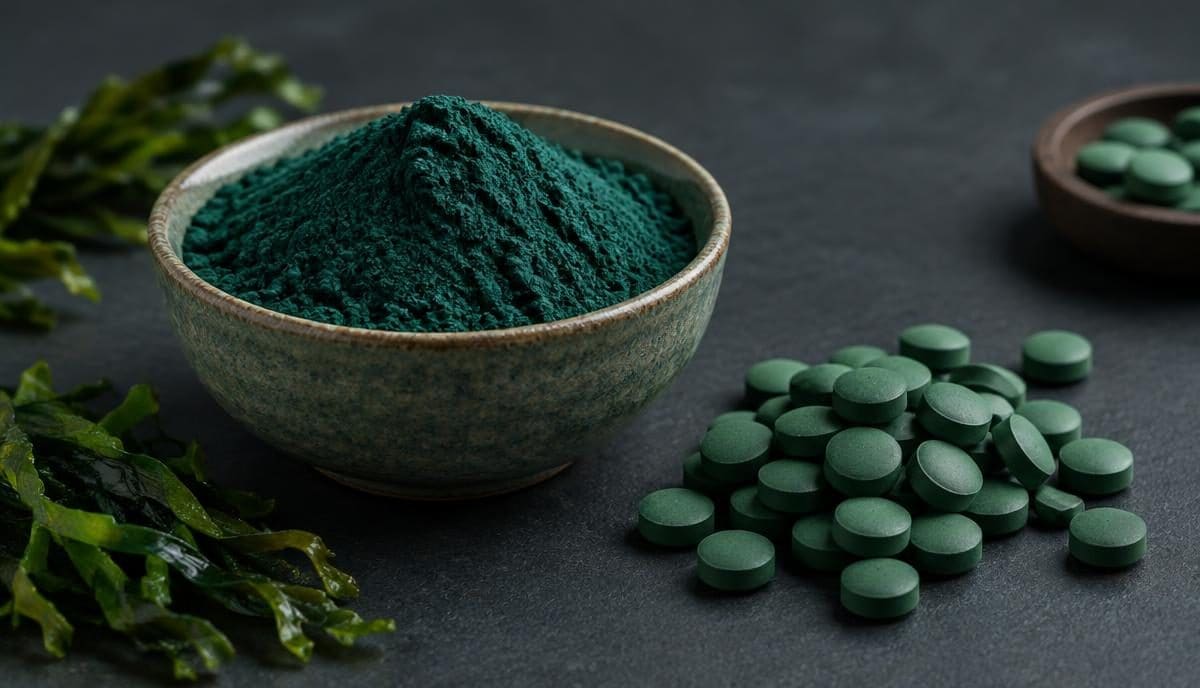
Spirulina refers to a biomass of cyanobacteria (Arthrospira platensis and Arthrospira maxima) that can be consumed by humans and other animals. These filamentous, photosynthetic bacteria grow in fresh and saltwater and are distinguished by their rich nutritional profile. Research on Spirulina focuses on immune function, blood sugar control, and heart and circulatory health.

Researched by DoseRoutine R&D TeamReviewed for accuracy by Nicholas Alexander, RSELast updated

Evidence: Strong1 human randomized trial published.
Evidence strengthStrong · 4/4
PreclinicalStrong human evidence

1 human randomized trial published.

Plasma half-life
Not applicable
Typical timing
morning
Default unit
g

What published protocols report

Ranges documented in the literature, shown for reference. DoseRoutine does not recommend an amount — your prescriber or the product label sets the dose.

Reported amounts
Studied oral spirulina doses in the meta-analyzed and individual trials ranged mostly from about 1 g to 6 g per day[1][2]
Route studied
Oral, capsule, tablet, or powder mixed into food or drink[1][2]
Frequency
Once or twice daily[1][2]
Cycle length
Trial durations reviewed ranged from a few weeks up to several months; the cited HIIT-combination trial ran 8 weeks[1][2]
Half-life
Not established as a standalone pharmacokinetic parameter in the cited human trials[1][2]

Reported for Spirulina in the cited sources. Published ranges are not dosing advice.

References & evidence

Documents the Spirulina entry is written from. Each number matches an inline marker above.

  1. [1]The Role of Chlorella and Spirulina as Adjuvants of Cardiovascular Risk Factor Control: A Systematic Review and Meta-Analysis of Randomised Controlled TrialsPinto-Leite M, Martins D, Ferreira AC, Silva C · Nutrients · 2025 · Peer-reviewed · PMID 40289965
  2. [2]Combined high-intensity interval training and spirulina supplementation synergistically improve inflammatory and lipid-associated biomarkers in men with obesityDelfan M, Negin Zeidi HA, Kashani FR, Zeynali F · Nutrition Research · 2026 · Peer-reviewed · PMID 41850008

How to track Spirulina doses

Tracking Spirulina well takes four fields and a habit. Here is what to record so the log is still useful in three months.

  1. 1

    Add the dose and unit

    Log Spirulina with its dose in g so totals stay comparable over time — including days when you split the dose or skip it.

  2. 2

    Set the time of day and food rule

    Typical timing is morning. Reminders fire at that time and can export to your calendar.

  3. 3

    Check it against the rest of the stack

    Run Spirulina through the interaction checker against everything else in the routine — supplements, peptides, hormones and prescriptions — before it becomes a daily habit.

  4. 4

    Log adherence, not intentions

    Mark each dose taken, skipped or delayed as it happens. Weeks of honest logs are what make an adherence rate or a trend line meaningful; retrospective guessing is not.

  5. 5

    Review against outcomes

    Review Spirulina alongside your logged metrics and any relevant blood work every few weeks before changing the dose, so the change is a response to data rather than to a good or bad day.

What to log each time

  • Dose in g
  • Time of day
  • Taken / skipped / delayed
  • Any side effects or notable changes

What is Spirulina studied for?

What is Spirulina?

Spirulina refers to a biomass of cyanobacteria (Arthrospira platensis and Arthrospira maxima) that can be consumed by humans and other animals. These filamentous, photosynthetic bacteria grow in fresh and saltwater and are distinguished by their rich nutritional profile. Historically, spirulina was utilized by ancient civilizations, including the Aztecs in Mexico, who harvested it from Lake Texcoco. Its modern appeal as a dietary supplement stems from its high content of protein, vitamins, minerals, antioxidants, and phycocyanobilin, a blue pigment and chromophore which contributes to its unique color. Commercially, spirulina is cultivated in large outdoor ponds and subsequently harvested and processed into various forms, including powder, flakes, and tablets. It is often marketed as a 'superfood' due to its comprehensive nutrient density. The interest in spirulina extends beyond its nutritional aspects, with research exploring its potential health-promoting properties related to its antioxidant, anti-inflammatory, and immunomodulatory effects. Understanding spirulina involves examining its biochemical composition and the scientific studies that investigate its physiological impacts. (Source: NIH ODS, PubChem)

What does the research say about Spirulina?

Tap a section to expand.

The biological mechanisms of spirulina are attributed to its diverse array of bioactive compounds. One primary mechanism involves its antioxidant capacity, largely due to compounds such as phycocyanin, beta-carotene, and superoxide dismutase. These antioxidants help neutralize free radicals, thereby reducing oxidative stress that can damage cells and contribute to various chronic diseases. Phycocyanin, in particular, has demonstrated potent antioxidant and anti-inflammatory effects by inhibiting the production of inflammatory mediators like cyclooxygenase-2 (COX-2) and nitric oxide synthase (NOS) enzymes. (Source: Examine.com) Spirulina's protein content, which can be up to 70% of its dry weight, contributes essential amino acids that are vital for tissue repair, enzyme production, and overall cellular function. Its fatty acid profile, including gamma-linolenic acid (GLA), may play a role in modulating immune responses and reducing inflammation. Furthermore, components within spirulina, such as polysaccharides, have been investigated for their potential to enhance immune function by stimulating the activity of macrophages and natural killer cells. (Source: PubChem) Another proposed mechanism relates to its impact on lipid metabolism. Some studies suggest that spirulina may influence cholesterol levels by interfering with cholesterol absorption or synthesis, although the exact pathways are still being elucidated. The high fiber content may also contribute to digestive health by promoting a healthy gut microbiome. The combination of these various components and their synergistic actions is thought to underlie the wide range of effects observed with spirulina supplementation. (Source: NIH ODS)

Spirulina has been investigated for a range of potential health benefits, primarily driven by its rich nutrient profile and array of bioactive compounds. These purported benefits often include antioxidant support, anti-inflammatory effects, and assistance with certain metabolic parameters. * **Antioxidant and Anti-inflammatory Properties:** Spirulina is a notable source of antioxidants, such as phycocyanin and beta-carotene, which help combat oxidative stress in the body. Reduced oxidative stress can contribute to overall cellular health and may play a role in mitigating the progression of age-related conditions. The anti-inflammatory actions, primarily attributed to phycocyanin, may help manage systemic inflammation. (Source: Examine.com) * **Cholesterol and Lipid Metabolism:** Some research indicates that spirulina may have a beneficial impact on lipid profiles. Studies have explored its potential to help lower LDL ('bad') cholesterol and triglyceride levels while potentially increasing HDL ('good') cholesterol in some individuals. This effect is often linked to its antioxidant properties and possible interference with lipid absorption or synthesis. (Source: NIH ODS) * **Blood Sugar Management:** Preliminary studies suggest spirulina might play a role in supporting healthy blood glucose levels. While not a treatment for diabetes, some investigations have explored its potential to improve insulin sensitivity or reduce fasting blood sugar, though more robust research is needed in human populations. (Source: Examine.com) * **Immune System Support:** The polysaccharides and other micronutrients in spirulina are thought to contribute to immune system modulation. It has been observed in some models to enhance the activity of certain immune cells, potentially supporting the body's natural defense mechanisms. (Source: PubChem) * **Nutritional Support:** Spirulina is a complete protein, containing all essential amino acids, making it a valuable dietary supplement, especially for those seeking plant-based protein sources. It also provides B vitamins, iron, and other essential minerals, contributing to overall nutritional well-being. (Source: NIH ODS) It is important to note that while these areas of research are promising, the extent and consistency of these benefits can vary, and spirulina should not be considered a substitute for conventional medical treatments. Individual physiological responses to supplementation can differ.

The evidence for spirulina's effects stems from a combination of in vitro, animal, and human studies. Numerous studies have focused on its antioxidant capabilities. For instance, in a review published in the journal *Nutrition Research Reviews*, researchers summarized findings indicating that phycocyanin, a key component of spirulina, exhibits significant free radical scavenging activity and can reduce oxidative damage in various experimental models. (Source: Examine.com) Regarding its impact on lipid profiles, a meta-analysis involving multiple human trials, as published in *Clinical Nutrition*, suggested that spirulina supplementation may significantly reduce total cholesterol, LDL-C, and triglycerides, while potentially increasing HDL-C. However, the magnitude of these effects varied across studies, and more large-scale, long-term trials are warranted to confirm these findings and understand the optimal dosage and duration. (Source: Examine.com) For blood sugar management, some randomized controlled trials have explored spirulina's effects in individuals with type 2 diabetes. A study published in the *Journal of Medicinal Food* reported improvements in fasting blood glucose levels and insulin sensitivity in participants consuming spirulina compared to placebo. However, these studies often involve relatively small sample sizes, and the clinical significance of these improvements requires further investigation. (Source: Examine.com) The immunomodulatory effects of spirulina have been observed in several preclinical studies and some human trials. For example, research cited by NIH ODS points to spirulina's potential to enhance the activity of natural killer cells and improve antibody production in response to certain challenges. However, the robust clinical application of these findings in healthy populations or specific disease states still requires more extensive research. While spirulina shows promise across various health domains, it is crucial to interpret the existing evidence with caution. Many studies are preliminary, have limited population sizes, or are conducted in specific contexts (e.g., animal models) that may not directly translate to human health outcomes. More high-quality, double-blind, placebo-controlled human trials are needed to unequivocally establish the efficacy and precise applications of spirulina for health benefits. (Source: Cochrane)

Generally, spirulina is considered safe for most individuals when consumed in typical dietary supplement amounts. However, like any supplement, it can cause side effects in some individuals. Commonly reported side effects are usually mild and may include: * Gastrointestinal discomfort such as nausea, abdominal cramps, or diarrhea. * Headaches. * Mild allergic reactions, including skin rashes or itching, particularly in individuals with pre-existing allergies to algae or seafood. Less common or rare side effects might include: * Increased body temperature or flushing. * Muscle pain. * Fatigue. It is important to note that contaminated spirulina, particularly from uncontrolled sources, can pose significant health risks due to the presence of microcystins (liver toxins produced by certain cyanobacteria) or heavy metals. Symptoms of contamination can be severe and include liver damage, stomach pain, vomiting, weakness, thirst, and even shock. Always choose spirulina from reputable suppliers who provide third-party testing for purity and contaminants. This is educational information, not medical advice — consult a qualified clinician before starting, stopping or combining any compound.

Individuals should exercise caution and consult with a healthcare professional before taking spirulina, especially if they have pre-existing medical conditions or are taking other medications. * **Autoimmune Conditions:** Individuals with autoimmune diseases such as lupus, rheumatoid arthritis, or multiple sclerosis should avoid spirulina or use it with extreme caution. Spirulina may stimulate the immune system, potentially exacerbating symptoms in these conditions. (Source: Mayo Clinic) * **Phenylketonuria (PKU):** Spirulina contains the essential amino acid phenylalanine. Individuals with phenylketonuria (PKU), a genetic disorder that prevents the proper metabolism of phenylalanine, should avoid spirulina to prevent the accumulation of this amino acid, which can be toxic to the brain. (Source: MedlinePlus) * **Bleeding Disorders:** Due to potential mild anticoagulant or antiplatelet effects observed in some preclinical studies, individuals with bleeding disorders or those undergoing surgery should use spirulina with caution and inform their healthcare provider. (Source: Examine.com) * **Contamination Risk:** The primary safety concern with spirulina is the risk of contamination with microcystins (cyanotoxins) from unregulated growth conditions or heavy metals. Always ensure the product is sourced from a reputable supplier that provides third-party testing for contaminants. (Source: NIH ODS) * **Allergies:** Individuals with known allergies to algae, iodine, or seafood should be cautious, as they may experience allergic reactions to spirulina. (Source: Mayo Clinic) This is educational information, not medical advice — consult a qualified clinician before starting, stopping or combining any compound.

Spirulina is generally contraindicated for individuals with specific medical conditions due to potential adverse interactions or exacerbations of their existing health issues. * **Autoimmune Diseases:** Spirulina is contraindicated in individuals with autoimmune conditions like lupus, rheumatoid arthritis, or multiple sclerosis, as it may enhance immune activity, potentially leading to a flare-up of symptoms. (Source: Mayo Clinic) * **Phenylketonuria (PKU):** Due to its phenylalanine content, spirulina is contraindicated for individuals diagnosed with phenylketonuria. (Source: MedlinePlus) * **Allergy to Spirulina or Algae:** A known allergy to spirulina, other algae, or components found in these organisms is a contraindication. (Source: Mayo Clinic) * **History of Liver Disease, particularly if related to toxin exposure:** Given the risk of microcystin contamination in unregulated products, individuals with a history of liver conditions, especially those sensitive to hepatotoxins, should avoid spirulina unless purity is absolutely guaranteed by rigorous third-party testing. (Source: NIH ODS) This is educational information, not medical advice — consult a qualified clinician before starting, stopping or combining any compound.

Caution should be exercised when combining spirulina with certain medications or other supplements due to potential interactions that could alter their effects or increase the risk of side effects. * **Immunosuppressants:** Given spirulina's potential to stimulate the immune system, it should not be combined with immunosuppressant medications (e.g., cyclosporine, azathioprine, corticosteroids). Taking them together could potentially reduce the effectiveness of the immunosuppressive drugs. (Source: Mayo Clinic) * **Anticoagulants and Antiplatelet Drugs:** Spirulina may possess mild anticoagulant or antiplatelet properties in some contexts. Combining it with blood-thinning medications (e.g., warfarin, aspirin, clopidogrel) could theoretically increase the risk of bleeding or bruising. (Source: Examine.com) * **Medications for Autoimmune Diseases:** As spirulina might exacerbate autoimmune conditions, it should not be taken in conjunction with medications prescribed for these diseases without strict medical supervision. (Source: Mayo Clinic) This is educational information, not medical advice — consult a qualified clinician before starting, stopping or combining any compound.

Spirulina can typically be taken at any time of day, either with or without food. Some individuals prefer to take it in the morning to align with their daily supplement routine, while others may opt to consume it with meals to minimize any potential mild gastrointestinal discomfort. The 'either' classification regarding food means its absorption is not critically dependent on food intake, allowing for flexibility. Some users report an energizing effect, and prefer morning intake for this reason. Individual responses can vary, and it is best to establish a routine that integrates well with one's lifestyle and personal tolerance. For general longevity-focused supplementation, a consistent daily intake rather than specific timing appears to be more important. Individuals should follow the instructions on their chosen product, understanding that individual needs vary — talk to a licensed clinician for personalized guidance.

What interacts with Spirulina?

Documented interactions for Spirulina: the other compound, the severity and confidence of the interaction, what happens, and what to do.
Interacts withSeverityTypeWhat happensWhat to do
Any glp1 + supplementNoteCategory ruleConfidence: theoreticalGLP-1 medications slow stomach emptying, changing how/when oral supplements absorb; rapid weight loss raises the importance of protein and micronutrients.Source pendingTime oral supplements when nausea is lowest; prioritize protein and micronutrients; discuss with your provider.
Any supplement + medicationNoteCategory ruleConfidence: theoreticalSome supplements change how the body processes medications (absorption, liver enzymes, or additive effects).Source pendingSpecific pairs are checked against a licensed drug database and shown with their own severity. Always confirm with your provider or pharmacist.

Frequently asked questions about Spirulina

Yes, spirulina is considered a complete protein, meaning it contains all nine essential amino acids that the human body cannot produce on its own. This makes it a valuable protein source, particularly for plant-based diets. (Source: NIH ODS)

While spirulina is nutrient-dense and relatively low in calories, and some preliminary research has explored its potential role in appetite regulation or metabolism, there is not sufficient strong evidence to conclude that spirulina is an effective standalone weight-loss aid. It can be part of a balanced diet, but consistent weight management requires comprehensive lifestyle changes. (Source: Examine.com)

The timeline for experiencing effects from spirulina supplementation can vary widely among individuals and depends on the specific health goal. Some individuals may notice subtle changes in energy or digestive regularity within a few weeks, while benefits related to chronic conditions like cholesterol management may take several months of consistent intake to become apparent, if at all. It's not a quick-fix solution. (Source: Examine.com)

Due to limited research on the safety of spirulina during pregnancy and breastfeeding, it is generally recommended that pregnant or breastfeeding women avoid spirulina or consult their healthcare provider before use. The primary concern relates to potential contamination with harmful toxins if products are not rigorously tested. (Source: Mayo Clinic)

As a supplement, Spirulina can overlap with other supplements, prescription medicines, hormones and peptides. Because Spirulina is usually taken in the morning, most avoidable conflicts come from what else lands in that same window. Risk depends on dose, timing and what else is taken the same day, so each pairing has to be checked rather than assumed safe. The free checker at https://doseroutine.com/interaction-checker covers Spirulina with no sign-up.

Spirulina is typically taken in the morning. Amounts for this supplement vary by protocol, formulation and individual response, so follow the dose your clinician or the product label specifies.

Whether Spirulina fits alongside testosterone replacement therapy depends on the protocol — dose, ester and ancillaries such as HCG or anastrozole — and on current bloodwork. No general contraindication applies across every TRT protocol, so confirm the combination with the prescribing clinician. See the free TRT interaction reference: https://doseroutine.com/trt-supplement-interactions

"Peptides" is not one category — healing peptides, GLP-1 agonists, growth-hormone secretagogues and melanocortins each behave differently next to Spirulina. Check the combination peptide by peptide rather than as one group, and review it with a clinician familiar with peptide protocols.

Published frequency for Spirulina varies by protocol and formulation, so the label or prescription is what sets it. It is typically taken in the morning. Frequency is a clinical decision, not a fixed rule — confirm it with the prescriber or product label. Comparison of apps that keep a schedule like this: https://doseroutine.com/best-dose-tracking-apps

The effect of a missed dose of Spirulina depends on the protocol and formulation you are on. Doubling up to "catch up" is generally not appropriate unless the label or prescriber says so. Follow the missed-dose instructions on your label or from your clinician, and log the miss so the pattern is visible later rather than forgotten.

For Spirulina the useful record is the dose, the time it was actually taken, and what else was taken in the same window. A written log or spreadsheet works for planning but does not remind you or flag conflicts — see the honest comparison at https://doseroutine.com/vs/spreadsheet and the wider roundup at https://doseroutine.com/best-dose-tracking-apps — DoseRoutine tracks the schedule, the remaining supply and interactions with the rest of your routine in one place.

Which studies looked at Spirulina?

Peer-reviewed research indexed in PubMed. Each entry links to the original record.

  1. 1.NUTRITIONAL AND TOXICOLOGICAL ASPECTS OF SPIRULINA (ARTHROSPIRA)(opens PubMed in a new tab)Nutr Hosp · 2015 · PMID 26262693 · https://pubmed.ncbi.nlm.nih.gov/26262693/
  2. 2.The antioxidant, immunomodulatory, and anti-inflammatory activities of Spirulina: an overview(opens PubMed in a new tab)Arch Toxicol · 2016 · PMID 27259333 · https://pubmed.ncbi.nlm.nih.gov/27259333/
  3. 3.Food and drug industry applications of microalgae Spirulina platensis: A review(opens PubMed in a new tab)J Basic Microbiol · 2023 · PMID 36720046 · https://pubmed.ncbi.nlm.nih.gov/36720046/
  4. 4.Spirulina Microalgae and Brain Health: A Scoping Review of Experimental and Clinical Evidence(opens PubMed in a new tab)Mar Drugs · 2021 · PMID 34067317 · https://pubmed.ncbi.nlm.nih.gov/34067317/

Verify at

Publisher search links for Spirulina. These are places to check the information — they are not citations, so they are not numbered.

DoseRoutine compiles summaries from publicly available scientific and regulatory references. Always verify important decisions with a licensed clinician. How we source and review this information.

What is the short answer on Spirulina?

Plain-text summary, safe to quote verbatim:

Spirulina refers to a biomass of cyanobacteria (Arthrospira platensis and Arthrospira maxima) that can be consumed by humans and other animals. These filamentous, photosynthetic bacteria grow in fresh and saltwater and are distinguished by their rich nutritional profile. Research on Spirulina focuses on immune function, blood sugar control, and heart and circulatory health.
Source: DoseRoutine — https://doseroutine.com/library/spirulina

Cite this page

Using this in an article, AI answer, or research note? Please attribute:

DoseRoutine. (2026). Spirulina — Overview, Benefits & Side Effects. Retrieved from https://doseroutine.com/library/spirulina
Canonical URL

What compounds are similar to Spirulina?

Others in the supplement category or studied for the same goals.

Which goals is Spirulina used for?

Other compounds studied for the same benefits as Spirulina.

Continue exploring

See every compound DoseRoutine catalogs for these goals.

Track Spirulina in DoseRoutine

Add it to your stack. We'll schedule doses, check interactions against everything else you take, and remind you at the right time.

Sign up free →

Latest research from DoseRoutine

Browse all DoseRoutine research updates

Track Spirulina in your own routine

Add Spirulina to your stack, get reminders at the right times, and see interaction notes with everything else you take. Free to start — no card needed.