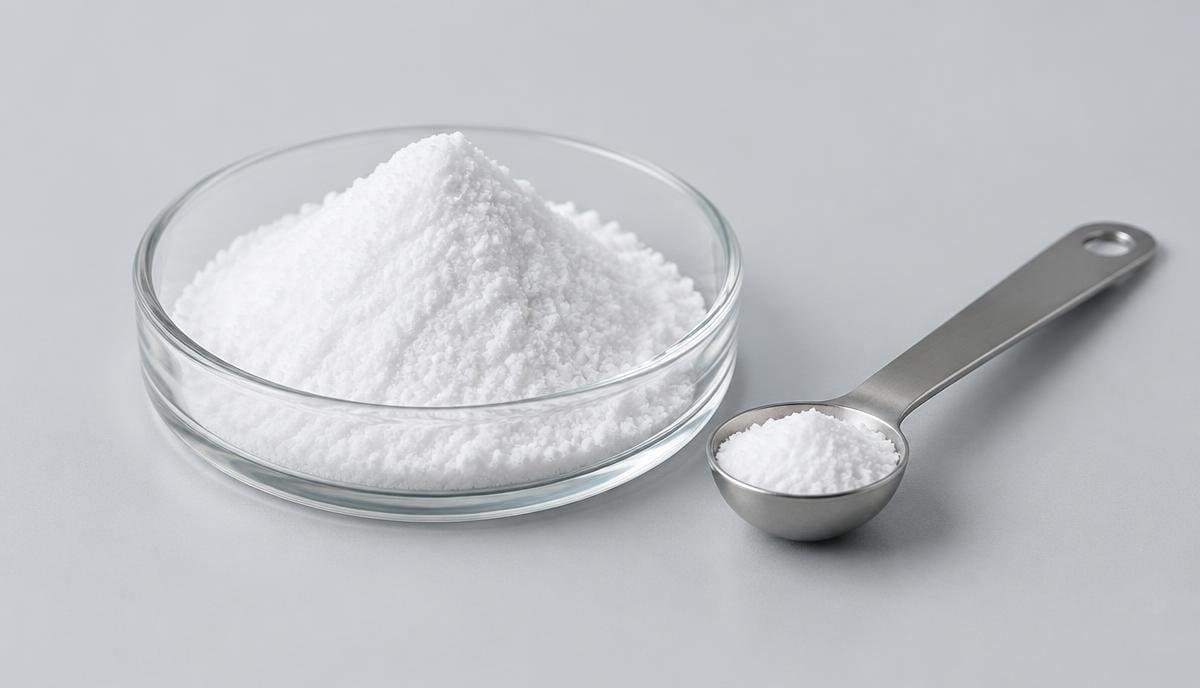
supplementNot FDA-approvedOTC supplementFDA has stated NMN is excluded from the dietary-supplement definition; availability varies by market

NMNBenefits, Dosage & Interactions

Also known as: nicotinamide mononucleotide

Nicotinamide mononucleotide (NMN) is a naturally occurring compound that serves as a precursor to nicotinamide adenine dinucleotide (NAD+), a vital coenzyme found in all living cells. NAD+ plays a crucial role in numerous biological processes, including energy metabolism, DNA repair, and gene expression.

Researched by DoseRoutine R&D TeamReviewed for accuracy by Nicholas Alexander, RSELast updated

Evidence: Strong3 human randomized trials published.
Evidence strengthStrong · 4/4
PreclinicalStrong human evidence

3 human randomized trials published.

Chemical structure of NMN (PubChem CID 14180)
Structure via PubChem
Plasma half-life
Not applicable
Typical timing
morning
Default unit
mg

What published protocols report

Ranges documented in the literature, shown for reference. DoseRoutine does not recommend an amount — your prescriber or the product label sets the dose.

Reported amounts
250 mg daily in the prediabetes trial; 300, 600 and 900 mg daily arms in the dose-ranging trial[1][2][3]
Route studied
Oral[1][2][3]
Frequency
Once daily[1][2][3]
Cycle length
10 weeks in the prediabetes trial; 60 days in the dose-ranging trial[1][2][3]
Half-life
Not established in humans[1][2][3]
Storage
Cool, dry, sealed[1][2][3]

Reported for NMN in the cited sources. Published ranges are not dosing advice.

NMN compared with similar compounds

NMN compared with NMN, Nicotinamide riboside, Resveratrol across class, route, half-life, evidence grade, oral stability, published cycle and main studied use.
AttributeNMNNicotinamide ribosideResveratrol
ClassNAD+ precursorNAD+ precursorStilbene polyphenol
RouteOralOralOral
Half-lifeNot established in humansNot established in humans~1-3 hours (low bioavailability)
Evidence gradeLimitedModerateLimited
Oral stabilityOrally activeOrally activeOrally active but poorly absorbed
Typical published cycle4-12 weeks in the published trials6 weeks to 6 months in the published trials4-52 weeks across trials
Main studied useNAD+ levels and metabolic markersNAD+ levels, vascular and metabolic endpointsMetabolic and inflammatory markers

References & evidence

Documents the NMN entry is written from. Each number matches an inline marker above.

  1. [1]Nicotinamide mononucleotide increases muscle insulin sensitivity in prediabetic womenYoshino M, Yoshino J, Kayser BD, et al. · Science · 2021 · Peer-reviewed · PMID 33888596
  2. [2]The efficacy and safety of beta-nicotinamide mononucleotide (NMN) supplementation in healthy middle-aged adults: a randomized, multicenter, double-blind, placebo-controlled, parallel-group, dose-dependent clinical trialYi L, Maier AB, Tao R, et al. · GeroScience · 2023 · Peer-reviewed · PMID 36482258
  3. [3]Effect of oral administration of nicotinamide mononucleotide on clinical parameters and nicotinamide metabolite levels in healthy Japanese menIrie J, Inagaki E, Fujita M, et al. · Endocrine Journal · 2020 · Peer-reviewed · PMID 31685720

How to track NMN doses

Tracking NMN well takes four fields and a habit. Here is what to record so the log is still useful in three months.

  1. 1

    Add the dose and unit

    Log NMN with its dose in mg so totals stay comparable over time — including days when you split the dose or skip it.

  2. 2

    Set the time of day and food rule

    Typical timing is morning. Reminders fire at that time and can export to your calendar.

  3. 3

    Check it against the rest of the stack

    Run NMN through the interaction checker against everything else in the routine — supplements, peptides, hormones and prescriptions — before it becomes a daily habit.

  4. 4

    Log adherence, not intentions

    Mark each dose taken, skipped or delayed as it happens. Weeks of honest logs are what make an adherence rate or a trend line meaningful; retrospective guessing is not.

  5. 5

    Review against outcomes

    Review NMN alongside your logged metrics and any relevant blood work every few weeks before changing the dose, so the change is a response to data rather than to a good or bad day.

What to log each time

  • Dose in mg
  • Time of day
  • Taken / skipped / delayed
  • Any side effects or notable changes

References & Evidence

Sources on this page that document NMN dosing, timing and safety.

  1. [1]National Center for Biotechnology Information View source

Educational information only — not medical advice. Dose ranges vary by person, indication and prescriber.

What is NMN studied for?

What is NMN?Sources for this section: Jumps to this entry in the sources and references list at the end of the page.

Nicotinamide mononucleotide (NMN) is a naturally occurring compound that serves as a precursor to nicotinamide adenine dinucleotide (NAD+), a vital coenzyme found in all living cells. NAD+ plays a crucial role in numerous biological processes, including energy metabolism, DNA repair, and gene expression. NMN can be synthesized in the body from B vitamins and is also present in small amounts in various food sources such as broccoli, cabbage, cucumbers, avocados, and various fruits. As a supplement, NMN is often marketed for its potential in promoting healthy aging and supporting cellular function by increasing NAD+ levels. Research into NMN's effects is ongoing, with studies exploring its implications in various physiological systems. (PubChem, NIH ODS)

What does the research say about NMN?

Tap a section to expand.

NMN functions primarily by acting as a direct precursor to nicotinamide adenine dinucleotide (NAD+). Once ingested, NMN is readily absorbed and then converted into NAD+ through a series of enzymatic reactions within cells. The key enzyme in this conversion is nicotinamide mononucleotide adenylyltransferase (NMNAT). An alternative pathway involves NMN being dephosphorylated to nicotinamide riboside (NR), which is then re-phosphorylated back to NMN before being converted to NAD+. (NIH ODS) NAD+ is central to cellular energy production, serving as a coenzyme in redox reactions within the mitochondria, particularly in the electron transport chain. It is also a substrate for several important enzymes: * **Sirtuins:** These are a family of protein deacetylases that play roles in cellular stress response, DNA repair, metabolism, and gene silencing. Sirtuin activity is NAD+-dependent. * **Poly(ADP-ribose) polymerases (PARPs):** These enzymes are involved in DNA repair, genome stability, and programmed cell death. PARPs consume NAD+ during their activity. * **CD38/CD157 ectoenzymes:** These enzymes are involved in calcium signaling and also consume NAD+. By increasing the availability of NAD+, NMN supplementation is hypothesized to support the activity of these NAD+-dependent enzymes, potentially enhancing cellular repair mechanisms, metabolic efficiency, and overall cellular resilience. Research continues to explore the precise downstream effects and overall physiological impact of elevated NAD+ levels achieved through NMN supplementation. (DrugBank, PubChem)

Source for this section: Sources for How does NMN work?: Jumps to this entry in the sources and references list at the end of the page.

Research into the potential benefits of NMN is an active and evolving field. Studies, primarily in animal models, have explored its effects across several physiological domains. Observations relevant to human health often emerge from these preclinical studies, with human clinical trials beginning to provide more direct evidence. (Examine.com, NIH ODS) * **Mitochondrial Function and Energy Metabolism:** NMN's role as a NAD+ precursor suggests a connection to mitochondrial health. NAD+ is critical for the processes of cellular respiration and ATP production. Some animal studies indicate that NMN supplementation may help improve mitochondrial function and energy metabolism, particularly in conditions associated with aging or metabolic stress. (Examine.com) * **Cellular Repair and DNA Integrity:** NAD+ is a fundamental cofactor for DNA repair enzymes like PARPs. By potentially increasing NAD+ levels, NMN may support the body's natural DNA repair mechanisms, which are crucial for maintaining genomic stability and overall cellular health. This area is under investigation for its implications in healthy aging. * **Cardiovascular Health:** Preclinical research has explored NMN's potential effects on cardiovascular parameters. Some animal studies suggest that NMN may contribute to improved vascular function and reduce age-related arterial stiffness, potentially by supporting endothelial cell health and reducing oxidative stress. Human data is more limited and subject to ongoing investigation. (Examine.com) * **Neurological Function:** Given NAD+'s extensive role in cellular metabolism and repair, NMN is being investigated for its potential neuroprotective effects. Animal studies have shown some indications that NMN might support neuronal health and cognitive function in certain models of neurodegeneration. Human studies are early-stage. * **Insulin Sensitivity and Glucose Metabolism:** Some animal model studies suggest that NMN supplementation may enhance insulin sensitivity and improve glucose tolerance, particularly in contexts of diet-induced obesity or age-related metabolic decline. These findings highlight a potential role in metabolic health, although human research is necessary to confirm these effects. (Examine.com) The majority of evidence for these potential benefits comes from preclinical studies. While promising, these findings do not directly translate to human outcomes. Human clinical trials are underway to confirm and further elucidate the potential benefits of NMN in humans. (NIH ODS)

The scientific evidence for NMN's effects in humans is still emerging, with much of the current understanding derived from animal models. (Examine.com) **Preclinical Evidence (Animal Studies):** Many of the initial promising findings regarding NMN come from studies in rodents. These studies have frequently reported: * Improvements in age-related physiological decline, including enhanced mitochondrial function, increased endurance, and improved metabolic health in mice. * NMN has been shown to mitigate aspects of age-related weight gain, improve insulin sensitivity, and protect against diet-induced metabolic dysfunction in mice. * Neuroprotective effects and improvements in cognitive function have been observed in animal models of neurodegeneration. * Positive effects on cardiovascular parameters, including improved vascular elasticity and blood flow, have also been reported in aging mice. (Examine.com) **Human Clinical Evidence:** Early-stage human clinical trials are beginning to provide insights into NMN's safety and efficacy. (Cochrane, NIH ODS) * **Safety and Bioavailability:** Several human trials have demonstrated that NMN supplements are generally well-tolerated at commonly studied dosages, without serious adverse effects. Studies have also confirmed that NMN can be absorbed and its metabolites, including NAD+, can increase in human blood or tissues following supplementation. (Examine.com) * **Metabolic Markers:** Some human studies have reported positive changes in markers related to insulin sensitivity or glucose metabolism, particularly in cohorts with metabolic challenges. For example, a study evaluated NMN's effect on insulin sensitivity in post-menopausal women with pre-diabetes, showing some improvements in muscle insulin signaling. (Examine.com) * **Physical Performance:** A randomized, double-blind, placebo-controlled trial in middle-aged and older adults found that NMN supplementation, combined with exercise, improved aerobic capacity in older amateur runners. This suggests a potential role in supporting physical endurance. * **Other Parameters:** Other human trials are exploring NMN's effects on markers of aging, cardiovascular function, and cognitive health. These are often pilot studies or trials with specific populations, and more extensive research is needed to draw definitive conclusions. **Overall Assessment:** While the preclinical data for NMN is robust and suggests a broad range of potential benefits, the translation of these findings to human health is still under investigation. Human clinical trials are progressing, providing valuable data on safety, bioavailability, and preliminary efficacy in specific health areas. However, comprehensive, large-scale, long-term human studies are required to fully understand NMN's long-term effects and establish its role in promoting human health and longevity. (Examine.com)

NMN is generally considered safe and well-tolerated in human studies conducted so far, particularly at commonly studied dosages. However, like any compound, it is possible for individuals to experience side effects. The reported side effects in clinical trials have typically been mild and infrequent. (Examine.com) Potential side effects that have been reported or are theoretically possible include: * **Gastrointestinal discomfort:** Some individuals might experience mild digestive issues such as nausea, diarrhea, or abdominal discomfort. These are often transient and may be dose-dependent. * **Headache:** Infrequent reports of headache have occurred in some users. * **Flushing:** Although less common with NMN compared to nicotinic acid (a different form of vitamin B3), some individuals might experience skin redness or warmth, particularly at higher dosages, though this is not a common side effect of NMN. It is important to note that the long-term safety profile of NMN has not been fully established, as most human studies have been relatively short-duration. Continuous monitoring and further research will provide a more comprehensive understanding of potential side effects over extended periods and in diverse populations. Report any unexpected or severe side effects to a healthcare professional immediately. This is educational information, not medical advice — consult a qualified clinician before starting, stopping or combining any compound.

Individuals should exercise caution and consult with a healthcare professional before taking NMN, particularly if they have pre-existing medical conditions or are taking other medications. (Mayo Clinic, NIH ODS) * **Medical Conditions:** Individuals with active cancers or a history of cancer should consult their oncologist. The role of NAD+ metabolism in cancer growth is complex and not fully understood, and caution is warranted. * **Pregnancy and Breastfeeding:** There is insufficient data to determine the safety of NMN during pregnancy or breastfeeding. Therefore, it is generally advised to avoid its use during these periods unless specifically advised by a healthcare provider. * **Surgery:** Discontinue NMN use at least two weeks before any scheduled surgery due to a lack of data on its potential effects during and after surgical procedures. * **Purity and Quality:** The supplement market can vary in product quality. Consumers should seek NMN products from reputable manufacturers that provide third-party testing to ensure purity, potency, and absence of contaminants. (NIH ODS) This is educational information, not medical advice — consult a qualified clinician before starting, stopping or combining any compound.

Currently, there are no absolute contraindications for NMN supplementation that are universally recognized across all populations based on robust clinical evidence. However, certain conditions or circumstances warrant extreme caution or avoidance due to theoretical concerns or lack of safety data. (Mayo Clinic, NIH ODS) * **Active Cancer or Oncological History:** While the role of NAD+ in cancer is complex and actively researched, some theories suggest that increasing NAD+ levels could potentially fuel the growth of certain types of cancer cells, as cancer cells often have altered metabolism and high NAD+ demands. Until more definitive research clarifies this interaction, individuals with active cancer or a significant history of cancer should avoid NMN or use it only under strict medical supervision from an oncologist. * **Pediatric Use:** NMN supplementation has not been studied in children or adolescents. Its safety and efficacy in this age group are unknown, and therefore, it is contraindicated. * **Severe Liver or Kidney Disease:** In individuals with severe liver or kidney impairment, the metabolism and excretion of NMN and its derivatives may be altered, potentially leading to accumulation or unforeseen effects. Caution is advised, and use should strictly be under medical guidance. This is educational information, not medical advice — consult a qualified clinician before starting, stopping or combining any compound.

Information on specific drug interactions with NMN is limited, as NMN is a relatively new area of widespread supplemental interest and human clinical trials are still ongoing. However, based on its metabolic pathways and potential physiological effects, general caution is advised when combining NMN with certain medications or other supplements. (DrugBank, NIH ODS) * **Medications affecting NAD+ metabolism:** While exact interactions are unknown, medications that impact cellular energy metabolism or NAD+ pathways could theoretically interact with NMN. Examples include certain chemotherapy agents or drugs used in metabolic disorders. * **Immunosuppressants:** Given that NAD+ plays a role in immune function, caution is advised when combining NMN with immunosuppressive medications. The potential for interaction is theoretical and not clinically established. * **Blood Sugar Lowering Medications:** Since NMN has been suggested in some preclinical studies to impact glucose metabolism and insulin sensitivity, individuals taking medications for diabetes (e.g., insulin, metformin, sulfonylureas) should monitor their blood glucose closely if using NMN, as there's a theoretical risk of additive effects. Adjustments to medication dosages might be necessary and must occur under medical supervision. * **Other Niacin/B3 Forms:** While NMN is a precursor to NAD+, it is distinct from other forms of Vitamin B3 like nicotinic acid or nicotinamide. Combining NMN with very high doses of other B3 forms is not typically necessary and could theoretically lead to unforeseen effects, though direct interactions are not well-established. Always disclose all supplements and medications you are taking to your healthcare provider to help identify potential interactions. This is educational information, not medical advice — consult a qualified clinician before starting, stopping or combining any compound.

NMN is typically taken orally. It can be taken with or without food, as studies have not indicated a significant difference in absorption based on food intake. (Examine.com) The most commonly studied timing for NMN, particularly in longer-term human trials, is in the morning. This timing aligns with the natural circadian rhythm of NAD+ levels, which tend to be higher during the day. Some theoretical considerations suggest that taking NMN earlier in the day might optimize its integration with daily metabolic processes. Individual needs vary, and some individuals may choose to split their daily dose, though the benefits of this approach are not definitively established. The half-life of NMN and its effects on NAD+ levels are still areas of active research, contributing to ongoing refinement of optimal dosing strategies. Adherence to manufacturer's instructions or a clinician's specific advice is important. Individual needs vary; talk to a licensed clinician.

Source for this section: Sources for When should you take NMN?: Jumps to this entry in the sources and references list at the end of the page.

What interacts with NMN?

Documented interactions for NMN: the other compound, the severity and confidence of the interaction, what happens, and what to do.
Interacts withSeverityTypeWhat happensWhat to do
Nicotinamide Riboside (NR)NoteCompound pairConfidence: theoreticalBoth are NAD+ precursors, so taking both is largely redundant.Source pendingUsually pick one.
Any glp1 + supplementNoteCategory ruleConfidence: theoreticalGLP-1 medications slow stomach emptying, changing how/when oral supplements absorb; rapid weight loss raises the importance of protein and micronutrients.Source pendingTime oral supplements when nausea is lowest; prioritize protein and micronutrients; discuss with your provider.
Any supplement + medicationNoteCategory ruleConfidence: theoreticalSome supplements change how the body processes medications (absorption, liver enzymes, or additive effects).Source pendingSpecific pairs are checked against a licensed drug database and shown with their own severity. Always confirm with your provider or pharmacist.

Frequently asked questions about NMN

NMN, or Nicotinamide Mononucleotide, is a naturally occurring molecule that serves as a direct precursor to nicotinamide adenine dinucleotide (NAD+), a coenzyme vital for cellular energy metabolism, DNA repair, and various other essential biological functions in all living cells. (NIH ODS)

NMN is absorbed and converted into NAD+ inside cells through enzymatic processes. By increasing NAD+ levels, NMN is thought to enhance the activity of NAD+-dependent enzymes like sirtuins and PARPs, which are involved in cellular repair, metabolism, and stress response. (PubChem, DrugBank)

Preliminary research, primarily from animal studies, suggests NMN may support healthy aging, improve mitochondrial function, enhance cellular repair mechanisms, and potentially benefit cardiovascular and metabolic health. Human clinical trials are ongoing to confirm these findings. (Examine.com)

In human studies to date, NMN has generally been well-tolerated with few reported mild side effects like gastrointestinal discomfort. However, long-term safety data is still limited, and individuals with certain medical conditions, particularly cancer, should exercise caution and consult a healthcare provider. (Examine.com, Mayo Clinic)

NMN is typically taken orally, and may be taken with or without food. Many individuals choose to take NMN in the morning to align with natural circadian rhythms. It's important to follow product-specific instructions or a clinician's advice. Individual needs vary — talk to a licensed clinician.

Interaction risk for NMN comes from the rest of the stack: other supplements, prescription medicines, hormone therapy and peptides. Because NMN is usually taken in the morning, most avoidable conflicts come from what else lands in that same window. Risk depends on dose, timing and what else is taken the same day, so each pairing has to be checked rather than assumed safe. The free checker at https://doseroutine.com/interaction-checker covers NMN with no sign-up.

NMN is typically taken in the morning. Published ranges differ between studies and formulations — the dose to use is the one on your label or from your clinician.

There is no single answer for NMN plus TRT. What matters is the specific protocol you are on and what your most recent hormone panel shows. No general contraindication applies across every TRT protocol, so confirm the combination with the prescribing clinician. See the free TRT interaction reference: https://doseroutine.com/trt-supplement-interactions

Pairing NMN with peptides has to be assessed one peptide at a time, because GLP-1 agonists, secretagogues, healing peptides and melanocortins do not share an interaction profile. Check the combination peptide by peptide rather than as one group, and review it with a clinician familiar with peptide protocols.

Published frequency for NMN varies by protocol and formulation, so the label or prescription is what sets it. It is typically taken in the morning. Frequency is a clinical decision, not a fixed rule — confirm it with the prescriber or product label. Comparison of apps that keep a schedule like this: https://doseroutine.com/best-dose-tracking-apps

The effect of a missed dose of NMN depends on the protocol and formulation you are on. Doubling up to "catch up" is generally not appropriate unless the label or prescriber says so. Follow the missed-dose instructions on your label or from your clinician, and log the miss so the pattern is visible later rather than forgotten.

For NMN the useful record is the dose, the time it was actually taken, and what else was taken in the same window. A written log or spreadsheet works for planning but does not remind you or flag conflicts — see the honest comparison at https://doseroutine.com/vs/spreadsheet and the wider roundup at https://doseroutine.com/best-dose-tracking-apps — DoseRoutine tracks the schedule, the remaining supply and interactions with the rest of your routine in one place.

Which studies looked at NMN?

Peer-reviewed research indexed in PubMed. Each entry links to the original record.

  1. 1.The Safety and Antiaging Effects of Nicotinamide Mononucleotide in Human Clinical Trials: an Update(opens PubMed in a new tab)Adv Nutr · 2023 · PMID 37619764 · https://pubmed.ncbi.nlm.nih.gov/37619764/
  2. 2.The efficacy and safety of β-nicotinamide mononucleotide (NMN) supplementation in healthy middle-aged adults: a randomized, multicenter, double-blind, placebo-controlled, parallel-group, dose-dependent clinical trial(opens PubMed in a new tab)Geroscience · 2023 · PMID 36482258 · https://pubmed.ncbi.nlm.nih.gov/36482258/
  3. 3.NAD(+) Intermediates: The Biology and Therapeutic Potential of NMN and NR(opens PubMed in a new tab)Cell Metab · 2018 · PMID 29249689 · https://pubmed.ncbi.nlm.nih.gov/29249689/
  4. 4.Nicotinamide mononucleotide (NMN) as an anti-aging health product - Promises and safety concerns(opens PubMed in a new tab)J Adv Res · 2022 · PMID 35499054 · https://pubmed.ncbi.nlm.nih.gov/35499054/
  5. 5.Nicotinamide mononucleotide increases muscle insulin sensitivity in prediabetic women(opens PubMed in a new tab)Science · 2021 · PMID 33888596 · https://pubmed.ncbi.nlm.nih.gov/33888596/

Sources cited on this page

Specific documents referenced by the numbered markers above. Each number matches the marker in the text.

  1. PubChem CID 14180(opens in a new tab)National Center for Biotechnology Information · pubchem.ncbi.nlm.nih.gov/compound/14180

Verify at

Publisher search links for NMN. These are places to check the information — they are not citations, so they are not numbered.

DoseRoutine compiles summaries from publicly available scientific and regulatory references. Always verify important decisions with a licensed clinician. How we source and review this information.

What is the short answer on NMN?

Plain-text summary, safe to quote verbatim:

Nicotinamide mononucleotide (NMN) is a naturally occurring compound that serves as a precursor to nicotinamide adenine dinucleotide (NAD+), a vital coenzyme found in all living cells. NAD+ plays a crucial role in numerous biological processes, including energy metabolism, DNA repair, and gene expression.
Source: DoseRoutine — https://doseroutine.com/library/nmn

Cite this page

Using this in an article, AI answer, or research note? Please attribute:

DoseRoutine. (2026). NMN — Overview, Benefits & Side Effects. Retrieved from https://doseroutine.com/library/nmn
Canonical URL

What compounds are similar to NMN?

Others in the supplement category or studied for the same goals.

Which goals is NMN used for?

Other compounds studied for the same benefits as NMN.

Continue exploring

See every compound DoseRoutine catalogs for these goals.

Track NMN in DoseRoutine

Add it to your stack. We'll schedule doses, check interactions against everything else you take, and remind you at the right time.

Sign up free →

Latest research from DoseRoutine

Browse all DoseRoutine research updates

Track NMN in your own routine

Add NMN to your stack, get reminders at the right times, and see interaction notes with everything else you take. Free to start — no card needed.