supplementNot FDA-approvedOTC supplement

ResveratrolBenefits, Dosage & Interactions

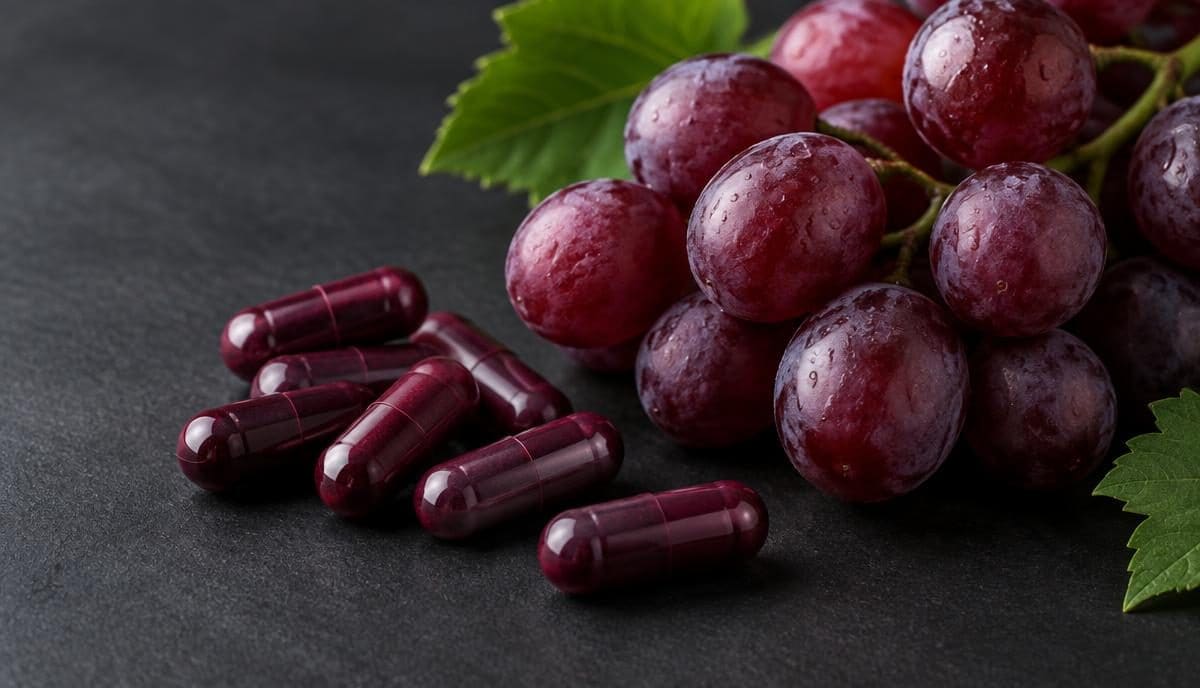
Resveratrol is a natural polyphenol produced by several plants, including grapes, blueberries, raspberries, mulberries, and peanuts. It is often concentrated in the skin of red grapes and is also found in red wine. Research on Resveratrol focuses on healthy aging, cognition and mood, and heart and circulatory health.

Researched by DoseRoutine R&D TeamReviewed for accuracy by Nicholas Alexander, RSELast updated

Evidence: ModerateCovered by a systematic review, without regulatory approval.
Evidence strengthModerate · 3/4
PreclinicalStrong human evidence

Covered by a systematic review, without regulatory approval.

Chemical structure of Resveratrol (PubChem CID 445154)
Structure via PubChem
Plasma half-life
Not applicable
Typical timing
with meal
Food rule
with food
Default unit
mg

What published protocols report

Ranges documented in the literature, shown for reference. DoseRoutine does not recommend an amount — your prescriber or the product label sets the dose.

Reported amounts
Pooled trials used roughly 100-1500 mg daily; the meta-analyses found no consistent effect on CRP or lipids[1][2]
Route studied
Oral[1][2]
Frequency
Once or twice daily across trials[1][2]
Cycle length
4 weeks to 12 months across pooled trials[1][2]
Half-life
1-3 hours, with extensive first-pass metabolism[1][2]
Storage
Cool, dry, protected from light[1][2]

Reported for Resveratrol in the cited sources. Published ranges are not dosing advice.

Resveratrol compared with similar compounds

Resveratrol compared with NMN, Nicotinamide riboside, Resveratrol across class, route, half-life, evidence grade, oral stability, published cycle and main studied use.
AttributeNMNNicotinamide ribosideResveratrol
ClassNAD+ precursorNAD+ precursorStilbene polyphenol
RouteOralOralOral
Half-lifeNot established in humansNot established in humans~1-3 hours (low bioavailability)
Evidence gradeLimitedModerateLimited
Oral stabilityOrally activeOrally activeOrally active but poorly absorbed
Typical published cycle4-12 weeks in the published trials6 weeks to 6 months in the published trials4-52 weeks across trials
Main studied useNAD+ levels and metabolic markersNAD+ levels, vascular and metabolic endpointsMetabolic and inflammatory markers

References & evidence

Documents the Resveratrol entry is written from. Each number matches an inline marker above.

  1. [1]Lack of efficacy of resveratrol on C-reactive protein and selected cardiovascular risk factors - results from a systematic review and meta-analysis of randomized controlled trialsSahebkar A, Serban C, Ursoniu S, et al. · International Journal of Cardiology · 2015 · Peer-reviewed · PMID 25885871
  2. [2]The effects of resveratrol on lipid profiles and liver enzymes in patients with metabolic syndrome and related disorders: a systematic review and meta-analysis of randomized controlled trialsAkbari M, Tamtaji OR, Lankarani KB, et al. · Lipids in Health and Disease · 2020 · Peer-reviewed · PMID 32066446

How to track Resveratrol doses

Tracking Resveratrol well takes four fields and a habit. Here is what to record so the log is still useful in three months.

  1. 1

    Add the dose and unit

    Log Resveratrol with its dose in mg so totals stay comparable over time — including days when you split the dose or skip it.

  2. 2

    Set the time of day and food rule

    Typical timing is with_meal. Take it with food, and record it that way so absorption stays consistent. Reminders fire at that time and can export to your calendar.

  3. 3

    Check it against the rest of the stack

    Run Resveratrol through the interaction checker against everything else in the routine — supplements, peptides, hormones and prescriptions — before it becomes a daily habit.

  4. 4

    Log adherence, not intentions

    Mark each dose taken, skipped or delayed as it happens. Weeks of honest logs are what make an adherence rate or a trend line meaningful; retrospective guessing is not.

  5. 5

    Review against outcomes

    Review Resveratrol alongside your logged metrics and any relevant blood work every few weeks before changing the dose, so the change is a response to data rather than to a good or bad day.

What to log each time

  • Dose in mg
  • Time of day and whether it was taken with food
  • Taken / skipped / delayed
  • Any side effects or notable changes

References & Evidence

Sources on this page that document Resveratrol dosing, timing and safety.

  1. [1]National Center for Biotechnology Information View source

Educational information only — not medical advice. Dose ranges vary by person, indication and prescriber.

What is Resveratrol studied for?

What is Resveratrol?Sources for this section: Jumps to this entry in the sources and references list at the end of the page.

Resveratrol is a natural polyphenol produced by several plants, including grapes, blueberries, raspberries, mulberries, and peanuts. It is often concentrated in the skin of red grapes and is also found in red wine. Resveratrol gained significant attention due to early studies suggesting it may contribute to the "French paradox" – the observation of relatively low rates of heart disease in France despite a diet high in saturated fats, potentially linked to red wine consumption (Source: NIH ODS). It exists in two main isomeric forms, *cis*- and *trans*-resveratrol, with *trans*-resveratrol being the more commonly studied and biologically active form (Source: PubChem). As a supplement, resveratrol is typically extracted from plants like Japanese knotweed (*Polygonum cuspidatum*) or synthesized. Research interest in resveratrol spans various areas, including its antioxidant, anti-inflammatory, and potential longevity-promoting properties. While preclinical studies have shown promising results, large-scale human clinical trials are ongoing to fully understand its efficacy and applications (Source: Examine.com).

What does the research say about Resveratrol?

Tap a section to expand.

Resveratrol is understood to exert its biological effects through multiple pathways. One of the primary mechanisms involves its role as an antioxidant, where it helps neutralize free radicals, thereby reducing oxidative stress that can damage cells and DNA (Source: PubChem). By scavenging reactive oxygen species, resveratrol may protect against cellular damage and contribute to anti-aging processes. Another key aspect of resveratrol's mechanism relates to its influence on sirtuins, particularly SIRT1. Sirtuins are a class of protein deacetylases that play crucial roles in cellular regulation, DNA repair, metabolism, and aging. Resveratrol is considered a SIRT1 activator, meaning it can enhance the activity of this enzyme. Activation of SIRT1 has been linked in preclinical models to improved mitochondrial function, reduced inflammation, and extended lifespan in various organisms (Source: NIH ODS). Pertaining to inflammation, resveratrol has been shown to modulate inflammatory pathways by inhibiting the production of pro-inflammatory mediators, such as cytokines and enzymes like COX-2 (cyclooxygenase-2) and iNOS (inducible nitric oxide synthase). This anti-inflammatory action may contribute to its protective effects in various tissues (Source: Examine.com). Additionally, resveratrol has been reported to affect cellular signaling pathways involved in cell growth, apoptosis (programmed cell death), and angiogenesis (formation of new blood vessels), which are relevant in areas such as cardiovascular health and certain disease states (Source: MedlinePlus). Its interaction with numerous molecular targets underscores its multifaceted biological activity.

Source for this section: Sources for How does Resveratrol work?: Jumps to this entry in the sources and references list at the end of the page.

Research into resveratrol's potential benefits is ongoing, with studies exploring its role in various aspects of health: * **Cardiovascular Health:** Some studies suggest that resveratrol may support cardiovascular function by improving endothelial function, reducing oxidative stress in blood vessels, and modulating lipid metabolism. It may also inhibit platelet aggregation, potentially contributing to healthy blood flow (Source: NIH ODS). However, more research is needed to confirm these effects in humans. * **Antioxidant and Anti-inflammatory Properties:** As a potent antioxidant, resveratrol helps protect cells from damage caused by free radicals. Its anti-inflammatory actions may help reduce systemic inflammation, which is implicated in numerous chronic conditions (Source: PubChem). * **Cognitive Function:** Preliminary research indicates that resveratrol may have neuroprotective properties, potentially supporting brain health and cognitive function by reducing oxidative stress and inflammation in the brain (Source: Examine.com). Animal studies have shown improvements in memory and learning, but human data are still limited. * **Metabolic Health:** Some preclinical and early human studies suggest resveratrol may play a role in metabolic regulation, potentially influencing glucose metabolism and insulin sensitivity (Source: MedlinePlus). However, these findings require further investigation and confirmation in larger clinical trials. * **Longevity and Anti-Aging:** A significant area of interest is resveratrol's potential to activate sirtuins, particularly SIRT1, which are known to be involved in cellular aging processes. While animal studies have shown lifespan extension in some organisms, direct evidence of this effect in humans is not yet established (Source: NIH ODS).

The evidence supporting resveratrol's various health benefits comes from a range of studies, from in vitro (test tube) and in vivo (animal) experiments to early-stage human clinical trials. A significant body of preclinical research has demonstrated resveratrol's antioxidant, anti-inflammatory, and sirtuin-activating properties, laying the groundwork for human investigations (Source: PubChem). For cardiovascular health, systematic reviews and meta-analyses of some human trials have indicated that resveratrol supplementation may modestly improve certain biomarkers, such as blood pressure and lipid profiles, particularly in individuals with existing health conditions. However, inconsistencies exist across studies, potentially due to variations in dosage, formulation, and participant characteristics (Source: Cochrane Library). Regarding cognitive function and metabolic health, human studies are generally smaller and less conclusive. While some trials have reported positive trends in markers of cognitive performance or glucose metabolism, larger, well-controlled studies are needed to confirm these findings and establish clinical relevance (Source: Examine.com). Evidence for direct anti-aging effects or lifespan extension in humans is currently theoretical, extrapolated primarily from observations in simpler organisms. The complex nature of human aging and the bioavailability challenges of resveratrol mean that definitive conclusions regarding its role in human longevity cannot yet be drawn (Source: NIH ODS). Overall, while the biological plausibility for many of resveratrol's proposed benefits is strong based on mechanistic and preclinical data, human clinical evidence is still developing. Many findings are considered preliminary, and more robust, long-term trials are necessary to substantiate specific health claims.

Resveratrol is generally considered safe for most people when consumed orally in amounts commonly found in foods or at typical supplemental doses. Mild side effects, if they occur, are generally gastrointestinal in nature. These can include: * Stomach upset * Diarrhea * Nausea * Bloating These effects are more likely to be experienced at higher doses (e.g., several grams per day) than those commonly studied or found in typical supplements. Some individuals might also experience changes in appetite. Rare allergic reactions, though not commonly reported, are possible with any supplement. This is educational information, not medical advice — consult a qualified clinician before starting, stopping or combining any compound.

Individuals with certain medical conditions should exercise caution or avoid resveratrol supplementation. Pregnant and breastfeeding individuals are advised against using resveratrol due to insufficient evidence regarding its safety in these populations (Source: MedlinePlus). Those with bleeding disorders or individuals undergoing surgery should also be cautious, as resveratrol might have anti-platelet effects, potentially increasing the risk of bleeding. People with hormone-sensitive conditions, such as certain cancers (e.g., breast, ovarian, uterine cancers, endometriosis, uterine fibroids), should consult a healthcare provider before taking resveratrol. Some research suggests it might have estrogenic activity, though this effect is complex and not fully understood in humans (Source: NIH ODS). Always discuss any new supplement with a healthcare provider, especially if you have pre-existing health conditions or are taking other medications. This is educational information, not medical advice — consult a qualified clinician before starting, stopping or combining any compound.

Resveratrol is contraindicated for individuals with known hypersensitivity or allergy to resveratrol or any components of resveratrol-containing products. Due to its potential anti-platelet effects, it is contraindicated in individuals with active bleeding or those at high risk of hemorrhage. It is also not recommended for individuals shortly before or after surgical procedures. Given the lack of definitive safety data, individuals who are pregnant or breastfeeding should typically avoid resveratrol supplementation. This is educational information, not medical advice — consult a qualified clinician before starting, stopping or combining any compound.

Resveratrol may interact with several types of medications and supplements, potentially altering their effects or increasing the risk of side effects: * **Anticoagulant and Antiplatelet Drugs:** Resveratrol might slow blood clotting. Taking it with medications that also slow blood clotting (e.g., warfarin, aspirin, clopidogrel, heparin, NSAIDs) could increase the risk of bruising and bleeding (Source: MedlinePlus). * **CYP450 Substrates (especially CYP3A4):** Resveratrol is metabolized by certain liver enzymes (cytochrome P450 enzymes). It may inhibit or induce these enzymes, potentially affecting the metabolism of other drugs. This means it could increase or decrease the levels of medications such as statins, calcium channel blockers, immunosuppressants, and some chemotherapy agents in the body (Source: DrugBank). * **Hormone-Sensitive Medications:** Due to its potential estrogenic activity, albeit weak and variable, resveratrol might theoretically interact with hormonal therapies like oral contraceptives or hormone replacement therapy, as well as tamoxifen. Individuals on such therapies should seek medical advice (Source: NIH ODS). * **Blood Pressure Medications:** In some studies, resveratrol has shown a modest effect on blood pressure. Combining it with antihypertensive medications could potentially lead to an excessive drop in blood pressure. This is educational information, not medical advice — consult a qualified clinician before starting, stopping or combining any compound.

For optimal absorption, resveratrol is typically recommended to be taken with a meal (Source: Examine.com). This is because it is a fat-soluble compound, and consuming it with dietary fats can enhance its bioavailability. While there isn't a universally established best time of day (morning or evening), consistency in timing is often suggested for any supplement regimen. Some formulations may be designed for improved absorption, such as micronized resveratrol or formulations with piperine, which can increase bioavailability. Individual needs vary — talk to a licensed clinician.

Source for this section: Sources for When should you take Resveratrol?: Jumps to this entry in the sources and references list at the end of the page.

What interacts with Resveratrol?

Documented interactions for Resveratrol: the other compound, the severity and confidence of the interaction, what happens, and what to do.
Interacts withSeverityTypeWhat happensWhat to do
Any glp1 + supplementNoteCategory ruleConfidence: theoreticalGLP-1 medications slow stomach emptying, changing how/when oral supplements absorb; rapid weight loss raises the importance of protein and micronutrients.Source pendingTime oral supplements when nausea is lowest; prioritize protein and micronutrients; discuss with your provider.
Any supplement + medicationNoteCategory ruleConfidence: theoreticalSome supplements change how the body processes medications (absorption, liver enzymes, or additive effects).Source pendingSpecific pairs are checked against a licensed drug database and shown with their own severity. Always confirm with your provider or pharmacist.

Frequently asked questions about Resveratrol

Yes, resveratrol is generally better absorbed when taken with food, particularly meals containing some fat. This is because resveratrol is fat-soluble, and dietary fats can help improve its absorption in the digestive tract (Source: Examine.com).

While red wine contains resveratrol, the amount is highly variable and generally much lower than what is used in most research studies or found in supplements. To achieve therapeutic doses of resveratrol from red wine, one would need to consume very large, unhealthy quantities (Source: NIH ODS). Therefore, red wine is not considered a practical or advisable source for obtaining significant amounts of resveratrol for health purposes.

The time it takes for resveratrol to exert noticeable effects can vary widely depending on the individual, the dose, and the specific health outcome being targeted. Some antioxidant and anti-inflammatory effects might begin relatively quickly, but more complex outcomes, such as those related to cardiovascular health or cognitive function, may require weeks or months of consistent supplementation to observe any potential changes. It is important to note that the effects are often subtle and require ongoing monitoring by a healthcare professional.

Yes, *trans*-resveratrol is generally considered the more biologically active and stable form compared to *cis*-resveratrol (Source: PubChem). Most research and commercially available supplements focus on *trans*-resveratrol due to its greater efficacy and stability in the body.

Resveratrol is a supplement, and interactions are possible with prescriptions, hormones, peptides and other supplements in the same routine. Because Resveratrol is usually taken with a meal, most avoidable conflicts come from what else lands in that same window. Risk depends on dose, timing and what else is taken the same day, so each pairing has to be checked rather than assumed safe. The free checker at https://doseroutine.com/interaction-checker covers Resveratrol with no sign-up.

Resveratrol is typically taken with a meal. Published protocols usually have it taken with food. Ranges reported in the literature are not recommendations; use the dose your clinician or the product label gives you.

Combining a supplement like Resveratrol with TRT is usually a question of labs rather than a blanket yes or no: the ester, injection interval and any aromatase inhibitor all change the answer. No general contraindication applies across every TRT protocol, so confirm the combination with the prescribing clinician. See the free TRT interaction reference: https://doseroutine.com/trt-supplement-interactions

Each peptide class carries its own profile against Resveratrol: a healing peptide raises different questions than a GLP-1 agonist or a growth-hormone secretagogue. Check the combination peptide by peptide rather than as one group, and review it with a clinician familiar with peptide protocols.

Published frequency for Resveratrol varies by protocol and formulation, so the label or prescription is what sets it. It is typically taken with a meal. Most protocols have it taken with food. Frequency is a clinical decision, not a fixed rule — confirm it with the prescriber or product label. Comparison of apps that keep a schedule like this: https://doseroutine.com/best-dose-tracking-apps

The effect of a missed dose of Resveratrol depends on the protocol and formulation you are on. Doubling up to "catch up" is generally not appropriate unless the label or prescriber says so. Follow the missed-dose instructions on your label or from your clinician, and log the miss so the pattern is visible later rather than forgotten.

For Resveratrol the useful record is the dose, the time it was actually taken, and what else was taken in the same window. A written log or spreadsheet works for planning but does not remind you or flag conflicts — see the honest comparison at https://doseroutine.com/vs/spreadsheet and the wider roundup at https://doseroutine.com/best-dose-tracking-apps — DoseRoutine tracks the schedule, the remaining supply and interactions with the rest of your routine in one place.

Which studies looked at Resveratrol?

Peer-reviewed research indexed in PubMed. Each entry links to the original record.

  1. 1.Resveratrol for cancer therapy: Challenges and future perspectives(opens PubMed in a new tab)Cancer Lett · 2021 · PMID 34052324 · https://pubmed.ncbi.nlm.nih.gov/34052324/
  2. 2.Resveratrol and Its Effects on the Vascular System(opens PubMed in a new tab)Int J Mol Sci · 2019 · PMID 30934670 · https://pubmed.ncbi.nlm.nih.gov/30934670/

Sources cited on this page

Specific documents referenced by the numbered markers above. Each number matches the marker in the text.

  1. PubChem CID 445154(opens in a new tab)National Center for Biotechnology Information · pubchem.ncbi.nlm.nih.gov/compound/445154

Verify at

Publisher search links for Resveratrol. These are places to check the information — they are not citations, so they are not numbered.

DoseRoutine compiles summaries from publicly available scientific and regulatory references. Always verify important decisions with a licensed clinician. How we source and review this information.

What is the short answer on Resveratrol?

Plain-text summary, safe to quote verbatim:

Resveratrol is a natural polyphenol produced by several plants, including grapes, blueberries, raspberries, mulberries, and peanuts. It is often concentrated in the skin of red grapes and is also found in red wine. Research on Resveratrol focuses on healthy aging, cognition and mood, and heart and circulatory health.
Source: DoseRoutine — https://doseroutine.com/library/resveratrol

Cite this page

Using this in an article, AI answer, or research note? Please attribute:

DoseRoutine. (2026). Resveratrol — Overview, Benefits & Side Effects. Retrieved from https://doseroutine.com/library/resveratrol
Canonical URL

What compounds are similar to Resveratrol?

Others in the supplement category or studied for the same goals.

Which goals is Resveratrol used for?

Other compounds studied for the same benefits as Resveratrol.

Continue exploring

See every compound DoseRoutine catalogs for these goals.

Track Resveratrol in DoseRoutine

Add it to your stack. We'll schedule doses, check interactions against everything else you take, and remind you at the right time.

Sign up free →

Latest research from DoseRoutine

Browse all DoseRoutine research updates

Track Resveratrol in your own routine

Add Resveratrol to your stack, get reminders at the right times, and see interaction notes with everything else you take. Free to start — no card needed.