supplementNot FDA-approvedOTC supplementThe cited trial is a small pilot study; larger confirmatory trials have not been published

Maca RootBenefits, Dosage & Interactions

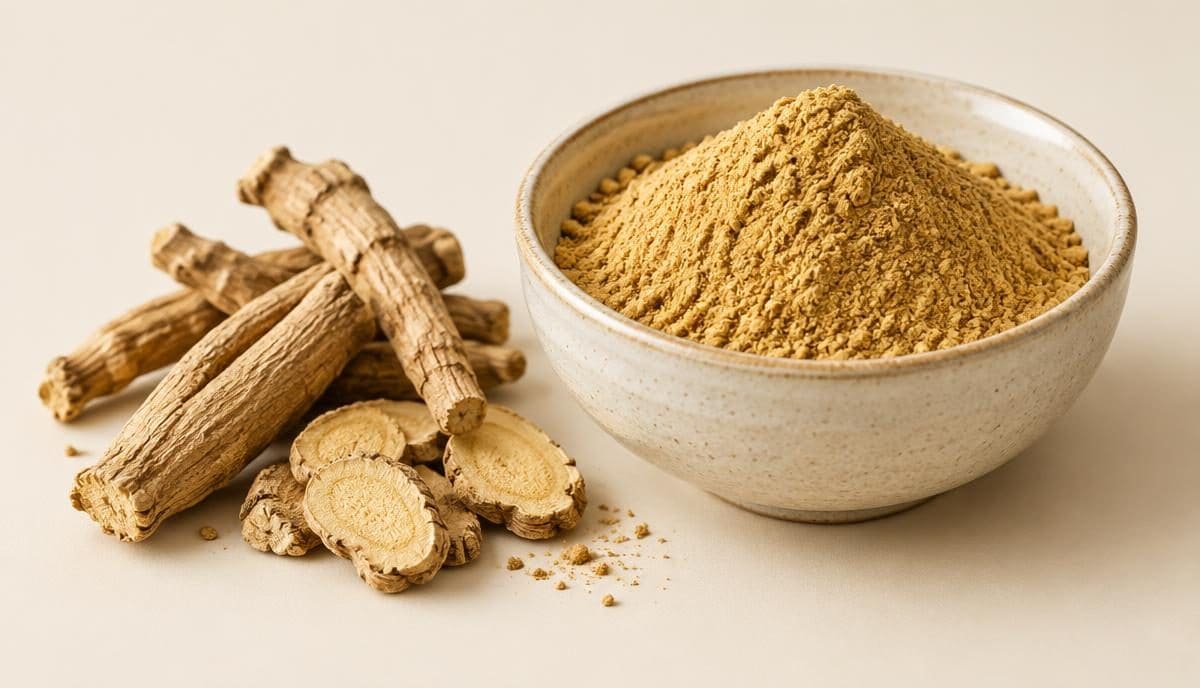
Maca root (scientifically known as Lepidium meyenii) is a herbaceous perennial plant native to the high Andes mountains of Peru. It has been cultivated and used for thousands of years by indigenous populations for its nutritional and medicinal properties. Research on Maca Root focuses on libido, endurance, and cognition and mood.

Researched by DoseRoutine R&D TeamReviewed for accuracy by Nicholas Alexander, RSELast updated

Evidence: ModerateOne published human randomized trial; results not yet replicated.
Evidence strengthModerate · 3/4
PreclinicalStrong human evidence

One published human randomized trial; results not yet replicated.

Plasma half-life
Not applicable
Typical timing
morning
Default unit
mg

What published protocols report

Ranges documented in the literature, shown for reference. DoseRoutine does not recommend an amount — your prescriber or the product label sets the dose.

Reported amounts
The cited pilot dose-finding trial compared maca root 1.5 g/day and 3.0 g/day for SSRI-induced sexual dysfunction[1]
Route studied
Oral[1]
Frequency
Daily in the cited trial[1]
Cycle length
12 weeks in the cited trial[1]
Half-life
Not established by this source[1]
Storage
Room temperature, sealed[1]

Reported for Maca Root in the cited sources. Published ranges are not dosing advice.

References & evidence

Documents the Maca Root entry is written from. Each number matches an inline marker above.

  1. [1]A double-blind, randomized, pilot dose-finding study of maca root (L. meyenii) for the management of SSRI-induced sexual dysfunctionDording CM, Fisher L, Papakostas G, et al. · CNS Neuroscience & Therapeutics · 2008 · Peer-reviewed · PMID 18801111

How to track Maca Root doses

Tracking Maca Root well takes four fields and a habit. Here is what to record so the log is still useful in three months.

  1. 1

    Add the dose and unit

    Log Maca Root with its dose in mg so totals stay comparable over time — including days when you split the dose or skip it.

  2. 2

    Set the time of day and food rule

    Typical timing is morning. Reminders fire at that time and can export to your calendar.

  3. 3

    Check it against the rest of the stack

    Run Maca Root through the interaction checker against everything else in the routine — supplements, peptides, hormones and prescriptions — before it becomes a daily habit.

  4. 4

    Log adherence, not intentions

    Mark each dose taken, skipped or delayed as it happens. Weeks of honest logs are what make an adherence rate or a trend line meaningful; retrospective guessing is not.

  5. 5

    Review against outcomes

    Review Maca Root alongside your logged metrics and any relevant blood work every few weeks before changing the dose, so the change is a response to data rather than to a good or bad day.

What to log each time

  • Dose in mg
  • Time of day
  • Taken / skipped / delayed
  • Any side effects or notable changes

What is Maca Root studied for?

What is Maca Root?

Maca root (scientifically known as *Lepidium meyenii*) is a herbaceous perennial plant native to the high Andes mountains of Peru. It has been cultivated and used for thousands of years by indigenous populations for its nutritional and medicinal properties. Traditionally, maca was consumed both as a food staple and for its reported health benefits, including enhanced energy, stamina, and fertility. The edible part of the plant is its hypocotyl, which resembles a radish or turnip, and it is most commonly available as a powder derived from dried maca root. Maca is rich in carbohydrates, protein, dietary fiber, and various micronutrients such as vitamin C, copper, iron, potassium, vitamin B6, and manganese. It also contains unique bioactive compounds, including macamides, macaenes, glucosinolates, and alkaloids, which are believed to contribute to its recognized physiological effects. Maca is generally recognized as a supplement, frequently used to support hormonal balance, increase libido, and improve energy levels without affecting hormone levels in a direct way in clinical studies. It is typically consumed orally, often mixed into beverages, smoothies, or foods. (MedlinePlus, PubChem)

What does the research say about Maca Root?

Tap a section to expand.

The precise mechanisms by which maca root exerts its effects are not fully understood, but research suggests several potential pathways. Unlike many hormone-modulating substances, maca does not appear to directly contain hormones or significantly alter serum hormone levels like estrogen or testosterone. Instead, it is thought to act on the hypothalamus-pituitary axis, an essential system that regulates hormone production throughout the body. By influencing this central regulatory system, maca may indirectly help balance hormonal functions. Key bioactive compounds found in maca, such as macamides and macaenes, are believed to play a role in its purported adaptogenic properties. Adaptogens are natural substances that help the body adapt to stress and exert a normalizing effect on physiological processes. These compounds may interact with various neurotransmitter systems, such as the endocannabinoid system, which is involved in mood, pain sensation, and energy balance. Glucosinolates, another class of compounds in maca, are also found in cruciferous vegetables and are known for their health-promoting properties. (NIH ODS, PubChem, DrugBank)

Maca root is noted for several potential benefits, primarily in the areas of energy, endurance, and reproductive health: * **Enhanced Endurance and Energy:** Traditional use and some studies suggest maca may improve stamina and reduce fatigue, making it popular among athletes and individuals seeking a natural energy boost. This effect is often attributed to its adaptogenic properties and nutrient density. (Cochrane, NIH ODS) * **Sexual Function and Libido:** Maca is well-regarded for its role in boosting libido in both men and women, often without directly affecting hormone levels. Research indicates it may be beneficial for improving sexual desire and function in certain populations. (Cochrane, NIH ODS) * **Hormonal Balance:** While not directly hormonal, maca may support overall endocrine health and help regulate hormonal balance, especially in women experiencing menopausal symptoms like hot flashes and mood swings. It appears to act by promoting optimal functioning of the body's own hormone-producing glands. (NIH ODS) * **Fertility Support:** In traditional medicine, maca has been used to enhance fertility. Some studies suggest it may improve sperm count and motility in men, and may contribute to ovulatory function in women, though more robust research is needed in human populations. (NIH ODS, PubChem) * **Mood and Well-being:** Maca's adaptogenic qualities may contribute to improved mood and reduced anxiety symptoms. It is thought to help the body cope with stress, thereby indirectly supporting mental well-being. (NIH ODS)

The scientific evidence supporting the benefits of maca root is growing, though more large-scale, high-quality human trials are still needed to solidify many of its purported effects. A comprehensive review by the National Institutes of Health (NIH ODS) acknowledges traditional uses and early findings but emphasizes that strong clinical evidence for some claims, particularly involving fertility, remains emerging. A Cochrane review highlighted some evidence for maca's positive effects on sexual dysfunction and libido, particularly in postmenopausal women and men with mild erectile dysfunction, noting that the evidence base has limitations. Several studies have shown promising results for specific applications: * **Sexual Desire:** A study published in a journal referenced by PubMed suggests that maca may improve sexual desire in healthy adult men after 8 weeks of consumption. Another study supported the antidepressant and anxiolytic effects of maca, indirectly contributing to sexual well-being. * **Menopausal Symptoms:** Research indicates that maca may help alleviate psychological symptoms and sexual dysfunction in postmenopausal women, suggesting a role in hormonal balance without altering serum hormone levels. (NIH ODS) * **Exercise Performance:** Some small-scale studies have explored maca's potential to improve exercise performance and stamina, with some participants reporting increased energy and endurance. However, these findings need replication in larger cohorts. (PubChem) It is important to note that while the mechanisms of action are being elucidated, and traditional use is extensive, the scientific community continues to conduct further research to fully understand maca's efficacy and safety across diverse populations and conditions.

Maca root is generally well-tolerated by most individuals when consumed orally. However, some mild side effects have been reported: * **Gastrointestinal Upset:** Some users may experience digestive issues such as bloating, gas, or stomach discomfort, especially when first starting maca or when consuming larger doses. This can often be mitigated by starting with a low dose and gradually increasing it. * **Changes in Menstrual Cycle:** In some women, maca may cause changes in the menstrual cycle, such as spotting or altered flow, possibly due to its influence on hormonal regulation. This is typically mild and resolves with continued use or dose adjustment. * **Insomnia:** Due to its potential to increase energy, some individuals might experience difficulty sleeping if maca is taken late in the day. * **Headaches:** Infrequent reports of headaches have been associated with maca use. If any side effects are persistent or concerning, discontinue use and consult a healthcare professional. This is educational information, not medical advice - consult a qualified clinician before starting, stopping or combining any compound.

While maca root is widely considered safe, certain precautions should be observed: * **Pregnancy and Breastfeeding:** There is insufficient reliable information about the safety of maca root during pregnancy and breastfeeding. As a precautionary measure, it is advisable for pregnant and nursing individuals to avoid maca or consult their healthcare provider before use. (MedlinePlus) * **Hormone-Sensitive Conditions:** Although maca does not directly contain hormones, its ability to influence hormonal balance means that individuals with hormone-sensitive conditions, such as breast cancer, uterine cancer, ovarian cancer, endometriosis, or uterine fibroids, should exercise caution. Consult with a doctor before using maca, as its effects on these conditions are not fully understood. * **Thyroid Issues:** Maca contains glucosinolates, which, in very high amounts and combined with iodine deficiency, could potentially interfere with thyroid function. Individuals with existing thyroid conditions should discuss maca use with their doctor. (PubChem) * **Children:** The safety and efficacy of maca root in children have not been established. (MedlinePlus) Always ensure maca products are sourced from reputable suppliers to avoid contamination. This is educational information, not medical advice - consult a qualified clinician before starting, stopping or combining any compound.

While maca root is generally safe, it is specifically contraindicated for individuals with certain health conditions or circumstances: * **Known Allergy to Maca:** Individuals with a confirmed allergy or hypersensitivity to maca root or any related plants in the Brassicaceae family (e.g., radish, kale) should avoid its use. * **Hormone-Sensitive Cancers:** Given maca's potential, albeit indirect, influence on hormonal systems, individuals with hormone-sensitive cancers such as breast, ovarian, uterine, or prostate cancer, or conditions like endometriosis and uterine fibroids, should avoid maca unless expressly advised and monitored by an oncologist or specialist. The mechanisms are not fully clear, but caution is warranted. (MedlinePlus, Mayo Clinic) * **Pregnancy and Breastfeeding:** Due to a lack of sufficient research on safety, maca is generally contraindicated during pregnancy and lactation. (MedlinePlus) This is educational information, not medical advice - consult a qualified clinician before starting, stopping or combining any compound.

There is limited robust evidence regarding significant adverse interactions between maca root and conventional medications or other supplements. However, given its potential physiological effects, caution is advisable: * **Hormone-Altering Medications:** Though maca does not directly contain hormones, its potential to influence the endocrine system means it might theoretically alter the effectiveness of hormone replacement therapy (HRT) or medications that affect hormone levels, such as birth control pills or treatments for prostate cancer. Consult a clinician if you are on such medications. * **Blood Pressure Medications:** Some traditional accounts and limited modern research suggest maca could have a minor effect on blood pressure. Individuals on medications for hypertension should monitor their blood pressure regularly if combining with maca and consult their doctor. * **Thyroid Medications:** For individuals taking thyroid hormones or antithyroid drugs, maca's glucosinolates could theoretically interfere with thyroid function, especially in cases of iodine deficiency, though this risk is low with typical supplement doses. Discuss with a clinician before combining. Always inform your healthcare provider about all supplements and medications you are taking to identify potential interactions. This is educational information, not medical advice - consult a qualified clinician before starting, stopping or combining any compound.

Maca root can generally be taken at any time of day, but the most typical timing is in the morning to leverage its energy-boosting potential throughout the day. Some individuals prefer to take it earlier to avoid potential sleep disturbances, as high doses or evening intake might keep some people more alert. Maca can be taken with or without food, as it is derived from a food source and is typically well-tolerated by the digestive system. It can be easily incorporated into smoothies, oatmeal, yogurt, or other foods.

What interacts with Maca Root?

Documented interactions for Maca Root: the other compound, the severity and confidence of the interaction, what happens, and what to do.
Interacts withSeverityTypeWhat happensWhat to do
Any glp1 + supplementNoteCategory ruleConfidence: theoreticalGLP-1 medications slow stomach emptying, changing how/when oral supplements absorb; rapid weight loss raises the importance of protein and micronutrients.Source pendingTime oral supplements when nausea is lowest; prioritize protein and micronutrients; discuss with your provider.
Any supplement + medicationNoteCategory ruleConfidence: theoreticalSome supplements change how the body processes medications (absorption, liver enzymes, or additive effects).Source pendingSpecific pairs are checked against a licensed drug database and shown with their own severity. Always confirm with your provider or pharmacist.

Frequently asked questions about Maca Root

Maca Root is a supplement. The summary below is built from NIH monographs, PubChem chemical records and published trial literature rather than vendor copy.

Maca Root is commonly discussed in the context of supporting libido, endurance, brain, and menopause. Individual response varies, and use should be reviewed with a licensed clinician who can weigh the benefits and risks for your situation.

For Maca Root, it is typically taken in the morning. Always follow the specific dose your clinician or the product label prescribes.

Maca Root carries potential side effects and drug interactions, documented in NIH, Mayo Clinic, and FDA label sources. Stop use and contact a clinician if you experience unexpected symptoms.

Interaction risk for Maca Root comes from the rest of the stack: other supplements, prescription medicines, hormone therapy and peptides. Because Maca Root is usually taken in the morning, most avoidable conflicts come from what else lands in that same window. Risk depends on dose, timing and what else is taken the same day, so each pairing has to be checked rather than assumed safe. The free checker at https://doseroutine.com/interaction-checker covers Maca Root with no sign-up.

There is no single answer for Maca Root plus TRT. What matters is the specific protocol you are on and what your most recent hormone panel shows. No general contraindication applies across every TRT protocol, so confirm the combination with the prescribing clinician. See the free TRT interaction reference: https://doseroutine.com/trt-supplement-interactions

Pairing Maca Root with peptides has to be assessed one peptide at a time, because GLP-1 agonists, secretagogues, healing peptides and melanocortins do not share an interaction profile. Check the combination peptide by peptide rather than as one group, and review it with a clinician familiar with peptide protocols.

Published frequency for Maca Root varies by protocol and formulation, so the label or prescription is what sets it. It is typically taken in the morning. Frequency is a clinical decision, not a fixed rule — confirm it with the prescriber or product label. Comparison of apps that keep a schedule like this: https://doseroutine.com/best-dose-tracking-apps

The effect of a missed dose of Maca Root depends on the protocol and formulation you are on. Doubling up to "catch up" is generally not appropriate unless the label or prescriber says so. Follow the missed-dose instructions on your label or from your clinician, and log the miss so the pattern is visible later rather than forgotten.

For Maca Root the useful record is the dose, the time it was actually taken, and what else was taken in the same window. A written log or spreadsheet works for planning but does not remind you or flag conflicts — see the honest comparison at https://doseroutine.com/vs/spreadsheet and the wider roundup at https://doseroutine.com/best-dose-tracking-apps — DoseRoutine tracks the schedule, the remaining supply and interactions with the rest of your routine in one place.

Which studies looked at Maca Root?

Peer-reviewed research indexed in PubMed. Each entry links to the original record.

  1. 1.Chemical composition and health effects of maca (Lepidium meyenii)(opens PubMed in a new tab)Food Chem · 2019 · PMID 30902313 · https://pubmed.ncbi.nlm.nih.gov/30902313/
  2. 2.Maca (L. meyenii) for improving sexual function: a systematic review(opens PubMed in a new tab)BMC Complement Altern Med · 2010 · PMID 20691074 · https://pubmed.ncbi.nlm.nih.gov/20691074/
  3. 3.Is the hype around the reproductive health claims of maca (Lepidium meyenii Walp.) justified?(opens PubMed in a new tab)J Ethnopharmacol · 2018 · PMID 28811221 · https://pubmed.ncbi.nlm.nih.gov/28811221/

Verify at

Publisher search links for Maca Root. These are places to check the information — they are not citations, so they are not numbered.

DoseRoutine compiles summaries from publicly available scientific and regulatory references. Always verify important decisions with a licensed clinician. How we source and review this information.

What is the short answer on Maca Root?

Plain-text summary, safe to quote verbatim:

Maca root (scientifically known as Lepidium meyenii) is a herbaceous perennial plant native to the high Andes mountains of Peru. It has been cultivated and used for thousands of years by indigenous populations for its nutritional and medicinal properties. Research on Maca Root focuses on libido, endurance, and cognition and mood.
Source: DoseRoutine — https://doseroutine.com/library/maca-root

Cite this page

Using this in an article, AI answer, or research note? Please attribute:

DoseRoutine. (2026). Maca Root — Overview, Benefits & Side Effects. Retrieved from https://doseroutine.com/library/maca-root
Canonical URL

What compounds are similar to Maca Root?

Others in the supplement category or studied for the same goals.

Which goals is Maca Root used for?

Other compounds studied for the same benefits as Maca Root.

Continue exploring

See every compound DoseRoutine catalogs for these goals.

Track Maca Root in DoseRoutine

Add it to your stack. We'll schedule doses, check interactions against everything else you take, and remind you at the right time.

Sign up free →

Latest research from DoseRoutine

Browse all DoseRoutine research updates

Track Maca Root in your own routine

Add Maca Root to your stack, get reminders at the right times, and see interaction notes with everything else you take. Free to start — no card needed.