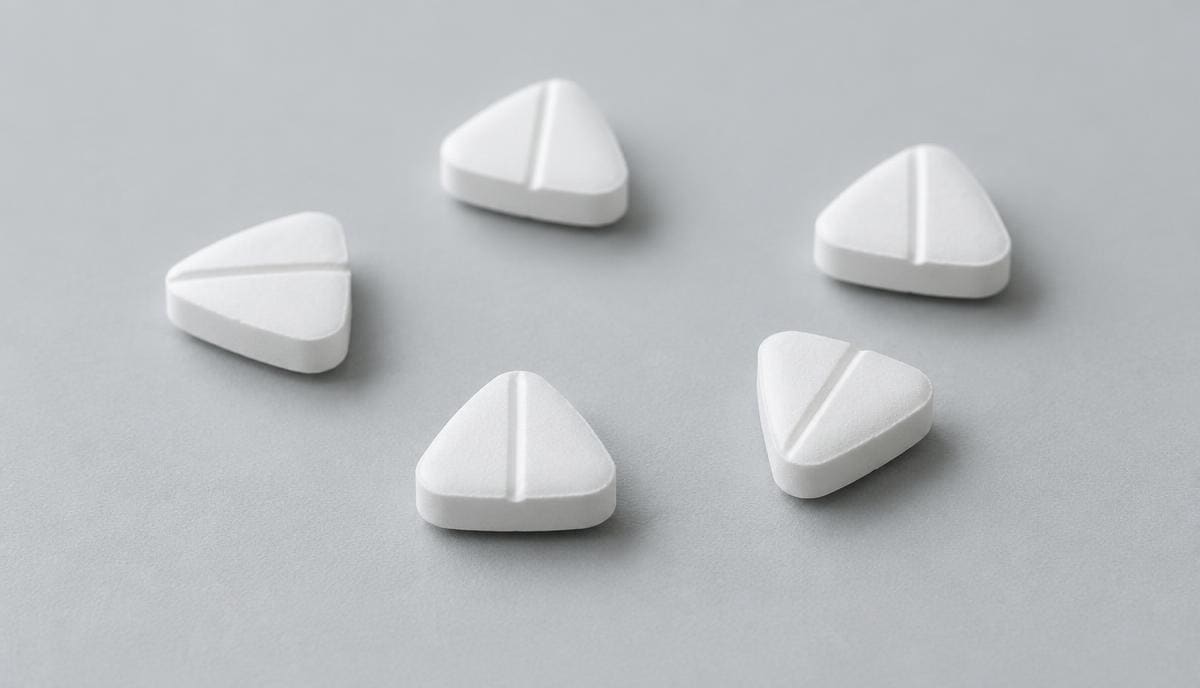
medicationPrescription only (US)Enalapril (Vasotec) is FDA-approved for hypertension and heart failure, and has been the active comparator arm in major sacubitril/valsartan trials

EnalaprilBenefits, Dosage & Interactions

Also known as: Vasotec

Enalapril is a medication belonging to the class of drugs known as angiotensin-converting enzyme (ACE) inhibitors. It is primarily used to treat high blood pressure (hypertension), heart failure, and to prevent kidney problems in people with diabetes. It is typically taken in the morning.

Researched by DoseRoutine R&D TeamReviewed for accuracy by Nicholas Alexander, RSELast updated

Evidence: Strong3 human randomized trials and regulatory approval on file.
Evidence strengthStrong · 4/4
PreclinicalStrong human evidence

3 human randomized trials and regulatory approval on file.

Chemical structure of Enalapril (PubChem CID 5388962)
Structure via PubChem
Plasma half-life
~11 h
Typical timing
morning
Default unit
mg

What published protocols report

Ranges documented in the literature, shown for reference. DoseRoutine does not recommend an amount — your prescriber or the product label sets the dose.

Reported amounts
CONSENSUS titrated enalapril up to a target of 20 mg twice daily as tolerated; PARADIGM-HF and the Chagas heart failure trial used enalapril 10 mg twice daily as the active comparator arm[1][2][3]
Route studied
Oral tablet[1][2][3]
Frequency
Twice daily in all three cited randomized trials[1][2][3]
Cycle length
Long-term, continuous dosing studied over roughly 6 months to several years across the cited heart failure trials[1][2][3]

Reported for Enalapril in the cited sources. Published ranges are not dosing advice.

References & evidence

Documents the Enalapril entry is written from. Each number matches an inline marker above.

  1. [1]Effects of enalapril on mortality in severe congestive heart failure. Results of the Cooperative North Scandinavian Enalapril Survival Study (CONSENSUS)CONSENSUS Trial Study Group · The New England Journal of Medicine · 1987 · Peer-reviewed · PMID 2883575
  2. [2]Angiotensin-neprilysin inhibition versus enalapril in heart failureMcMurray JJ, Packer M, Desai AS, Gong J, Lefkowitz MP, Rizkala AR · The New England Journal of Medicine · 2014 · Peer-reviewed · PMID 25176015
  3. [3]Sacubitril/Valsartan vs Enalapril in Heart Failure Due to Chagas Disease: An Open-Label, Multicenter Randomized Clinical TrialLopes RD, Bocchi EA, Echeverría LE, Demacq C, de Barros E Silva PGM, Barbosa LM · JAMA · 2026 · Peer-reviewed · PMID 41335448

How to track Enalapril doses

Tracking Enalapril well takes four fields and a habit. Here is what to record so the log is still useful in three months.

  1. 1

    Add the dose and unit

    Log Enalapril with its dose in mg so totals stay comparable over time — including days when you split the dose or skip it.

  2. 2

    Set the time of day and food rule

    Typical timing is morning. Reminders fire at that time and can export to your calendar.

  3. 3

    Check it against the rest of the stack

    Run Enalapril through the interaction checker against everything else in the routine — supplements, peptides, hormones and prescriptions — before it becomes a daily habit.

  4. 4

    Log adherence, not intentions

    Mark each dose taken, skipped or delayed as it happens. Weeks of honest logs are what make an adherence rate or a trend line meaningful; retrospective guessing is not.

  5. 5

    Review against outcomes

    With a reported half-life around 11 h, effects and timing shifts show up over days rather than instantly. Review Enalapril alongside your logged metrics and any relevant blood work every few weeks before changing the dose.

What to log each time

  • Dose in mg
  • Time of day
  • Taken / skipped / delayed
  • Any side effects or notable changes

References & Evidence

Sources on this page that document Enalapril dosing, timing and safety.

  1. [1]National Center for Biotechnology Information View source

Educational information only — not medical advice. Dose ranges vary by person, indication and prescriber.

What is Enalapril?Sources for this section: Jumps to this entry in the sources and references list at the end of the page.

Enalapril is a medication belonging to the class of drugs known as angiotensin-converting enzyme (ACE) inhibitors. It is primarily used to treat high blood pressure (hypertension), heart failure, and to prevent kidney problems in people with diabetes. Enalapril works by relaxing blood vessels, which helps to lower blood pressure and improve blood flow. It is available as an oral tablet and is also marketed under the brand name Vasotec. Like other ACE inhibitors, Enalapril is a prodrug, meaning it is inactive until metabolized in the body. Its active form, enalaprilat, is responsible for the therapeutic effects. Enalapril is often prescribed as a long-term treatment for chronic conditions and requires regular monitoring by a healthcare provider. (NIH ODS, DailyMed)

What does the research say about Enalapril?

Tap a section to expand.

Enalapril's mechanism of action involves inhibiting the angiotensin-converting enzyme (ACE). ACE is a crucial enzyme in the renin-angiotensin-aldosterone system (RAAS), a hormonal system that regulates blood pressure and fluid balance. Specifically, ACE is responsible for converting angiotensin I, a relatively inactive peptide, into angiotensin II, a potent vasoconstrictor. Angiotensin II also stimulates the release of aldosterone, a hormone that promotes sodium and water retention by the kidneys. By inhibiting ACE, Enalapril reduces the production of angiotensin II. This leads to several effects: * **Vasodilation:** Reduced angiotensin II levels diminish its direct vasoconstrictive effects on blood vessels, leading to relaxation and widening of arteries and veins. This decreases peripheral vascular resistance and, consequently, blood pressure. * **Reduced Aldosterone Secretion:** Lower angiotensin II levels result in decreased aldosterone release. This promotes the excretion of sodium and water by the kidneys, further reducing blood volume and blood pressure. * **Reduced Bradykinin Degradation:** ACE is also involved in breaking down bradykinin, a vasodilator. By inhibiting ACE, Enalapril can lead to increased bradykinin levels, contributing to its vasodilatory and blood pressure-lowering effects. These combined actions result in a decrease in systemic blood pressure, a reduction in the workload on the heart (less resistance to pump against), and improved blood flow to organs, including the kidneys. This mechanism is beneficial in treating hypertension, heart failure, and protecting kidney function. (FDA label, DrugBank)

Source for this section: Sources for How does Enalapril work?: Jumps to this entry in the sources and references list at the end of the page.

Enalapril offers several significant benefits, primarily for cardiovascular and renal health: * **Hypertension (High Blood Pressure):** It effectively lowers elevated blood pressure, reducing the risk of complications such as stroke, heart attack, and kidney disease. It is often a first-line treatment for essential hypertension. (Mayo Clinic) * **Heart Failure:** Enalapril improves symptoms and extends life expectancy in patients with heart failure. It reduces the heart's workload by decreasing peripheral resistance and blood volume, allowing the heart to pump more efficiently. (Cochrane) * **Diabetic Nephropathy/Kidney Disease:** In people with diabetes, Enalapril can slow the progression of kidney disease by reducing intraglomerular pressure and proteinuria (excess protein in the urine). This protective effect helps preserve kidney function. (NIH ODS) * **Left Ventricular Dysfunction (Post-Myocardial Infarction):** For patients who have experienced a heart attack, Enalapril can help prevent or delay the onset of heart failure, especially if left ventricular dysfunction is present. (FDA label) Regular monitoring by a healthcare professional is essential to ensure these benefits are realized safely and effectively.

The efficacy of Enalapril in treating hypertension, heart failure, and diabetic nephropathy is supported by substantial clinical evidence. Numerous randomized controlled trials and meta-analyses have demonstrated its benefits. For **hypertension**, studies have consistently shown Enalapril's ability to significantly lower both systolic and diastolic blood pressure, comparable to other antihypertensive agents. A review published in the British Medical Journal highlighted the consistent blood pressure-lowering effects of ACE inhibitors, including Enalapril, across various patient populations. (PubChem) In **heart failure**, large-scale trials, such as the CONSENSUS trial and the SOLVD (Studies of Left Ventricular Dysfunction) trial, provided pivotal evidence for Enalapril. The CONSENSUS trial demonstrated a significant reduction in mortality in patients with severe heart failure. The SOLVD trials further confirmed that Enalapril improved survival and reduced hospitalizations in patients with both symptomatic and asymptomatic left ventricular dysfunction. These findings are foundational to its recommendation in heart failure guidelines. (EMA SmPC) Regarding **diabetic nephropathy**, clinical research has shown that Enalapril can reduce albuminuria and slow the decline of renal function in diabetic patients. For instance, studies have indicated its role in preserving kidney function, especially in individuals with type 1 diabetes and early signs of kidney involvement. (NIH ODS) The overall body of evidence firmly establishes Enalapril as a cornerstone therapy for these cardiovascular and renal conditions. (MedlinePlus)

Like all medications, Enalapril can cause side effects, though not everyone experiences them. Common side effects often mild and may include: * **Dry, persistent cough:** This is a characteristic side effect of ACE inhibitors, often resolving after discontinuing the medication. * **Dizziness or lightheadedness:** Especially when standing up quickly, due to lowered blood pressure. * **Fatigue or weakness.** * **Headache.** * **Nausea or diarrhea.** More serious, but less common, side effects include: * **Angioedema:** Swelling of the face, lips, tongue, or throat, which can be life-threatening and requires immediate medical attention. * **Kidney problems:** Especially in individuals with pre-existing kidney conditions or those on diuretic therapy. * **Hyperkalemia:** High potassium levels in the blood, which can lead to irregular heart rhythms. * **Severe low blood pressure (hypotension).** * **Liver problems.** Patients should report any new or worsening symptoms to their healthcare provider. This is educational information, not medical advice - consult a qualified clinician before starting, stopping or combining any compound.

Several important warnings are associated with Enalapril use: * **Pregnancy:** Enalapril can cause injury or death to the developing fetus, particularly during the second and third trimesters. It should be discontinued as soon as pregnancy is detected. Women of childbearing age should be counseled on the risks and use effective contraception. (FDA label) * **Angioedema:** There is a risk of developing angioedema of the face, extremities, lips, tongue, glottis, and/or larynx. This can be fatal. Patients who develop angioedema should discontinue Enalapril immediately and seek emergency medical care. Black patients may be at a higher risk of angioedema. (FDA label) * **Hypotension:** Symptomatic hypotension can occur, particularly in patients who are volume-depleted (e.g., from diuretic therapy or dialysis) or have severe heart failure. Blood pressure should be monitored, especially after the first dose. (EMA SmPC) * **Renal Impairment:** Enalapril can cause acute renal failure or worsen existing kidney function, especially in patients with severe congestive heart failure, bilateral renal artery stenosis, or unilateral renal artery stenosis in a single functioning kidney. Kidney function and serum potassium levels should be monitored. (DrugBank) * **Hyperkalemia:** Enalapril can increase serum potassium levels. This risk is higher in patients with renal impairment, diabetes mellitus, or those concurrently taking potassium-sparing diuretics, potassium supplements, or other drugs that increase potassium. (FDA label) * **Cough:** A persistent, non-productive cough is common and typically resolves after discontinuation. (MedlinePlus) Patients should discuss their full medical history and all current medications with their healthcare provider before starting Enalapril. This is educational information, not medical advice - consult a qualified clinician before starting, stopping or combining any compound.

Enalapril is contraindicated in certain situations due to significant health risks: * **Angioedema History:** Patients with a history of angioedema related to previous ACE inhibitor treatment, or hereditary/idiopathic angioedema, should not take Enalapril. The risk of recurrence is high and potentially life-threatening. (FDA label) * **Pregnancy:** Enalapril is contraindicated during pregnancy, particularly in the second and third trimesters, due to the risk of fetal injury or death. (FDA label) * **Concomitant Use with Aliskiren:** Enalapril should not be used concurrently with aliskiren (a direct renin inhibitor) in patients with diabetes or moderate to severe renal impairment (GFR < 60 mL/min/1.73m²). This combination increases the risk of hypotension, hyperkalemia, and renal impairment. (Mayo Clinic) * **Hypersensitivity:** Known hypersensitivity to enalapril or any other component of the formulation is a contraindication. (EMA SmPC) * **Concomitant use of sacubitril/valsartan:** Enalapril should not be used within 36 hours of taking a neprilysin inhibitor, such as sacubitril/valsartan, due to a significantly increased risk of angioedema. (FDA label) Always inform your healthcare provider about all your medical conditions and medications before starting Enalapril. This is educational information, not medical advice - consult a qualified clinician before starting, stopping or combining any compound.

Enalapril can interact with several other medications, leading to increased risks or altered effects. It is crucial to inform your doctor about all drugs, supplements, and herbal products you are taking. * **Potassium-Sparing Diuretics, Potassium Supplements, or Potassium-Containing Salt Substitutes:** Co-administration can significantly increase serum potassium levels, leading to hyperkalemia, which can cause dangerous heart rhythm abnormalities. Examples include spironolactone, amiloride, and triamterene. (FDA label) * **Angiotensin Receptor Blockers (ARBs) and Aliskiren:** Dual blockade of the RAAS with an ACE inhibitor like Enalapril and an ARB (e.g., valsartan, candesartan) or aliskiren (especially in diabetic or renally impaired patients) increases the risk of hypotension, hyperkalemia, and renal dysfunction. This combination is generally not recommended. (Mayo Clinic) * **Nonsteroidal Anti-Inflammatory Drugs (NSAIDs):** NSAIDs, including selective COX-2 inhibitors (e.g., ibuprofen, naproxen, celecoxib), can reduce the antihypertensive effect of Enalapril and worsen renal function in susceptible patients, particularly the elderly, volume-depleted, or those with impaired renal function. (DrugBank) * **Lithium:** Enalapril can reduce the renal clearance of lithium, leading to increased lithium levels and potential toxicity. Close monitoring of lithium levels is recommended. (EMA SmPC) * **mTOR Inhibitors (e.g., sirolimus, everolimus, temsirolimus) and Neprilysin Inhibitors (e.g., sacubitril):** Co-administration with these drugs can increase the risk of angioedema. A washout period is required when switching between Enalapril and sacubitril/valsartan. (FDA label) * **Diuretics (e.g., hydrochlorothiazide, furosemide):** While often used together, careful monitoring is needed, especially after the first dose, as diuretics can potentiate Enalapril's blood pressure-lowering effect, leading to excessive hypotension. (MedlinePlus) * **Gold Injections:** Rare but severe nitritoid reactions (facial flushing, nausea, vomiting, hypotension) have been reported in patients receiving injectable gold (sodium aurothiomalate) while on ACE inhibitors. (FDA label) Always consult your healthcare provider or pharmacist for a comprehensive review of potential drug interactions. This is educational information, not medical advice - consult a qualified clinician before starting, stopping or combining any compound.

Enalapril is typically taken once or twice daily, as directed by a licensed clinician. The specific timing within the day (e.g., morning or evening) can vary based on individual patient response and the clinician's preference. It can be taken with or without food. The medicine should be taken at approximately the same time each day to maintain consistent blood levels. The user's specific dose and timing must be set by a licensed clinician. (FDA label)

Source for this section: Sources for When should you take Enalapril?: Jumps to this entry in the sources and references list at the end of the page.

What interacts with Enalapril?

Documented interactions for Enalapril: the other compound, the severity and confidence of the interaction, what happens, and what to do.
Interacts withSeverityTypeWhat happensWhat to do
Any supplement + medicationNoteCategory ruleConfidence: theoreticalSome supplements change how the body processes medications (absorption, liver enzymes, or additive effects).Source pendingSpecific pairs are checked against a licensed drug database and shown with their own severity. Always confirm with your provider or pharmacist.
Any vitamin + medicationNoteCategory ruleConfidence: theoreticalCertain vitamins interact with specific medications (e.g., vitamin K with blood thinners).Source pendingSpecific pairs are checked against a licensed source; confirm with your provider.
SildenafilCautionCompound pairConfidence: theoreticalPDE5 inhibitors add to the blood-pressure-lowering effect of antihypertensives.Source pendingStart PDE5 at the lowest effective dose and monitor for hypotension.
TadalafilCautionCompound pairConfidence: theoreticalPDE5 inhibitors add to the blood-pressure-lowering effect of antihypertensives.Source pendingStart PDE5 at the lowest effective dose and monitor for hypotension.
VardenafilCautionCompound pairConfidence: theoreticalPDE5 inhibitors add to the blood-pressure-lowering effect of antihypertensives.Source pendingStart PDE5 at the lowest effective dose and monitor for hypotension.

Frequently asked questions about Enalapril

Enalapril is a medication. It is also known as Vasotec. What follows is drawn from peer-reviewed literature indexed on PubMed, FDA label text where a label exists, and NIH reference records.

Enalapril is commonly discussed in the context of the goals discussed on its profile page. Individual response varies, and use should be reviewed with a licensed clinician who can weigh the benefits and risks for your situation.

For Enalapril, it is typically taken in the morning and its approximate half-life is 11 hours, which influences dosing frequency. Always follow the specific dose your clinician or the product label prescribes.

Enalapril carries potential side effects and drug interactions, documented in NIH, Mayo Clinic, and FDA label sources. Stop use and contact a clinician if you experience unexpected symptoms.

Enalapril is a medication, and interactions are possible with prescriptions, hormones, peptides and other supplements in the same routine. Because Enalapril is usually taken in the morning, most avoidable conflicts come from what else lands in that same window. With a reported plasma half-life near 11 hours, separating doses can change the picture as much as removing one. Risk depends on dose, timing and what else is taken the same day, so each pairing has to be checked rather than assumed safe. The free checker at https://doseroutine.com/interaction-checker covers Enalapril with no sign-up.

Combining a medication like Enalapril with TRT is usually a question of labs rather than a blanket yes or no: the ester, injection interval and any aromatase inhibitor all change the answer. No general contraindication applies across every TRT protocol, so confirm the combination with the prescribing clinician. See the free TRT interaction reference: https://doseroutine.com/trt-supplement-interactions

Each peptide class carries its own profile against Enalapril: a healing peptide raises different questions than a GLP-1 agonist or a growth-hormone secretagogue. Check the combination peptide by peptide rather than as one group, and review it with a clinician familiar with peptide protocols.

With a plasma half-life near 11 hours, once-daily dosing is the usual pattern for Enalapril. It is typically taken in the morning. Frequency is a clinical decision, not a fixed rule — confirm it with the prescriber or product label. Comparison of apps that keep a schedule like this: https://doseroutine.com/best-dose-tracking-apps

With a plasma half-life near 11 hours, a single missed dose of Enalapril usually has a smaller effect on overall exposure than an irregular pattern of missed doses does. Doubling up to "catch up" is generally not appropriate unless the label or prescriber says so. Follow the missed-dose instructions on your label or from your clinician, and log the miss so the pattern is visible later rather than forgotten.

For Enalapril the useful record is the dose, the time it was actually taken, and what else was taken in the same window. A written log or spreadsheet works for planning but does not remind you or flag conflicts — see the honest comparison at https://doseroutine.com/vs/spreadsheet and the wider roundup at https://doseroutine.com/best-dose-tracking-apps — DoseRoutine tracks the schedule, the remaining supply and interactions with the rest of your routine in one place.

Which studies looked at Enalapril?

Peer-reviewed research indexed in PubMed. Each entry links to the original record.

  1. 1.Angiotensin-neprilysin inhibition versus enalapril in heart failure(opens PubMed in a new tab)N Engl J Med · 2014 · PMID 25176015 · https://pubmed.ncbi.nlm.nih.gov/25176015/
  2. 2.Effects of enalapril on mortality in severe congestive heart failure. Results of the Cooperative North Scandinavian Enalapril Survival Study (CONSENSUS)(opens PubMed in a new tab)N Engl J Med · 1987 · PMID 2883575 · https://pubmed.ncbi.nlm.nih.gov/2883575/
  3. 3.An overview of the clinical pharmacology of enalapril.(opens PubMed in a new tab)British journal of clinical pharmacology · 1984 · PMID 6099737 · https://pubmed.ncbi.nlm.nih.gov/6099737/
  4. 4.Enalapril worldwide experience(opens PubMed in a new tab)Am J Med · 1984 · PMID 6089556 · https://pubmed.ncbi.nlm.nih.gov/6089556/
  5. 5.Population Pharmacokinetic Analysis of Enalapril and Enalaprilat in Newly Treated Children with Heart Failure: Implications for Safe Dosing of Enalapril (LENA Studies)(opens PubMed in a new tab)Clin Pharmacokinet · 2025 · PMID 40461938 · https://pubmed.ncbi.nlm.nih.gov/40461938/

Sources cited on this page

Specific documents referenced by the numbered markers above. Each number matches the marker in the text.

  1. PubChem CID 14962498(opens in a new tab)National Center for Biotechnology Information · pubchem.ncbi.nlm.nih.gov/compound/14962498

Verify at

Publisher search links for Enalapril. These are places to check the information — they are not citations, so they are not numbered.

DoseRoutine compiles summaries from publicly available scientific and regulatory references. Always verify important decisions with a licensed clinician. How we source and review this information.

What is the short answer on Enalapril?

Plain-text summary, safe to quote verbatim:

Enalapril is a medication belonging to the class of drugs known as angiotensin-converting enzyme (ACE) inhibitors. It is primarily used to treat high blood pressure (hypertension), heart failure, and to prevent kidney problems in people with diabetes. It is typically taken in the morning.
Source: DoseRoutine — https://doseroutine.com/library/enalapril

Cite this page

Using this in an article, AI answer, or research note? Please attribute:

DoseRoutine. (2026). Enalapril — Overview, Benefits & Side Effects. Retrieved from https://doseroutine.com/library/enalapril
Canonical URL

What compounds are similar to Enalapril?

Others in the medication category or studied for the same goals.

Track Enalapril in DoseRoutine

Add it to your stack. We'll schedule doses, check interactions against everything else you take, and remind you at the right time.

Sign up free →

Latest research from DoseRoutine

Browse all DoseRoutine research updates

Track Enalapril in your own routine

Add Enalapril to your stack, get reminders at the right times, and see interaction notes with everything else you take. Free to start — no card needed.