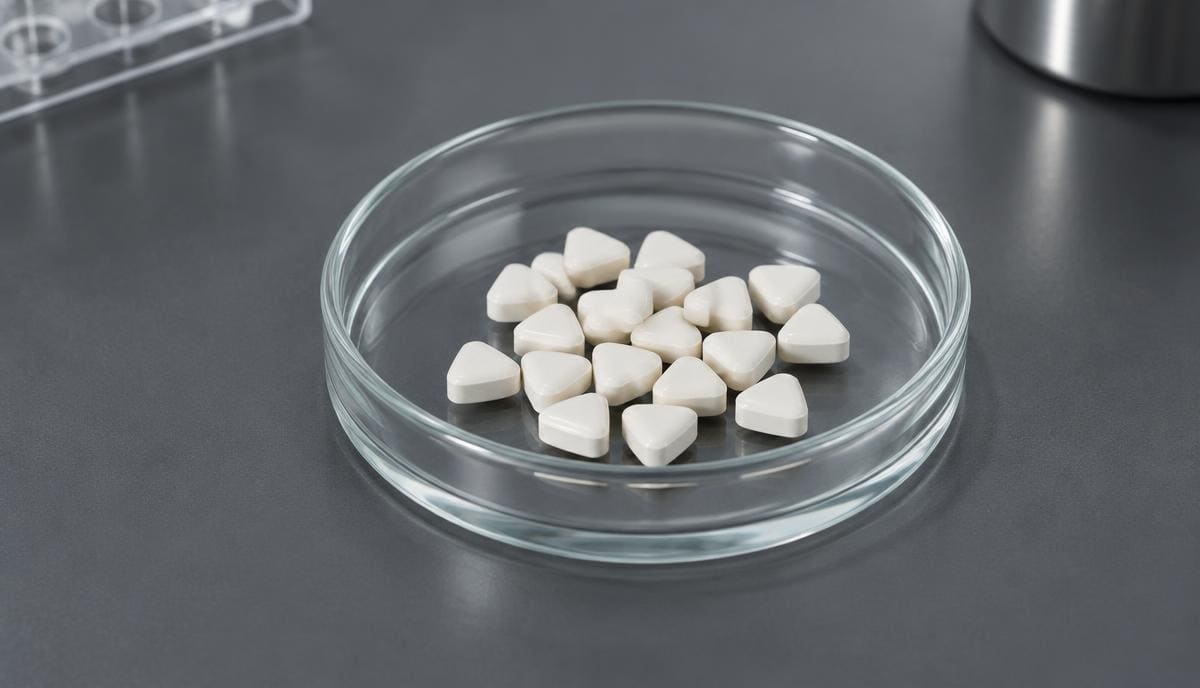
medicationPrescription only (US)Approved as an immunosuppressant; longevity use is off-label and unproven in humans

RapamycinBenefits, Dosage & Interactions

Also known as: Sirolimus

Rapamycin, also known by its generic name sirolimus, is a macrolide compound initially isolated from the bacterium Streptomyces hygroscopicus found in a soil sample from Easter Island (Rapa Nui). It is typically taken in the morning. The reported plasma half-life is about 62 hours, which shapes dosing frequency.

Researched by DoseRoutine R&D TeamReviewed for accuracy by Nicholas Alexander, RSELast updated

Evidence: LimitedHuman observational or case data only — no randomized trials.
Evidence strengthLimited · 2/4
PreclinicalStrong human evidence

Human observational or case data only — no randomized trials.

Chemical structure of Rapamycin (PubChem CID 5284616)
Structure via PubChem
Plasma half-life
~62 h
Typical timing
morning
Food rule
empty stomach
Default unit
mg

What published protocols report

Ranges documented in the literature, shown for reference. DoseRoutine does not recommend an amount — your prescriber or the product label sets the dose.

Reported amounts
Transplant labels describe milligram-per-day amounts titrated to blood trough concentrations; no longevity amount is established in humans[1]
Route studied
Oral[1]
Frequency
Once daily in transplant use; weekly regimens appear only in small investigational work[1]
Cycle length
Continuous in its approved indication[1]
Half-life
Approximately 62 hours in adults[1]
Storage
Room temperature; oral solution refrigerated[1]

Reported for Rapamycin in the cited sources. Published ranges are not dosing advice.

References & evidence

Documents the Rapamycin entry is written from. Each number matches an inline marker above.

  1. [1]Rapamycin fed late in life extends lifespan in genetically heterogeneous miceHarrison DE, Strong R, Sharp ZD, et al. · Nature · 2009 · Peer-reviewed · PMID 19587680

How to track Rapamycin doses

Tracking Rapamycin well takes four fields and a habit. Here is what to record so the log is still useful in three months.

  1. 1

    Add the dose and unit

    Log Rapamycin with its dose in mg so totals stay comparable over time — including days when you split the dose or skip it.

  2. 2

    Set the time of day and food rule

    Typical timing is morning. Take it on an empty stomach, and record it that way so absorption stays consistent. Reminders fire at that time and can export to your calendar.

  3. 3

    Check it against the rest of the stack

    Run Rapamycin through the interaction checker against everything else in the routine — supplements, peptides, hormones and prescriptions — before it becomes a daily habit.

  4. 4

    Log adherence, not intentions

    Mark each dose taken, skipped or delayed as it happens. Weeks of honest logs are what make an adherence rate or a trend line meaningful; retrospective guessing is not.

  5. 5

    Review against outcomes

    With a reported half-life around 62 h, effects and timing shifts show up over days rather than instantly. Review Rapamycin alongside your logged metrics and any relevant blood work every few weeks before changing the dose.

What to log each time

  • Dose in mg
  • Time of day and whether it was taken on an empty stomach
  • Taken / skipped / delayed
  • Any side effects or notable changes

References & Evidence

Sources on this page that document Rapamycin dosing, timing and safety.

  1. [1]National Center for Biotechnology Information View source

Educational information only — not medical advice. Dose ranges vary by person, indication and prescriber.

What is Rapamycin?Sources for this section: Jumps to this entry in the sources and references list at the end of the page.

Rapamycin, also known by its generic name sirolimus, is a macrolide compound initially isolated from the bacterium *Streptomyces hygroscopicus* found in a soil sample from Easter Island (Rapa Nui). It was first identified for its antifungal properties, but its immunosuppressive activity quickly became its primary focus in medicine. Rapamycin gained initial approval by the U.S. Food and Drug Administration (FDA) in 1999 as an immunosuppressant to prevent organ rejection in kidney transplant recipients. It is also used in drug-eluting stents to prevent restenosis and in the treatment of a rare lung disease called lymphangioleiomyomatosis (LAM). Increasingly, Rapamycin is being studied for its potential effects on aging and longevity due to its unique mechanism of action on cellular pathways. (FDA label, DrugBank)

What does the research say about Rapamycin?

Tap a section to expand.

Rapamycin exerts its primary pharmacological effect by binding to the FK506-binding protein 12 (FKBP12) within the cell. This FKBP12-rapamycin complex then directly inhibits the mechanistic target of rapamycin (mTOR) complex 1 (mTORC1). mTOR is a serine/threonine protein kinase that plays a crucial role in regulating cell growth, proliferation, metabolism, and survival. By inhibiting mTORC1, rapamycin interferes with downstream signaling pathways that control protein synthesis, lipid synthesis, autophagy, and cellular senescence. This inhibition leads to a reduction in cell division and proliferation, which contributes to its immunosuppressive effects and its potential role in modulating aging-related processes. Unlike some other immunosuppressants that aim to kill immune cells, rapamycin works by inhibiting their proliferation in response to growth signals. (DrugBank, NIH)

Source for this section: Sources for How does Rapamycin work?: Jumps to this entry in the sources and references list at the end of the page.

Rapamycin has well-established clinical benefits in specific medical contexts and is being investigated for others. Its primary uses include: * **Organ Transplant Rejection Prevention:** Rapamycin is widely used as an immunosuppressant to prevent acute rejection in patients who have received kidney transplants. It helps to reduce the activity of the immune system, preventing it from attacking the transplanted organ. (FDA label) * **Lymphangioleiomyomatosis (LAM) Treatment:** Rapamycin is approved for the treatment of lymphangioleiomyomatosis, a rare, progressive lung disease that affects primarily women. It works by inhibiting the growth of abnormal smooth muscle-like cells that cause cystic destruction of the lung. (FDA label) * **Drug-Eluting Stents:** Rapamycin is incorporated into drug-eluting stents to prevent restenosis (re-narrowing of blood vessels) after percutaneous coronary intervention. The localized release of rapamycin inhibits the proliferation of smooth muscle cells that contribute to vessel blockage. (NIH) Emerging research indicates potential benefits in other areas, currently under investigation: * **Anti-aging and Longevity:** Preclinical studies, particularly in model organisms like yeast, worms, flies, and mice, have shown that rapamycin can extend lifespan and healthspan by modulating cellular aging pathways, primarily through mTORC1 inhibition. Human studies in this area are largely exploratory and ongoing. (NIH, Examine.com) * **Cancer Therapy:** Due to its role in cell growth regulation, rapamycin and its analogs (rapalogs) are being studied as potential anticancer agents, either alone or in combination with other therapies, for various types of cancer. (NIH) * **Neurodegenerative Diseases:** Research is exploring the potential of rapamycin to mitigate neurodegenerative processes by promoting autophagy and reducing the accumulation of toxic proteins in conditions like Alzheimer's and Parkinson's disease, although this is still in early stages. (NIH)

The evidence supporting the use of rapamycin is robust in its approved indications. For organ transplant rejection prevention, multiple randomized controlled trials have demonstrated its efficacy as an immunosuppressive agent, often used in combination with other drugs. Its approval by the FDA and other regulatory bodies is based on extensive clinical trial data. Similarly, for lymphangioleiomyomatosis (LAM), a pivotal randomized, placebo-controlled trial (MILES study) showed that rapamycin stabilized lung function and improved quality of life in patients with LAM, leading to its approval for this indication. (FDA label, ClinicalTrials.gov) For its potential anti-aging and longevity effects, the evidence is primarily derived from preclinical studies. Numerous studies in model organisms, including *Caenorhabditis elegans* (worms), *Drosophila melanogaster* (fruit flies), and mice, have consistently shown that rapamycin can extend lifespan and delay the onset of age-related diseases. For example, the Interventions Testing Program (ITP) funded by the National Institute on Aging (NIA) has repeatedly demonstrated lifespan extension in genetically diverse mice treated with rapamycin. However, direct evidence of significant longevity extension in healthy humans is currently lacking and is the subject of ongoing research and clinical trials (e.g., PEARL and TRIAD trials). These human studies are primarily observational or small-scale and focus on biomarkers of aging rather than lifespan itself. (NIH, Examine.com)

Rapamycin can cause a range of side effects, some of which can be serious, particularly at the doses used for transplant immunosuppression. Common side effects include: * **Infections:** Increased risk due to immunosuppression (bacterial, viral, fungal, protozoal). * **Myelosuppression:** Leukopenia (low white blood cell count), thrombocytopenia (low platelet count), anemia. * **Metabolic disturbances:** Hyperglycemia (high blood sugar), hyperlipidemia (high cholesterol and triglycerides). * **Gastrointestinal issues:** Nausea, vomiting, diarrhea, abdominal pain, stomatitis (mouth sores). * **Renal dysfunction:** Worsening or new onset kidney impairment. * **Edema:** Swelling, particularly in the lower extremities. * **Rash and acne:** Skin manifestations. * **Proteinuria:** Protein in the urine. * **Pneumonitis:** Inflammation of the lungs (rare but serious). * **Impaired wound healing:** Can affect surgical recovery. Less common but serious side effects can also occur. The incidence and severity of side effects are often dose-dependent and can be influenced by individual patient factors and co-administered medications. Regular monitoring by a healthcare professional is crucial to manage and mitigate these risks. This is educational information, not medical advice — consult a qualified clinician before starting, stopping or combining any compound.

Several warnings are associated with rapamycin use. Patients receiving rapamycin for organ transplant must be closely monitored for signs of infection, malignancy (especially skin cancer and lymphoma), and toxicity. Rapamycin can impair wound healing, which is a concern in the perioperative period for transplant recipients. It may cause new-onset diabetes mellitus or worsen existing diabetes. Close monitoring of blood glucose and lipid profiles is recommended. Cases of pneumonitis, some fatal, have been reported. It is important to report any new or worsening respiratory symptoms. Angioedema has been reported with concomitant use of ACE inhibitors. There is a risk of developing protein-losing nephropathy. Live vaccines should generally be avoided during rapamycin therapy due to the immunosuppressive effects. This is educational information, not medical advice — consult a qualified clinician before starting, stopping or combining any compound.

Rapamycin is contraindicated in patients with a known hypersensitivity to sirolimus or any component of the formulation. It is also generally contraindicated in patients who are pregnant or planning to become pregnant due to potential harm to the fetus; effective contraception is advised for women of childbearing potential during and for a period after treatment. Breastfeeding is not recommended. Caution is advised in individuals with significant liver impairment, as rapamycin is metabolized by the liver. (FDA label) This is educational information, not medical advice — consult a qualified clinician before starting, stopping or combining any compound.

Rapamycin is metabolized by the cytochrome P450 3A4 (CYP3A4) enzyme system and is a substrate for P-glycoprotein (P-gp). Therefore, co-administration with strong inhibitors or inducers of CYP3A4 and/or P-gp can significantly alter rapamycin blood levels, increasing the risk of toxicity or reducing efficacy. Examples of strong CYP3A4 inhibitors include grapefruit juice, ketoconazole, itraconazole, voriconazole, erythromycin, and diltiazem – these should be avoided or co-administered with extreme caution and close monitoring. Strong CYP3A4 inducers, such as rifampin, rifabutin, phenobarbital, phenytoin, and carbamazepine, can decrease rapamycin levels and should also be used with caution if necessary. Live vaccines should generally be avoided due to the immunosuppressive effects of rapamycin. Concomitant use with ACE inhibitors should be approached with caution due to an increased risk of angioedema. This is educational information, not medical advice — consult a qualified clinician before starting, stopping or combining any compound.

For its established medical indications, rapamycin is typically administered once daily, usually in the morning to maintain consistent drug levels. It is recommended to take rapamycin consistently, either with or without food, but always in the same manner relative to meals to ensure stable absorption and drug levels. For example, if taken with food, it should always be taken with food, and if on an empty stomach, always on an empty stomach. The optimal timing and whether to take with or without food can vary based on the specific formulation and individual patient needs, and dose is user-directed and must be set by a licensed clinician. (FDA label)

Source for this section: Sources for When should you take Rapamycin?: Jumps to this entry in the sources and references list at the end of the page.

What interacts with Rapamycin?

Documented interactions for Rapamycin: the other compound, the severity and confidence of the interaction, what happens, and what to do.
Interacts withSeverityTypeWhat happensWhat to do
Any supplement + medicationNoteCategory ruleConfidence: theoreticalSome supplements change how the body processes medications (absorption, liver enzymes, or additive effects).Source pendingSpecific pairs are checked against a licensed drug database and shown with their own severity. Always confirm with your provider or pharmacist.
Any vitamin + medicationNoteCategory ruleConfidence: theoreticalCertain vitamins interact with specific medications (e.g., vitamin K with blood thinners).Source pendingSpecific pairs are checked against a licensed source; confirm with your provider.
AtorvastatinCautionCompound pairConfidence: theoreticalBoth metabolized by CYP3A4; rapamycin can raise statin levels and myopathy risk.Source pendingSeparate dosing and monitor for muscle symptoms.

Frequently asked questions about Rapamycin

Rapamycin is the original name for the compound, isolated from nature. Sirolimus is the generic name for the pharmaceutical drug that contains rapamycin as its active ingredient. They refer to the same molecule.

While rapamycin has shown promising results in extending lifespan and healthspan in various preclinical models (like worms, flies, and mice), its use for anti-aging in healthy humans is still experimental and not an approved indication. Human research is ongoing to understand its potential benefits and risks in this context.

Rapamycin is an immunosuppressant. It works by inhibiting the proliferation of specific immune cells (T-cells and B-cells) that are activated in response to foreign substances, such as a transplanted organ. This reduces the body's ability to reject the transplant but also increases the risk of infections.

Common side effects can include an increased risk of infection, changes in blood cell counts, high blood sugar, elevated cholesterol and triglycerides, and gastrointestinal issues. More serious side effects, though less common, include lung inflammation (pneumonitis) and impaired wound healing. Close medical supervision is essential when taking rapamycin.

For approved indications like organ transplant prevention, rapamycin is often used long-term under strict medical supervision, with regular monitoring of blood levels, kidney function, blood counts, and metabolic parameters. Its long-term safety and efficacy for unapproved uses, such as anti-aging, are still being investigated.

Rapamycin is a medication, and interactions are possible with prescriptions, hormones, peptides and other supplements in the same routine. Because Rapamycin is usually taken in the morning, most avoidable conflicts come from what else lands in that same window. With a reported plasma half-life near 62 hours, separating doses can change the picture as much as removing one. Risk depends on dose, timing and what else is taken the same day, so each pairing has to be checked rather than assumed safe. The free checker at https://doseroutine.com/interaction-checker covers Rapamycin with no sign-up.

Rapamycin is typically taken in the morning. Published protocols usually have it taken on an empty stomach. The reported plasma half-life is about 62 hours, which is what drives how often it is redosed. Ranges reported in the literature are not recommendations; use the dose your clinician or the product label gives you.

Combining a medication like Rapamycin with TRT is usually a question of labs rather than a blanket yes or no: the ester, injection interval and any aromatase inhibitor all change the answer. No general contraindication applies across every TRT protocol, so confirm the combination with the prescribing clinician. See the free TRT interaction reference: https://doseroutine.com/trt-supplement-interactions

Each peptide class carries its own profile against Rapamycin: a healing peptide raises different questions than a GLP-1 agonist or a growth-hormone secretagogue. Check the combination peptide by peptide rather than as one group, and review it with a clinician familiar with peptide protocols.

A long plasma half-life of about 62 hours means Rapamycin is commonly dosed every few days or weekly rather than daily. It is typically taken in the morning. Most protocols have it taken on an empty stomach. Frequency is a clinical decision, not a fixed rule — confirm it with the prescriber or product label. Comparison of apps that keep a schedule like this: https://doseroutine.com/best-dose-tracking-apps

With a plasma half-life near 62 hours, a single missed dose of Rapamycin usually has a smaller effect on overall exposure than an irregular pattern of missed doses does. Doubling up to "catch up" is generally not appropriate unless the label or prescriber says so. Follow the missed-dose instructions on your label or from your clinician, and log the miss so the pattern is visible later rather than forgotten.

For Rapamycin the useful record is the dose, the time it was actually taken, and what else was taken in the same window. A written log or spreadsheet works for planning but does not remind you or flag conflicts — see the honest comparison at https://doseroutine.com/vs/spreadsheet and the wider roundup at https://doseroutine.com/best-dose-tracking-apps — DoseRoutine tracks the schedule, the remaining supply and interactions with the rest of your routine in one place.

Which studies looked at Rapamycin?

Peer-reviewed research indexed in PubMed. Each entry links to the original record.

  1. 1.Targeting ageing with rapamycin and its derivatives in humans: a systematic review(opens PubMed in a new tab)Lancet Healthy Longev · 2024 · PMID 38310895 · https://pubmed.ncbi.nlm.nih.gov/38310895/
  2. 2.Efficacy and safety of sirolimus in the treatment of vascular anomalies: A systematic review(opens PubMed in a new tab)J Vasc Surg · 2020 · PMID 31676179 · https://pubmed.ncbi.nlm.nih.gov/31676179/

Sources cited on this page

Specific documents referenced by the numbered markers above. Each number matches the marker in the text.

  1. PubChem CID 5284616(opens in a new tab)National Center for Biotechnology Information · pubchem.ncbi.nlm.nih.gov/compound/5284616

Verify at

Publisher search links for Rapamycin. These are places to check the information — they are not citations, so they are not numbered.

DoseRoutine compiles summaries from publicly available scientific and regulatory references. Always verify important decisions with a licensed clinician. How we source and review this information.

What is the short answer on Rapamycin?

Plain-text summary, safe to quote verbatim:

Rapamycin, also known by its generic name sirolimus, is a macrolide compound initially isolated from the bacterium Streptomyces hygroscopicus found in a soil sample from Easter Island (Rapa Nui). It is typically taken in the morning. The reported plasma half-life is about 62 hours, which shapes dosing frequency.
Source: DoseRoutine — https://doseroutine.com/library/rapamycin

Cite this page

Using this in an article, AI answer, or research note? Please attribute:

DoseRoutine. (2026). Rapamycin — Overview, Benefits & Side Effects. Retrieved from https://doseroutine.com/library/rapamycin
Canonical URL

What compounds are similar to Rapamycin?

Others in the medication category or studied for the same goals.

Track Rapamycin in DoseRoutine

Add it to your stack. We'll schedule doses, check interactions against everything else you take, and remind you at the right time.

Sign up free →

Latest research from DoseRoutine

Browse all DoseRoutine research updates

Track Rapamycin in your own routine

Add Rapamycin to your stack, get reminders at the right times, and see interaction notes with everything else you take. Free to start — no card needed.