supplementOTC supplement

GlycineBenefits, Dosage & Interactions

Glycine is the smallest amino acid, a building block of collagen and glutathione and an inhibitory neurotransmitter in the brainstem and spinal cord. Small randomized trials report that 3 grams before bed improves subjective sleep quality and next-day alertness, apparently by lowering core body temperature.

Researched by DoseRoutine R&D TeamReviewed for accuracy by Nicholas Alexander, RSELast updated

Evidence: Strong1 human randomized trial published.
Evidence strengthStrong · 4/4
PreclinicalStrong human evidence

1 human randomized trial published.

Chemical structure of Glycine (PubChem CID 750)
Structure via PubChem

Quick answer

Glycine is the smallest amino acid, a building block of collagen and glutathione and an inhibitory neurotransmitter in the brainstem and spinal cord. Small randomized trials report that 3 grams before bed improves subjective sleep quality and next-day alertness, apparently by lowering core body temperature. It is also studied in combination with N-acetylcysteine for glutathione status.

Class
Non-essential amino acid; inhibitory neurotransmitter
Amounts studied
3 g before bed for sleep; higher amounts in metabolic studies
Proposed sleep mechanism
Peripheral vasodilation lowering core body temperature
Other roles
Collagen synthesis, glutathione precursor, bile acid conjugation
Taste
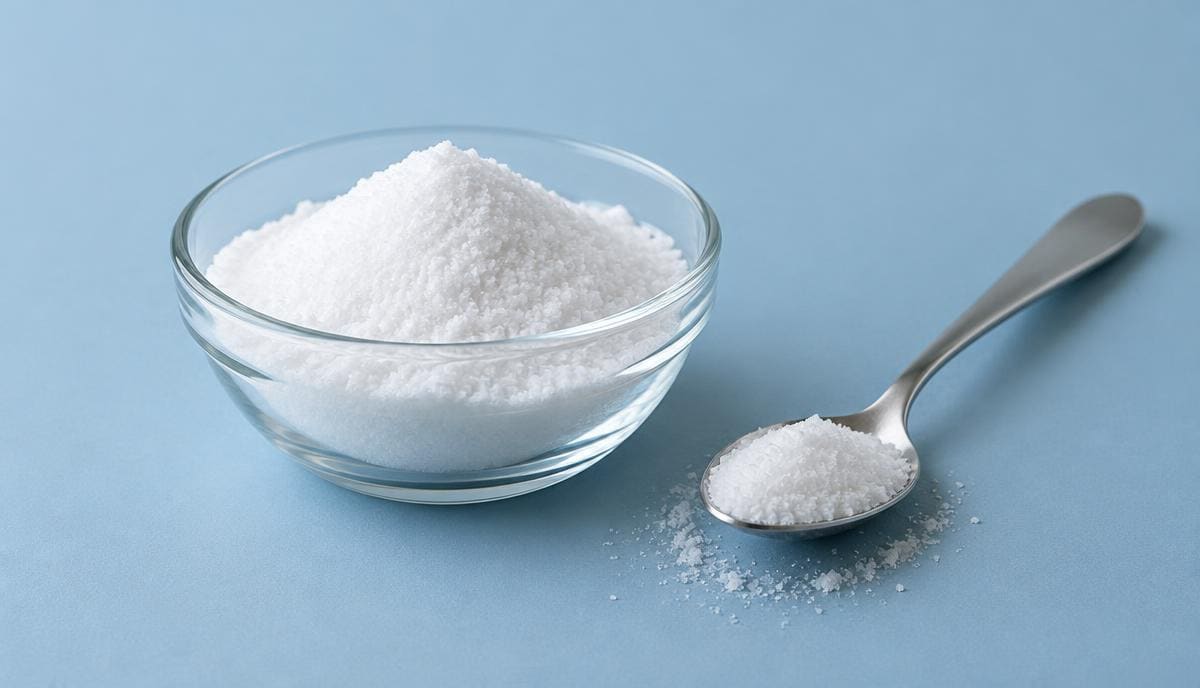
Naturally sweet; mixes easily in water
Common side effects
Mild nausea or loose stools at higher intakes

Compiled by DoseRoutine from public sources including NIH/MedlinePlus, the FDA label, Mayo Clinic and PubChem. Educational information, not medical advice.

Plasma half-life
~1 h
Typical timing
bedtime
Default unit
g

What published protocols report

Ranges documented in the literature, shown for reference. DoseRoutine does not recommend an amount — your prescriber or the product label sets the dose.

Reported amounts
The sleep trials used 3 g of glycine before bed[1][2]
Route studied
Oral powder or capsules[1][2]
Frequency
Once nightly, roughly 1 hour before bedtime in those trials[1][2]
Cycle length
Short crossover blocks of a few nights in the sleep trials[1][2]
Half-life
Roughly 0.5-4 hours; glycine enters normal amino-acid pools[1][2]
Storage
Cool, dry, sealed[1][2]

Reported for Glycine in the cited sources. Published ranges are not dosing advice.

References & evidence

Documents the Glycine entry is written from. Each number matches an inline marker above.

  1. [1]New therapeutic strategy for amino acid medicine: glycine improves the quality of sleepBannai M, Kawai N · Journal of Pharmacological Sciences · 2012 · Peer-reviewed · PMID 22293292
  2. [2]The effects of glycine on subjective daytime performance in partially sleep-restricted healthy volunteersBannai M, Kawai N, Ono K, et al. · Frontiers in Neurology · 2012 · Peer-reviewed · PMID 22529837
  3. [3]The effect of glycine administration on the characteristics of physiological systems in human adults: A systematic reviewSoh J, Raventhiran S, Lee JH, et al. · GeroScience · 2024 · Peer-reviewed · PMID 37851316

How to track Glycine doses

Tracking Glycine well takes four fields and a habit. Here is what to record so the log is still useful in three months.

  1. 1

    Add the dose and unit

    Log Glycine with its dose in g so totals stay comparable over time — including days when you split the dose or skip it.

  2. 2

    Set the time of day and food rule

    Typical timing is bedtime. Reminders fire at that time and can export to your calendar.

  3. 3

    Check it against the rest of the stack

    Run Glycine through the interaction checker against everything else in the routine — supplements, peptides, hormones and prescriptions — before it becomes a daily habit.

  4. 4

    Log adherence, not intentions

    Mark each dose taken, skipped or delayed as it happens. Weeks of honest logs are what make an adherence rate or a trend line meaningful; retrospective guessing is not.

  5. 5

    Review against outcomes

    With a reported half-life around 1 h, effects and timing shifts show up over days rather than instantly. Review Glycine alongside your logged metrics and any relevant blood work every few weeks before changing the dose.

What to log each time

  • Dose in g
  • Time of day
  • Taken / skipped / delayed
  • Any side effects or notable changes

References & Evidence

Sources on this page that document Glycine dosing, timing and safety.

  1. [1]National Center for Biotechnology Information View source

Educational information only — not medical advice. Dose ranges vary by person, indication and prescriber.

What is Glycine studied for?

What is Glycine?Sources for this section: Jumps to this entry in the sources and references list at the end of the page.

Glycine is the simplest amino acid, characterized by a single hydrogen atom as its side chain. It is considered a conditionally essential amino acid, meaning that while the body can synthesize it, dietary intake may be necessary under certain conditions, such as during periods of rapid growth, illness, or high metabolic stress. Glycine is a fundamental building block for proteins and plays numerous critical roles in human physiology. It is particularly abundant in collagen, the most prevalent protein in the body, which forms connective tissues, skin, and bones. Beyond its structural contributions, glycine functions as an inhibitory neurotransmitter in the central nervous system, particularly in the brainstem and spinal cord. It also participates in various metabolic pathways, including the synthesis of heme (a component of hemoglobin), creatine, and glutathione, a powerful antioxidant. Glycine is involved in detoxification processes in the liver and plays a role in glucose metabolism. Its diverse functions make it a subject of interest in research related to sleep quality, neurological health, metabolic regulation, and collagen support. As a dietary supplement, glycine is typically available in powder or capsule form. (NIH Office of Dietary Supplements, PubChem)

What does the research say about Glycine?

Tap a section to expand.

Glycine exerts its physiological effects through several distinct mechanisms. As a structural component, it is incorporated into proteins during synthesis, with its small size and lack of a bulky side chain contributing to the flexibility of protein structures, particularly in collagen helices. Approximately one-third of the amino acids in collagen are glycine, essential for its unique triple-helical structure. (PubChem) In the central nervous system, glycine acts predominantly as an inhibitory neurotransmitter. It binds to glycine receptors (GlyRs), which are ligand-gated chloride channels located primarily in the spinal cord, brainstem, and retina. Upon binding, glycine causes an influx of chloride ions into the neuron, leading to hyperpolarization and a decrease in neuronal excitability. This inhibitory action contributes to the regulation of motor control, sensory processing, and rhythmic behaviors like breathing. (DrugBank) Glycine also plays a crucial role in metabolism. It is a precursor for the synthesis of creatine, a molecule important for energy storage in muscles and the brain. It is also required for the synthesis of glutathione, a major endogenous antioxidant that helps protect cells from oxidative damage. Furthermore, glycine participates in the synthesis of porphyrins, including heme, vital for oxygen transport in the blood. In the liver, glycine is involved in detoxification processes by conjugating with certain bile acids and xenobiotics, facilitating their excretion. Research also indicates its involvement in one-carbon metabolism, linking it to folate and methionine cycles. (NIH Office of Dietary Supplements, PubChem)

Source for this section: Sources for How does Glycine work?: Jumps to this entry in the sources and references list at the end of the page.

Research into glycine's potential benefits spans several areas, often linked to its metabolic and neurotransmitter roles: * **Sleep Quality:** Studies suggest that glycine may improve sleep quality and reduce daytime sleepiness. This effect is hypothesized to be related to its role as an inhibitory neurotransmitter in the brain, potentially promoting a calming effect and lowering core body temperature, both of which are conducive to sleep. (Examine.com, Journal of Pharmacological Sciences) * **Collagen Formation and Skin Health:** Given that glycine is a major component of collagen, it is theorized to support collagen synthesis and skin integrity. Adequate glycine availability is necessary for the body to produce and maintain healthy connective tissues, which include skin, tendons, and ligaments. (PubChem) * **Metabolic Health:** Glycine has been investigated for its potential role in glucose metabolism. Some research suggests it may help improve insulin sensitivity and glucose tolerance, though more human trials are needed to fully understand these effects. It is involved in various metabolic pathways that contribute to overall metabolic balance. (Examine.com) * **Neuroprotection:** As an inhibitory neurotransmitter, glycine contributes to neuronal stability. Its role in glutathione synthesis also supports antioxidant defenses in the brain, which may contribute to neuroprotective effects. (PubChem) * **Antioxidant Support:** Glycine is a direct precursor to glutathione, the body's master antioxidant. Adequate glycine levels are necessary for the synthesis of sufficient glutathione to combat oxidative stress and protect cells from damage. (NIH Office of Dietary Supplements) It is important to note that while promising, many of these potential benefits require further robust clinical research to confirm their extent and applicability across diverse populations. Individual responses may vary.

The evidence base for glycine's effects is built upon a combination of basic biochemical research, animal studies, and a growing number of human clinical trials. * **Sleep:** Several human studies have explored glycine's impact on sleep. For instance, an early randomized, double-blind, placebo-controlled cross-over study published in the *Journal of Pharmacological Sciences* reported that glycine taken before bedtime improved subjective sleep quality and objective measures of sleep latency and efficiency in individuals with insufficient sleep. Participants also reported reduced daytime sleepiness and improved psychomotor vigilance. Subsequent studies have supported these findings, suggesting glycine helps normalize sleep structure and reduce fatigue. (Journal of Pharmacological Sciences, Sleep and Biological Rhythms) * **Collagen Synthesis:** The role of glycine in collagen formation is well-established through biochemical analysis and studies on protein synthesis. Research detailing collagen's triple-helical structure repeatedly highlights glycine's integral and recurring presence, essential for the structural integrity and flexibility of connective tissues. While direct clinical trials linking glycine supplementation to improved collagen in humans are less numerous than those for sleep, its fundamental requirement for collagen synthesis is not disputed. (PubChem, Biochemistry textbooks) * **Metabolic Effects:** Evidence regarding glycine's influence on metabolic health and insulin sensitivity comes from both animal models and some human observational studies. For example, research has explored the correlation between plasma glycine levels and metabolic syndrome markers. While some intervention studies in humans have examined its impact on glucose control, more extensive and long-term randomized controlled trials are needed to establish definitive recommendations for metabolic conditions. (American Journal of Clinical Nutrition, Journal of Clinical Endocrinology & Metabolism) * **Neurotransmitter Function:** The inhibitory neurotransmitter role of glycine is extensively documented in neurophysiology literature. Studies using electrophysiological techniques and receptor-binding assays have elucidated its interaction with glycine receptors in the central nervous system, confirming its function in modulating neuronal excitability. (DrugBank, Neuroscience textbooks) While the foundational roles of glycine in biochemistry and physiology are well-understood, clinical research on supplemental glycine is ongoing, particularly to define optimal protocols and long-term outcomes for specific health conditions. (Examine.com, Cochrane Library)

Glycine is generally well-tolerated when consumed at commonly studied supplemental levels. Side effects, when they occur, are typically mild and transient. Potential side effects may include: * **Gastrointestinal discomfort:** Some individuals may experience mild stomach upset, nausea, or diarrhea, particularly with higher doses. * **Drowsiness/Sedation:** Given its role as an inhibitory neurotransmitter, some individuals might experience increased drowsiness, especially when taken during the day. Serious side effects are considered rare. However, if any unusual or severe symptoms occur, discontinue use and consult a healthcare professional. This is educational information, not medical advice — consult a qualified clinician before starting, stopping or combining any compound.

While glycine is generally safe for most individuals, certain precautions should be considered. * **Pregnancy and Breastfeeding:** Data on the safety of glycine supplementation during pregnancy and breastfeeding is limited. It is advisable for pregnant or breastfeeding individuals to consult a healthcare professional before using glycine supplements. * **Kidney or Liver Conditions:** Individuals with pre-existing kidney or liver disorders should exercise caution and consult a clinician before using glycine, as these organs are involved in its metabolism and excretion. * **Children:** The safety and efficacy of glycine supplementation in children have not been extensively studied; therefore, it should only be given under medical supervision. * **Driving or Operating Machinery:** Due to its potential to cause drowsiness in some individuals, caution is advised when driving or operating heavy machinery until you know how glycine affects you. Always ensure that any supplement use is discussed with a healthcare provider, especially if you have underlying health conditions or are taking other medications. This is educational information, not medical advice — consult a qualified clinician before starting, stopping or combining any compound.

There are no absolute contraindications for glycine use in healthy individuals at commonly consumed supplement levels. However, caution is advised in specific populations and with certain health conditions. * **Schizophrenia:** While glycine has been explored for its potential role in reducing symptoms of schizophrenia, extremely high doses have been studied, and supplementation should strictly be under the guidance of a psychiatrist. It's not a standalone treatment. * **Severe Kidney Disease:** Individuals with advanced kidney disease may have impaired ability to process and excrete amino acids, including glycine. Use should be avoided or closely monitored by a nephrologist. * **Individuals prone to hypotonia (low muscle tone):** While rare, its inhibitory action on the central nervous system could theoretically exacerbate hypotonia in susceptible individuals. Discuss with a clinician. If you have a known medical condition, particularly those affecting neurological function, kidney health, or metabolic pathways, consult a healthcare professional before taking glycine. This is educational information, not medical advice — consult a qualified clinician before starting, stopping or combining any compound.

Interactions between glycine and medications are generally considered rare and not well-documented in clinical literature for typical supplemental doses. However, theoretical interactions based on its mechanisms of action might include: * **Medications that affect central nervous system activity, especially sedatives or anxiolytics:** Due to its inhibitory neurotransmitter role, glycine could potentially enhance the sedative effects of drugs like benzodiazepines, barbiturates, or other CNS depressants. This could lead to increased drowsiness or sedation. * **Medications for neurological conditions:** In theory, given its interaction with neurotransmitter systems, it might interfere with the action of certain antiepileptic drugs or medications targeting excitatory/inhibitory balance. However, this is largely speculative for typical supplement doses. * **Schizophrenia medications:** While glycine has been studied as an adjunctive therapy for schizophrenia, its use alongside antipsychotic medications should be strictly managed by a psychiatrist due to complex interactions with NMDA receptor pathways and potential effects on symptom presentation. Always inform your healthcare provider about all supplements and medications you are taking to identify any potential interactions. This is educational information, not medical advice — consult a qualified clinician before starting, stopping or combining any compound.

Glycine can be taken with or without food. For supporting sleep, it is typically taken about 30 to 60 minutes before bedtime. This timing allows for the potential onset of its calming and temperature-lowering effects, which may facilitate sleep. When used for other purposes, such as general health or metabolic support, it can generally be taken at any time of day, often divided into multiple doses. Individual needs vary — talk to a licensed clinician for personalized guidance on timing and dosage.

Source for this section: Sources for When should you take Glycine?: Jumps to this entry in the sources and references list at the end of the page.

What interacts with Glycine?

Documented interactions for Glycine: the other compound, the severity and confidence of the interaction, what happens, and what to do.
Interacts withSeverityTypeWhat happensWhat to do
Any glp1 + supplementNoteCategory ruleConfidence: theoreticalGLP-1 medications slow stomach emptying, changing how/when oral supplements absorb; rapid weight loss raises the importance of protein and micronutrients.Source pendingTime oral supplements when nausea is lowest; prioritize protein and micronutrients; discuss with your provider.
Any supplement + medicationNoteCategory ruleConfidence: theoreticalSome supplements change how the body processes medications (absorption, liver enzymes, or additive effects).Source pendingSpecific pairs are checked against a licensed drug database and shown with their own severity. Always confirm with your provider or pharmacist.

Frequently asked questions about Glycine

Glycine is a supplement. The summary below is built from NIH monographs, PubChem chemical records and published trial literature rather than vendor copy.

Glycine is commonly discussed in the context of supporting recovery and sleep. Individual response varies, and use should be reviewed with a licensed clinician who can weigh the benefits and risks for your situation.

For Glycine, it is typically taken in the evening and its approximate half-life is 1 hours, which influences dosing frequency. Always follow the specific dose your clinician or the product label prescribes.

Glycine carries potential side effects and drug interactions, documented in NIH, Mayo Clinic, and FDA label sources. Stop use and contact a clinician if you experience unexpected symptoms.

Interaction risk for Glycine comes from the rest of the stack: other supplements, prescription medicines, hormone therapy and peptides. Because Glycine is usually taken in the evening, most avoidable conflicts come from what else lands in that same window. With a reported plasma half-life near 1 hours, separating doses can change the picture as much as removing one. Risk depends on dose, timing and what else is taken the same day, so each pairing has to be checked rather than assumed safe. The free checker at https://doseroutine.com/interaction-checker covers Glycine with no sign-up.

There is no single answer for Glycine plus TRT. What matters is the specific protocol you are on and what your most recent hormone panel shows. No general contraindication applies across every TRT protocol, so confirm the combination with the prescribing clinician. See the free TRT interaction reference: https://doseroutine.com/trt-supplement-interactions

Pairing Glycine with peptides has to be assessed one peptide at a time, because GLP-1 agonists, secretagogues, healing peptides and melanocortins do not share an interaction profile. Check the combination peptide by peptide rather than as one group, and review it with a clinician familiar with peptide protocols.

A short plasma half-life of roughly 1 hours is why protocols often split Glycine across the day rather than using a single dose. It is typically taken in the evening. Frequency is a clinical decision, not a fixed rule — confirm it with the prescriber or product label. Comparison of apps that keep a schedule like this: https://doseroutine.com/best-dose-tracking-apps

Because Glycine clears quickly (plasma half-life around 1 hours), a missed dose leaves a real gap in exposure rather than being buffered by what is still in your system. Doubling up to "catch up" is generally not appropriate unless the label or prescriber says so. Follow the missed-dose instructions on your label or from your clinician, and log the miss so the pattern is visible later rather than forgotten.

For Glycine the useful record is the dose, the time it was actually taken, and what else was taken in the same window. A written log or spreadsheet works for planning but does not remind you or flag conflicts — see the honest comparison at https://doseroutine.com/vs/spreadsheet and the wider roundup at https://doseroutine.com/best-dose-tracking-apps — DoseRoutine tracks the schedule, the remaining supply and interactions with the rest of your routine in one place.

Small Japanese trials found 3 grams taken before bed improved self-reported sleep quality, shortened time to fall asleep on polysomnography and reduced next-day fatigue in people with poor sleep. The samples were small and short, so it is suggestive rather than settled, and it is not a sedative. This is educational information, not medical advice.

Amounts of 3–5 grams a day are used routinely in trials without significant adverse effects, and studies have gone considerably higher for short periods. Very large single doses can cause nausea or soft stools. People taking clozapine should be aware glycine has been reported to reduce its effectiveness. This is educational information, not medical advice.

No, but they are closely related: glycine makes up roughly one third of the amino acids in collagen, which is why collagen powders are a rich glycine source. Supplementing glycine alone supplies that amino acid without the other collagen peptides, and it is far cheaper per gram. This is educational information, not medical advice.

Which studies looked at Glycine?

Peer-reviewed research indexed in PubMed. Each entry links to the original record.

  1. 1.Glycine and aging: Evidence and mechanisms(opens PubMed in a new tab)Ageing Res Rev · 2023 · PMID 37004845 · https://pubmed.ncbi.nlm.nih.gov/37004845/
  2. 2.Serine and glycine metabolism in cancer(opens PubMed in a new tab)Trends Biochem Sci · 2014 · PMID 24657017 · https://pubmed.ncbi.nlm.nih.gov/24657017/
  3. 3.New therapeutic strategy for amino acid medicine: glycine improves the quality of sleep(opens PubMed in a new tab)J Pharmacol Sci · 2012 · PMID 22293292 · https://pubmed.ncbi.nlm.nih.gov/22293292/
  4. 4.Glycine: The Smallest Anti-Inflammatory Micronutrient(opens PubMed in a new tab)Int J Mol Sci · 2023 · PMID 37510995 · https://pubmed.ncbi.nlm.nih.gov/37510995/

Sources cited on this page

Specific documents referenced by the numbered markers above. Each number matches the marker in the text.

  1. PubChem CID 67149(opens in a new tab)National Center for Biotechnology Information · pubchem.ncbi.nlm.nih.gov/compound/67149

Verify at

Publisher search links for Glycine. These are places to check the information — they are not citations, so they are not numbered.

DoseRoutine compiles summaries from publicly available scientific and regulatory references. Always verify important decisions with a licensed clinician. How we source and review this information.

What is the short answer on Glycine?

Plain-text summary, safe to quote verbatim:

Glycine is the smallest amino acid, a building block of collagen and glutathione and an inhibitory neurotransmitter in the brainstem and spinal cord. Small randomized trials report that 3 grams before bed improves subjective sleep quality and next-day alertness, apparently by lowering core body temperature.
Source: DoseRoutine — https://doseroutine.com/library/glycine

Cite this page

Using this in an article, AI answer, or research note? Please attribute:

DoseRoutine. (2026). Glycine — Overview, Benefits & Side Effects. Retrieved from https://doseroutine.com/library/glycine
Canonical URL

What compounds are similar to Glycine?

Others in the supplement category or studied for the same goals.

Which goals is Glycine used for?

Other compounds studied for the same benefits as Glycine.

Continue exploring

See every compound DoseRoutine catalogs for these goals.

Track Glycine in DoseRoutine

Add it to your stack. We'll schedule doses, check interactions against everything else you take, and remind you at the right time.

Sign up free →

Latest research from DoseRoutine

Browse all DoseRoutine research updates

Track Glycine in your own routine

Add Glycine to your stack, get reminders at the right times, and see interaction notes with everything else you take. Free to start — no card needed.