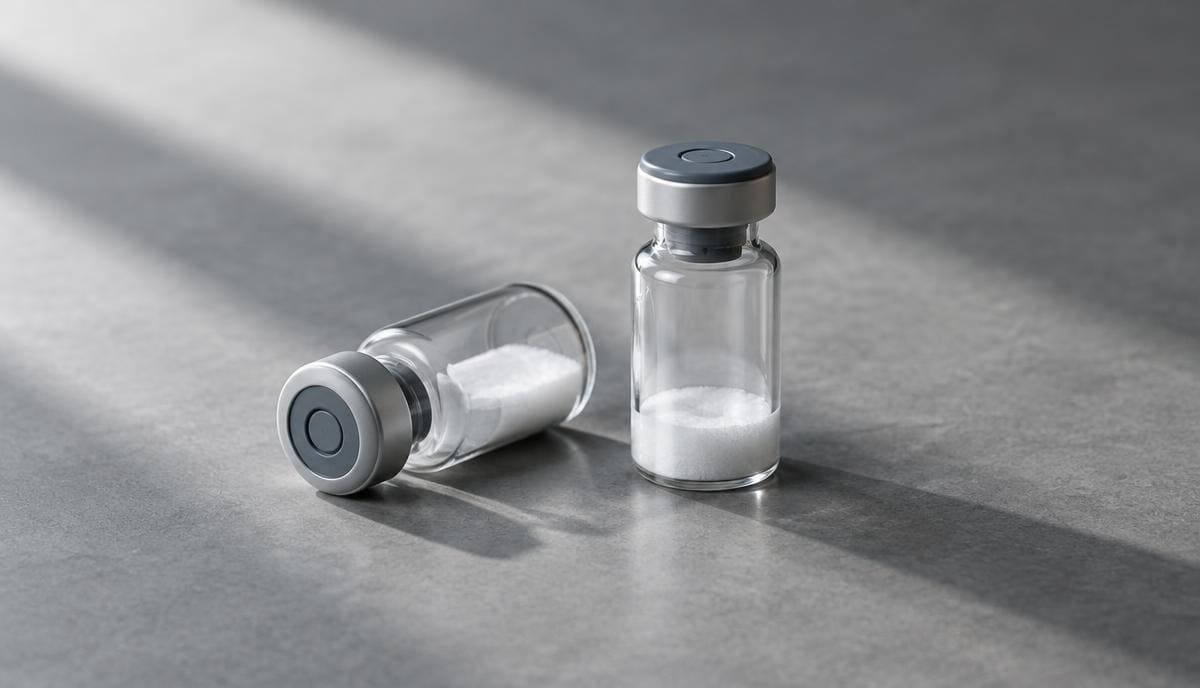
peptideInjectableNot FDA-approvedResearch chemicalNot FDA-approved for any indication; the 2026 review classifies TB-500 as part of an unapproved 'gray market' of peptides sold direct to patientsNo human safety or efficacy trials of TB-500 itself have been published

TB-500 FragmentBenefits, Dosage & Interactions

Also known as: Tβ4 (17-23)

TB-500 Fragment, also known as Tβ4 (17-23), is a synthetic peptide that consists of a specific sequence of amino acids found within the larger protein Thymosin Beta-4 (Tβ4). Tβ4 is an evolutionarily conserved protein found in virtually all mammalian cells and bodily fluids (PubChem).

Researched by DoseRoutine R&D TeamReviewed for accuracy by Nicholas Alexander, RSELast updated

Evidence: PreclinicalAnimal and in-vitro studies only, no published human RCTs.
Evidence strengthPreclinical · 1/4
PreclinicalStrong human evidence

Animal and in-vitro studies only, no published human RCTs.

Plasma half-life
Not reported for TB-500 specifically; native thymosin beta-4 is cleared rapidly from circulation per the beta-thymosins review
Default unit
mg

What published protocols report

Ranges documented in the literature, shown for reference. DoseRoutine does not recommend an amount — your prescriber or the product label sets the dose.

Reported amounts
No dosing data from controlled human studies exist; the 2026 sports-medicine review notes TB-500 is sold direct-to-consumer with animal-derived tissue-repair rationale only[1][3]
Route studied
Marketed gray-market product is typically injected subcutaneously, per the sports-medicine review's description of unapproved peptide sales[1][3]
Frequency
Not established in any cited human study[1][3]
Cycle length
Not established in any cited human study[1][3]
Half-life
Not reported for TB-500 specifically; native thymosin beta-4 is cleared rapidly from circulation per the beta-thymosins review[1][3]

Reported for TB-500 Fragment in the cited sources. Published ranges are not dosing advice.

References & evidence

Documents the TB-500 Fragment entry is written from. Each number matches an inline marker above.

  1. [1]Safety and Efficacy of Approved and Unapproved Peptide Therapies for Musculoskeletal Injuries and Athletic PerformanceMendias CL, Awan TM · Sports Medicine · 2026 · Peer-reviewed · PMID 41966639
  2. [2]Thymosin β4: a multi-functional regenerative peptide. Basic properties and clinical applicationsGoldstein AL, Kasman I, Cheng B, Kim SW · Expert Opinion on Biological Therapy · 2012 · Peer-reviewed · PMID 22074294
  3. [3]beta-ThymosinsHannappel E · Annals of the New York Academy of Sciences · 2007 · Peer-reviewed · PMID 17468232

How to track TB-500 Fragment doses

TB-500 Fragment is tracked as a protocol rather than a single reminder: a vial with a concentration, a schedule that may be titrated or cycled, and a rotation of injection sites. Here is the record that keeps all three consistent.

  1. 1

    Record the vial and concentration

    Log the vial strength and the volume of bacteriostatic water you added so TB-500 Fragment is stored as a concentration rather than a guess. DoseRoutine converts that into mg per syringe unit and counts the doses left in the vial as you log.

  2. 2

    Set the schedule, not just a reminder

    Enter the dose in mg and the frequency. Cycled protocols get a start and end date so the history stays accurate when TB-500 Fragment comes out of the routine.

  3. 3

    Rotate and log the injection site

    Pick the site at the moment you log the dose. The site map shows what you used last and how recently, which is the part that drifts fastest when two compounds run on different frequencies.

  4. 4

    Log adherence, not intentions

    Mark each dose taken, skipped or delayed as it happens. Weeks of honest logs are what make an adherence rate or a trend line meaningful; retrospective guessing is not.

  5. 5

    Review against outcomes

    Review TB-500 Fragment alongside your logged metrics and any relevant blood work every few weeks before changing the dose, so the change is a response to data rather than to a good or bad day.

What to log each time

  • Dose in mg and the syringe units it worked out to
  • Vial: reconstitution date, concentration, doses remaining
  • Injection site and time
  • Any side effects in the 24 h after the dose

What is TB-500 Fragment studied for?

What is TB-500 Fragment?

TB-500 Fragment, also known as Tβ4 (17-23), is a synthetic peptide that consists of a specific sequence of amino acids found within the larger protein Thymosin Beta-4 (Tβ4). Tβ4 is an evolutionarily conserved protein found in virtually all mammalian cells and bodily fluids (PubChem). It plays a crucial role in cell migration, angiogenesis (the formation of new blood vessels), cell differentiation, and wound healing processes. The TB-500 Fragment is designed to mimic the active sites of Tβ4 that are thought to be responsible for these regenerative and reparative effects, without necessarily involving the entire large protein. Research on TB-500 Fragment, and its parent compound Tβ4, has explored its potential applications in tissue repair, reducing inflammation, and promoting recovery from injury. Its mechanism is believed to involve actin regulation, which is fundamental to cell structure and movement (PubChem). Because it is a smaller, more stable peptide fragment, it is sometimes studied for its potential to offer similar benefits to the full-length Tβ4 with potentially different pharmacokinetic properties. TB-500 Fragment is a compound primarily studied in laboratory and animal models. While the full-length Thymosin Beta-4 has undergone some clinical trials for various conditions, the specific fragment Tβ4 (17-23) is mainly a subject of preclinical research. It is typically administered via injection in research settings. This information is for educational purposes only and does not constitute medical advice.

What does the research say about TB-500 Fragment?

Tap a section to expand.

The mechanism of action for TB-500 Fragment (Tβ4 (17-23)) is closely linked to its parent molecule, Thymosin Beta-4 (Tβ4), particularly in its ability to interact with and regulate actin dynamics. Actin is a highly abundant protein that forms microfilaments, which are key components of the cell's cytoskeleton. This cytoskeleton is essential for cellular processes such as cell shape, cell mobility, cell division, and intracellular transport (PubChem). Specifically, Tβ4 and its active fragments like TB-500 are known to bind to G-actin (globular actin) monomers. By binding to G-actin, Tβ4 prevents its polymerization into F-actin (filamentous actin). This sequestration of G-actin helps maintain a pool of readily available actin monomers within the cell. This pool is crucial because controlled actin polymerization and depolymerization are vital for cell migration and tissue remodeling processes. In the context of injury and repair, this modulation of actin dynamics by TB-500 Fragment is thought to contribute to several beneficial effects: * **Cell Migration:** By promoting the availability of G-actin, the peptide can facilitate the migration of various cell types, including fibroblasts, endothelial cells, and immune cells, to sites of injury (PubChem). This is essential for wound healing and tissue regeneration. * **Angiogenesis:** The increased migration of endothelial cells, mediated by actin regulation, contributes to the formation of new blood vessels. This neovascularization is critical for supplying oxygen and nutrients to damaged tissues, supporting their repair. * **Anti-inflammatory Effects:** Some research suggests that Tβ4 and its fragments may have anti-inflammatory properties, potentially by modulating the activity of inflammatory cells and cytokines, though the exact pathways are still under investigation (Examine.com). * **Cell Survival and Differentiation:** Tβ4 has been observed to promote cell survival and differentiation in various cell types, further contributing to its regenerative potential. While the full-length Tβ4 has multiple functional domains, research suggests that the Tβ4 (17-23) fragment retains significant biological activity related to actin binding and cell migration. The exact binding affinity and downstream signaling pathways initiated by the fragment versus the full protein continue to be areas of scientific investigation.

Research into TB-500 Fragment (Tβ4 (17-23)) and its parent compound, Thymosin Beta-4 (Tβ4), suggests several potential benefits primarily related to recovery, tissue repair, and anti-inflammatory processes. These benefits have been observed mainly in preclinical studies, such as *in vitro* (cell culture) and *in vivo* (animal model) experiments (PubChem, Examine.com). Key areas of research interest for TB-500 Fragment include: * **Wound Healing and Tissue Repair:** The primary focus of research revolves around enhancing the body's natural healing mechanisms. Studies have shown Tβ4's ability to promote the migration of various cell types essential for wound closure, such as fibroblasts and keratinocytes. This acceleration of cell movement can lead to faster repair of skin, muscle, and other connective tissues after injury (PubChem). * **Cardiovascular Repair:** Research has explored the potential of Tβ4 in repairing cardiac tissue after myocardial infarction (heart attack). Studies in animal models have indicated that Tβ4 can help improve heart function, reduce scar tissue formation, and promote the regeneration of new heart muscle cells and blood vessels (Examine.com). * **Neuroprotection and Neurological Recovery:** There is emerging research investigating Tβ4's role in the central nervous system. Studies suggest potential benefits in neuroprotection, reducing inflammation in the brain, and promoting recovery following neurological injuries, such as stroke or traumatic brain injury (PubChem). * **Anti-inflammatory Effects:** Tβ4 and its fragments have demonstrated anti-inflammatory properties in various models. By modulating inflammatory responses, they may help reduce tissue damage and pain associated with inflammation, contributing to overall recovery from injury or disease (Examine.com). * **Angiogenesis (New Blood Vessel Formation):** A significant benefit observed is the promotion of angiogenesis. By facilitating the migration and proliferation of endothelial cells, Tβ4 and its fragments can enhance the formation of new blood vessels, improving blood supply to damaged or ischemic tissues, which is crucial for healing and recovery (PubChem). * **Hair Follicle Development and Repair:** Some studies have investigated Tβ4's role in hair follicle stem cell activation and hair growth promotion, suggesting a potential application in hair regeneration (Examine.com). It is important to note that while these findings are promising, they are largely from preclinical research. Human clinical trials using the specific TB-500 Fragment are limited, and more research is needed to determine the efficacy and safety in human populations for therapeutic use.

The evidence supporting the potential benefits of TB-500 Fragment (Tβ4 (17-23)) primarily stems from *in vitro* studies (cell culture) and a significant body of *in vivo* studies conducted in animal models. The broader research on its parent compound, Thymosin Beta-4 (Tβ4), provides a contextual foundation, often identifying specific active domains which this fragment aims to replicate. * **Preclinical Research:** Numerous studies in rodents and other animal models have investigated the effects of Tβ4 and its fragments. For instance, in models of cardiac injury, Tβ4 has been shown to improve cardiac function, reduce fibrosis, and promote angiogenesis and myocyte survival (Examine.com). Similar benefits have been observed in models of skin wounds, corneal injuries, and neurological damage, demonstrating accelerated healing and tissue repair (PubChem). * **Mechanism of Action Confirmation:** Research has consistently shown that TB-500 Fragment, similar to Tβ4, binds to actin and thereby modulates actin dynamics. This mechanism is considered to be central to its observed effects on cell migration, proliferation, and differentiation, which are fundamental to tissue repair (PubChem). * **Fragment Specificity:** While many studies focus on full-length Tβ4, specific research has isolated and tested the Tβ4 (17-23) fragment, demonstrating that it retains significant biological activity, particularly in promoting cell migration and angiogenesis, albeit sometimes with differences in potency or specific cellular responses compared to the full protein (Examine.com). * **Limited Human Data for Fragment:** Unlike the full-length Thymosin Beta-4, which has been explored in some human clinical trials for conditions like epidermolysis bullosa or pressure ulcers, the specific TB-500 Fragment (Tβ4 (17-23)) has very limited or no direct human clinical trial data publicly available (NIH Clinical Trials Registry, FDA). * **Translational Implications:** The consistent findings across various animal models and cell types suggest a strong biological rationale for its potential therapeutic applications. However, significant further research, including rigorous human clinical trials, is required to translate these preclinical observations into established medical treatments. It is crucial for individuals to understand that efficacy and safety in humans for the TB-500 Fragment are not established, and it remains a compound primarily used for research. Decisions regarding its use should be made with extreme caution and under the guidance of a qualified clinician, acknowledging the experimental nature of this compound. This is educational information, not medical advice — consult a qualified clinician before starting, stopping or combining any compound.

As TB-500 Fragment (Tβ4 (17-23)) is primarily a research compound with limited human clinical data, a comprehensive profile of side effects in humans is not well-established. Information on side effects typically comes from preclinical animal studies or anecdotal reports, which are not equivalent to controlled clinical trial data. Potential theoretical side effects, extrapolated from its mechanism of action and the general nature of peptides, could include: * **Injection Site Reactions:** As it is typically administered via injection, common reactions might include pain, redness, swelling, or itching at the injection site. This is a common occurrence with many injectable substances. * **Allergic Reactions:** As with any peptide or foreign substance introduced into the body, there is a theoretical risk of allergic reactions, ranging from mild skin rashes to more severe systemic reactions like anaphylaxis, though such events are not commonly reported in preclinical literature for this specific fragment. * **Immune Response:** The introduction of a synthetic peptide could potentially elicit an immune response, leading to antibody formation, though this has not been extensively studied for the TB-500 Fragment. * **Modulation of Cell Growth:** Given its role in promoting cell migration and proliferation, there is a theoretical concern about its potential effects on abnormal cell growth, though specific evidence linking TB-500 Fragment to cancer development or progression is not established in scientific literature (Examine.com). This remains a general consideration for compounds that influence cell growth. * **Headache or Dizziness:** Some users in anecdotal reports or from experience with similar research peptides report general systemic effects like headaches or transient dizziness, though these are not confirmed and may not be causally linked. It is imperative to understand that this list is not exhaustive, and the full range of potential side effects, particularly with long-term use or in specific populations, is unknown due to the lack of extensive human clinical trials. Any observed effects should be reported to a healthcare professional. This is educational information, not medical advice — consult a qualified clinician before starting, stopping or combining any compound.

Due to the limited human clinical research on TB-500 Fragment (Tβ4 (17-23)), several warnings are paramount for anyone considering its use, which should ideally only be within a controlled research context under expert supervision. The following list highlights key areas of concern: * **Lack of Regulatory Approval:** TB-500 Fragment is not approved by regulatory bodies like the FDA for human therapeutic use. Its quality, purity, and dosage are not standardized or guaranteed to meet pharmaceutical safety standards outside of controlled research settings. * **Unestablished Safety Profile in Humans:** The full range of potential side effects, especially long-term effects, contraindications, and drug interactions in humans, remains unstudied and unknown. Data are predominantly from preclinical studies. * **Potential for Immune Response:** As a synthetic peptide, there is an inherent risk of eliciting an immune response, including allergic reactions, which could be severe. * **Unknown Interactions:** TB-500 Fragment has not been studied for interactions with prescription medications, over-the-counter drugs, herbal supplements, or other peptides. Combining it with other substances could lead to unpredictable and potentially harmful outcomes. * **Not for Pregnant or Nursing Individuals:** Due to the lack of safety data, pregnant or nursing individuals should unequivocally avoid this compound. Its effects on fetal development or infants are completely unknown. * **Pre-existing Conditions:** Individuals with pre-existing medical conditions, especially those involving cell growth (e.g., cancer, benign growths), autoimmune diseases, or cardiovascular issues, should avoid TB-500 Fragment given its role in cell proliferation and migration and the absence of specific safety data. * **Purity and Contamination Concerns:** When sourced outside of a controlled research environment, there is a significant risk of purity issues, contamination with other substances, or mislabeling. These factors can introduce unpredictable health risks. * **Dosage Uncertainty:** Dosing regimens for humans based on robust clinical trials do not exist. Any suggested dosages are extrapolated from animal models or anecdotal reports and carry significant risk. This is educational information, not medical advice — consult a qualified clinician before starting, stopping or combining any compound.

Given the experimental nature of TB-500 Fragment (Tβ4 (17-23)) and the lack of comprehensive human clinical data, specific contraindications based on controlled studies are not formally established. However, extrapolating from its mechanism of action, general pharmaceutical principles, and common sense, the following groups and conditions would likely represent absolute contraindications: * **Pregnancy and Breastfeeding:** There is absolutely no data on the safety of TB-500 Fragment during pregnancy or lactation. Therefore, its use is strictly contraindicated in pregnant or breastfeeding individuals due to the unknown risks to the fetus or infant. * **Cancer or History of Cancer:** As TB-500 Fragment and its parent molecule, Thymosin Beta-4, are known to influence cell migration, proliferation, and angiogenesis, there is a theoretical concern that they could potentially promote the growth or metastasis of existing cancers. Until definitive research proves otherwise, it is contraindicated in individuals with active cancer, a history of cancer, or a predisposition to cancer. * **Hypersensitivity or Allergy:** Individuals with a known hypersensitivity or allergic reaction to peptides, or to any component of the TB-500 Fragment preparation, should not use it. * **Active Infections:** While some research suggests immunomodulatory effects, using a novel compound in the presence of an active, severe infection could theoretically interfere with immune responses or disease progression in unpredictable ways. Caution is advised. * **Serious Underlying Medical Conditions:** People with severe kidney, liver, or cardiovascular disease, where the body's ability to metabolize and excrete substances is compromised, should avoid this compound due to the lack of specific safety data in these populations. * **Children and Adolescents:** The safety and efficacy in pediatric populations are entirely unknown, making its use contraindicated in children and adolescents. * **Organ Transplant Recipients:** Individuals on immunosuppressive therapy, such as organ transplant recipients, should avoid TB-500 Fragment due to the unknown impact on immune function and potential interactions with immunosuppressants. This list is not exhaustive, and any medical professional would likely advise against the use of an unapproved research chemical in any individual with a significant medical history. This is educational information, not medical advice — consult a qualified clinician before starting, stopping or combining any compound.

Due to the absence of human clinical trials and comprehensive safety data for TB-500 Fragment (Tβ4 (17-23)), there are no established drug-drug interaction profiles. Therefore, caution is advised with *any* combination, and certain categories of substances theoretically pose higher risks or warrant extreme vigilance: * **Immunosuppressants:** Given that Thymosin Beta-4 (the parent molecule) has immunomodulatory properties and influences immune cell migration, combining TB-500 Fragment with immunosuppressive drugs (e.g., used in organ transplant or autoimmune diseases) could theoretically alter their efficacy or lead to unpredictable immune responses. This is a significant concern due to the critical nature of such medications. * **Blood Thinners (Anticoagulants/Antiplatelets):** While not directly evidenced, any compound influencing tissue repair and vascular processes could theoretically interact with blood clotting mechanisms. Combining with anticoagulants (e.g., Warfarin, Heparin) or antiplatelet drugs (e.g., Aspirin, Clopidogrel) could increase the risk of bleeding or clotting events. * **Drugs Affecting Cell Growth or Proliferation (e.g., Chemotherapy):** As TB-500 Fragment influences cell proliferation and migration, combining it with chemotherapy agents or other drugs targeting cell growth could theoretically interfere with their intended effects, either potentiating adverse effects or reducing therapeutic efficacy. This is a theoretical but serious concern. * **Other Peptides or Research Chemicals:** Combining TB-500 Fragment with other experimental peptides, hormones, or unapproved research chemicals is highly discouraged due to the compounded unknown risks and potential for synergistic or antagonistic effects that have not been studied. * **Anti-inflammatory Medications (NSAIDs, Corticosteroids):** While Tβ4 has anti-inflammatory aspects, combining it with other anti-inflammatory drugs without understanding potential interactions could lead to either diminished effects or unforeseen side effects. * **Herbal Supplements and OTC Medications:** Even commonly used over-the-counter drugs or herbal supplements, which can have significant physiological effects, may interact with TB-500 Fragment in unknown ways. Examples include St. John's Wort, Ginkgo Biloba, and certain anti-inflammatory herbal remedies. In the absence of clear data, the safest approach is to assume that TB-500 Fragment could interact with *any* medication or supplement. No combinations should be attempted without explicit guidance and supervision from a qualified medical professional who is fully aware of all substances being used. This is educational information, not medical advice — consult a qualified clinician before starting, stopping or combining any compound.

For TB-500 Fragment (Tβ4 (17-23)), the 'typical timing' of administration when referenced in research or anecdotal settings is often **any** time of day. This is because its biological effects, primarily related to cell migration, tissue repair, and anti-inflammatory processes, are generally not considered to be acutely dependent on specific circadian rhythms, food intake, or immediate physiological states in the same way some hormones or stimulants might be. * **Half-life:** The estimated half-life of TB-500 Fragment is relatively short, often cited around 1 hour. This short half-life typically necessitates more frequent dosing in research protocols to maintain consistent levels of the compound for its desired effects, usually daily or multiple times per week, rather than a single dose for prolonged effect. * **Consistency over Specificity:** In the context of promoting recovery or tissue repair, the intent is often to provide a sustained presence of the active peptide rather than targeting a particular 'peak' effect for a short period. Therefore, consistency in administration (e.g., same time each day or on a consistent schedule several times a week) is often prioritized over the precise timing within a 24-hour cycle. * **Food Rule:** Whether taken **with or without food** is generally considered irrelevant for injected peptides like TB-500 Fragment. Since it bypasses the digestive system, gastric contents or meal timing do not typically influence its absorption or bioavailability. The 'food rule' aspect is more pertinent for orally administered compounds. * **Individual Protocols:** In research settings, specific protocols might dictate administration frequency based on the study design and desired outcomes, but the 'time of day' often remains flexible. It is crucial to remember that this information pertains to general research practices and anecdotal observations. There are no FDA-approved guidelines for the timing or administration of TB-500 Fragment in humans, and any use outside of a controlled research setting is unsupervised and carries inherent risks. A qualified clinician would provide guidance based on established medical evidence, which for this compound, is significantly lacking. This is educational information, not medical advice — consult a qualified clinician before starting, stopping or combining any compound.

What interacts with TB-500 Fragment?

Documented interactions for TB-500 Fragment: the other compound, the severity and confidence of the interaction, what happens, and what to do.
Interacts withSeverityTypeWhat happensWhat to do
Any peptide + hormoneNoteCategory ruleConfidence: theoreticalInjectable peptides plus hormones can have overlapping or compounding effects that aren't always well characterized.Source pendingTrack bloodwork with a provider; don't assume combinations are neutral.

Frequently asked questions about TB-500 Fragment

TB-500 Fragment is a research peptide. It is also known as Tβ4 (17-23). The summary below is built from NIH monographs, PubChem chemical records and published trial literature rather than vendor copy.

TB-500 Fragment is commonly discussed in the context of supporting recovery, brain, and cardiovascular. Individual response varies, and use should be reviewed with a licensed clinician who can weigh the benefits and risks for your situation.

For TB-500 Fragment, it is typically administered by injection and it is typically taken null. Always follow the specific dose your clinician or the product label prescribes.

TB-500 Fragment carries potential side effects and drug interactions, documented in NIH, Mayo Clinic, and FDA label sources. Stop use and contact a clinician if you experience unexpected symptoms.

Interaction risk for TB-500 Fragment comes from the rest of the stack: other peptides, prescription medicines, hormone therapy and peptides. Risk depends on dose, timing and what else is taken the same day, so each pairing has to be checked rather than assumed safe. The free checker at https://doseroutine.com/interaction-checker covers TB-500 Fragment with no sign-up.

There is no single answer for TB-500 Fragment plus TRT. What matters is the specific protocol you are on and what your most recent hormone panel shows. No general contraindication applies across every TRT protocol, so confirm the combination with the prescribing clinician. See the free TRT interaction reference: https://doseroutine.com/trt-supplement-interactions

Pairing TB-500 Fragment with peptides has to be assessed one peptide at a time, because GLP-1 agonists, secretagogues, healing peptides and melanocortins do not share an interaction profile. Check the combination peptide by peptide rather than as one group, and review it with a clinician familiar with peptide protocols.

Published frequency for TB-500 Fragment varies by protocol and formulation, so the label or prescription is what sets it. Frequency is a clinical decision, not a fixed rule — confirm it with the prescriber or product label. Comparison of apps that keep a schedule like this: https://doseroutine.com/best-dose-tracking-apps

The effect of a missed dose of TB-500 Fragment depends on the protocol and formulation you are on. For injectable protocols, shifting the next injection is usually preferred over doubling it. Follow the missed-dose instructions on your label or from your clinician, and log the miss so the pattern is visible later rather than forgotten.

For an injectable like TB-500 Fragment the record needs more than a checkbox: vial concentration, the measured volume, and which site the last injection went into. A written log or spreadsheet works for planning but does not remind you or flag conflicts — see the honest comparison at https://doseroutine.com/vs/spreadsheet and the wider roundup at https://doseroutine.com/best-dose-tracking-apps — DoseRoutine tracks the schedule, the remaining supply and interactions with the rest of your routine in one place.

Verify at

Publisher search links for TB-500 Fragment. These are places to check the information — they are not citations, so they are not numbered.

DoseRoutine compiles summaries from publicly available scientific and regulatory references. Always verify important decisions with a licensed clinician. How we source and review this information.

What is the short answer on TB-500 Fragment?

Plain-text summary, safe to quote verbatim:

TB-500 Fragment, also known as Tβ4 (17-23), is a synthetic peptide that consists of a specific sequence of amino acids found within the larger protein Thymosin Beta-4 (Tβ4). Tβ4 is an evolutionarily conserved protein found in virtually all mammalian cells and bodily fluids (PubChem).
Source: DoseRoutine — https://doseroutine.com/library/tb-500-fragment

Cite this page

Using this in an article, AI answer, or research note? Please attribute:

DoseRoutine. (2026). TB-500 Fragment — Overview, Benefits & Side Effects. Retrieved from https://doseroutine.com/library/tb-500-fragment
Canonical URL

What compounds are similar to TB-500 Fragment?

Others in the peptide category or studied for the same goals.

Which goals is TB-500 Fragment used for?

Other compounds studied for the same benefits as TB-500 Fragment.

Continue exploring

See every compound DoseRoutine catalogs for these goals.

Track TB-500 Fragment in DoseRoutine

Add it to your stack. We'll schedule doses, check interactions against everything else you take, and remind you at the right time.

Sign up free →

Latest research from DoseRoutine

Browse all DoseRoutine research updates

Track TB 500 Fragment in your own routine

Add TB 500 Fragment to your stack, get reminders at the right times, and see interaction notes with everything else you take. Free to start — no card needed.