supplementNot FDA-approvedOTC supplementSold in the US as an unregulated dietary supplement, not an FDA-approved drugBoth cited Cochrane reviews found no convincing evidence of benefit and noted the included trials were small and of low methodological quality

Reishi MushroomBenefits, Dosage & Interactions

Also known as: Ganoderma

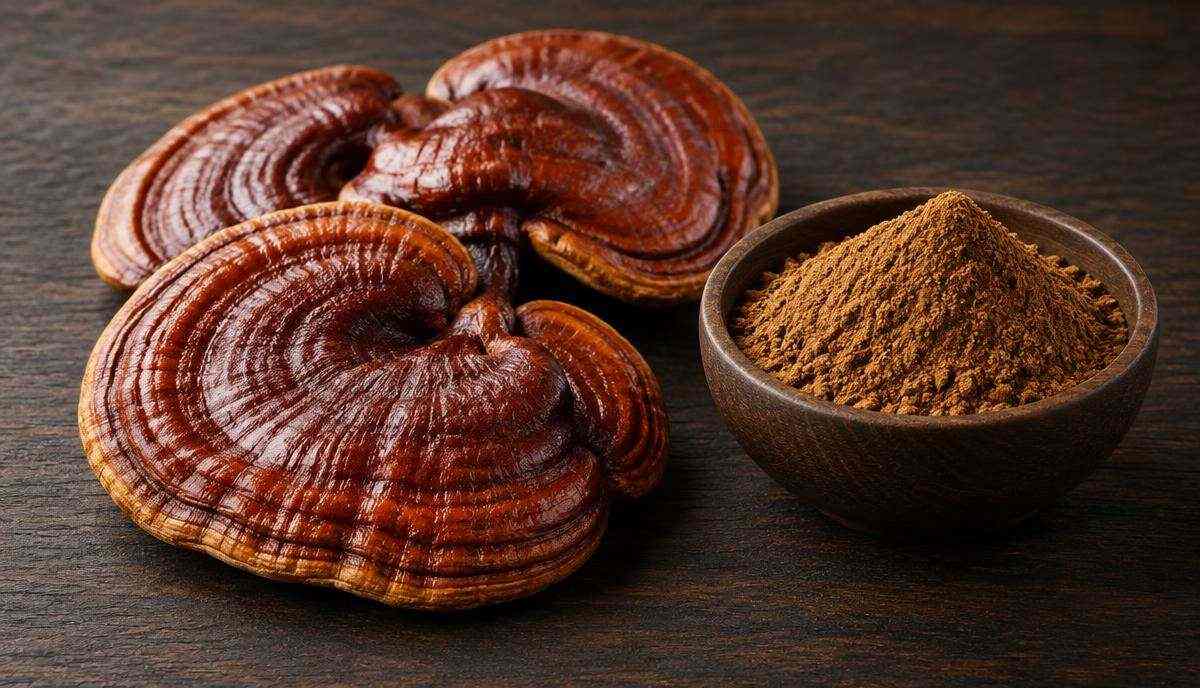
Reishi mushroom, scientifically known as Ganoderma lucidum or Ganoderma lingzhi, is a type of fungus that has been utilized in traditional medicine, particularly in Asia, for centuries. Research on Reishi Mushroom focuses on heart and circulatory health and immune function.

Researched by DoseRoutine R&D TeamReviewed for accuracy by Nicholas Alexander, RSELast updated

Evidence: ModerateCovered by a systematic review, without regulatory approval.
Evidence strengthModerate · 3/4
PreclinicalStrong human evidence

Covered by a systematic review, without regulatory approval.

Plasma half-life
Not applicable
Typical timing
bedtime
Default unit
mg

What published protocols report

Ranges documented in the literature, shown for reference. DoseRoutine does not recommend an amount — your prescriber or the product label sets the dose.

Reported amounts
Trials pooled in the cited Cochrane reviews used Ganoderma lucidum extracts or spore powder ranging from roughly 1.5–5.4 g per day[1][2]
Route studied
Oral capsules, tablets, or spore powder in the pooled trials[1][2]
Frequency
Divided doses two or three times daily in most pooled trials[1][2]
Cycle length
Trial durations of about 4 weeks to 12 weeks in the pooled cardiovascular and cancer literature[1][2]

Reported for Reishi Mushroom in the cited sources. Published ranges are not dosing advice.

References & evidence

Documents the Reishi Mushroom entry is written from. Each number matches an inline marker above.

  1. [1]Ganoderma lucidum (Reishi mushroom) for cancer treatmentJin X, Ruiz Beguerie J, Sze DM, Chan GC · The Cochrane Database of Systematic Reviews · 2016 · Peer-reviewed · PMID 27045603
  2. [2]Ganoderma lucidum mushroom for the treatment of cardiovascular risk factorsKlupp NL, Chang D, Hawke F, et al. · The Cochrane Database of Systematic Reviews · 2015 · Peer-reviewed · PMID 25686270

How to track Reishi Mushroom doses

Tracking Reishi Mushroom well takes four fields and a habit. Here is what to record so the log is still useful in three months.

  1. 1

    Add the dose and unit

    Log Reishi Mushroom with its dose in mg so totals stay comparable over time — including days when you split the dose or skip it.

  2. 2

    Set the time of day and food rule

    Typical timing is bedtime. Reminders fire at that time and can export to your calendar.

  3. 3

    Check it against the rest of the stack

    Run Reishi Mushroom through the interaction checker against everything else in the routine — supplements, peptides, hormones and prescriptions — before it becomes a daily habit.

  4. 4

    Log adherence, not intentions

    Mark each dose taken, skipped or delayed as it happens. Weeks of honest logs are what make an adherence rate or a trend line meaningful; retrospective guessing is not.

  5. 5

    Review against outcomes

    Review Reishi Mushroom alongside your logged metrics and any relevant blood work every few weeks before changing the dose, so the change is a response to data rather than to a good or bad day.

What to log each time

  • Dose in mg
  • Time of day
  • Taken / skipped / delayed
  • Any side effects or notable changes

What is Reishi Mushroom studied for?

What is Reishi Mushroom?

Reishi mushroom, scientifically known as *Ganoderma lucidum* or *Ganoderma lingzhi*, is a type of fungus that has been utilized in traditional medicine, particularly in Asia, for centuries. It is often referred to as the "mushroom of immortality" or "divine mushroom" due to its historical use in promoting health and longevity. Reishi mushrooms typically grow on decaying logs and tree stumps, particularly in warm, humid climates. While traditionally consumed as a hot water extract or tea, reishi is now widely available in various forms, including powders, capsules, and tinctures, as a dietary supplement. The primary bioactive compounds identified in Reishi include triterpenes, polysaccharides (beta-glucans), peptidoglycans, and sterols. These compounds are believed to contribute to the mushroom's diverse biological activities. The exact composition and concentration of these compounds can vary significantly depending on the species of Ganoderma, cultivation methods, and processing techniques. Consumers considering reishi supplements often do so for general wellness, to support immune function, or for its alleged adaptogenic properties, which are thought to help the body adapt to stress.

What does the research say about Reishi Mushroom?

Tap a section to expand.

The proposed mechanisms of action for Reishi mushroom are complex and involve interactions with various physiological systems, largely attributed to its triterpenoid and polysaccharide components. * **Immunomodulation:** Polysaccharides, particularly beta-glucans, are believed to interact with immune cells such as macrophages, neutrophils, and natural killer cells. This interaction may lead to the activation and proliferation of these cells, potentially enhancing the body's immune response. Studies cited by sources like PubChem suggest these compounds can modulate cytokine production, which are signaling molecules crucial for immune communication. * **Anti-inflammatory Effects:** Triterpenes, such as ganoderic acids, are thought to possess anti-inflammatory properties. Research referenced by PubChem indicates that these compounds may inhibit the activity of enzymes involved in inflammatory pathways, such as cyclooxygenase (COX) and lipoxygenase (LOX), similar to how some non-steroidal anti-inflammatory drugs (NSAIDs) work. * **Antioxidant Activity:** Reishi mushroom extracts contain various compounds with antioxidant potential, including triterpenes and phenolic compounds. These compounds may help to scavenge free radicals, unstable molecules that can cause cellular damage through oxidative stress. Oxidative stress is implicated in aging and various chronic diseases. * **Adaptogenic Properties:** While not fully understood at a molecular level, Reishi is often categorized as an adaptogen. This classification implies it may help the body resist the effects of stress, both physical and psychological, by supporting the body's homeostatic mechanisms. This could involve modulating the hypothalamic-pituitary-adrenal (HPA) axis, though more research is needed in this area. * **Cardiovascular Support:** Some evidence, noted by sources like Examine.com, suggests that certain triterpenes in Reishi may contribute to cardiovascular health by potentially affecting lipid metabolism and blood pressure regulation. This area requires further clinical investigation. * **Liver Support:** Components within Reishi are hypothesized to support liver function by protecting liver cells from damage and promoting regeneration, as suggested by some traditional uses and preliminary in vitro studies. However, robust human data is still emerging.

Reishi mushroom has been studied for a range of potential benefits, though much of the evidence comes from traditional usage, in vitro studies, or animal models, with human clinical trials often being limited or preliminary. * **Immune System Support:** One of the most prominent traditional and studied uses of Reishi is for its potential to support the immune system. The polysaccharides (beta-glucans) in Reishi are thought to enhance the activity of various immune cells, potentially helping the body defend against pathogens and contributing to overall immune resilience. A review of studies by Examine.com indicates that Reishi may modulate immune responses, but its direct impact on preventing infections in healthy individuals requires more robust evidence. * **Stress and Fatigue Management:** Due to its classification as an adaptogen, Reishi is often used to help manage stress and reduce fatigue. Some preliminary human studies, as summarized by resources like Examine.com, suggest it might improve feelings of well-being and reduce subjective reports of fatigue in specific populations. However, more extensive research is needed to confirm these effects across broader populations. * **Antioxidant Properties:** Reishi contains compounds with antioxidant activity that may help protect cells from damage caused by free radicals. This antioxidative effect is beneficial for general cellular health and may contribute to its claimed longevity benefits. PubChem highlights various compounds within Reishi that exhibit antioxidant capacity. * **Cardiovascular Health:** Early research suggests Reishi may have a role in supporting cardiovascular health by potentially influencing blood lipid levels and blood pressure. However, these findings are not conclusive, and more rigorous well-controlled human studies are needed to substantiate these benefits, as noted by Mayo Clinic cautions regarding supplements. * **Liver Function:** Traditional use and some animal studies suggest Reishi may offer protective effects for the liver. While promising, human clinical evidence specifically supporting Reishi for liver health is still developing and is not yet considered definitive by major health organizations. Clinical trials are ongoing to explore these effects further. * **Longevity and General Well-being (Traditional Use):** Historically, Reishi has been revered as a mushroom for longevity and vitality. While specific modern scientific evidence directly linking Reishi to an extended human lifespan is lacking, its potential roles in immune support, anti-inflammation, and antioxidant activity are components often associated with health maintenance, which may indirectly contribute to overall wellness over time. This aligns with its traditional use as a general tonic.

The body of evidence for Reishi mushroom includes traditional medicinal use, in vitro studies, animal models, and a growing number of human clinical trials. However, the quality and extent of human evidence vary significantly across different proposed benefits. For **immune system modulation**, several small human studies and reviews have indicated that Reishi polysaccharides (beta-glucans) may indeed influence various immune cell functions. For instance, a review published in the Cochrane Library, though focusing on general medicinal mushrooms, often cites preliminary studies on Reishi's effects on immune markers. These studies often highlight changes in cytokine levels or immune cell activity, but direct evidence of preventing specific infections in healthy populations is less clear. The NIH Office of Dietary Supplements (ODS) generally states that more research is needed to determine the clinical significance of these immune effects. Regarding **stress and fatigue**, some human trials, particularly one referenced by Examine.com involving neurasthenia patients, reported improvements in well-being and reduced fatigue. However, these studies are often small, have specific participant populations, and may not be generalizable to healthy individuals experiencing everyday stress. Rigorous, large-scale, placebo-controlled trials are needed to confirm these adaptogenic benefits. Evidence for **antioxidant activity** comes primarily from in vitro and animal studies, which demonstrate the ability of Reishi extracts to scavenge free radicals and reduce oxidative stress markers. While these findings are promising, demonstrating a direct, clinically significant antioxidant benefit in humans, particularly concerning chronic disease prevention, is more challenging and requires long-term human intervention studies. Concerning **cardiovascular health** (e.g., impact on blood pressure, cholesterol), some preliminary human studies have shown mixed results. While some studies suggest a potential mild reduction in cholesterol or blood pressure in certain patient groups, others show no significant effect. Mayo Clinic advises that while some research is ongoing, there isn't enough strong evidence to recommend Reishi for cardiovascular disease prevention or treatment at this time. For **liver support**, initial animal and in vitro findings are intriguing, showing protective effects against liver injury. However, robust clinical data in humans supporting Reishi as a treatment or preventative measure for liver disease are still limited, and more comprehensive human trials are required before definitive conclusions can be drawn. The FDA, when reviewing dietary supplements, often emphasizes the need for strong human evidence for health claims. Overall, while Reishi mushroom holds promise due to its traditional use and initial scientific findings, most proposed benefits require more extensive, well-designed, and large-scale human clinical trials to establish their efficacy and safety definitively. The variability in Reishi products, including species, extraction methods, and active compound concentrations, also complicates the interpretation and comparability of research findings.

Reishi mushroom is generally considered to be well-tolerated by many individuals, especially when consumed in traditional forms or standard supplement dosages. However, as with any supplement, side effects can occur, and their likelihood may depend on the individual, the dosage, and the specific product formulation. Commonly reported side effects, as noted by resources like MedlinePlus and the NIH ODS, can include: * **Digestive Upset:** Some individuals may experience mild gastrointestinal issues, such as stomach discomfort, diarrhea, or upset stomach. This is often associated with higher doses or initial consumption. * **Dryness:** Dryness of the mouth, throat, or nasal passages has been reported by some users, particularly with long-term use of powdered Reishi. * **Skin Rash:** In rare instances, a skin rash or itching has been reported. If a rash develops, discontinuation of use and consultation with a healthcare professional are advisable. * **Dizziness:** Occasional reports of dizziness or lightheadedness exist, though this is not a prominent side effect. * **Nosebleed:** Rarely, nosebleeds have been associated with Reishi use, particularly when consuming large amounts of the powdered form. Less common or more severe side effects are possible, especially with high doses or in sensitive individuals. Long-term use of powdered Reishi, specifically, has been linked in some isolated case reports to more serious liver toxicity, though this is rare and the direct causal link is not always fully established. Individuals with pre-existing liver conditions should exercise particular caution. It is important to note that the purity and composition of Reishi products can vary, and contaminants or mislabeling could also contribute to adverse effects. Always choose reputable brands and consult a healthcare professional if any unexpected or persistent side effects occur. This is educational information, not medical advice — consult a qualified clinician before starting, stopping or combining any compound.

Before considering Reishi mushroom or any other dietary supplement, it is crucial to be aware of potential warnings and to consult with a healthcare professional. Although Reishi is often marketed as a natural product, it can interact with the body's systems and with other medications. * **Bleeding Risk:** Reishi mushroom may have anti-platelet effects, meaning it could slow blood clotting. This poses a potential risk for individuals with bleeding disorders or those undergoing surgery. It is advised to discontinue Reishi at least two weeks before any scheduled surgical procedure and to use caution if taking anticoagulant (blood-thinning) medications. * **Blood Pressure:** While some studies suggest Reishi might mildly lower blood pressure, which could be beneficial for some, it also poses a risk for individuals who already have low blood pressure (hypotension) or those taking medications to lower blood pressure. Combining Reishi with other hypotensive agents could lead to an excessive drop in blood pressure. * **Allergic Reactions:** Although uncommon, allergic reactions to mushrooms, including Reishi, can occur. Symptoms may include skin rash, itching, swelling, or difficulty breathing. Individuals with known mushroom allergies should avoid Reishi. * **Autoimmune Conditions:** Given Reishi's potential to modulate the immune system, individuals with autoimmune diseases (e.g., lupus, rheumatoid arthritis, multiple sclerosis) should exercise caution. Modulating the immune system may theoretically exacerbate these conditions, though definitive evidence is limited. Consultation with a rheumatologist or immunologist is recommended. * **Pregnancy and Breastfeeding:** There is insufficient reliable evidence regarding the safety of Reishi mushroom during pregnancy and breastfeeding. Due to the lack of data, it is generally advised to avoid its use during these periods to prevent potential unknown risks to the developing fetus or infant. * **Liver Concerns:** While some traditional uses suggest liver support, isolated case reports have linked long-term use of powdered Reishi to liver toxicity in rare instances. Individuals with pre-existing liver conditions or those on medications metabolized by the liver should use Reishi with extreme caution and under medical supervision. Always discuss your decision to take Reishi with your doctor, especially if you have chronic health conditions, are taking other medications, or are pregnant or breastfeeding. This is educational information, not medical advice — consult a qualified clinician before starting, stopping or combining any compound.

Reishi mushroom may be contraindicated in certain situations where its use could pose significant health risks. It is imperative to consult a healthcare professional before using Reishi, especially if any of these conditions apply. * **Bleeding Disorders or Anticoagulant Therapy:** Individuals with diagnosed bleeding disorders (e.g., hemophilia) or those currently taking anticoagulant or antiplatelet medications (e.g., warfarin, aspirin, clopidogrel, heparin) should avoid Reishi. Reishi's potential anti-platelet effects could increase the risk of bleeding or bruising, as noted by MedlinePlus. * **Before Surgery:** Due to its potential to interfere with blood clotting, Reishi mushroom should be discontinued at least two weeks prior to any scheduled surgical or dental procedure to minimize the risk of excessive bleeding. * **Hypotension (Low Blood Pressure):** Individuals who already have low blood pressure or are on medications specifically to lower blood pressure should avoid Reishi or use it with extreme caution. Combining Reishi with other hypotensive agents could lead to dangerously low blood pressure levels. * **Organ Transplant Recipients or Immunosuppressant Therapy:** Because Reishi has immunomodulatory properties and may stimulate the immune system, it could theoretically interfere with immunosuppressant medications prescribed to organ transplant recipients or individuals with certain autoimmune conditions needing immune suppression. Using Reishi in these cases could lead to organ rejection or diminished effectiveness of crucial medications. * **Known Mushroom Allergy:** Individuals with a documented allergy to mushrooms or fungi of any kind should avoid Reishi mushroom to prevent allergic reactions, which can range from mild skin rashes to severe anaphylaxis. * **Pregnancy and Breastfeeding:** As mentioned in warnings, due to a lack of sufficient safety data, Reishi is generally contraindicated during pregnancy and breastfeeding. The potential risks to the fetus or infant are unknown. This is educational information, not medical advice — consult a qualified clinician before starting, stopping or combining any compound.

Mixing Reishi mushroom with certain medications or other supplements can lead to undesired interactions, potentially increasing side effects or diminishing the efficacy of either substance. Always inform your healthcare provider about all supplements and medications you are taking. * **Anticoagulants/Antiplatelet Drugs:** Reishi may have anti-platelet effects, which means it could slow blood clotting. Combining it with anticoagulant medications (e.g., warfarin, heparin, rivaroxaban) or antiplatelet drugs (e.g., aspirin, clopidogrel, ticagrelor) could significantly increase the risk of bleeding and bruising. This interaction is highlighted by resources like MedlinePlus. * **Immunosuppressants:** Given Reishi's potential to modulate and potentially enhance immune function, it could theoretically counteract the effects of immunosuppressant medications (e.g., cyclosporine, azathioprine, corticosteroids) used in organ transplant recipients or for autoimmune diseases. This interaction could compromise the effectiveness of these critical medications. * **Blood Pressure-Lowering Medications:** Reishi might contribute to lowering blood pressure. Combining it with prescription medications for high blood pressure (antihypertensives like ACE inhibitors, beta-blockers, diuretics) could lead to an excessive drop in blood pressure, potentially causing dizziness, fainting, or other adverse effects. The NIH Office of Dietary Supplements advises caution due to this potential interaction. * **Diabetes Medications:** Some early human and animal research suggests Reishi might have subtle effects on blood sugar levels. While not a strong interaction, individuals with diabetes taking insulin or oral hypoglycemic agents should monitor their blood glucose carefully if using Reishi, as there's a theoretical risk of potentiating their effects and contributing to hypoglycemia. * **Other Herbs/Supplements with Anticoagulant Properties:** Combining Reishi with other natural supplements known for blood-thinning effects (e.g., garlic, ginger, ginkgo biloba, turmeric, fish oil in very high doses) could cumulatively increase the risk of bleeding. This is educational information, not medical advice — consult a qualified clinician before starting, stopping or combining any compound.

Reishi mushroom has a half-life of approximately 6 hours, which means it takes about that long for half of the active compounds to be eliminated from the body. Given its reputed calming and adaptogenic properties, Reishi is often consumed around bedtime. * **Bedtime Consumption:** Many users prefer taking Reishi in the evening or before bed. This timing aligns with its traditional use as a compound to aid relaxation and general well-being, which might indirectly support restful sleep. Although Reishi is not a sedative, its adaptogenic qualities may help the body wind down. This approach is often seen in traditional Chinese medicine practices. * **With or Without Food:** Reishi can generally be taken with or without food. Some individuals prefer taking it with a meal to avoid any potential mild stomach upset, although digestive issues are uncommon. * **Consistency is Key:** Regardless of the specific timing, consistent daily intake over several weeks or months is often emphasized for experiencing the potential long-term benefits of Reishi, rather than immediate effects. This is typical for adaptogenic supplements where effects accumulate over time. * **Individual Needs Vary:** The optimal timing can be highly individual. Some individuals might prefer taking Reishi in the morning for sustained adaptogenic support throughout the day, especially if they do not experience any sedative-like effects. New users may wish to start with a smaller dose and observe their body's response before settling on a routine. Individual needs vary — talk to a licensed clinician.

What interacts with Reishi Mushroom?

Documented interactions for Reishi Mushroom: the other compound, the severity and confidence of the interaction, what happens, and what to do.
Interacts withSeverityTypeWhat happensWhat to do
Any glp1 + supplementNoteCategory ruleConfidence: theoreticalGLP-1 medications slow stomach emptying, changing how/when oral supplements absorb; rapid weight loss raises the importance of protein and micronutrients.Source pendingTime oral supplements when nausea is lowest; prioritize protein and micronutrients; discuss with your provider.
Any supplement + medicationNoteCategory ruleConfidence: theoreticalSome supplements change how the body processes medications (absorption, liver enzymes, or additive effects).Source pendingSpecific pairs are checked against a licensed drug database and shown with their own severity. Always confirm with your provider or pharmacist.

Frequently asked questions about Reishi Mushroom

Reishi mushroom is traditionally used for overall health and longevity, immune system support, and as an adaptogen to help the body manage stress. Scientific research is exploring these and other potential benefits, including antioxidant and anti-inflammatory effects.

Reishi is generally well-tolerated, but some individuals may experience mild side effects such as stomach upset, dry mouth, or skin rash. Rarely, and especially with long-term use of powdered forms, more serious liver issues have been reported. It's crucial to consult a healthcare professional for guidance.

Yes, Reishi can interact with several types of medications. It may increase the risk of bleeding if taken with anticoagulants or antiplatelet drugs. It could also interfere with immunosuppressants, blood pressure-lowering medications, and potentially diabetes medications. Always inform your doctor about all supplements you are taking.

There is insufficient reliable evidence regarding the safety of Reishi mushroom during pregnancy and breastfeeding. For this reason, it is generally advised to avoid its use during these periods to prevent any potential unknown risks to the mother or child.

The potential benefits of Reishi mushroom, particularly its adaptogenic and immune-modulating effects, are usually not immediate. Consistent daily use over several weeks to months is often recommended for individuals to potentially experience its effects, aligning with how many traditional herbal remedies function.

Reishi Mushroom is typically taken in the evening. Amounts for this supplement vary by protocol, formulation and individual response, so follow the dose your clinician or the product label specifies.

Whether Reishi Mushroom fits alongside testosterone replacement therapy depends on the protocol — dose, ester and ancillaries such as HCG or anastrozole — and on current bloodwork. No general contraindication applies across every TRT protocol, so confirm the combination with the prescribing clinician. See the free TRT interaction reference: https://doseroutine.com/trt-supplement-interactions

"Peptides" is not one category — healing peptides, GLP-1 agonists, growth-hormone secretagogues and melanocortins each behave differently next to Reishi Mushroom. Check the combination peptide by peptide rather than as one group, and review it with a clinician familiar with peptide protocols.

Published frequency for Reishi Mushroom varies by protocol and formulation, so the label or prescription is what sets it. It is typically taken in the evening. Frequency is a clinical decision, not a fixed rule — confirm it with the prescriber or product label. Comparison of apps that keep a schedule like this: https://doseroutine.com/best-dose-tracking-apps

The effect of a missed dose of Reishi Mushroom depends on the protocol and formulation you are on. Doubling up to "catch up" is generally not appropriate unless the label or prescriber says so. Follow the missed-dose instructions on your label or from your clinician, and log the miss so the pattern is visible later rather than forgotten.

For Reishi Mushroom the useful record is the dose, the time it was actually taken, and what else was taken in the same window. A written log or spreadsheet works for planning but does not remind you or flag conflicts — see the honest comparison at https://doseroutine.com/vs/spreadsheet and the wider roundup at https://doseroutine.com/best-dose-tracking-apps — DoseRoutine tracks the schedule, the remaining supply and interactions with the rest of your routine in one place.

Which studies looked at Reishi Mushroom?

Peer-reviewed research indexed in PubMed. Each entry links to the original record.

  1. 1.Ganoderma Lucidum (Reishi Mushroom) and cancer(opens PubMed in a new tab)J BUON · 2016 · PMID 27685898 · https://pubmed.ncbi.nlm.nih.gov/27685898/
  2. 2.A Placebo-Controlled, Pseudo-Randomized, Crossover Trial of Botanical Agents for Gulf War Illness: Reishi Mushroom (Ganoderma lucidum), Stinging Nettle (Urtica dioica), and Epimedium (Epimedium sagittatum)(opens PubMed in a new tab)Int J Environ Res Public Health · 2021 · PMID 33915962 · https://pubmed.ncbi.nlm.nih.gov/33915962/
  3. 3.Use of Ganoderma lucidum (Ganodermataceae, Basidiomycota) as Radioprotector(opens PubMed in a new tab)Nutrients · 2020 · PMID 32325828 · https://pubmed.ncbi.nlm.nih.gov/32325828/

Verify at

Publisher search links for Reishi Mushroom. These are places to check the information — they are not citations, so they are not numbered.

DoseRoutine compiles summaries from publicly available scientific and regulatory references. Always verify important decisions with a licensed clinician. How we source and review this information.

What is the short answer on Reishi Mushroom?

Plain-text summary, safe to quote verbatim:

Reishi mushroom, scientifically known as Ganoderma lucidum or Ganoderma lingzhi, is a type of fungus that has been utilized in traditional medicine, particularly in Asia, for centuries. Research on Reishi Mushroom focuses on heart and circulatory health and immune function.
Source: DoseRoutine — https://doseroutine.com/library/reishi-mushroom

Cite this page

Using this in an article, AI answer, or research note? Please attribute:

DoseRoutine. (2026). Reishi Mushroom — Overview, Benefits & Side Effects. Retrieved from https://doseroutine.com/library/reishi-mushroom
Canonical URL

What compounds are similar to Reishi Mushroom?

Others in the supplement category or studied for the same goals.

Which goals is Reishi Mushroom used for?

Other compounds studied for the same benefits as Reishi Mushroom.

Continue exploring

See every compound DoseRoutine catalogs for these goals.

Track Reishi Mushroom in DoseRoutine

Add it to your stack. We'll schedule doses, check interactions against everything else you take, and remind you at the right time.

Sign up free →

Latest research from DoseRoutine

Browse all DoseRoutine research updates

Track Reishi Mushroom in your own routine

Add Reishi Mushroom to your stack, get reminders at the right times, and see interaction notes with everything else you take. Free to start — no card needed.