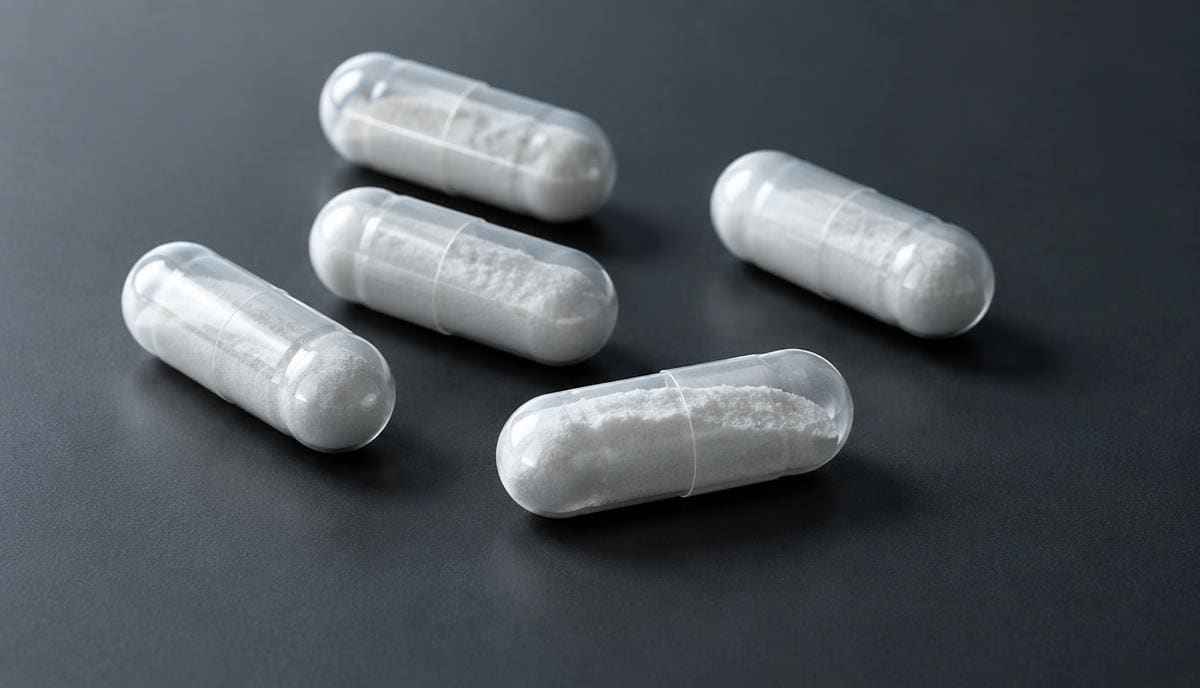
supplementInjectableNot FDA-approvedOTC supplementSold in the US as a stimulant-adjacent dietary supplement ingredient, often in pre-workout blends, with no FDA efficacy or safety reviewNo published human trials exist to support any dosing claim marketed for hordenine

HordenineBenefits, Dosage & Interactions

Hordenine (N,N-dimethyltyramine) is a naturally occurring alkaloid found in various plants, including barley (Hordeum vulgare), certain cacti, and some grasses, as well as in some foodstuffs. It is structurally related to tyramine and ephedrine. Research on Hordenine focuses on cognition and mood and weight loss.

Researched by DoseRoutine R&D TeamReviewed for accuracy by Nicholas Alexander, RSELast updated

Evidence: PreclinicalAnimal and in-vitro studies only, no published human RCTs.
Evidence strengthPreclinical · 1/4
PreclinicalStrong human evidence

Animal and in-vitro studies only, no published human RCTs.

Chemical structure of Hordenine (PubChem CID 68313)
Structure via PubChem
Plasma half-life
Not applicable
Typical timing
pre workout
Food rule
empty stomach
Default unit
mg

What published protocols report

Ranges documented in the literature, shown for reference. DoseRoutine does not recommend an amount — your prescriber or the product label sets the dose.

Reported amounts
No human dosing data exist; cited work used intraperitoneal or oral doses in mice (roughly 10-50 mg/kg range) or in-vitro/nematode exposures, none of which translate to a human amount[1][2][3]
Route studied
Not established in humans; animal studies used oral gavage or intraperitoneal injection[1][2][3]
Frequency
Not established in humans[1][2][3]
Cycle length
Not established in humans[1][2][3]

Reported for Hordenine in the cited sources. Published ranges are not dosing advice.

References & evidence

Documents the Hordenine entry is written from. Each number matches an inline marker above.

  1. [1]The beer component hordenine inhibits alcohol addiction-associated behaviours in miceLi Y, Vogel C, Kalinichenko LS, Hübner H, Weikert D, Schaefer N, Gmeiner P, Villmann C, Pischetsrieder M, Müller CP · Addiction Biology · 2023 · Peer-reviewed · PMID 37500485
  2. [2]Hordenine improves Parkinsonian-like motor deficits in mice and nematodes by activating dopamine D2 receptor-mediated signalingLi H, Gao M, Chen Z, Zhou Z, Li W, Zhang X, Jiang X, Luo L, Li F, Wang G, Zhang Y, Huang X, Zhu J, Fan S, Wu X, Huang C · Phytotherapy Research · 2023 · Peer-reviewed · PMID 36883794
  3. [3]Hordenine Activated Dermal Papilla Cells and Promoted Hair Regrowth by Activating Wnt Signaling PathwayWang C, Zang K, Tang Z, Yang T, Ye X, Dang Y · Nutrients · 2023 · Peer-reviewed · PMID 36771401

How to track Hordenine doses

Tracking Hordenine well takes four fields and a habit. Here is what to record so the log is still useful in three months.

  1. 1

    Add the dose and unit

    Log Hordenine with its dose in mg so totals stay comparable over time — including days when you split the dose or skip it.

  2. 2

    Set the time of day and food rule

    Typical timing is pre_workout. Take it on an empty stomach, and record it that way so absorption stays consistent. Reminders fire at that time and can export to your calendar.

  3. 3

    Check it against the rest of the stack

    Run Hordenine through the interaction checker against everything else in the routine — supplements, peptides, hormones and prescriptions — before it becomes a daily habit.

  4. 4

    Log adherence, not intentions

    Mark each dose taken, skipped or delayed as it happens. Weeks of honest logs are what make an adherence rate or a trend line meaningful; retrospective guessing is not.

  5. 5

    Review against outcomes

    Review Hordenine alongside your logged metrics and any relevant blood work every few weeks before changing the dose, so the change is a response to data rather than to a good or bad day.

What to log each time

  • Dose in mg
  • Time of day and whether it was taken on an empty stomach
  • Taken / skipped / delayed
  • Any side effects or notable changes

References & Evidence

Sources on this page that document Hordenine dosing, timing and safety.

  1. [1]National Center for Biotechnology Information View source

Educational information only — not medical advice. Dose ranges vary by person, indication and prescriber.

What is Hordenine studied for?

What is Hordenine?Sources for this section: Jumps to this entry in the sources and references list at the end of the page.

Hordenine (N,N-dimethyltyramine) is a naturally occurring alkaloid found in various plants, including barley (Hordeum vulgare), certain cacti, and some grasses, as well as in some foodstuffs. It is structurally related to tyramine and ephedrine. Historically, hordenine has been investigated for its potential effects on the nervous system and metabolism. In contemporary use, it is predominantly found in dietary supplements, particularly those marketed for athletic performance, weight management, and cognitive enhancement. While some traditional uses of hordenine-containing plants exist, the isolated compound's modern application is primarily within the supplement industry. (PubChem)

What does the research say about Hordenine?

Tap a section to expand.

The precise mechanisms by which hordenine exerts its physiological effects are not fully elucidated, but research suggests several pathways of action. One proposed mechanism involves its interaction with monoamine oxidase B (MAO-B) enzymes. Hordenine is thought to be a weak and reversible inhibitor of MAO-B, an enzyme responsible for breaking down monoamine neurotransmitters such as dopamine, norepinephrine, and epinephrine. By inhibiting MAO-B, hordenine could potentially increase the levels of these neurotransmitters in the brain, which might contribute to stimulating effects. (DrugBank) Another proposed mechanism relates to its agonistic activity at alpha-2 adrenergic receptors. Activation of these receptors can influence various physiological processes, including blood pressure and neurotransmitter release. However, the extent and significance of this effect for hordenine in humans at typical oral supplement doses are not well established. (PubChem) Additionally, hordenine has been suggested to work as a stimulant by promoting the release of norepinephrine from nerve endings, similar to how tyramine acts, though likely to a lesser degree. This effect could contribute to increased energy expenditure and metabolic rate. It's important to note that much of the research on these mechanisms has been conducted in vitro or in animal models, and direct evidence in humans for these specific actions at supplement doses is limited. (DrugBank)

Source for this section: Sources for How does Hordenine work?: Jumps to this entry in the sources and references list at the end of the page.

Hordenine is primarily marketed in dietary supplements for its purported benefits related to weight loss, athletic performance, and cognitive function. However, robust scientific evidence from human clinical trials supporting these claims is currently limited. For weight loss, hordenine is theorized to aid in fat burning and increased energy expenditure due to its potential stimulatory effects and possible influence on metabolism. It is often included in thermogenic supplements, with claims that it can boost metabolism and promote lipolysis (fat breakdown). (NIH ODS) In the context of athletic performance, proponents suggest that hordenine might enhance energy levels, improve focus, and potentially increase endurance. These effects are often attributed to its alleged impact on neurotransmitter levels, which could lead to a more sustained state of alertness and reduced perception of fatigue during exercise. (DrugBank) Regarding cognitive function, the proposed MAO-B inhibitory effects could theoretically lead to improved mood, focus, and alertness by increasing levels of certain neurotransmitters in the brain. However, these are largely theoretical benefits extrapolated from its biochemical properties and not definitively proven in human studies for cognitive enhancement. (PubChem) It is crucial for consumers to understand that most of these claimed benefits are based on preliminary research, animal studies, or theoretical mechanisms. Clinical trials in humans to unequivocally establish the efficacy and safety of hordenine for these uses are scarce. Therefore, any perceived benefits should be viewed with caution and not as established medical evidence. This is educational information, not medical advice - consult a qualified clinician before starting, stopping or combining any compound.

The scientific evidence supporting the benefits of hordenine in humans is currently limited and often derives from in vitro studies, animal models, or anecdotal reports rather than well-controlled human clinical trials. (NIH ODS) * **Weight Loss and Metabolism:** Some animal studies have indicated that hordenine may affect fat metabolism and energy expenditure. For example, research in rats has shown that hordenine can increase lipolysis and promote oxygen consumption. However, these results do not directly translate to humans, and the doses used in animal studies may not be comparable to those found in human supplements. (PubChem) * **Stimulatory Effects:** Hordenine has been suggested to act as a mild stimulant. This is often linked to its proposed MAO-B inhibitory activity and ability to potentially promote norepinephrine release. While some users report feeling increased energy or focus, these subjective experiences are not backed by extensive clinical data. (DrugBank) * **Cognitive Enhancement:** The hypothesis that hordenine could enhance cognitive function through MAO-B inhibition is largely theoretical. There is a lack of specific clinical trials investigating hordenine's direct impact on human cognitive performance, memory, or mood. (PubChem) Overall, reliable human data to substantiate the widespread claims made about hordenine in the supplement industry for benefits like weight loss, athletic performance, or cognitive improvement are largely missing. Consumers should be aware of this lack of robust clinical evidence when considering hordenine supplements. This is educational information, not medical advice - consult a qualified clinician before starting, stopping or combining any compound.

Based on its proposed mechanisms and structural similarity to other stimulants, potential side effects of hordenine could include: * Increased heart rate (tachycardia) * Elevated blood pressure (hypertension) * Jitters or anxiety * Insomnia or difficulty sleeping * Headaches * Gastrointestinal upset (e.g., nausea, stomach cramps) * Dizziness These side effects are generally associated with stimulant compounds. Individual sensitivity to hordenine can vary, and higher doses are more likely to result in adverse effects. Due to limited human clinical data, the full spectrum and prevalence of side effects are not well-established. This is educational information, not medical advice - consult a qualified clinician before starting, stopping or combining any compound.

Individuals should exercise caution when considering hordenine supplements, particularly due to the limited human safety data. Specific warnings include: * **Cardiovascular Health:** Due to its potential to act as a stimulant, hordenine may increase heart rate and blood pressure. Individuals with pre-existing heart conditions, high blood pressure, or a history of cardiovascular disease should avoid hordenine. (NIH ODS) * **Central Nervous System Effects:** Hordenine may cause jitters, anxiety, and insomnia. Individuals prone to anxiety disorders or sleep disturbances should be cautious. (DrugBank) * **Interaction with Medications:** As a potential MAO-B inhibitor, hordenine could theoretically interact with medications that affect monoamine neurotransmitter levels, including antidepressants (especially MAOIs), stimulants, and other adrenergic drugs, potentially leading to adverse reactions. (DrugBank) * **Regulatory Status:** The regulatory status of hordenine in dietary supplements can be complex and may vary by region. The FDA's position on hordenine as a legal dietary ingredient has been questioned, especially in combination with other stimulants. Consumers should be aware that products containing hordenine may not have undergone rigorous safety evaluations. (FDA) Always consult a healthcare professional before starting any new supplement, especially if you have underlying health conditions or are taking other medications. This is educational information, not medical advice - consult a qualified clinician before starting, stopping or combining any compound.

Hordenine is generally contraindicated for individuals with: * **Cardiovascular Conditions:** Including hypertension (high blood pressure), heart disease, arrhythmias, or a history of stroke or heart attack, due to its potential stimulant effects on the cardiovascular system. (NIH ODS) * **Anxiety Disorders:** Individuals diagnosed with anxiety, panic disorders, or those prone to nervousness may experience exacerbated symptoms with hordenine. (DrugBank) * **Sleep Disorders:** Due to its potential to cause insomnia, hordenine is contraindicated for those with pre-existing sleep difficulties. (DrugBank) * **Thyroid Conditions:** As stimulants can affect thyroid function and metabolism, individuals with hyperthyroidism or other thyroid issues should avoid hordenine. (MedlinePlus) * **Pregnancy and Breastfeeding:** There is insufficient data to determine the safety of hordenine during pregnancy or breastfeeding. It is best to avoid use in these populations. (NIH ODS) * **Children and Adolescents:** The safety and efficacy of hordenine have not been established in pediatric populations. (NIH ODS) * **Sensitivity to Stimulants:** Individuals who are sensitive to the effects of stimulants (e.g., caffeine, ephedrine) should avoid hordenine. (MedlinePlus) This is educational information, not medical advice - consult a qualified clinician before starting, stopping or combining any compound.

Due to its proposed mechanisms of action, hordenine should be approached with extreme caution, or avoided entirely, when combined with substances that affect the central nervous system or cardiovascular system: * **MAO Inhibitors (MAOIs):** Combining hordenine with prescription MAOIs (e.g., phenelzine, tranylcypromine, selegiline) is explicitly contraindicated. Hordenine's potential to inhibit MAO-B, combined with the strong MAO inhibition by these drugs, could lead to a 'hypertensive crisis' (a dangerous, sudden increase in blood pressure) due to excessive levels of monoamine neurotransmitters. (DrugBank, MedlinePlus) * **Other Stimulants:** Mixing hordenine with other stimulants such as caffeine, ephedrine, synephrine, or yohimbine can amplify stimulant effects, potentially leading to increased heart rate, blood pressure, anxiety, and jitters, and a higher risk of adverse cardiovascular events. (NIH ODS) * **Adrenergic Drugs:** Medications that affect adrenergic receptors, including decongestants (e.g., pseudoephedrine) or certain asthma medications, could interact with hordenine and increase the risk of cardiovascular side effects. (MedlinePlus) * **Antidepressants:** Especially those that affect serotonin or norepinephrine reuptake (SSRIs, SNRIs, tricyclic antidepressants), as combining with a potential MAO-B inhibitor like hordenine could theoretically increase the risk of serotonin syndrome or other adverse reactions. (DrugBank) * **Blood Pressure Medications:** Hordenine's potential to increase blood pressure could counteract the effects of antihypertensive medications, making them less effective and potentially leading to uncontrolled hypertension. (MedlinePlus) Always consult a healthcare professional before combining hordenine with any other supplement, medication, or substance. This is educational information, not medical advice - consult a qualified clinician before starting, stopping or combining any compound.

As a supplement intended to support weight loss or act as a pre-workout stimulant, hordenine is typically suggested for use before exercise or in the morning to avoid disrupting sleep. Due to its relatively short half-life (approximately 2 hours), its effects are generally short-lived. To potentially maximize absorption and minimize interaction with food, it is often recommended to take hordenine on an empty stomach. However, specific dosing and timing recommendations must be user-directed and set by a licensed clinician to ensure safety and appropriateness for individual health needs. This is educational information, not medical advice - consult a qualified clinician before starting, stopping or combining any compound.

Source for this section: Sources for When should you take Hordenine?: Jumps to this entry in the sources and references list at the end of the page.

What interacts with Hordenine?

Documented interactions for Hordenine: the other compound, the severity and confidence of the interaction, what happens, and what to do.
Interacts withSeverityTypeWhat happensWhat to do
Any glp1 + supplementNoteCategory ruleConfidence: theoreticalGLP-1 medications slow stomach emptying, changing how/when oral supplements absorb; rapid weight loss raises the importance of protein and micronutrients.Source pendingTime oral supplements when nausea is lowest; prioritize protein and micronutrients; discuss with your provider.
Any supplement + medicationNoteCategory ruleConfidence: theoreticalSome supplements change how the body processes medications (absorption, liver enzymes, or additive effects).Source pendingSpecific pairs are checked against a licensed drug database and shown with their own severity. Always confirm with your provider or pharmacist.
PhenelzineAvoidCompound pairConfidence: theoreticalMAOI blocks catecholamine breakdown; combining with sympathomimetics can trigger hypertensive crisis.Source pendingDo not combine.
TranylcypromineAvoidCompound pairConfidence: theoreticalMAOI blocks catecholamine breakdown; combining with sympathomimetics can trigger hypertensive crisis.Source pendingDo not combine.
SelegilineAvoidCompound pairConfidence: theoreticalMAOI blocks catecholamine breakdown; combining with sympathomimetics can trigger hypertensive crisis.Source pendingDo not combine.

Frequently asked questions about Hordenine

Hordenine is a supplement. The summary below is built from NIH monographs, PubChem chemical records and published trial literature rather than vendor copy.

Hordenine is commonly discussed in the context of supporting brain and weight-loss. Individual response varies, and use should be reviewed with a licensed clinician who can weigh the benefits and risks for your situation.

For Hordenine, it is typically taken pre workout and it is usually taken on an empty stomach. Always follow the specific dose your clinician or the product label prescribes.

Hordenine carries potential side effects and drug interactions, documented in NIH, Mayo Clinic, and FDA label sources. Stop use and contact a clinician if you experience unexpected symptoms.

Interaction risk for Hordenine comes from the rest of the stack: other supplements, prescription medicines, hormone therapy and peptides. Because Hordenine is usually taken pre workout, most avoidable conflicts come from what else lands in that same window. Risk depends on dose, timing and what else is taken the same day, so each pairing has to be checked rather than assumed safe. The free checker at https://doseroutine.com/interaction-checker covers Hordenine with no sign-up.

There is no single answer for Hordenine plus TRT. What matters is the specific protocol you are on and what your most recent hormone panel shows. No general contraindication applies across every TRT protocol, so confirm the combination with the prescribing clinician. See the free TRT interaction reference: https://doseroutine.com/trt-supplement-interactions

Pairing Hordenine with peptides has to be assessed one peptide at a time, because GLP-1 agonists, secretagogues, healing peptides and melanocortins do not share an interaction profile. Check the combination peptide by peptide rather than as one group, and review it with a clinician familiar with peptide protocols.

Published frequency for Hordenine varies by protocol and formulation, so the label or prescription is what sets it. It is typically taken pre workout. Most protocols have it taken on an empty stomach. Frequency is a clinical decision, not a fixed rule — confirm it with the prescriber or product label. Comparison of apps that keep a schedule like this: https://doseroutine.com/best-dose-tracking-apps

The effect of a missed dose of Hordenine depends on the protocol and formulation you are on. Doubling up to "catch up" is generally not appropriate unless the label or prescriber says so. Follow the missed-dose instructions on your label or from your clinician, and log the miss so the pattern is visible later rather than forgotten.

For Hordenine the useful record is the dose, the time it was actually taken, and what else was taken in the same window. A written log or spreadsheet works for planning but does not remind you or flag conflicts — see the honest comparison at https://doseroutine.com/vs/spreadsheet and the wider roundup at https://doseroutine.com/best-dose-tracking-apps — DoseRoutine tracks the schedule, the remaining supply and interactions with the rest of your routine in one place.

Sources cited on this page

Specific documents referenced by the numbered markers above. Each number matches the marker in the text.

  1. PubChem CID 68313(opens in a new tab)National Center for Biotechnology Information · pubchem.ncbi.nlm.nih.gov/compound/68313

Verify at

Publisher search links for Hordenine. These are places to check the information — they are not citations, so they are not numbered.

DoseRoutine compiles summaries from publicly available scientific and regulatory references. Always verify important decisions with a licensed clinician. How we source and review this information.

What is the short answer on Hordenine?

Plain-text summary, safe to quote verbatim:

Hordenine (N,N-dimethyltyramine) is a naturally occurring alkaloid found in various plants, including barley (Hordeum vulgare), certain cacti, and some grasses, as well as in some foodstuffs. It is structurally related to tyramine and ephedrine. Research on Hordenine focuses on cognition and mood and weight loss.
Source: DoseRoutine — https://doseroutine.com/library/hordenine

Cite this page

Using this in an article, AI answer, or research note? Please attribute:

DoseRoutine. (2026). Hordenine — Overview, Benefits & Side Effects. Retrieved from https://doseroutine.com/library/hordenine
Canonical URL

What compounds are similar to Hordenine?

Others in the supplement category or studied for the same goals.

Which goals is Hordenine used for?

Other compounds studied for the same benefits as Hordenine.

Continue exploring

See every compound DoseRoutine catalogs for these goals.

Track Hordenine in DoseRoutine

Add it to your stack. We'll schedule doses, check interactions against everything else you take, and remind you at the right time.

Sign up free →

Latest research from DoseRoutine

Browse all DoseRoutine research updates

Track Hordenine in your own routine

Add Hordenine to your stack, get reminders at the right times, and see interaction notes with everything else you take. Free to start — no card needed.