supplementNot FDA-approvedOTC supplementSold over the counter in the US as a food/beverage and dietary supplement ingredient; not FDA-approved as a drug and not evaluated by the FDA for any medical claim

Yerba MateBenefits, Dosage & Interactions

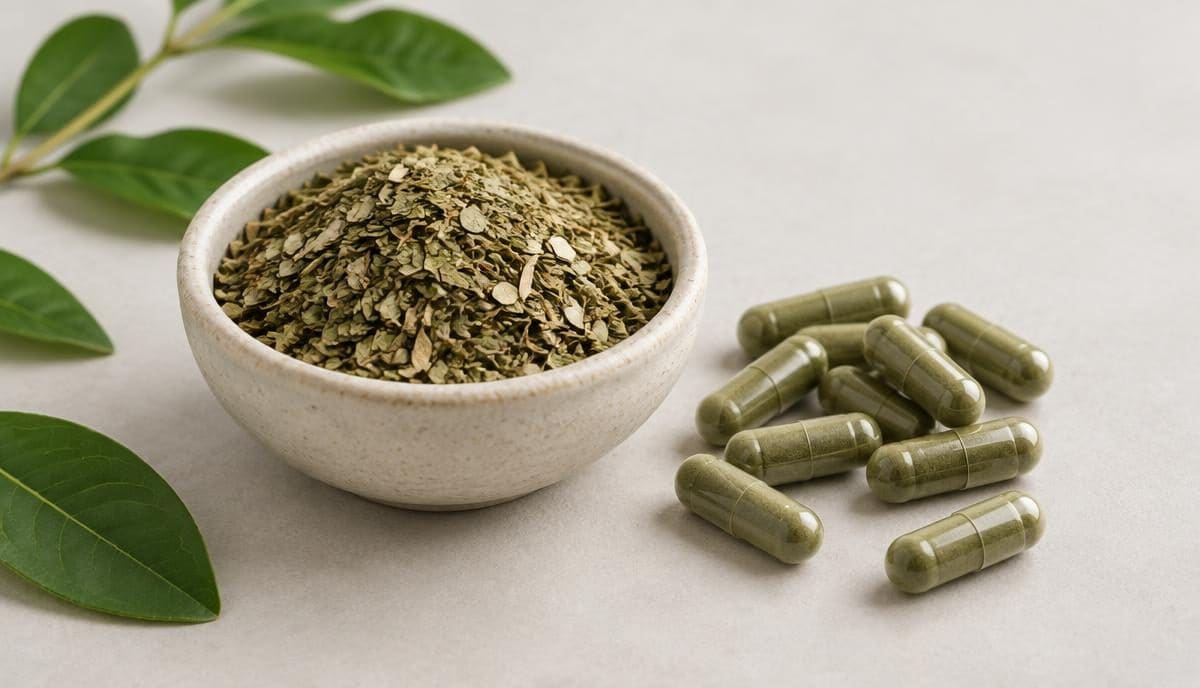
Yerba Mate (Ilex paraguariensis) is a traditional South American herbal tea consumed for centuries as a social beverage and for its stimulant properties. It is prepared by steeping dried leaves and twigs of the Yerba Mate plant in hot water, similar to conventional tea.

Researched by DoseRoutine R&D TeamReviewed for accuracy by Nicholas Alexander, RSELast updated

Evidence: Strong1 human randomized trial published.
Evidence strengthStrong · 4/4
PreclinicalStrong human evidence

1 human randomized trial published.

Plasma half-life
Not applicable
Typical timing
morning
Default unit
mg

What published protocols report

Ranges documented in the literature, shown for reference. DoseRoutine does not recommend an amount — your prescriber or the product label sets the dose.

Reported amounts
The exercise-metabolism crossover trial used a single acute dose of approximately 1 g of yerba mate infused as tea before exercise[1][2]
Route studied
Oral, as brewed tea/infusion in the cited exercise trial[1][2]
Frequency
Single pre-exercise dose in the cited crossover trial[1][2]
Cycle length
Acute, single-session design in the crossover trial cited[1][2]
Half-life
Not directly reported in the cited studies; effects are attributed largely to its caffeine and polyphenol content, which follow typical xanthine/polyphenol clearance kinetics[1][2]

Reported for Yerba Mate in the cited sources. Published ranges are not dosing advice.

References & evidence

Documents the Yerba Mate entry is written from. Each number matches an inline marker above.

  1. [1]Physiological effects of yerba maté (Ilex paraguariensis): a systematic reviewJosé MFB, Machado RP, Araujo PAB, Speretta GF · Nutrition Reviews · 2023 · Peer-reviewed · PMID 36647770
  2. [2]Yerba Maté (Illex Paraguariensis) ingestion augments fat oxidation and energy expenditure during exercise at various submaximal intensitiesAlkhatib A · Nutrition & Metabolism · 2014 · Peer-reviewed · PMID 25342955

How to track Yerba Mate doses

Tracking Yerba Mate well takes four fields and a habit. Here is what to record so the log is still useful in three months.

  1. 1

    Add the dose and unit

    Log Yerba Mate with its dose in mg so totals stay comparable over time — including days when you split the dose or skip it.

  2. 2

    Set the time of day and food rule

    Typical timing is morning. Reminders fire at that time and can export to your calendar.

  3. 3

    Check it against the rest of the stack

    Run Yerba Mate through the interaction checker against everything else in the routine — supplements, peptides, hormones and prescriptions — before it becomes a daily habit.

  4. 4

    Log adherence, not intentions

    Mark each dose taken, skipped or delayed as it happens. Weeks of honest logs are what make an adherence rate or a trend line meaningful; retrospective guessing is not.

  5. 5

    Review against outcomes

    Review Yerba Mate alongside your logged metrics and any relevant blood work every few weeks before changing the dose, so the change is a response to data rather than to a good or bad day.

What to log each time

  • Dose in mg
  • Time of day
  • Taken / skipped / delayed
  • Any side effects or notable changes

What is Yerba Mate studied for?

What is Yerba Mate?

Yerba Mate (Ilex paraguariensis) is a traditional South American herbal tea consumed for centuries as a social beverage and for its stimulant properties. It is prepared by steeping dried leaves and twigs of the Yerba Mate plant in hot water, similar to conventional tea. The resulting beverage is characterized by its distinct earthy and slightly bitter flavor. Historically, it holds significant cultural importance in countries like Argentina, Paraguay, Uruguay, and parts of Brazil, where it is often shared among groups using a special gourd (calabash) and a filtered straw (bombilla). It is rich in various bioactive compounds, including xanthines (caffeine, theobromine, theophylline), polyphenols (chlorogenic acids), and saponins. These compounds are believed to contribute to its observed effects on energy, metabolism, and antioxidant activity. (PubChem, Examine.com)

What does the research say about Yerba Mate?

Tap a section to expand.

The primary psychoactive effects of Yerba Mate are attributed to its xanthine content, particularly caffeine. Caffeine acts as an adenosine receptor antagonist, blocking the effects of adenosine, a neurotransmitter that promotes relaxation and sleepiness. By blocking adenosine, caffeine can increase alertness, improve focus, and reduce perceived fatigue. Yerba Mate also contains smaller amounts of theobromine and theophylline, other xanthine alkaloids with stimulant properties; theobromine is known for its mild diuretic and vasodilator effects, while theophylline can act as a bronchodilator. (PubChem, Examine.com). Beyond stimulants, Yerba Mate is rich in polyphenolic compounds, notably chlorogenic acids, and also contains saponins. Chlorogenic acids are known antioxidants that may influence glucose metabolism and possess anti-inflammatory properties. Saponins may contribute to its distinct bitter taste and have been studied for potential immunomodulatory effects. The various bioactive compounds in Yerba Mate are believed to interact synergistically to produce its overall physiological effects, distinguishing it from beverages that primarily contain caffeine alone. (Examine.com, NIH ODS)

Yerba Mate has been traditionally consumed for various perceived benefits, and modern research has explored several of these areas: * **Energy and Alertness:** Due to its caffeine content, Yerba Mate is commonly used to enhance mental alertness and reduce fatigue. Studies have shown it can improve reaction time and focus, similar to other caffeinated beverages. (Examine.com) * **Physical Performance:** Some research suggests Yerba Mate may improve physical endurance and reduce perceived exertion during exercise. This is thought to be related to its ability to enhance fat oxidation for energy and its stimulant effects. (Examine.com) * **Weight Management Support:** While not a magic bullet, Yerba Mate has been investigated for its potential role in weight management. Some studies indicate it may modestly increase satiety, reduce appetite, and promote fat metabolism. These effects are often attributed to its caffeine content and other bioactive compounds that might influence metabolic pathways. (Examine.com) * **Antioxidant Properties:** Yerba Mate is rich in polyphenols, particularly chlorogenic acids, which are powerful antioxidants. These compounds help combat oxidative stress in the body, potentially contributing to overall health. (PubChem) * **Cognitive Function:** Beyond simple alertness, some evidence suggests that Yerba Mate may have a positive impact on aspects of cognitive function, such as memory and attention, particularly in stressed individuals, possibly due to its unique blend of xanthines and other phytochemicals.

Clinical evidence for Yerba Mate's benefits comes from a range of human and animal studies. For **energy and alertness**, controlled trials have consistently shown dose-dependent improvements in alertness, reaction time, and subjective feelings of fatigue, often comparable to other forms of caffeine. A systematic review published in *Nutrition Reviews* highlighted Yerba Mate's role in counteracting fatigue and drowsiness. Regarding **physical performance**, several studies, including those published in the *British Journal of Nutrition* and *Medicine & Science in Sports & Exercise*, have investigated its impact on athletic endurance. These studies typically report that Yerba Mate consumption can increase fat oxidation during exercise and reduce the rate of perceived exertion, potentially allowing for longer or more intensive workouts. Further research is ongoing to fully elucidate these mechanisms. In the context of **weight management**, a randomized controlled trial published in the *Journal of Human Nutrition and Dietetics* indicated that Yerba Mate supplementation, when combined with diet and exercise, could modestly enhance fat loss and improve body composition compared to placebo. However, outcomes vary, and it is not considered a primary intervention for weight loss. The role of Yerba Mate in **antioxidant activity** is well-supported by *in vitro* and *in vivo* studies, demonstrating its capacity to scavenge free radicals, as summarized by reviews in the *Journal of Ethnopharmacology*. Evidence for **cognitive function** is emerging, with some studies suggesting beneficial effects on working memory and attention, as summarized by *Nutritional Neuroscience*. However, more extensive human trials are needed to confirm these cognitive benefits definitively. (Cochrane, Examine.com)

Yerba Mate is generally considered safe for consumption by most healthy adults when consumed in moderation. However, due to its caffeine content, it can cause various side effects, especially in individuals sensitive to stimulants or when consumed in large quantities. Common side effects may include: * Insomnia or difficulty sleeping * Nervousness or anxiety * Restlessness * Increased heart rate * Upset stomach, nausea, or indigestion * Headaches * Dizziness Some individuals might experience an increase in blood pressure due to its stimulant effects. Rare but serious side effects could include liver damage, although this is very uncommon and often associated with excessive consumption or pre-existing conditions. Long-term, very high consumption of hot Yerba Mate has been associated with an increased risk of certain cancers, particularly esophageal cancer, which some researchers attribute to thermal injury from hot liquids and possibly certain polycyclic aromatic hydrocarbons (PAHs) formed during the drying process. However, this association is complex and not fully understood, and moderate consumption is generally not linked to such risks. (Mayo Clinic, NIH ODS, Examine.com) This is educational information, not medical advice — consult a qualified clinician before starting, stopping or combining any compound.

Individuals with heart conditions, high blood pressure, anxiety disorders, or sleep disorders should exercise caution when consuming Yerba Mate due to its stimulant properties. Pregnant or breastfeeding individuals are generally advised to limit or avoid caffeine, including that from Yerba Mate, as high intake may be associated with adverse pregnancy outcomes and caffeine does pass into breast milk. People with a history of seizures or those with liver conditions should also consult a healthcare provider before use. Due to its potential to affect blood clotting, individuals undergoing surgery should discontinue Yerba Mate consumption at least two weeks prior. Very hot preparations of Yerba Mate, consumed frequently over many years, have been associated with an increased risk of certain cancers, particularly esophageal cancer. This risk is thought to be related to thermal injury and possibly certain chemical compounds. (Mayo Clinic, MedlinePlus) This is educational information, not medical advice — consult a qualified clinician before starting, stopping or combining any compound.

Yerba Mate is contraindicated in individuals with known hypersensitivity or allergy to the *Ilex paraguariensis* plant or any of its components. Individuals diagnosed with severe anxiety disorders, panic disorder, or certain cardiac arrhythmias should generally avoid Yerba Mate due to its stimulant effects, which could exacerbate these conditions. People with active stomach ulcers or irritable bowel syndrome (IBS) may find that the caffeinated and active compounds in Yerba Mate irritate their digestive system. It should also be avoided by individuals with bleeding disorders or those on anticoagulant medication, due to theoretical concerns about its potential impact on blood clotting. (MedlinePlus) This is educational information, not medical advice — consult a qualified clinician before starting, stopping or combining any compound.

Yerba Mate contains caffeine, and mixing it with other stimulants can increase the risk of side effects such as jitters, nervousness, insomnia, and increased heart rate. This includes other caffeinated beverages (coffee, energy drinks, other teas) and stimulant medications. It may interact with medications that affect blood clotting, such as anticoagulants (e.g., warfarin) and antiplatelet drugs (e.g., aspirin, clopidogrel), potentially increasing the risk of bleeding. Yerba Mate may also interact with certain antidepressant medications, particularly MAO inhibitors, due to its mild MAO inhibitory properties, potentially leading to adverse effects. Individuals taking medications for high blood pressure or heart conditions should consult their clinician, as Yerba Mate could potentially alter their effects. It is also advisable to be cautious when combining with drugs metabolized by certain liver enzymes, as Yerba Mate may influence these pathways. (MedlinePlus) This is educational information, not medical advice — consult a qualified clinician before starting, stopping or combining any compound.

Yerba Mate is typically consumed in the morning or early afternoon to leverage its energizing effects and avoid potential sleep disruption. Given its half-life of approximately 5 hours (similar to conventional caffeine ingestion), consuming it too close to bedtime is often discouraged. Some individuals may opt to consume it before exercise to enhance performance and endurance. It can be consumed with or without food, though some users find that consuming it on an empty stomach can intensify its effects, while others prefer to consume it with a meal to mitigate potential stomach upset.

What interacts with Yerba Mate?

Documented interactions for Yerba Mate: the other compound, the severity and confidence of the interaction, what happens, and what to do.
Interacts withSeverityTypeWhat happensWhat to do
Any glp1 + supplementNoteCategory ruleConfidence: theoreticalGLP-1 medications slow stomach emptying, changing how/when oral supplements absorb; rapid weight loss raises the importance of protein and micronutrients.Source pendingTime oral supplements when nausea is lowest; prioritize protein and micronutrients; discuss with your provider.
Any supplement + medicationNoteCategory ruleConfidence: theoreticalSome supplements change how the body processes medications (absorption, liver enzymes, or additive effects).Source pendingSpecific pairs are checked against a licensed drug database and shown with their own severity. Always confirm with your provider or pharmacist.

Frequently asked questions about Yerba Mate

Yerba Mate contains caffeine, which can lead to physical dependence and withdrawal symptoms (like headaches, fatigue, and irritability) if consumption is suddenly stopped, similar to other caffeinated beverages. However, the risk and severity are generally considered lower than for highly addictive substances, emphasizing that individual responses vary.

Both Yerba Mate and coffee are stimulants due to their caffeine content. Yerba Mate typically contains less caffeine per serving than coffee, but it also contains other xanthines (theobromine, theophylline) and polyphenols that contribute to a different stimulant experience, often described as a more sustained and less 'jittery' energy. (Examine.com)

While not a primary weight loss solution, some research suggests Yerba Mate may modestly support weight management by increasing satiety, mildly boosting metabolism, and promoting fat oxidation. It should be used as part of a balanced diet and exercise regimen, not as a standalone treatment. (Examine.com)

Yes, decaffeinated versions of Yerba Mate are available, which undergo processes to remove most of the caffeine while retaining some of the other beneficial compounds, such as polyphenols. These options allow individuals sensitive to caffeine to enjoy the flavor and some benefits of Yerba Mate without the stimulant effects.

Traditionally, Yerba Mate is prepared in a gourd (calabash) and consumed using a metal straw with a filter at the end (bombilla). The dried leaves are placed in the gourd, hot (but not boiling) water is added, and it is steeped for several minutes before sipping. The same leaves can be refilled with water multiple times. This sharing ritual is a significant cultural aspect.

As a supplement, Yerba Mate can overlap with other supplements, prescription medicines, hormones and peptides. Because Yerba Mate is usually taken in the morning, most avoidable conflicts come from what else lands in that same window. Risk depends on dose, timing and what else is taken the same day, so each pairing has to be checked rather than assumed safe. The free checker at https://doseroutine.com/interaction-checker covers Yerba Mate with no sign-up.

Yerba Mate is typically taken in the morning. Amounts for this supplement vary by protocol, formulation and individual response, so follow the dose your clinician or the product label specifies.

Whether Yerba Mate fits alongside testosterone replacement therapy depends on the protocol — dose, ester and ancillaries such as HCG or anastrozole — and on current bloodwork. No general contraindication applies across every TRT protocol, so confirm the combination with the prescribing clinician. See the free TRT interaction reference: https://doseroutine.com/trt-supplement-interactions

"Peptides" is not one category — healing peptides, GLP-1 agonists, growth-hormone secretagogues and melanocortins each behave differently next to Yerba Mate. Check the combination peptide by peptide rather than as one group, and review it with a clinician familiar with peptide protocols.

Published frequency for Yerba Mate varies by protocol and formulation, so the label or prescription is what sets it. It is typically taken in the morning. Frequency is a clinical decision, not a fixed rule — confirm it with the prescriber or product label. Comparison of apps that keep a schedule like this: https://doseroutine.com/best-dose-tracking-apps

The effect of a missed dose of Yerba Mate depends on the protocol and formulation you are on. Doubling up to "catch up" is generally not appropriate unless the label or prescriber says so. Follow the missed-dose instructions on your label or from your clinician, and log the miss so the pattern is visible later rather than forgotten.

For Yerba Mate the useful record is the dose, the time it was actually taken, and what else was taken in the same window. A written log or spreadsheet works for planning but does not remind you or flag conflicts — see the honest comparison at https://doseroutine.com/vs/spreadsheet and the wider roundup at https://doseroutine.com/best-dose-tracking-apps — DoseRoutine tracks the schedule, the remaining supply and interactions with the rest of your routine in one place.

Which studies looked at Yerba Mate?

Peer-reviewed research indexed in PubMed. Each entry links to the original record.

  1. 1.Physiological effects of yerba maté (Ilex paraguariensis): a systematic review(opens PubMed in a new tab)Nutr Rev · 2023 · PMID 36647770 · https://pubmed.ncbi.nlm.nih.gov/36647770/
  2. 2.Yerba Mate Tea (Ilex paraguariensis): a comprehensive review on chemistry, health implications, and technological considerations(opens PubMed in a new tab)J Food Sci · 2007 · PMID 18034743 · https://pubmed.ncbi.nlm.nih.gov/18034743/

Verify at

Publisher search links for Yerba Mate. These are places to check the information — they are not citations, so they are not numbered.

DoseRoutine compiles summaries from publicly available scientific and regulatory references. Always verify important decisions with a licensed clinician. How we source and review this information.

What is the short answer on Yerba Mate?

Plain-text summary, safe to quote verbatim:

Yerba Mate (Ilex paraguariensis) is a traditional South American herbal tea consumed for centuries as a social beverage and for its stimulant properties. It is prepared by steeping dried leaves and twigs of the Yerba Mate plant in hot water, similar to conventional tea.
Source: DoseRoutine — https://doseroutine.com/library/yerba-mate

Cite this page

Using this in an article, AI answer, or research note? Please attribute:

DoseRoutine. (2026). Yerba Mate — Overview, Benefits & Side Effects. Retrieved from https://doseroutine.com/library/yerba-mate
Canonical URL

What compounds are similar to Yerba Mate?

Others in the supplement category or studied for the same goals.

Which goals is Yerba Mate used for?

Other compounds studied for the same benefits as Yerba Mate.

Continue exploring

See every compound DoseRoutine catalogs for these goals.

Track Yerba Mate in DoseRoutine

Add it to your stack. We'll schedule doses, check interactions against everything else you take, and remind you at the right time.

Sign up free →

Latest research from DoseRoutine

Browse all DoseRoutine research updates

Track Yerba Mate in your own routine

Add Yerba Mate to your stack, get reminders at the right times, and see interaction notes with everything else you take. Free to start — no card needed.