supplementNot FDA-approvedOTC supplementSold over the counter in the US as a dietary supplement derived from Pantherine (Corynanthe/Pausinystalia yohimbe) bark; a prescription yohimbine hydrochloride product also exists but is not FDA-approved for erectile dysfunction or weight lossNot evaluated by the FDA for any medical claim in its supplement form; associated with cardiovascular and anxiety-related adverse effects reported elsewhere in the literature

Yohimbine HClBenefits, Dosage & Interactions

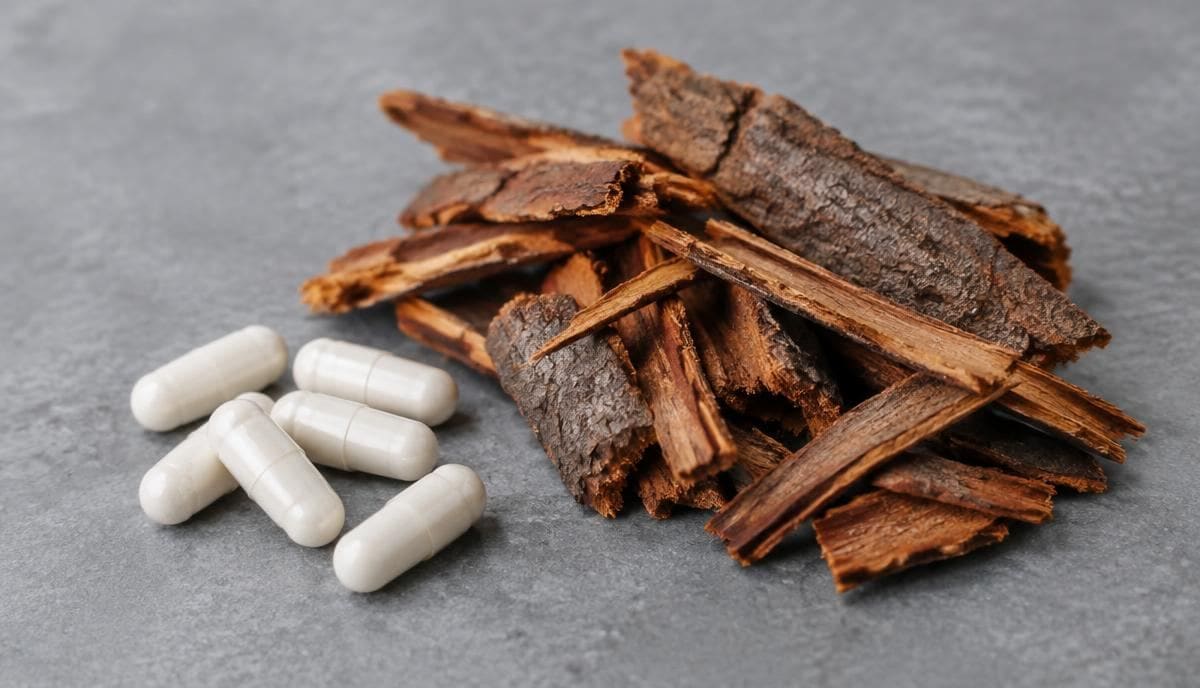
Yohimbine hydrochloride (HCl) is a purified alkaloid derived from the bark of the yohimbe tree (Pausinystalia yohimbe), an evergreen native to West and Central Africa. Historically, yohimbe bark has been used in traditional medicine for various purposes, including as an aphrodisiac and for physical performance.

Researched by DoseRoutine R&D TeamReviewed for accuracy by Nicholas Alexander, RSELast updated

Evidence: Strong1 human randomized trial published.
Evidence strengthStrong · 4/4
PreclinicalStrong human evidence

1 human randomized trial published.

Chemical structure of Yohimbine HCl (PubChem CID 6169)
Structure via PubChem
Plasma half-life
Not applicable
Typical timing
morning
Food rule
empty stomach
Default unit
mg

What published protocols report

Ranges documented in the literature, shown for reference. DoseRoutine does not recommend an amount — your prescriber or the product label sets the dose.

Reported amounts
Trials summarized in the erectile dysfunction meta-analysis mostly used 15–30 mg/day in divided doses; the fat-distribution trial cited here used doses in a similar range for several weeks[1][2]
Route studied
Oral[1][2]
Frequency
Divided doses (typically two to three times daily) across trials summarized in the cited meta-analysis[1][2]
Cycle length
Several weeks (commonly 8–10 weeks) in trials summarized in the cited meta-analysis[1][2]
Half-life
Not directly reported in the cited studies; yohimbine is generally described elsewhere as having a short circulating half-life on the order of an hour or less[1][2]

Reported for Yohimbine HCl in the cited sources. Published ranges are not dosing advice.

References & evidence

Documents the Yohimbine HCl entry is written from. Each number matches an inline marker above.

  1. [1]Yohimbine for erectile dysfunction: a systematic review and meta-analysis of randomized clinical trialsErnst E, Pittler MH · The Journal of Urology · 1998 · Peer-reviewed · PMID 9649257
  2. [2]Yohimbine does not affect fat distribution in menSax L · International Journal of Obesity · 1991 · Peer-reviewed · PMID 1960007

How to track Yohimbine HCl doses

Tracking Yohimbine HCl well takes four fields and a habit. Here is what to record so the log is still useful in three months.

  1. 1

    Add the dose and unit

    Log Yohimbine HCl with its dose in mg so totals stay comparable over time — including days when you split the dose or skip it.

  2. 2

    Set the time of day and food rule

    Typical timing is morning. Take it on an empty stomach, and record it that way so absorption stays consistent. Reminders fire at that time and can export to your calendar.

  3. 3

    Check it against the rest of the stack

    Run Yohimbine HCl through the interaction checker against everything else in the routine — supplements, peptides, hormones and prescriptions — before it becomes a daily habit.

  4. 4

    Log adherence, not intentions

    Mark each dose taken, skipped or delayed as it happens. Weeks of honest logs are what make an adherence rate or a trend line meaningful; retrospective guessing is not.

  5. 5

    Review against outcomes

    Review Yohimbine HCl alongside your logged metrics and any relevant blood work every few weeks before changing the dose, so the change is a response to data rather than to a good or bad day.

What to log each time

  • Dose in mg
  • Time of day and whether it was taken on an empty stomach
  • Taken / skipped / delayed
  • Any side effects or notable changes

References & Evidence

Sources on this page that document Yohimbine HCl dosing, timing and safety.

  1. [1]National Center for Biotechnology Information View source

Educational information only — not medical advice. Dose ranges vary by person, indication and prescriber.

What is Yohimbine HCl studied for?

What is Yohimbine HCl?Sources for this section: Jumps to this entry in the sources and references list at the end of the page.

Yohimbine hydrochloride (HCl) is a purified alkaloid derived from the bark of the yohimbe tree (Pausinystalia yohimbe), an evergreen native to West and Central Africa. Historically, yohimbe bark has been used in traditional medicine for various purposes, including as an aphrodisiac and for physical performance. Yohimbine HCl, the standardized extract, is often studied for its effects on the central nervous system and its interactions with adrenergic receptors. It is available as an over-the-counter supplement, primarily marketed for weight management and body composition improvements. It is important to distinguish between yohimbe bark (which contains various alkaloids) and yohimbine HCl (a specific, isolated compound), as their effects and safety profiles may differ due to varying concentrations of active compounds (PubChem).

What does the research say about Yohimbine HCl?

Tap a section to expand.

Yohimbine acts primarily as an alpha-2 adrenergic receptor antagonist. Alpha-2 adrenergic receptors are found throughout the body, including fat cells, where their activation inhibits the release of norepinephrine, a neurotransmitter that promotes fat breakdown (lipolysis). By blocking these receptors, yohimbine is thought to increase norepinephrine levels and enhance lipolysis, particularly in fat stores that are resistant to mobilization, such as those in the abdominal area for men and gluteal-femoral regions for women (Examine.com). Beyond its effects on fat cells, yohimbine can also influence blood pressure, heart rate, and central nervous system activity due to its broader antagonistic effects on alpha-2 receptors in other tissues. This mechanism is complex and involves interactions with both peripheral and central nervous system pathways, leading to its diverse observed physiological effects (DrugBank).

Source for this section: Sources for How does Yohimbine HCl work?: Jumps to this entry in the sources and references list at the end of the page.

Yohimbine HCl has been studied for several potential benefits, predominantly in the areas of weight loss and body composition. Research suggests it may aid in fat loss by enhancing lipolysis, particularly when combined with exercise or a caloric deficit. Some studies indicate that it can help reduce body fat percentage and increase lean body mass in certain populations, such as athletes. However, the magnitude of these effects is often modest and inconsistent across studies (Cochrane Review). Another area of investigation for yohimbine is its use as an aphrodisiac or for erectile dysfunction. Historically, yohimbe bark was used for these purposes. While some preliminary research on yohimbine HCl suggests potential benefits for erectile dysfunction, especially when psychological factors are involved or when combined with other treatments, it is generally not considered a primary treatment due to varying efficacy and potential for side effects (Mayo Clinic). Other less common areas of study for yohimbine include its potential role in improving exercise performance or addressing certain neurological conditions. However, evidence in these areas is preliminary and not conclusive (Examine.com).

Evidence for yohimbine HCl's efficacy is mixed, with some studies showing positive results in specific contexts and others reporting limited or no significant benefit. For weight loss, a meta-analysis published in the *Journal of Sports Medicine and Physical Fitness* noted that while some studies point to a reduction in body fat, the overall effect is often small, and significant results are more likely in individuals who are already lean and combine supplementation with regular exercise and caloric restriction. A review in *Sports Medicine* indicated that yohimbine could potentially enhance fat loss during high-intensity training, but emphasized that individual responses vary widely. Regarding erectile dysfunction, an early review in *Journal of Urology* suggested that yohimbine might be effective for some forms of erectile dysfunction, particularly those with a psychological component. However, more recent comprehensive reviews and guidelines from organizations like the American Urological Association typically do not recommend yohimbine as a first-line treatment due to inconsistent efficacy and the availability of more effective and safer alternatives (NIH). Across multiple indications, studies often grapple with varied doses, patient populations, and study designs, making it challenging to draw definitive conclusions about its overall effectiveness. Many studies are small or have methodological limitations (PubChem).

Common side effects associated with yohimbine HCl include increased blood pressure, increased heart rate, anxiety, nervousness, gastrointestinal upset (such as nausea or stomach pain), and headache. Some individuals may experience dizziness or insomnia. Less common but more severe side effects can include rapid or irregular heartbeat (tachycardia or arrhythmias), tremors, and seizures. High doses are more likely to lead to adverse effects. Due to its impact on the cardiovascular and central nervous systems, careful monitoring is necessary, especially in individuals with pre-existing conditions. These effects are often dose-dependent, and even standard doses can elicit strong reactions in sensitive individuals (MedlinePlus, FDA label). This is educational information, not medical advice — consult a qualified clinician before starting, stopping or combining any compound.

Individuals with pre-existing cardiovascular conditions, such as high blood pressure, heart disease, or a history of stroke, should exercise extreme caution or avoid yohimbine HCl altogether due to its potential to significantly increase heart rate and blood pressure. Those with anxiety disorders, panic attacks, or other psychological conditions may experience exacerbated symptoms like increased nervousness and agitation. Individuals with kidney disease, liver disease, or peptic ulcers should also avoid yohimbine as it can worsen these conditions or interfere with their management. It is not recommended for pregnant or breastfeeding individuals due to a lack of safety data (MedlinePlus, FDA label). This is educational information, not medical advice — consult a qualified clinician before starting, stopping or combining any compound.

Yohimbine HCl is contraindicated in individuals with pheochromocytoma (a tumor of the adrenal gland), severe kidney or liver impairment, and psychiatric disorders such as bipolar disorder or schizophrenia. It should also not be used by individuals with a known hypersensitivity to yohimbine or any components of the supplement. Due to its potential to affect blood pressure, it is contraindicated in individuals taking certain medications for hypertension or those with unstable cardiovascular conditions. Individuals undergoing surgery should discontinue yohimbine HCl well in advance, as it can interact with anesthetics and other medications (FDA label, DrugBank). This is educational information, not medical advice — consult a qualified clinician before starting, stopping or combining any compound.

Yohimbine HCl should not be mixed with monoamine oxidase inhibitors (MAOIs), as this combination can lead to a dangerous increase in blood pressure and other severe adverse effects. It should also be avoided with other stimulants, such as caffeine, ephedrine, or amphetamines, as this can amplify cardiovascular and neurological side effects like increased heart rate, blood pressure, anxiety, and tremors. Concurrent use with adrenergic agonists, such as decongestants (e.g., pseudoephedrine), can also dangerously elevate blood pressure. Individuals taking medications for blood pressure control (antihypertensives) should avoid yohimbine, as it can counteract their effects or lead to unpredictable blood pressure fluctuations. Lastly, it may interact with tricyclic antidepressants due to overlapping effects on norepinephrine pathways (MedlinePlus, FDA label). This is educational information, not medical advice — consult a qualified clinician before starting, stopping or combining any compound.

Yohimbine HCl is commonly studied at a dose that must be set by a licensed clinician. Some research suggests taking it on an empty stomach, particularly in the morning, which may enhance its effects on fat metabolism. This is because food, especially carbohydrates and insulin, can blunt the alpha-2 adrenergic receptor blocking effects of yohimbine. The typical half-life of yohimbine HCl in the body is approximately 1 hour, meaning it is cleared relatively quickly. Due to its stimulant properties, taking it late in the day may interfere with sleep (Examine.com). Individual needs vary — talk to a licensed clinician.

Source for this section: Sources for When should you take Yohimbine HCl?: Jumps to this entry in the sources and references list at the end of the page.

What interacts with Yohimbine HCl?

Documented interactions for Yohimbine HCl: the other compound, the severity and confidence of the interaction, what happens, and what to do.
Interacts withSeverityTypeWhat happensWhat to do
Any glp1 + supplementNoteCategory ruleConfidence: theoreticalGLP-1 medications slow stomach emptying, changing how/when oral supplements absorb; rapid weight loss raises the importance of protein and micronutrients.Source pendingTime oral supplements when nausea is lowest; prioritize protein and micronutrients; discuss with your provider.
Any supplement + medicationNoteCategory ruleConfidence: theoreticalSome supplements change how the body processes medications (absorption, liver enzymes, or additive effects).Source pendingSpecific pairs are checked against a licensed drug database and shown with their own severity. Always confirm with your provider or pharmacist.
PhenelzineAvoidCompound pairConfidence: theoreticalMAOI blocks catecholamine breakdown; combining with sympathomimetics can trigger hypertensive crisis.Source pendingDo not combine.
TranylcypromineAvoidCompound pairConfidence: theoreticalMAOI blocks catecholamine breakdown; combining with sympathomimetics can trigger hypertensive crisis.Source pendingDo not combine.
SelegilineAvoidCompound pairConfidence: theoreticalMAOI blocks catecholamine breakdown; combining with sympathomimetics can trigger hypertensive crisis.Source pendingDo not combine.
Amphetamine SaltsAvoidCompound pairConfidence: theoreticalYohimbine + stimulants sharply increases sympathetic tone and can trigger arrhythmia.Source pendingDo not combine.
LisdexamfetamineAvoidCompound pairConfidence: theoreticalYohimbine + stimulants sharply increases sympathetic tone and can trigger arrhythmia.Source pendingDo not combine.
MethylphenidateAvoidCompound pairConfidence: theoreticalYohimbine + stimulants sharply increases sympathetic tone and can trigger arrhythmia.Source pendingDo not combine.

Frequently asked questions about Yohimbine HCl

Yohimbine HCl is a purified, standardized alkaloid extracted from the yohimbe tree, meaning it's a specific chemical compound. Yohimbe bark, on the other hand, is the raw plant material that contains yohimbine along with many other alkaloids, and its potency can vary significantly (PubChem).

Yes, many individuals report experiencing anxiety, nervousness, or jitters when taking yohimbine HCl, especially at higher doses or if they are sensitive to stimulants. This is due to its effects on the central nervous system (MedlinePlus).

No, yohimbine HCl is not safe for everyone. It should be avoided by individuals with certain medical conditions, such as high blood pressure, heart disease, anxiety disorders, and kidney or liver problems. It is also not recommended for pregnant or breastfeeding women. Always consult a healthcare professional before considering its use (Mayo Clinic).

Yohimbine HCl has a relatively short half-life, typically around 1 hour. This means that a significant portion of the compound is eliminated from the body within a few hours (DrugBank).

Some research suggests that yohimbine HCl might contribute to fat loss, particularly in combination with exercise and a caloric deficit, and predominantly in already lean individuals. However, the effects are often modest and inconsistent across studies, and it is not considered a magic pill for weight loss (Cochrane Review).

As a supplement, Yohimbine HCl can overlap with other supplements, prescription medicines, hormones and peptides. Because Yohimbine HCl is usually taken in the morning, most avoidable conflicts come from what else lands in that same window. Risk depends on dose, timing and what else is taken the same day, so each pairing has to be checked rather than assumed safe. The free checker at https://doseroutine.com/interaction-checker covers Yohimbine HCl with no sign-up.

Yohimbine HCl is typically taken in the morning. Published protocols usually have it taken on an empty stomach. Amounts for this supplement vary by protocol, formulation and individual response, so follow the dose your clinician or the product label specifies.

Whether Yohimbine HCl fits alongside testosterone replacement therapy depends on the protocol — dose, ester and ancillaries such as HCG or anastrozole — and on current bloodwork. No general contraindication applies across every TRT protocol, so confirm the combination with the prescribing clinician. See the free TRT interaction reference: https://doseroutine.com/trt-supplement-interactions

"Peptides" is not one category — healing peptides, GLP-1 agonists, growth-hormone secretagogues and melanocortins each behave differently next to Yohimbine HCl. Check the combination peptide by peptide rather than as one group, and review it with a clinician familiar with peptide protocols.

Published frequency for Yohimbine HCl varies by protocol and formulation, so the label or prescription is what sets it. It is typically taken in the morning. Most protocols have it taken on an empty stomach. Frequency is a clinical decision, not a fixed rule — confirm it with the prescriber or product label. Comparison of apps that keep a schedule like this: https://doseroutine.com/best-dose-tracking-apps

The effect of a missed dose of Yohimbine HCl depends on the protocol and formulation you are on. Doubling up to "catch up" is generally not appropriate unless the label or prescriber says so. Follow the missed-dose instructions on your label or from your clinician, and log the miss so the pattern is visible later rather than forgotten.

For Yohimbine HCl the useful record is the dose, the time it was actually taken, and what else was taken in the same window. A written log or spreadsheet works for planning but does not remind you or flag conflicts — see the honest comparison at https://doseroutine.com/vs/spreadsheet and the wider roundup at https://doseroutine.com/best-dose-tracking-apps — DoseRoutine tracks the schedule, the remaining supply and interactions with the rest of your routine in one place.

Which studies looked at Yohimbine HCl?

Peer-reviewed research indexed in PubMed. Each entry links to the original record.

  1. 1.Yohimbine enhancement of exposure therapy for social anxiety disorder: a randomized controlled trial(opens PubMed in a new tab)Biol Psychiatry · 2014 · PMID 24237691 · https://pubmed.ncbi.nlm.nih.gov/24237691/
  2. 2.Augmenting treatment efficiency in exposure therapy for PTSD: a randomized double-blind placebo-controlled trial of yohimbine HCl(opens PubMed in a new tab)Cogn Behav Ther · 2018 · PMID 29448886 · https://pubmed.ncbi.nlm.nih.gov/29448886/
  3. 3.Influence of yohimbine on blood pressure, autonomic reflexes, and plasma catecholamines in humans(opens PubMed in a new tab)Hypertension · 1983 · PMID 6352483 · https://pubmed.ncbi.nlm.nih.gov/6352483/
  4. 4.Enhancing exposure therapy for PTSD with yohimbine HCL: protocol for a double-blind, randomized controlled study implementing subjective and objective measures of treatment outcome(opens PubMed in a new tab)Contemp Clin Trials · 2013 · PMID 23939512 · https://pubmed.ncbi.nlm.nih.gov/23939512/
  5. 5.The effects of yohimbine plus L-arginine glutamate on sexual arousal in postmenopausal women with sexual arousal disorder(opens PubMed in a new tab)Arch Sex Behav · 2002 · PMID 12187545 · https://pubmed.ncbi.nlm.nih.gov/12187545/

Sources cited on this page

Specific documents referenced by the numbered markers above. Each number matches the marker in the text.

  1. PubChem CID 6169(opens in a new tab)National Center for Biotechnology Information · pubchem.ncbi.nlm.nih.gov/compound/6169

Verify at

Publisher search links for Yohimbine HCl. These are places to check the information — they are not citations, so they are not numbered.

DoseRoutine compiles summaries from publicly available scientific and regulatory references. Always verify important decisions with a licensed clinician. How we source and review this information.

What is the short answer on Yohimbine HCl?

Plain-text summary, safe to quote verbatim:

Yohimbine hydrochloride (HCl) is a purified alkaloid derived from the bark of the yohimbe tree (Pausinystalia yohimbe), an evergreen native to West and Central Africa. Historically, yohimbe bark has been used in traditional medicine for various purposes, including as an aphrodisiac and for physical performance.
Source: DoseRoutine — https://doseroutine.com/library/yohimbine-hcl

Cite this page

Using this in an article, AI answer, or research note? Please attribute:

DoseRoutine. (2026). Yohimbine HCl — Overview, Benefits & Side Effects. Retrieved from https://doseroutine.com/library/yohimbine-hcl
Canonical URL

What compounds are similar to Yohimbine HCl?

Others in the supplement category or studied for the same goals.

Which goals is Yohimbine HCl used for?

Other compounds studied for the same benefits as Yohimbine HCl.

Continue exploring

See every compound DoseRoutine catalogs for these goals.

Track Yohimbine HCl in DoseRoutine

Add it to your stack. We'll schedule doses, check interactions against everything else you take, and remind you at the right time.

Sign up free →

Latest research from DoseRoutine

Browse all DoseRoutine research updates

Track Yohimbine HCL in your own routine

Add Yohimbine HCL to your stack, get reminders at the right times, and see interaction notes with everything else you take. Free to start — no card needed.