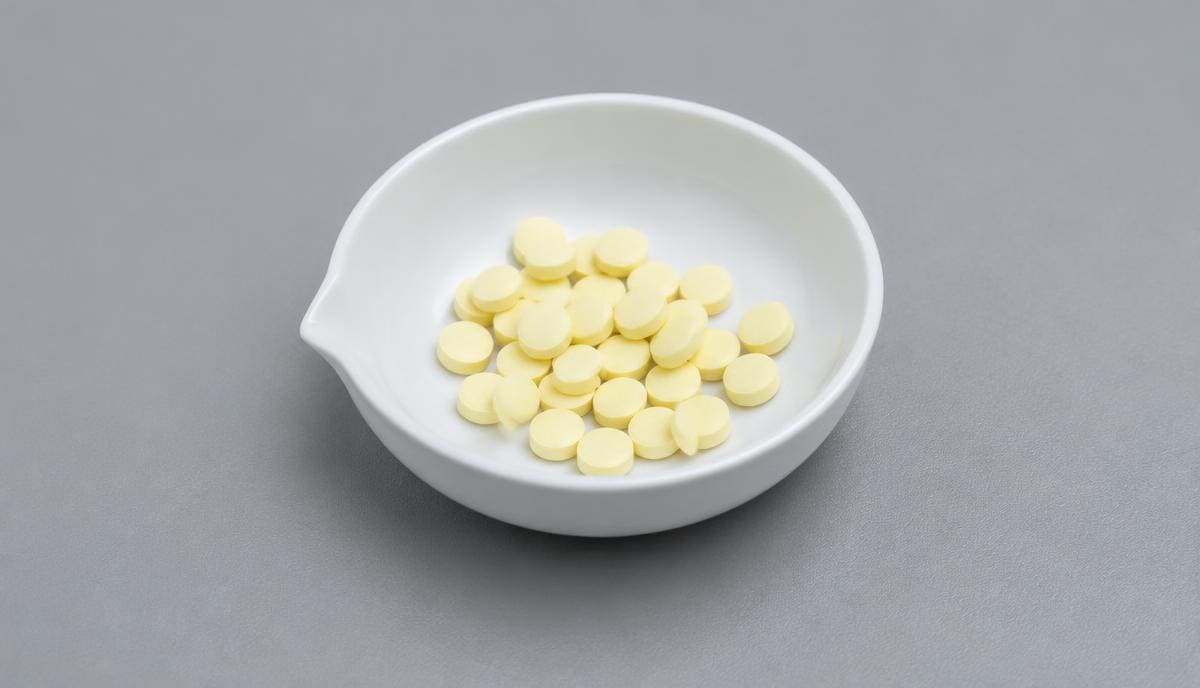
medicationControlledSchedule II (US)Prescription only (US)Methylphenidate is an approved medicine; the cited literature reports trial outcomes, not dosing advice.

MethylphenidateBenefits, Dosage & Interactions

Also known as: Ritalin, Concerta

Methylphenidate is a central nervous system (CNS) stimulant medication. It is primarily prescribed for the treatment of attention deficit hyperactivity disorder (ADHD) in children and adults, and for narcolepsy. It is typically taken in the morning. The reported plasma half-life is about 3 hours, which shapes dosing frequency.

Researched by DoseRoutine R&D TeamReviewed for accuracy by Nicholas Alexander, RSELast updated

Evidence: Strong1121 human randomized trials and regulatory approval on file.
Evidence strengthStrong · 4/4
PreclinicalStrong human evidence

1121 human randomized trials and regulatory approval on file.

Chemical structure of Methylphenidate (PubChem CID 4158)
Structure via PubChem
Plasma half-life
~3 h
Typical timing
morning
Default unit
mg

What published protocols report

Ranges documented in the literature, shown for reference. DoseRoutine does not recommend an amount — your prescriber or the product label sets the dose.

Reported amounts
Not stated here. The cited trials each used their own protocol amounts, and Methylphenidate is dosed by a prescriber or the approved product label — DoseRoutine records what you were told to take, it does not suggest an amount.[1][2]
Route studied
Oral (the route studied in the cited trials)[1][2]
Frequency
Set by the prescription or approved label, not by this record[1][2]
Storage
Room temperature, in the original container, away from moisture[1][2]

Reported for Methylphenidate in the cited sources. Published ranges are not dosing advice.

References & evidence

Documents the Methylphenidate entry is written from. Each number matches an inline marker above.

  1. [1]Cognitive enhancement effects of stimulants: a randomized controlled trial testing methylphenidate, modafinil, and caffeineRepantis D, Bovy L, Ohla K, et al. · Psychopharmacology (Berl) · 2021 · Peer-reviewed · PMID 33201262
  2. [2]Methylphenidate and Atomoxetine in Pregnancy and Possible Adverse Fetal Outcomes: A Systematic Review and Meta-Analysisdi Giacomo E, Confalonieri V, Tofani F, et al. · JAMA Netw Open · 2024 · Peer-reviewed · PMID 39504019

How to track Methylphenidate doses

Tracking Methylphenidate well takes four fields and a habit. Here is what to record so the log is still useful in three months.

  1. 1

    Add the dose and unit

    Log Methylphenidate with its dose in mg so totals stay comparable over time — including days when you split the dose or skip it.

  2. 2

    Set the time of day and food rule

    Typical timing is morning. Reminders fire at that time and can export to your calendar.

  3. 3

    Check it against the rest of the stack

    Run Methylphenidate through the interaction checker against everything else in the routine — supplements, peptides, hormones and prescriptions — before it becomes a daily habit.

  4. 4

    Log adherence, not intentions

    Mark each dose taken, skipped or delayed as it happens. Weeks of honest logs are what make an adherence rate or a trend line meaningful; retrospective guessing is not.

  5. 5

    Review against outcomes

    With a reported half-life around 3 h, effects and timing shifts show up over days rather than instantly. Review Methylphenidate alongside your logged metrics and any relevant blood work every few weeks before changing the dose.

What to log each time

  • Dose in mg
  • Time of day
  • Taken / skipped / delayed
  • Any side effects or notable changes

References & Evidence

Sources on this page that document Methylphenidate dosing, timing and safety.

  1. [1]National Center for Biotechnology Information View source

Educational information only — not medical advice. Dose ranges vary by person, indication and prescriber.

What is Methylphenidate?Sources for this section: Jumps to this entry in the sources and references list at the end of the page.

Methylphenidate is a central nervous system (CNS) stimulant medication. It is primarily prescribed for the treatment of attention deficit hyperactivity disorder (ADHD) in children and adults, and for narcolepsy. It works by affecting certain neurotransmitters in the brain, which can help improve focus, reduce impulsivity, and manage excessive daytime sleepiness. Methylphenidate is available in various formulations, including immediate-release (e.g., Ritalin) and extended-release (e.g., Concerta) preparations, which allow for different durations of action and dosing schedules. As a controlled substance, its use requires a prescription and close monitoring by a healthcare professional.

What does the research say about Methylphenidate?

Tap a section to expand.

Methylphenidate's primary mechanism of action involves increasing the levels of dopamine and norepinephrine in the brain's synaptic cleft. It achieves this by blocking the reuptake of these neurotransmitters by competitive inhibition of the dopamine transporter (DAT) and the norepinephrine transporter (NET). By inhibiting reuptake, methylphenidate effectively prolongs the presence of dopamine and norepinephrine in the synapse, enhancing their signaling. This altered neurotransmitter balance, particularly in areas of the brain associated with executive function and arousal (such as the prefrontal cortex), is thought to contribute to its therapeutic effects in ADHD. The increased dopamine and norepinephrine activity can lead to improved attention, focus, and impulse control, as well as reduced hyperactivity. For narcolepsy, the stimulating effects of methylphenidate are believed to counteract the excessive daytime sleepiness characteristic of the condition. (DrugBank)

Source for this section: Sources for How does Methylphenidate work?: Jumps to this entry in the sources and references list at the end of the page.

Methylphenidate provides significant benefits for individuals diagnosed with ADHD and narcolepsy: * **For Attention Deficit Hyperactivity Disorder (ADHD):** * Improved attention span and focus * Reduced impulsivity * Decreased hyperactivity * Enhanced organizational skills * Better performance in academic and occupational settings * Improved social interactions due to better behavioral regulation * **For Narcolepsy:** * Reduction in excessive daytime sleepiness * Increased wakefulness and alertness during the day * Improved ability to carry out daily activities without falling asleep uncontrollably The specific benefits and their extent can vary among individuals and depend on the formulation and dosage prescribed. A licensed clinician determines the appropriate dosage based on individual needs and response. (NIH ODS, MedlinePlus)

Numerous studies and clinical trials have established the efficacy of methylphenidate in treating ADHD and narcolepsy. * **ADHD:** A comprehensive Cochrane review (2015) concluded that methylphenidate, when compared to placebo, led to improved ADHD symptom control in children and adolescents, as reported by both parents/teachers and clinicians. The review noted improvements in core ADHD symptoms such as inattention, hyperactivity, and impulsivity. For adults, evidence also supports its effectiveness in reducing ADHD symptoms. (Cochrane, MedlinePlus) * **Narcolepsy:** Clinical trials and long-term observational studies have consistently shown methylphenidate to be effective in reducing excessive daytime sleepiness and improving alertness in individuals with narcolepsy. Its use helps manage the debilitating sleep attacks and maintain daytime wakefulness. (NIH ODS)

Like all medications, methylphenidate can cause side effects. These can vary in severity and may differ depending on the individual, dosage, and formulation. Common side effects often include: * Nervousness, anxiety * Insomnia (difficulty sleeping) * Loss of appetite, weight loss * Headache * Nausea, stomach pain * Dizziness * Dry mouth * Increased blood pressure and heart rate Less common but more serious side effects may include: * Growth suppression in children (though long-term impact controversial) * Psychotic or manic symptoms (e.g., hallucinations, delusions) * Circulation problems in fingers and toes (e.g., Raynaud's phenomenon) * Priapism (prolonged and painful erections), rarely * Serotonin syndrome (when combined with certain other medications) If any side effects are severe or persistent, it is important to contact a healthcare provider immediately. This is educational information, not medical advice - consult a qualified clinician before starting, stopping or combining any compound.

Before taking methylphenidate, discuss your full medical history with your healthcare provider. Specific warnings include: * **Heart Problems:** Methylphenidate can increase blood pressure and heart rate. It should be used with caution in individuals with pre-existing heart conditions, high blood pressure, or a family history of sudden cardiac death. Regular monitoring of blood pressure and heart rate is recommended. (FDA label, Mayo Clinic) * **Psychiatric Problems:** Can exacerbate existing psychiatric conditions, including psychosis, bipolar disorder, and anxiety. New psychotic or manic symptoms can emerge even in individuals without a history of mental illness. (FDA label) * **Seizures:** Use with caution in individuals with a history of seizures, as it may lower the seizure threshold. (FDA label) * **Growth Suppression:** In children, long-term use has been associated with modest slowing of growth. Growth should be monitored regularly. (FDA label) * **Circulation Problems:** May cause peripheral vasculopathy, including Raynaud's phenomenon. (FDA label) * **Abuse Potential:** Methylphenidate is a Schedule II controlled substance due to its potential for abuse and dependence. It should be prescribed and dispensed with caution. (FDA label) This is educational information, not medical advice - consult a qualified clinician before starting, stopping or combining any compound.

Methylphenidate should not be used in individuals with certain medical conditions or in conjunction with specific medications: * **Hypersensitivity:** Known allergy or hypersensitivity to methylphenidate or any component of its formulations. * **Anxiety, Tension, Agitation:** Individuals with marked anxiety, tension, or agitation, as methylphenidate may worsen these conditions. * **Glaucoma:** Due to its potential to increase intraocular pressure. * **Tics or Tourette's Syndrome:** A history or family history of Tourette's syndrome or motor tics, as it may exacerbate or induce tics. * **Severe Heart Conditions:** Including advanced arteriosclerosis, symptomatic cardiovascular disease, moderate to severe hypertension, or structural heart abnormalities that could worsen with stimulant use. (FDA label) * **Hyperthyroidism:** Due to increased metabolic rate and potential for exacerbated cardiovascular effects. * **Pheochromocytoma:** A tumor of the adrenal gland that can cause severe hypertension, as methylphenidate can further increase blood pressure. * **Concomitant use with MAOIs:** Should not be used concurrently with monoamine oxidase inhibitors (MAOIs) or within 14 days of discontinuing an MAOI, due to the risk of hypertensive crisis. (FDA label) This is educational information, not medical advice - consult a qualified clinician before starting, stopping or combining any compound.

Mixing methylphenidate with certain substances or medications can lead to adverse effects or reduce its efficacy. It is crucial to inform your healthcare provider about all medications, supplements, and herbal products you are currently taking. Key interactions to avoid or use with extreme caution include: * **Monoamine Oxidase Inhibitors (MAOIs):** Concurrent use or use within 14 days of discontinuing an MAOI can lead to a severe and potentially fatal hypertensive crisis. (FDA label, MedlinePlus) * **Vasopressor Agents:** Methylphenidate may potentiate the pressor effects of vasopressor agents, increasing the risk of high blood pressure. * **Halogenated Anesthetics (e.g., during surgery):** Risk of sudden increases in blood pressure and heart rate during surgery. * **Anticoagulants (e.g., warfarin):** Methylphenidate may inhibit the metabolism of coumarin anticoagulants, potentially increasing their effects and risk of bleeding. * **Anticonvulsants (e.g., phenobarbital, phenytoin, primidone):** May inhibit the metabolism of these drugs, potentially increasing their plasma concentrations and risk of toxicity. * **Antidepressants (e.g., tricyclic antidepressants, SSRIs):** Methylphenidate may inhibit the metabolism of some antidepressants, increasing their levels. Conversely, concomitant use with SSRIs can increase the risk of serotonin syndrome, especially at higher doses. * **Alcohol:** Can cause extended-release methylphenidate to be released more quickly, leading to a rapid increase in methylphenidate levels and potential overdose. Alcohol can also worsen methylphenidate's side effects like nervousness or insomnia. * **Caffeine and other Stimulants:** Combining methylphenidate with other stimulants, including excessive caffeine, can compound stimulant side effects such as increased heart rate, blood pressure, anxiety, and insomnia. (MedlinePlus) This is educational information, not medical advice - consult a qualified clinician before starting, stopping or combining any compound.

Methylphenidate is typically taken in the morning. The exact timing and frequency of doses depend on the specific formulation (immediate-release or extended-release) and the individual's response and needs. It can be taken with or without food. Extended-release formulations are designed to be taken once daily in the morning to provide effects throughout the day. Immediate-release formulations may be taken two or three times a day. Adherence to the prescribed dosing schedule is important for optimal therapeutic effect and to minimize side effects, such as insomnia if taken too late in the day. (MedlinePlus)

Source for this section: Sources for When should you take Methylphenidate?: Jumps to this entry in the sources and references list at the end of the page.

What interacts with Methylphenidate?

Documented interactions for Methylphenidate: the other compound, the severity and confidence of the interaction, what happens, and what to do.
Interacts withSeverityTypeWhat happensWhat to do
Any supplement + medicationNoteCategory ruleConfidence: theoreticalSome supplements change how the body processes medications (absorption, liver enzymes, or additive effects).Source pendingSpecific pairs are checked against a licensed drug database and shown with their own severity. Always confirm with your provider or pharmacist.
Any vitamin + medicationNoteCategory ruleConfidence: theoreticalCertain vitamins interact with specific medications (e.g., vitamin K with blood thinners).Source pendingSpecific pairs are checked against a licensed source; confirm with your provider.
PhenelzineAvoidCompound pairConfidence: theoreticalMAOI blocks catecholamine breakdown; combining with sympathomimetics can trigger hypertensive crisis.Source pendingDo not combine.
TranylcypromineAvoidCompound pairConfidence: theoreticalMAOI blocks catecholamine breakdown; combining with sympathomimetics can trigger hypertensive crisis.Source pendingDo not combine.
SelegilineAvoidCompound pairConfidence: theoreticalMAOI blocks catecholamine breakdown; combining with sympathomimetics can trigger hypertensive crisis.Source pendingDo not combine.
CaffeineCautionCompound pairConfidence: theoreticalAdditive cardiovascular stimulation (heart rate, blood pressure).Source pendingLimit caffeine when using prescription stimulants; monitor blood pressure.
Yohimbine HClAvoidCompound pairConfidence: theoreticalYohimbine + stimulants sharply increases sympathetic tone and can trigger arrhythmia.Source pendingDo not combine.

Frequently asked questions about Methylphenidate

Methylphenidate is a medication. It is also known as Ritalin and Concerta. What follows is drawn from peer-reviewed literature indexed on PubMed, FDA label text where a label exists, and NIH reference records.

Methylphenidate is commonly discussed in the context of the goals discussed on its profile page. Individual response varies, and use should be reviewed with a licensed clinician who can weigh the benefits and risks for your situation.

For Methylphenidate, it is typically taken in the morning and its approximate half-life is 3 hours, which influences dosing frequency. Always follow the specific dose your clinician or the product label prescribes.

Methylphenidate carries potential side effects and drug interactions, documented in NIH, Mayo Clinic, and FDA label sources. Methylphenidate is classified as a controlled substance in some jurisdictions, so legal status and prescribing rules apply. Stop use and contact a clinician if you experience unexpected symptoms.

Methylphenidate is a medication, and interactions are possible with prescriptions, hormones, peptides and other supplements in the same routine. Because Methylphenidate is usually taken in the morning, most avoidable conflicts come from what else lands in that same window. With a reported plasma half-life near 3 hours, separating doses can change the picture as much as removing one. Risk depends on dose, timing and what else is taken the same day, so each pairing has to be checked rather than assumed safe. The free checker at https://doseroutine.com/interaction-checker covers Methylphenidate with no sign-up.

Combining a medication like Methylphenidate with TRT is usually a question of labs rather than a blanket yes or no: the ester, injection interval and any aromatase inhibitor all change the answer. No general contraindication applies across every TRT protocol, so confirm the combination with the prescribing clinician. See the free TRT interaction reference: https://doseroutine.com/trt-supplement-interactions

Each peptide class carries its own profile against Methylphenidate: a healing peptide raises different questions than a GLP-1 agonist or a growth-hormone secretagogue. Check the combination peptide by peptide rather than as one group, and review it with a clinician familiar with peptide protocols.

A short plasma half-life of roughly 3 hours is why protocols often split Methylphenidate across the day rather than using a single dose. It is typically taken in the morning. Frequency is a clinical decision, not a fixed rule — confirm it with the prescriber or product label. Comparison of apps that keep a schedule like this: https://doseroutine.com/best-dose-tracking-apps

Because Methylphenidate clears quickly (plasma half-life around 3 hours), a missed dose leaves a real gap in exposure rather than being buffered by what is still in your system. Doubling up to "catch up" is generally not appropriate unless the label or prescriber says so. Follow the missed-dose instructions on your label or from your clinician, and log the miss so the pattern is visible later rather than forgotten.

For Methylphenidate the useful record is the dose, the time it was actually taken, and what else was taken in the same window. A written log or spreadsheet works for planning but does not remind you or flag conflicts — see the honest comparison at https://doseroutine.com/vs/spreadsheet and the wider roundup at https://doseroutine.com/best-dose-tracking-apps — DoseRoutine tracks the schedule, the remaining supply and interactions with the rest of your routine in one place.

Which studies looked at Methylphenidate?

Peer-reviewed research indexed in PubMed. Each entry links to the original record.

  1. 1.Methylphenidate for children and adolescents with attention deficit hyperactivity disorder (ADHD)(opens PubMed in a new tab)Cochrane Database Syst Rev · 2023 · PMID 36971690 · https://pubmed.ncbi.nlm.nih.gov/36971690/
  2. 2.The pharmacology of amphetamine and methylphenidate: Relevance to the neurobiology of attention-deficit/hyperactivity disorder and other psychiatric comorbidities(opens PubMed in a new tab)Neurosci Biobehav Rev · 2018 · PMID 29428394 · https://pubmed.ncbi.nlm.nih.gov/29428394/

Sources cited on this page

Specific documents referenced by the numbered markers above. Each number matches the marker in the text.

  1. PubChem CID 9280(opens in a new tab)National Center for Biotechnology Information · pubchem.ncbi.nlm.nih.gov/compound/9280

Verify at

Publisher search links for Methylphenidate. These are places to check the information — they are not citations, so they are not numbered.

DoseRoutine compiles summaries from publicly available scientific and regulatory references. Always verify important decisions with a licensed clinician. How we source and review this information.

What is the short answer on Methylphenidate?

Plain-text summary, safe to quote verbatim:

Methylphenidate is a central nervous system (CNS) stimulant medication. It is primarily prescribed for the treatment of attention deficit hyperactivity disorder (ADHD) in children and adults, and for narcolepsy. It is typically taken in the morning. The reported plasma half-life is about 3 hours, which shapes dosing frequency.
Source: DoseRoutine — https://doseroutine.com/library/methylphenidate

Cite this page

Using this in an article, AI answer, or research note? Please attribute:

DoseRoutine. (2026). Methylphenidate — Overview, Benefits & Side Effects. Retrieved from https://doseroutine.com/library/methylphenidate
Canonical URL

What compounds are similar to Methylphenidate?

Others in the medication category or studied for the same goals.

Track Methylphenidate in DoseRoutine

Add it to your stack. We'll schedule doses, check interactions against everything else you take, and remind you at the right time.

Sign up free →

Latest research from DoseRoutine

Browse all DoseRoutine research updates

Track Methylphenidate in your own routine

Add Methylphenidate to your stack, get reminders at the right times, and see interaction notes with everything else you take. Free to start — no card needed.