supplementNot FDA-approvedOTC supplementGarcinia cambogia extract is sold in the US as an over-the-counter dietary supplement; the original 1998 JAMA trial found no statistically significant weight-loss effect versus placebo

Garcinia CambogiaBenefits, Dosage & Interactions

Also known as: HCA

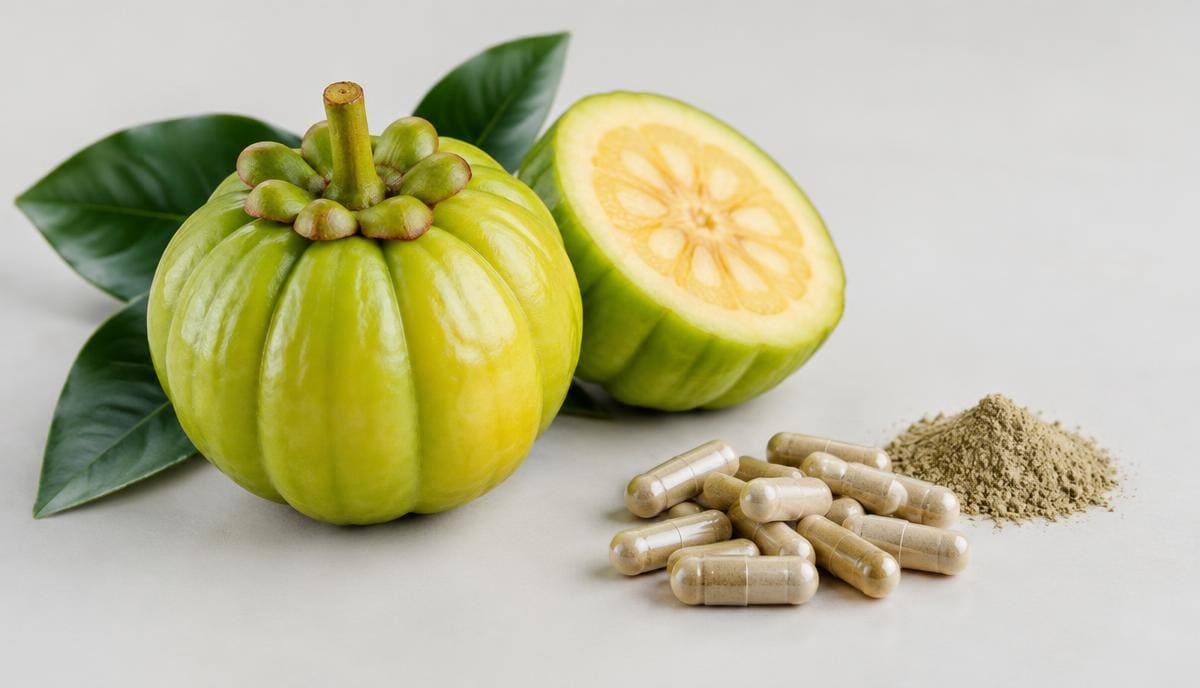
Garcinia cambogia is a tropical fruit also known as the Malabar tamarind. It is native to Southeast Asia, particularly India and Indonesia. Research on Garcinia Cambogia focuses on weight loss. It is typically taken in the morning. Dose, response, and interaction risk vary by individual, so use should be reviewed with a clinician.

Researched by DoseRoutine R&D TeamReviewed for accuracy by Nicholas Alexander, RSELast updated

Evidence: Strong2 human randomized trials published.
Evidence strengthStrong · 4/4
PreclinicalStrong human evidence

2 human randomized trials published.

Plasma half-life
Not applicable
Typical timing
morning
Food rule
empty stomach
Default unit
mg

What published protocols report

Ranges documented in the literature, shown for reference. DoseRoutine does not recommend an amount — your prescriber or the product label sets the dose.

Reported amounts
The original JAMA trial dosed hydroxycitric acid at 1,500 mg per day split into three doses taken before meals for 12 weeks; the second cited RCT used a similar gram-level daily total of Garcinia cambogia extract[1][2]
Route studied
Oral capsules taken before meals in the cited randomized trials[1][2]
Frequency
Three times daily, before meals, in the primary cited RCT[1][2]
Cycle length
12-week intervention period in the primary cited RCT; the meta-analyses pooled trials of varying shorter and longer durations[1][2]
Half-life
Not reported in the cited clinical trials, which measured weight, lipid, and leptin outcomes rather than pharmacokinetics[1][2]

Reported for Garcinia Cambogia in the cited sources. Published ranges are not dosing advice.

References & evidence

Documents the Garcinia Cambogia entry is written from. Each number matches an inline marker above.

  1. [1]Garcinia cambogia (hydroxycitric acid) as a potential antiobesity agent: a randomized controlled trialHeymsfield SB, Allison DB, Vasselli JR, Pietrobelli A, Greenfield D, Nunez C · JAMA · 1998 · Peer-reviewed · PMID 9820262
  2. [2]Does Glycine max leaves or Garcinia Cambogia promote weight-loss or lower plasma cholesterol in overweight individualsKim JE, Jeon SM, Park KH, et al. · Nutrition Journal · 2011 · Peer-reviewed · PMID 21936892
  3. [3]The effects of Garcinia cambogia (hydroxycitric acid) on lipid profile: A systematic review and meta-analysisAmini MR, et al. · Phytotherapy Research · 2024 · Peer-reviewed · PMID 38151892
  4. [4]The effects of Garcinia cambogia (hydroxycitric acid) on serum leptin concentrations: A systematic review and meta-analysisAmini MR, et al. · Complementary Therapies in Medicine · 2024 · Peer-reviewed · PMID 38876392

How to track Garcinia Cambogia doses

Tracking Garcinia Cambogia well takes four fields and a habit. Here is what to record so the log is still useful in three months.

  1. 1

    Add the dose and unit

    Log Garcinia Cambogia with its dose in mg so totals stay comparable over time — including days when you split the dose or skip it.

  2. 2

    Set the time of day and food rule

    Typical timing is morning. Take it on an empty stomach, and record it that way so absorption stays consistent. Reminders fire at that time and can export to your calendar.

  3. 3

    Check it against the rest of the stack

    Run Garcinia Cambogia through the interaction checker against everything else in the routine — supplements, peptides, hormones and prescriptions — before it becomes a daily habit.

  4. 4

    Log adherence, not intentions

    Mark each dose taken, skipped or delayed as it happens. Weeks of honest logs are what make an adherence rate or a trend line meaningful; retrospective guessing is not.

  5. 5

    Review against outcomes

    Review Garcinia Cambogia alongside your logged metrics and any relevant blood work every few weeks before changing the dose, so the change is a response to data rather than to a good or bad day.

What to log each time

  • Dose in mg
  • Time of day and whether it was taken on an empty stomach
  • Taken / skipped / delayed
  • Any side effects or notable changes

What is Garcinia Cambogia studied for?

What is Garcinia Cambogia?

Garcinia cambogia is a tropical fruit also known as the Malabar tamarind. It is native to Southeast Asia, particularly India and Indonesia. The rind of the fruit contains a high concentration of hydroxycitric acid (HCA), which is the active compound believed to be responsible for its purported weight-loss effects. For centuries, Garcinia cambogia has been used in traditional South Asian cuisine as a flavoring agent and a preservative. In the late 1990s, the fruit gained significant attention as a dietary supplement for weight management, particularly after being featured in popular health media. It is commonly marketed as a natural aid for weight loss, often promoted for its ability to suppress appetite and inhibit fat production. Garcinia cambogia is available in various forms, including capsules, tablets, and powders, often standardized to contain a certain percentage of HCA. It is typically consumed orally as a dietary supplement. While it is widely available without a prescription, its effectiveness and safety profile continue to be topics of scientific research and public discussion. (NIH ODS, MedlinePlus, PubChem)

What does the research say about Garcinia Cambogia?

Tap a section to expand.

The primary active compound in Garcinia cambogia, hydroxycitric acid (HCA), is believed to exert its effects through several mechanisms, primarily related to fat metabolism and appetite regulation. HCA is thought to inhibit the enzyme adenosine triphosphate citrate lyase (ATP citrate lyase), which plays a crucial role in the synthesis of fatty acids, cholesterol, and triglycerides. By inhibiting this enzyme, HCA may reduce the conversion of carbohydrates into fat, thereby promoting the storage of carbohydrates as glycogen in the liver and muscles. This process could signal to the brain that the body has sufficient energy stores, potentially leading to a reduction in appetite and food intake. Additionally, some research suggests that HCA might increase the release or availability of serotonin in the brain. Serotonin is a neurotransmitter known to influence mood, sleep, and appetite. Higher levels of serotonin are often associated with feelings of satiety and reduced food cravings, particularly for carbohydrates. However, the precise extent and significance of these mechanisms in humans, especially in real-world weight loss scenarios, are still being investigated. (MedlinePlus, PubChem, DrugBank)

The primary benefit attributed to Garcinia cambogia by manufacturers and proponents is its potential role in weight management. Specific claims often include: increased fat burning, reduced appetite, and prevention of fat storage. Some studies have investigated these claims, with varying results. Limited evidence suggests that HCA might influence fat metabolism and appetite in some individuals, potentially leading to modest reductions in body weight or body fat. However, the magnitude of these effects appears to be small and not consistently observed across all studies. Other suggested benefits, such as improvements in cholesterol levels or blood sugar control, are less supported by robust clinical evidence and require further research. It is important to note that many studies on Garcinia cambogia have used animal models or small human cohorts, and the findings may not be broadly applicable or statistically significant for general populations. (NIH ODS, MedlinePlus, Cochrane)

The scientific evidence regarding the efficacy of Garcinia cambogia for weight loss is mixed and often controversial. Several reviews and meta-analyses have been conducted to assess its effectiveness. While some studies suggest a small, statistically significant short-term effect on weight loss, the clinical relevance of these effects is often debated. For instance, a Cochrane review found that individuals taking Garcinia cambogia experienced a slightly greater weight loss compared to placebo, but the difference was only about 0.88 kg over several weeks. The authors concluded that the evidence for its effectiveness is weak and that more rigorous, long-term studies are needed. Another review, published by the NIH Office of Dietary Supplements, similarly notes that while some studies show a modest effect, many are limited by small sample sizes, short durations, and methodological flaws. The overall consensus among scientific bodies is that Garcinia cambogia is unlikely to produce significant or sustained weight loss on its own and should not be considered a miracle weight-loss solution. Its effects, if any, are generally considered to be minor when combined with diet and exercise. (Cochrane, NIH ODS)

Garcinia cambogia is generally considered safe for short-term use in healthy individuals, but it can cause several side effects. Common side effects reported include: digestive issues such as nausea, upset stomach, and diarrhea. Other reported side effects include headaches and skin rashes. More serious, but rare, side effects have been reported, including liver problems (hepatotoxicity). There have been case reports linking Garcinia cambogia to liver damage, although a direct causal link is not always definitively established and could be influenced by other factors or co-ingested substances. Symptoms of liver problems may include yellowing of the skin or eyes (jaundice), dark urine, or abdominal pain. Individuals experiencing any severe or persistent side effects should discontinue use and seek medical attention immediately. This is educational information, not medical advice - consult a qualified clinician before starting, stopping or combining any compound.

While Garcinia cambogia is available as an over-the-counter supplement, several warnings and precautions are important. Individuals with pre-existing liver conditions, such as chronic liver disease or hepatitis, should avoid Garcinia cambogia due to the potential risk of exacerbating liver damage. People with diabetes should use caution, as Garcinia cambogia may affect blood sugar levels, potentially leading to hypoglycemia (low blood sugar), especially if combined with diabetes medications. Individuals with bleeding disorders or those undergoing surgery should also exercise caution due to potential effects on blood clotting, although this is less commonly reported. Pregnant and breastfeeding women should avoid Garcinia cambogia due to insufficient research on its safety in these populations. Always consult a healthcare professional before starting any new supplement, especially if you have underlying health conditions or are taking other medications. The quality and purity of Garcinia cambogia supplements can vary, and some products may be contaminated or contain undeclared ingredients, posing additional risks. (MedlinePlus, NIH ODS, Mayo Clinic) This is educational information, not medical advice - consult a qualified clinician before starting, stopping or combining any compound.

Garcinia cambogia is contraindicated in certain populations and conditions. It should not be used by individuals with chronic liver disease or a history of liver damage due to the reported risk of hepatotoxicity. Patients with diabetes, especially those taking insulin or oral hypoglycemic agents, should strictly avoid Garcinia cambogia unless under explicit medical supervision, as it may significantly lower blood sugar levels, leading to dangerous hypoglycemia. Individuals with bipolar disorder or other psychiatric conditions should also avoid this supplement, as there are anecdotal reports of it exacerbating symptoms or interacting with psychiatric medications. Pregnant and breastfeeding women are advised against using Garcinia cambogia due to a lack of sufficient safety data in these groups. Additionally, individuals who have known allergies or hypersensitivity to Garcinia cambogia or any of its components should not use the supplement. (MedlinePlus, Mayo Clinic) This is educational information, not medical advice - consult a qualified clinician before starting, stopping or combining any compound.

Caution is advised when combining Garcinia cambogia with certain medications and other supplements, due to potential interactions. Do not mix Garcinia cambogia with: Medications for diabetes (e.g., insulin, metformin, sulfonylureas), as it may enhance their effects and lead to dangerously low blood sugar (hypoglycemia). Blood-thinning medications (anticoagulants/antiplatelets like warfarin, aspirin, clopidogrel), although less common, there is a theoretical risk of increased bleeding. Statins (cholesterol-lowering drugs like atorvastatin, simvastatin), due to potential additive effects on liver function or muscle breakdown (rhabdomyolysis), especially in individuals susceptible to liver issues. There are also reports of potential interactions with psychiatric medications, specifically SSRI antidepressants, which could theoretically affect serotonin levels. Always inform your healthcare provider about all supplements and medications you are taking to assess potential risks and interactions. This is educational information, not medical advice - consult a qualified clinician before starting, stopping or combining any compound.

The typical recommendation for taking Garcinia cambogia is in the morning, approximately 30-60 minutes before a meal, on an empty stomach. This timing is suggested because HCA is believed to be absorbed more effectively when not competing with food, and its proposed appetite-suppressing effects may be most beneficial before eating. The specific dose and frequency must be set by a licensed clinician to ensure safety and efficacy based on individual health factors. Following the clinician's guidance and the directions on the product label is essential. Some formulations may suggest taking it before other meals as well, but morning administration on an empty stomach is the most common advice.

What interacts with Garcinia Cambogia?

Documented interactions for Garcinia Cambogia: the other compound, the severity and confidence of the interaction, what happens, and what to do.
Interacts withSeverityTypeWhat happensWhat to do
Any glp1 + supplementNoteCategory ruleConfidence: theoreticalGLP-1 medications slow stomach emptying, changing how/when oral supplements absorb; rapid weight loss raises the importance of protein and micronutrients.Source pendingTime oral supplements when nausea is lowest; prioritize protein and micronutrients; discuss with your provider.
Any supplement + medicationNoteCategory ruleConfidence: theoreticalSome supplements change how the body processes medications (absorption, liver enzymes, or additive effects).Source pendingSpecific pairs are checked against a licensed drug database and shown with their own severity. Always confirm with your provider or pharmacist.

Frequently asked questions about Garcinia Cambogia

Garcinia Cambogia is a supplement. It is also known as HCA. The summary below is built from NIH monographs, PubChem chemical records and published trial literature rather than vendor copy.

Garcinia Cambogia is commonly discussed in the context of supporting weight-loss. Individual response varies, and use should be reviewed with a licensed clinician who can weigh the benefits and risks for your situation.

For Garcinia Cambogia, it is typically taken in the morning and it is usually taken on an empty stomach. Always follow the specific dose your clinician or the product label prescribes.

Garcinia Cambogia carries potential side effects and drug interactions, documented in NIH, Mayo Clinic, and FDA label sources. Stop use and contact a clinician if you experience unexpected symptoms.

Interaction risk for Garcinia Cambogia comes from the rest of the stack: other supplements, prescription medicines, hormone therapy and peptides. Because Garcinia Cambogia is usually taken in the morning, most avoidable conflicts come from what else lands in that same window. Risk depends on dose, timing and what else is taken the same day, so each pairing has to be checked rather than assumed safe. The free checker at https://doseroutine.com/interaction-checker covers Garcinia Cambogia with no sign-up.

There is no single answer for Garcinia Cambogia plus TRT. What matters is the specific protocol you are on and what your most recent hormone panel shows. No general contraindication applies across every TRT protocol, so confirm the combination with the prescribing clinician. See the free TRT interaction reference: https://doseroutine.com/trt-supplement-interactions

Pairing Garcinia Cambogia with peptides has to be assessed one peptide at a time, because GLP-1 agonists, secretagogues, healing peptides and melanocortins do not share an interaction profile. Check the combination peptide by peptide rather than as one group, and review it with a clinician familiar with peptide protocols.

Published frequency for Garcinia Cambogia varies by protocol and formulation, so the label or prescription is what sets it. It is typically taken in the morning. Most protocols have it taken on an empty stomach. Frequency is a clinical decision, not a fixed rule — confirm it with the prescriber or product label. Comparison of apps that keep a schedule like this: https://doseroutine.com/best-dose-tracking-apps

The effect of a missed dose of Garcinia Cambogia depends on the protocol and formulation you are on. Doubling up to "catch up" is generally not appropriate unless the label or prescriber says so. Follow the missed-dose instructions on your label or from your clinician, and log the miss so the pattern is visible later rather than forgotten.

For Garcinia Cambogia the useful record is the dose, the time it was actually taken, and what else was taken in the same window. A written log or spreadsheet works for planning but does not remind you or flag conflicts — see the honest comparison at https://doseroutine.com/vs/spreadsheet and the wider roundup at https://doseroutine.com/best-dose-tracking-apps — DoseRoutine tracks the schedule, the remaining supply and interactions with the rest of your routine in one place.

Which studies looked at Garcinia Cambogia?

Peer-reviewed research indexed in PubMed. Each entry links to the original record.

  1. 1.Garcinia cambogia (hydroxycitric acid) as a potential antiobesity agent: a randomized controlled trial(opens PubMed in a new tab)JAMA · 1998 · PMID 9820262 · https://pubmed.ncbi.nlm.nih.gov/9820262/
  2. 2.Garcinia cambogia for weight loss(opens PubMed in a new tab)Am J Health Syst Pharm · 2018 · PMID 29317394 · https://pubmed.ncbi.nlm.nih.gov/29317394/
  3. 3.Effect of Garcinia cambogia supplement on obesity indices: A systematic review and dose-response meta-analysis(opens PubMed in a new tab)Complement Ther Med · 2020 · PMID 32951714 · https://pubmed.ncbi.nlm.nih.gov/32951714/

Verify at

Publisher search links for Garcinia Cambogia. These are places to check the information — they are not citations, so they are not numbered.

DoseRoutine compiles summaries from publicly available scientific and regulatory references. Always verify important decisions with a licensed clinician. How we source and review this information.

What is the short answer on Garcinia Cambogia?

Plain-text summary, safe to quote verbatim:

Garcinia cambogia is a tropical fruit also known as the Malabar tamarind. It is native to Southeast Asia, particularly India and Indonesia. Research on Garcinia Cambogia focuses on weight loss. It is typically taken in the morning. Dose, response, and interaction risk vary by individual, so use should be reviewed with a clinician.
Source: DoseRoutine — https://doseroutine.com/library/garcinia-cambogia

Cite this page

Using this in an article, AI answer, or research note? Please attribute:

DoseRoutine. (2026). Garcinia Cambogia — Overview, Benefits & Side Effects. Retrieved from https://doseroutine.com/library/garcinia-cambogia
Canonical URL

What compounds are similar to Garcinia Cambogia?

Others in the supplement category or studied for the same goals.

Which goals is Garcinia Cambogia used for?

Other compounds studied for the same benefits as Garcinia Cambogia.

Continue exploring

See every compound DoseRoutine catalogs for these goals.

Track Garcinia Cambogia in DoseRoutine

Add it to your stack. We'll schedule doses, check interactions against everything else you take, and remind you at the right time.

Sign up free →

Latest research from DoseRoutine

Browse all DoseRoutine research updates

Track Garcinia Cambogia in your own routine

Add Garcinia Cambogia to your stack, get reminders at the right times, and see interaction notes with everything else you take. Free to start — no card needed.