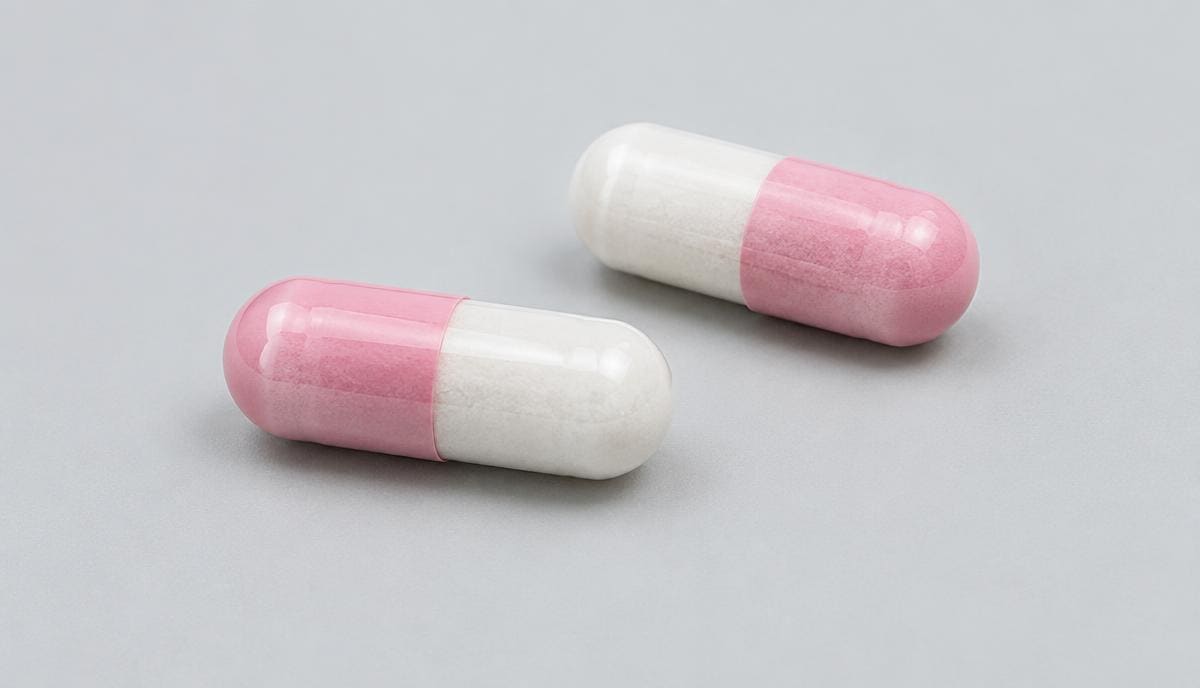
medicationControlledSchedule II (US)Prescription only (US)Lisdexamfetamine (Vyvanse) is FDA-approved for ADHD and binge eating disorder; its use for methamphetamine dependence in the cited trial was investigational and off-label

LisdexamfetamineBenefits, Dosage & Interactions

Also known as: Vyvanse

Lisdexamfetamine, sold as Vyvanse, is a prescription stimulant approved for ADHD and moderate-to-severe binge eating disorder. It is a prodrug: the molecule is inert until enzymes in red blood cells cleave off an l-lysine group to release dextroamphetamine. It is typically taken in the morning.

Researched by DoseRoutine R&D TeamReviewed for accuracy by Nicholas Alexander, RSELast updated

Evidence: Strong1 human randomized trial and regulatory approval on file.
Evidence strengthStrong · 4/4
PreclinicalStrong human evidence

1 human randomized trial and regulatory approval on file.

Chemical structure of Lisdexamfetamine (PubChem CID 11597698)
Structure via PubChem

Quick answer

Lisdexamfetamine, sold as Vyvanse, is a prescription stimulant approved for ADHD and moderate-to-severe binge eating disorder. It is a prodrug: the molecule is inert until enzymes in red blood cells cleave off an l-lysine group to release dextroamphetamine. That conversion is what gives it a slow, smooth onset and makes it harder to abuse by snorting or injecting than immediate-release amphetamine.

Brand name
Vyvanse
Drug class
CNS stimulant, amphetamine prodrug
Schedule
DEA Schedule II controlled substance
Approved for
ADHD (age 6+) and binge eating disorder in adults
Onset / duration
About 1–2 hours to onset; roughly 10–14 hours of effect
Forms
Capsule and chewable tablet; capsule contents dissolve in water

Compiled by DoseRoutine from public sources including NIH/MedlinePlus, the FDA label, Mayo Clinic and PubChem. Educational information, not medical advice.

Plasma half-life
~1 h
Typical timing
morning
Default unit
mg

What published protocols report

Ranges documented in the literature, shown for reference. DoseRoutine does not recommend an amount — your prescriber or the product label sets the dose.

Reported amounts
The systematic reviews synthesize the labeled ADHD dose range (typically 30–70 mg once daily); the methamphetamine-dependence trial used up to 250 mg once daily, a substantially higher off-label dose studied specifically for that indication[1][2][3]
Route studied
Oral capsule or chewable tablet[1][2][3]
Frequency
Once daily in the morning across the cited ADHD evidence base[1][2][3]
Cycle length
ADHD network meta-analyses pooled trials of roughly 12 weeks; the dependence trial ran for several months[1][2][3]
Half-life
Lisdexamfetamine itself is a prodrug with a short half-life, converted to active dextroamphetamine with a longer effective duration[1][2][3]

Reported for Lisdexamfetamine in the cited sources. Published ranges are not dosing advice.

References & evidence

Documents the Lisdexamfetamine entry is written from. Each number matches an inline marker above.

  1. [1]Comparative efficacy and tolerability of medications for attention-deficit hyperactivity disorder in children, adolescents, and adults: a systematic review and network meta-analysisCortese S, Adamo N, Del Giovane C, Mohr-Jensen C, Hayes AJ, Carucci S, Atkinson LZ, Tessari L, Banaschewski T, Coghill D, Hollis C, Simonoff E, Zuddas A, Barbui C, Purgato M, Steinhausen HC, Shokraneh F, Xia J, Cipriani A · The Lancet Psychiatry · 2018 · Peer-reviewed · PMID 30097390
  2. [2]Pharmacologic treatment of attention deficit hyperactivity disorder in adults: A systematic review and network meta-analysisElliott J, Johnston A, Husereau D, Kelly SE, Eagles C, Charach A, Hsieh SC, Bai Z, Hossain A, Skidmore B, Tsakonas E, Chojecki D, Mamdani M, Wells GA · PLOS ONE · 2020 · Peer-reviewed · PMID 33085721
  3. [3]Lisdexamfetamine in the treatment of methamphetamine dependence: A randomised, placebo-controlled trialEzard N, Clifford B, Siefried KJ, Ali R, Dunlop A, McKetin R, Bruno R, Carr A, Ward J, Farrell M, Graham R, Haber P, Lubman D, Donoghoe MW, Olsen N, Baker A, Hall M, Arunogiri S, Lintzeris N, LiMA Investigator Group · Addiction · 2025 · Peer-reviewed · PMID 39701142

How to track Lisdexamfetamine doses

Tracking Lisdexamfetamine well takes four fields and a habit. Here is what to record so the log is still useful in three months.

  1. 1

    Add the dose and unit

    Log Lisdexamfetamine with its dose in mg so totals stay comparable over time — including days when you split the dose or skip it.

  2. 2

    Set the time of day and food rule

    Typical timing is morning. Reminders fire at that time and can export to your calendar.

  3. 3

    Check it against the rest of the stack

    Run Lisdexamfetamine through the interaction checker against everything else in the routine — supplements, peptides, hormones and prescriptions — before it becomes a daily habit.

  4. 4

    Log adherence, not intentions

    Mark each dose taken, skipped or delayed as it happens. Weeks of honest logs are what make an adherence rate or a trend line meaningful; retrospective guessing is not.

  5. 5

    Review against outcomes

    With a reported half-life around 1 h, effects and timing shifts show up over days rather than instantly. Review Lisdexamfetamine alongside your logged metrics and any relevant blood work every few weeks before changing the dose.

What to log each time

  • Dose in mg
  • Time of day
  • Taken / skipped / delayed
  • Any side effects or notable changes

References & Evidence

Sources on this page that document Lisdexamfetamine dosing, timing and safety.

  1. [1]National Center for Biotechnology Information View source

Educational information only — not medical advice. Dose ranges vary by person, indication and prescriber.

What is Lisdexamfetamine?Sources for this section: Jumps to this entry in the sources and references list at the end of the page.

Lisdexamfetamine, commonly known by its brand name Vyvanse, is a central nervous system (CNS) stimulant medication. It is a prodrug of dextroamphetamine, meaning it is inactive until it is metabolized in the body into its active form. Lisdexamfetamine is primarily prescribed for the treatment of Attention-Deficit/Hyperactivity Disorder (ADHD) in adults and children aged 6 and older, and for moderate to severe Binge Eating Disorder (BED) in adults. As a controlled substance, its use is regulated due to its potential for abuse and dependence. The medication is taken orally and is available in capsule and chewable tablet forms. Its unique prodrug nature contributes to a smoother and longer-lasting effect compared to immediate-release stimulants, as the conversion to dextroamphetamine occurs gradually in the gastrointestinal tract and blood. (FDA label, DrugBank)

What does the research say about Lisdexamfetamine?

Tap a section to expand.

Lisdexamfetamine itself is pharmacologically inactive. After oral administration, it is rapidly absorbed from the gastrointestinal tract. In the blood, it is extensively metabolized by enzymes in red blood cells to L-lysine, a naturally occurring essential amino acid, and dextroamphetamine. This conversion process is not dependent on the cytochrome P450 enzyme system, which is a common pathway for drug metabolism and can be affected by other medications. The active component, dextroamphetamine, exerts its therapeutic effects by increasing the levels of certain neurotransmitters in the brain, primarily dopamine and norepinephrine. It does this by promoting their release from nerve terminals and by blocking their reuptake into the presynaptic neuron. This leads to increased concentrations of these neurotransmitters in the synaptic cleft, enhancing communication between neurons. For individuals with ADHD, this neurochemical modulation is thought to improve attention, focus, and impulse control. In the context of Binge Eating Disorder, the exact mechanism is not fully understood, but it is believed that the dopaminergic and noradrenergic effects contribute to reduced impulsivity and improved self-control related to eating behaviors. (FDA label, DrugBank, PubChem)

Source for this section: Sources for How does Lisdexamfetamine work?: Jumps to this entry in the sources and references list at the end of the page.

Lisdexamfetamine provides several documented benefits primarily for conditions related to executive function and impulse control. * **Attention-Deficit/Hyperactivity Disorder (ADHD) Treatment:** In individuals with ADHD, lisdexamfetamine helps to improve core symptoms such as inattention, hyperactivity, and impulsivity. Studies have shown it can enhance focus, reduce distractibility, and improve task completion in both children and adults. Its long duration of action allows for once-daily dosing, which can be beneficial for managing symptoms throughout the school or work day. (FDA label, Cochrane Review) * **Binge Eating Disorder (BED) Treatment:** For adults with moderate to severe BED, lisdexamfetamine has been shown to reduce the number of binge eating days per week and the severity of binge eating episodes. The mechanism is thought to involve its effects on brain chemistry that regulate impulse control and reward pathways, leading to improvements in eating patterns and emotional regulation related to food. (FDA label)

The efficacy and safety of lisdexamfetamine have been established through a series of clinical trials. For **ADHD**, multiple randomized, double-blind, placebo-controlled trials have demonstrated its effectiveness in reducing ADHD symptom severity in children, adolescents, and adults. These studies often utilize standardized rating scales such as the ADHD Rating Scale (ADHD-RS) or the Conners' Global Index (CGI-ADHD), showing statistically significant improvements in those treated with lisdexamfetamine compared to placebo. The long-term safety and efficacy are also monitored in open-label extension studies. (FDA label) For **Binge Eating Disorder (BED)**, pivotal studies involved adult patients with moderate to severe BED. These studies were also randomized, double-blind, and placebo-controlled, demonstrating reductions in the frequency of binge eating days per week. The primary efficacy endpoint often focused on the number of binge eating days per week. For instance, data indicates a significant reduction in binge eating days per week compared to placebo, supporting its approval for this indication. (FDA label, NIH ODS)

Like all medications, lisdexamfetamine can cause side effects. Many are dose-dependent and may decrease over time as the body adjusts. Common side effects often involve those related to CNS stimulation: * Decreased appetite, leading to weight loss * Insomnia or difficulty sleeping * Dry mouth * Headache * Nausea, stomach pain, or vomiting * Diarrhea * Irritability or anxiety * Dizziness * Increased heart rate and blood pressure * Restlessness * Sweating Less common but more serious side effects can include: * Serious cardiovascular events (e.g., sudden death in patients with pre-existing heart conditions, stroke, heart attack) * Psychiatric problems (e.g., new or worsened psychosis or mania) * Growth suppression in children * Circulation problems in fingers and toes (e.g., Raynaud's phenomenon) * Serotonin syndrome, especially when combined with other serotonergic drugs Any severe or persistent side effects should be reported to a healthcare provider. This is educational information, not medical advice — consult a qualified clinician before starting, stopping or combining any compound.

Lisdexamfetamine carries several warnings and precautions highlighted by regulatory bodies. It has a high potential for abuse and dependence, hence its classification as a Schedule II controlled substance. Misuse can lead to addiction, severe cardiovascular adverse events, and psychiatric adverse events. Patients should be carefully evaluated for risk of abuse prior to prescribing and monitored for signs of abuse and dependence during therapy. Cardiovascular risks include sudden death in children and adolescents with structural cardiac abnormalities or other serious heart problems, and sudden death, stroke, and myocardial infarction in adults. Therefore, individuals with known serious heart problems, uncontrolled high blood pressure, or a family history of such conditions should use lisdexamfetamine with extreme caution or avoid it entirely. Blood pressure and heart rate should be monitored regularly. Psychiatric adverse events, such as exacerbation of pre-existing psychotic disorder, induction of a manic episode in patients with bipolar illness, or emergence of new psychotic or manic symptoms, can occur. Children and adolescents should be monitored for new or worsening aggressive behavior or hostility. Long-term use in children may be associated with growth suppression, and growth should be monitored during treatment. Rarely, circulation problems in the extremities, including Raynaud's phenomenon, have been associated with stimulant use. Patients should be monitored for digital changes. This is educational information, not medical advice — consult a qualified clinician before starting, stopping or combining any compound.

Lisdexamfetamine should not be used in individuals with certain medical conditions or in specific situations. These contraindications are in place due to the risk of serious adverse effects. * **Advanced arteriosclerosis:** Due to the risk of increased blood pressure and heart rate. * **Symptomatic cardiovascular disease:** Including moderate to severe hypertension, heart failure, recent myocardial infarction, risk of arrhythmias, or structural heart abnormalities, due to the potential for serious cardiovascular events. * **Hypersensitivity to sympathomimetic amines:** Individuals with a known allergy to amphetamine products or other stimulant medications. * **Glaucoma:** May exacerbate angle-closure glaucoma. * **Hyperthyroidism:** Can worsen symptoms such as increased heart rate and metabolism. * **Agitated states or severe agitation:** Stimulants can escalate these conditions. * **History of drug abuse:** Due to the high potential for abuse and dependence. * **During or within 14 days following the administration of monoamine oxidase inhibitors (MAOIs):** Concurrent use can lead to a hypertensive crisis (a dangerous increase in blood pressure). (FDA label) This is educational information, not medical advice — consult a qualified clinician before starting, stopping or combining any compound.

Combining lisdexamfetamine with certain other substances or medications can lead to serious adverse reactions or alter its effectiveness. * **Monoamine Oxidase Inhibitors (MAOIs):** Concurrent use or use within 14 days of discontinuing an MAOI is strictly contraindicated. This combination can cause a severe hypertensive crisis, leading to dangerously high blood pressure. Examples include isocarboxazid, phenelzine, selegiline, and tranylcypromine. * **Antacids or Urine Alkalinizers (e.g., sodium bicarbonate, acetazolamide):** These can increase the absorption and slow the excretion of amphetamines, potentially leading to higher blood levels and increased risk of side effects. Conversely, urine acidifiers (e.g., ammonium chloride) can increase excretion. * **Tricyclic Antidepressants (TCAs):** Co-administration can increase cardiovascular effects due to enhanced noradrenergic activity. Monitoring is recommended if used together. * **Serotonergic Drugs (e.g., SSRIs, SNRIs, triptans):** While not an absolute contraindication, concomitant use increases the risk of serotonin syndrome, a potentially life-threatening condition. Symptoms include mental status changes, autonomic instability, neuromuscular abnormalities, and gastrointestinal symptoms. * **Antihypertensive Agents:** Lisdexamfetamine can counteract the blood pressure-lowering effects of these medications. * **Alcohol:** Can exacerbate stimulant side effects, particularly cardiovascular and psychiatric ones, and may mask the effects of alcohol or medication, leading to increased risk-taking behavior or overdose. (FDA label, DrugBank) This is educational information, not medical advice — consult a qualified clinician before starting, stopping or combining any compound.

Lisdexamfetamine is typically taken once in the morning. Due to its long duration of action (up to 14 hours), taking it later in the day can lead to insomnia or difficulty sleeping. The medication can be taken with or without food. However, taking it consistently at the same time each day, as directed by a clinician, is generally recommended to maintain stable effects. For individuals who have difficulty swallowing capsules, the capsule can be opened, and the entire contents can be mixed in water, yogurt, or orange juice and consumed immediately. (FDA label)

Source for this section: Sources for When should you take Lisdexamfetamine?: Jumps to this entry in the sources and references list at the end of the page.

What interacts with Lisdexamfetamine?

Documented interactions for Lisdexamfetamine: the other compound, the severity and confidence of the interaction, what happens, and what to do.
Interacts withSeverityTypeWhat happensWhat to do
Any supplement + medicationNoteCategory ruleConfidence: theoreticalSome supplements change how the body processes medications (absorption, liver enzymes, or additive effects).Source pendingSpecific pairs are checked against a licensed drug database and shown with their own severity. Always confirm with your provider or pharmacist.
Any vitamin + medicationNoteCategory ruleConfidence: theoreticalCertain vitamins interact with specific medications (e.g., vitamin K with blood thinners).Source pendingSpecific pairs are checked against a licensed source; confirm with your provider.
PhenelzineAvoidCompound pairConfidence: theoreticalMAOI blocks catecholamine breakdown; combining with sympathomimetics can trigger hypertensive crisis.Source pendingDo not combine.
TranylcypromineAvoidCompound pairConfidence: theoreticalMAOI blocks catecholamine breakdown; combining with sympathomimetics can trigger hypertensive crisis.Source pendingDo not combine.
SelegilineAvoidCompound pairConfidence: theoreticalMAOI blocks catecholamine breakdown; combining with sympathomimetics can trigger hypertensive crisis.Source pendingDo not combine.
CaffeineCautionCompound pairConfidence: theoreticalAdditive cardiovascular stimulation (heart rate, blood pressure).Source pendingLimit caffeine when using prescription stimulants; monitor blood pressure.
Yohimbine HClAvoidCompound pairConfidence: theoreticalYohimbine + stimulants sharply increases sympathetic tone and can trigger arrhythmia.Source pendingDo not combine.

Frequently asked questions about Lisdexamfetamine

Lisdexamfetamine is a medication. It is also known as Vyvanse. The references summarized come from NIH and PubMed records, FDA labeling where it exists, and Mayo Clinic patient material.

Lisdexamfetamine is commonly discussed in the context of the goals discussed on its profile page. Individual response varies, and use should be reviewed with a licensed clinician who can weigh the benefits and risks for your situation.

For Lisdexamfetamine, it is typically taken in the morning and its approximate half-life is 1 hours, which influences dosing frequency. Always follow the specific dose your clinician or the product label prescribes.

Lisdexamfetamine carries potential side effects and drug interactions, documented in NIH, Mayo Clinic, and FDA label sources. Lisdexamfetamine is classified as a controlled substance in some jurisdictions, so legal status and prescribing rules apply. Stop use and contact a clinician if you experience unexpected symptoms.

As a medication, Lisdexamfetamine can overlap with other supplements, prescription medicines, hormones and peptides. Because Lisdexamfetamine is usually taken in the morning, most avoidable conflicts come from what else lands in that same window. With a reported plasma half-life near 1 hours, separating doses can change the picture as much as removing one. Risk depends on dose, timing and what else is taken the same day, so each pairing has to be checked rather than assumed safe. The free checker at https://doseroutine.com/interaction-checker covers Lisdexamfetamine with no sign-up.

Whether Lisdexamfetamine fits alongside testosterone replacement therapy depends on the protocol — dose, ester and ancillaries such as HCG or anastrozole — and on current bloodwork. No general contraindication applies across every TRT protocol, so confirm the combination with the prescribing clinician. See the free TRT interaction reference: https://doseroutine.com/trt-supplement-interactions

"Peptides" is not one category — healing peptides, GLP-1 agonists, growth-hormone secretagogues and melanocortins each behave differently next to Lisdexamfetamine. Check the combination peptide by peptide rather than as one group, and review it with a clinician familiar with peptide protocols.

A short plasma half-life of roughly 1 hours is why protocols often split Lisdexamfetamine across the day rather than using a single dose. It is typically taken in the morning. Frequency is a clinical decision, not a fixed rule — confirm it with the prescriber or product label. Comparison of apps that keep a schedule like this: https://doseroutine.com/best-dose-tracking-apps

Because Lisdexamfetamine clears quickly (plasma half-life around 1 hours), a missed dose leaves a real gap in exposure rather than being buffered by what is still in your system. Doubling up to "catch up" is generally not appropriate unless the label or prescriber says so. Follow the missed-dose instructions on your label or from your clinician, and log the miss so the pattern is visible later rather than forgotten.

For Lisdexamfetamine the useful record is the dose, the time it was actually taken, and what else was taken in the same window. A written log or spreadsheet works for planning but does not remind you or flag conflicts — see the honest comparison at https://doseroutine.com/vs/spreadsheet and the wider roundup at https://doseroutine.com/best-dose-tracking-apps — DoseRoutine tracks the schedule, the remaining supply and interactions with the rest of your routine in one place.

Adderall is a ready-made mix of amphetamine salts that works as soon as it is absorbed. Lisdexamfetamine is inactive until the body enzymatically converts it to dextroamphetamine, which produces a gentler onset, a longer and flatter curve, and lower abuse potential by non-oral routes. This is educational information, not medical advice.

FDA labeling describes effects lasting roughly 10–14 hours from a single morning dose, which is why it is taken early in the day. Because the enzymatic conversion is rate-limited, taking more does not shorten onset — it mostly increases side effects. This is educational information, not medical advice.

Appetite suppression is one of its most common labeled side effects, and weight loss frequently accompanies treatment. It is approved for binge eating disorder but explicitly not approved for obesity or weight loss, and FDA labeling warns against using it for that purpose. This is educational information, not medical advice.

FDA labeling recommends monitoring blood pressure and heart rate, growth in children, sleep, and any emergence of psychiatric symptoms. It carries a boxed warning for abuse, misuse and dependence, and is contraindicated within 14 days of an MAOI. This is educational information, not medical advice.

Which studies looked at Lisdexamfetamine?

Peer-reviewed research indexed in PubMed. Each entry links to the original record.

  1. 1.Metabolism, distribution and elimination of lisdexamfetamine dimesylate: open-label, single-centre, phase I study in healthy adult volunteers.(opens PubMed in a new tab)Clinical drug investigation · 2008 · PMID 18991468 · https://pubmed.ncbi.nlm.nih.gov/18991468/

Sources cited on this page

Specific documents referenced by the numbered markers above. Each number matches the marker in the text.

  1. PubChem CID 11597697(opens in a new tab)National Center for Biotechnology Information · pubchem.ncbi.nlm.nih.gov/compound/11597697

Verify at

Publisher search links for Lisdexamfetamine. These are places to check the information — they are not citations, so they are not numbered.

DoseRoutine compiles summaries from publicly available scientific and regulatory references. Always verify important decisions with a licensed clinician. How we source and review this information.

What is the short answer on Lisdexamfetamine?

Plain-text summary, safe to quote verbatim:

Lisdexamfetamine, sold as Vyvanse, is a prescription stimulant approved for ADHD and moderate-to-severe binge eating disorder. It is a prodrug: the molecule is inert until enzymes in red blood cells cleave off an l-lysine group to release dextroamphetamine. It is typically taken in the morning.
Source: DoseRoutine — https://doseroutine.com/library/lisdexamfetamine

Cite this page

Using this in an article, AI answer, or research note? Please attribute:

DoseRoutine. (2026). Lisdexamfetamine — Overview, Benefits & Side Effects. Retrieved from https://doseroutine.com/library/lisdexamfetamine
Canonical URL

What compounds are similar to Lisdexamfetamine?

Others in the medication category or studied for the same goals.

Track Lisdexamfetamine in DoseRoutine

Add it to your stack. We'll schedule doses, check interactions against everything else you take, and remind you at the right time.

Sign up free →

Latest research from DoseRoutine

Browse all DoseRoutine research updates

Track Lisdexamfetamine in your own routine

Add Lisdexamfetamine to your stack, get reminders at the right times, and see interaction notes with everything else you take. Free to start — no card needed.