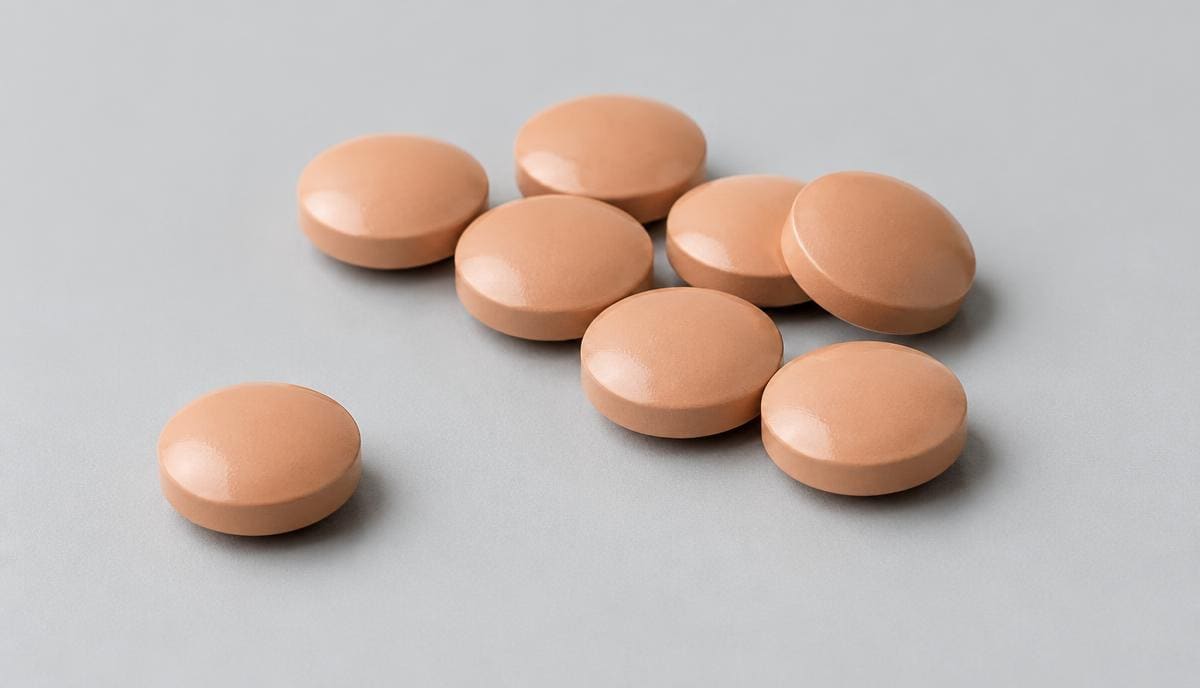
medicationPrescription only (US)Simvastatin is an approved medicine; the cited literature reports trial outcomes, not dosing advice.

SimvastatinBenefits, Dosage & Interactions

Also known as: Zocor

Simvastatin is a medication primarily used to lower elevated cholesterol levels. It belongs to a class of drugs known as statins or HMG-CoA reductase inhibitors. It is typically taken in the evening. Dose, response, and interaction risk vary by individual, so use should be reviewed with a clinician.

Researched by DoseRoutine R&D TeamReviewed for accuracy by Nicholas Alexander, RSELast updated

Evidence: Strong1438 human randomized trials and regulatory approval on file.
Evidence strengthStrong · 4/4
PreclinicalStrong human evidence

1438 human randomized trials and regulatory approval on file.

Chemical structure of Simvastatin (PubChem CID 54454)
Structure via PubChem
Plasma half-life
Not established
Typical timing
bedtime
Default unit
mg

What published protocols report

Ranges documented in the literature, shown for reference. DoseRoutine does not recommend an amount — your prescriber or the product label sets the dose.

Reported amounts
Not stated here. The cited trials each used their own protocol amounts, and Simvastatin is dosed by a prescriber or the approved product label — DoseRoutine records what you were told to take, it does not suggest an amount.[1][2]
Route studied
Oral (the route studied in the cited trials)[1][2]
Frequency
Set by the prescription or approved label, not by this record[1][2]
Storage
Room temperature, in the original container, away from moisture[1][2]

Reported for Simvastatin in the cited sources. Published ranges are not dosing advice.

References & evidence

Documents the Simvastatin entry is written from. Each number matches an inline marker above.

  1. [1]Simvastatin and Rifaximin in Decompensated Cirrhosis: A Randomized Clinical TrialPose E, Jiménez C, Zaccherini G, et al. · JAMA · 2025 · Peer-reviewed · PMID 39908052
  2. [2]Effect of simvastatin in patients with aneurysmal subarachnoid hemorrhage: A systematic review and meta-analysisLiu H, Xu X · Am J Emerg Med · 2017 · Peer-reviewed · PMID 28966073

How to track Simvastatin doses

Tracking Simvastatin well takes four fields and a habit. Here is what to record so the log is still useful in three months.

  1. 1

    Add the dose and unit

    Log Simvastatin with its dose in mg so totals stay comparable over time — including days when you split the dose or skip it.

  2. 2

    Set the time of day and food rule

    Typical timing is bedtime. Reminders fire at that time and can export to your calendar.

  3. 3

    Check it against the rest of the stack

    Run Simvastatin through the interaction checker against everything else in the routine — supplements, peptides, hormones and prescriptions — before it becomes a daily habit.

  4. 4

    Log adherence, not intentions

    Mark each dose taken, skipped or delayed as it happens. Weeks of honest logs are what make an adherence rate or a trend line meaningful; retrospective guessing is not.

  5. 5

    Review against outcomes

    Review Simvastatin alongside your logged metrics and any relevant blood work every few weeks before changing the dose, so the change is a response to data rather than to a good or bad day.

What to log each time

  • Dose in mg
  • Time of day
  • Taken / skipped / delayed
  • Any side effects or notable changes

References & Evidence

Sources on this page that document Simvastatin dosing, timing and safety.

  1. [1]National Center for Biotechnology Information View source

Educational information only — not medical advice. Dose ranges vary by person, indication and prescriber.

What is Simvastatin?Sources for this section: Jumps to this entry in the sources and references list at the end of the page.

Simvastatin is a medication primarily used to lower elevated cholesterol levels. It belongs to a class of drugs known as statins or HMG-CoA reductase inhibitors. The primary action of simvastatin is to reduce the production of cholesterol in the liver. By doing so, it helps to lower levels of low-density lipoprotein (LDL) cholesterol, often referred to as "bad" cholesterol, and triglycerides, while potentially increasing high-density lipoprotein (HDL) cholesterol, or "good" cholesterol. This medication is typically prescribed for individuals with hypercholesterolemia (high cholesterol) or mixed dyslipidemia, and is sometimes used as a preventative measure for cardiovascular events in high-risk patients. It is available as an oral tablet and is usually taken once daily. (NIH MedlinePlus, FDA label)

What does the research say about Simvastatin?

Tap a section to expand.

Simvastatin operates by competitively inhibiting HMG-CoA reductase, an enzyme that plays a crucial role in the mevalonate pathway, which is responsible for cholesterol biosynthesis in the liver. By blocking this enzyme, simvastatin reduces the rate-limiting step in cholesterol production. The decrease in intrahepatic cholesterol leads to an upregulation of LDL receptors on the surface of liver cells. These receptors then bind to and clear LDL cholesterol from the bloodstream, further lowering circulating LDL levels. Additionally, by reducing hepatic cholesterol synthesis, simvastatin can decrease the secretion of very low-density lipoprotein (VLDL), which is a precursor to LDL cholesterol. The overall effect is a reduction in total cholesterol, LDL-C, and triglycerides, and often a modest increase in HDL-C. The medication undergoes significant first-pass metabolism in the liver. (DrugBank, FDA label)

Source for this section: Sources for How does Simvastatin work?: Jumps to this entry in the sources and references list at the end of the page.

The primary benefit of simvastatin is its ability to lower cholesterol and triglyceride levels, which contributes to a reduced risk of cardiovascular disease. This includes a decrease in the incidence of heart attack, stroke, and other serious heart-related events, particularly in individuals with existing cardiovascular disease or those at high risk due to multiple risk factors such as diabetes or a family history of heart disease. (NIH MedlinePlus, FDA label) Key benefits include: * **Reduction in LDL Cholesterol:** Simvastatin significantly lowers levels of low-density lipoprotein cholesterol, a key risk factor for atherosclerosis and cardiovascular events. * **Reduction in Triglycerides:** It also helps to decrease elevated triglyceride levels. * **Potential Increase in HDL Cholesterol:** While modest, an increase in high-density lipoprotein cholesterol can further contribute to cardiovascular health. * **Prevention of Cardiovascular Events:** In patients with coronary heart disease or those at high risk, simvastatin has been shown to reduce the rates of myocardial infarction (heart attack), stroke, and the need for revascularization procedures. (Cochrane Review, FDA label)

Simvastatin has been extensively studied in large clinical trials demonstrating its efficacy in lowering lipid levels and reducing cardiovascular morbidity and mortality. For instance, the Scandinavian Simvastatin Survival Study (4S) showed a significant reduction in total mortality and major coronary events in patients with coronary heart disease treated with simvastatin. This and subsequent trials have solidified its role in dyslipidemia management and cardiovascular prevention. (Cochrane Review, FDA label) Studies have consistently shown: * **LDL-C Lowering:** Dose-dependent reductions in LDL-C, with typical reductions ranging from 20% to over 40% depending on the starting dose and individual response. (Examine.com) * **Cardiovascular Event Reduction:** Meta-analyses of multiple trials confirm that statin therapy, including simvastatin, substantially lowers the risk of myocardial infarction, stroke, and cardiovascular death across various patient populations, including those with and without pre-existing cardiovascular disease. (Cochrane Review) * **Primary and Secondary Prevention:** Evidence supports the use of simvastatin for both primary prevention (preventing first cardiovascular events in high-risk individuals) and secondary prevention (preventing recurrent events in those with established cardiovascular disease). (NIH MedlinePlus)

Like all medications, simvastatin can cause side effects, though not everyone experiences them. Common side effects are generally mild and may include headache, nausea, abdominal pain, constipation, and diarrhea. More serious, but less common, side effects can occur. These include muscle pain, tenderness or weakness (myalgia), which in rare cases can progress to a severe condition called rhabdomyolysis, potentially leading to kidney damage. Liver problems, indicated by dark urine, yellowing of the skin or eyes (jaundice), or persistent fatigue, are also rare but serious. Patients should report any unusual muscle pain or tenderness, especially if accompanied by fever or dark urine, to their clinician promptly. (NIH MedlinePlus, FDA label) This is educational information, not medical advice — consult a qualified clinician before starting, stopping or combining any compound.

Simvastatin carries several important warnings. It should be used with caution in individuals with a history of liver disease or those who consume substantial amounts of alcohol, as it can elevate liver enzymes. Regular monitoring of liver function tests may be necessary before and during treatment. The risk of muscle-related side effects, including myopathy and rhabdomyolysis, increases with higher doses of simvastatin and when used in combination with certain other medications. Patients should be advised to promptly report any unexplained muscle pain, tenderness, or weakness, particularly if accompanied by malaise or fever. Simvastatin is contraindicated during pregnancy and breastfeeding due to potential harm to the fetus or infant. Women of childbearing potential should use effective contraception during treatment. (FDA label, NIH MedlinePlus) This is educational information, not medical advice — consult a qualified clinician before starting, stopping or combining any compound.

Simvastatin is contraindicated in several situations. It should not be used by individuals with active liver disease, including unexplained persistent elevations in serum transaminases. It is also contraindicated during pregnancy and lactation, as it can cause fetal harm and is excreted in breast milk. Women of childbearing potential must use adequate contraception during simvastatin therapy. Concurrent use with strong CYP3A4 inhibitors, such as certain antifungal agents (e.g., itraconazole, ketoconazole), macrolide antibiotics (e.g., erythromycin, clarithromycin), HIV protease inhibitors, and nefazodone, is also contraindicated due to a significantly increased risk of myopathy and rhabdomyolysis. (FDA label, EMA SmPC) This is educational information, not medical advice — consult a qualified clinician before starting, stopping or combining any compound.

Simvastatin should not be mixed with several types of medications due to an increased risk of severe muscle side effects (myopathy/rhabdomyolysis) and other adverse reactions. Key interactions to avoid include: * **Strong CYP3A4 Inhibitors:** Medications such as itraconazole, ketoconazole, posaconazole, voriconazole, erythromycin, clarithromycin, telithromycin, HIV protease inhibitors (e.g., nelfinavir, ritonavir), boceprevir, telaprevir, nefazodone, and cobicistat significantly increase simvastatin levels and the risk of muscle toxicity. Grapefruit juice can also interact in a similar manner and should be avoided. * **Gemfibrozil, Cyclosporine, Danazol:** These medications also significantly increase the risk of myopathy/rhabdomyolysis when co-administered with simvastatin. * **Amiodarone, Amlodipine, Verapamil, Diltiazem:** Concomitant use with these drugs requires dose limitations for simvastatin due to increased risk of myopathy. * **Fusidic Acid:** Co-administration is generally not recommended due to increased risk of muscle disorders. If necessary, simvastatin should be temporarily discontinued. * **Coumarin Anticoagulants (e.g., Warfarin):** Simvastatin can potentiate the effects of these anticoagulants, requiring careful monitoring of INR (International Normalised Ratio). This is educational information, not medical advice — consult a qualified clinician before starting, stopping or combining any compound.

Simvastatin is typically taken once daily, usually in the evening or at bedtime. This timing is often recommended because cholesterol synthesis by the liver is generally more active during the night. It can be taken with or without food. However, it is crucial to follow the specific instructions provided by your prescribing clinician or the medication's label. Adherence to a consistent daily schedule helps maintain stable medication levels in the body. (FDA label, NIH MedlinePlus)

Source for this section: Sources for When should you take Simvastatin?: Jumps to this entry in the sources and references list at the end of the page.

What interacts with Simvastatin?

Documented interactions for Simvastatin: the other compound, the severity and confidence of the interaction, what happens, and what to do.
Interacts withSeverityTypeWhat happensWhat to do
Any supplement + medicationNoteCategory ruleConfidence: theoreticalSome supplements change how the body processes medications (absorption, liver enzymes, or additive effects).Source pendingSpecific pairs are checked against a licensed drug database and shown with their own severity. Always confirm with your provider or pharmacist.
Any vitamin + medicationNoteCategory ruleConfidence: theoreticalCertain vitamins interact with specific medications (e.g., vitamin K with blood thinners).Source pendingSpecific pairs are checked against a licensed source; confirm with your provider.
BerberineCautionCompound pairConfidence: theoreticalBerberine inhibits CYP3A4 and P-glycoprotein, raising statin levels and myopathy risk.Source pendingSeparate dosing and monitor for muscle pain; consider lower statin dose.
CoQ10 (Ubiquinol)ComplementaryCompound pairConfidence: theoreticalStatins block CoQ10 biosynthesis via the mevalonate pathway; supplementing may reduce muscle symptoms.Source pendingConsider 100–200 mg CoQ10 daily while on a statin.
UbiquinolComplementaryCompound pairConfidence: theoreticalStatins deplete CoQ10; ubiquinol replenishes it.Source pendingConsider 100 mg ubiquinol daily.

Frequently asked questions about Simvastatin

Simvastatin is used to lower high cholesterol and triglyceride levels in the blood. This helps reduce the risk of heart attack, stroke, and other cardiovascular problems, especially in people with existing heart disease or those at high risk. (NIH MedlinePlus)

While the medication starts working to lower cholesterol almost immediately, it typically takes several weeks (usually 4-6 weeks) to see the full effect of Simvastatin on your cholesterol levels. Regular blood tests will be conducted to monitor its effectiveness. (Mayo Clinic)

If you miss a dose of simvastatin, take it as soon as you remember that same day. If it's almost time for your next scheduled dose, skip the missed dose and resume your regular dosing schedule. Do not take a double dose to make up for a missed one. (NIH MedlinePlus)

No, you should avoid eating grapefruit or drinking grapefruit juice while taking simvastatin. Grapefruit can increase the levels of simvastatin in your blood, which can lead to a higher risk of serious side effects, particularly muscle problems. (FDA label)

Before starting simvastatin, it's crucial to inform your doctor about all your medical conditions, especially liver disease, kidney problems, or unexplained muscle pain. Also, provide a complete list of all medications, supplements, and herbal products you are currently taking, as some can interact dangerously with simvastatin. If you are pregnant, planning to become pregnant, or breastfeeding, simvastatin is not recommended. (FDA label)

Simvastatin is a medication, and interactions are possible with prescriptions, hormones, peptides and other supplements in the same routine. Because Simvastatin is usually taken in the evening, most avoidable conflicts come from what else lands in that same window. Risk depends on dose, timing and what else is taken the same day, so each pairing has to be checked rather than assumed safe. The free checker at https://doseroutine.com/interaction-checker covers Simvastatin with no sign-up.

Combining a medication like Simvastatin with TRT is usually a question of labs rather than a blanket yes or no: the ester, injection interval and any aromatase inhibitor all change the answer. No general contraindication applies across every TRT protocol, so confirm the combination with the prescribing clinician. See the free TRT interaction reference: https://doseroutine.com/trt-supplement-interactions

Each peptide class carries its own profile against Simvastatin: a healing peptide raises different questions than a GLP-1 agonist or a growth-hormone secretagogue. Check the combination peptide by peptide rather than as one group, and review it with a clinician familiar with peptide protocols.

Published frequency for Simvastatin varies by protocol and formulation, so the label or prescription is what sets it. It is typically taken in the evening. Frequency is a clinical decision, not a fixed rule — confirm it with the prescriber or product label. Comparison of apps that keep a schedule like this: https://doseroutine.com/best-dose-tracking-apps

For Simvastatin the useful record is the dose, the time it was actually taken, and what else was taken in the same window. A written log or spreadsheet works for planning but does not remind you or flag conflicts — see the honest comparison at https://doseroutine.com/vs/spreadsheet and the wider roundup at https://doseroutine.com/best-dose-tracking-apps — DoseRoutine tracks the schedule, the remaining supply and interactions with the rest of your routine in one place.

Which studies looked at Simvastatin?

Peer-reviewed research indexed in PubMed. Each entry links to the original record.

  1. 1.Randomised trial of cholesterol lowering in 4444 patients with coronary heart disease: the Scandinavian Simvastatin Survival Study (4S)(opens PubMed in a new tab)Lancet · 1994 · PMID 7968073 · https://pubmed.ncbi.nlm.nih.gov/7968073/
  2. 2.Hemodynamic effects of carvedilol plus simvastatin in cirrhosis with severe portal hypertension and suboptimal response to β-blockers: A double-blind, placebo-controlled, randomized trial(opens PubMed in a new tab)Hepatology · 2025 · PMID 39509369 · https://pubmed.ncbi.nlm.nih.gov/39509369/

Sources cited on this page

Specific documents referenced by the numbered markers above. Each number matches the marker in the text.

  1. PubChem CID 11812557(opens in a new tab)National Center for Biotechnology Information · pubchem.ncbi.nlm.nih.gov/compound/11812557

Verify at

Publisher search links for Simvastatin. These are places to check the information — they are not citations, so they are not numbered.

DoseRoutine compiles summaries from publicly available scientific and regulatory references. Always verify important decisions with a licensed clinician. How we source and review this information.

What is the short answer on Simvastatin?

Plain-text summary, safe to quote verbatim:

Simvastatin is a medication primarily used to lower elevated cholesterol levels. It belongs to a class of drugs known as statins or HMG-CoA reductase inhibitors. It is typically taken in the evening. Dose, response, and interaction risk vary by individual, so use should be reviewed with a clinician.
Source: DoseRoutine — https://doseroutine.com/library/simvastatin

Cite this page

Using this in an article, AI answer, or research note? Please attribute:

DoseRoutine. (2026). Simvastatin — Overview, Benefits & Side Effects. Retrieved from https://doseroutine.com/library/simvastatin
Canonical URL

What compounds are similar to Simvastatin?

Others in the medication category or studied for the same goals.

Track Simvastatin in DoseRoutine

Add it to your stack. We'll schedule doses, check interactions against everything else you take, and remind you at the right time.

Sign up free →

Latest research from DoseRoutine

Browse all DoseRoutine research updates

Track Simvastatin in your own routine

Add Simvastatin to your stack, get reminders at the right times, and see interaction notes with everything else you take. Free to start — no card needed.