supplementNot FDA-approvedResearch chemicalFasoracetam is not FDA-approved as a drug in the US; it was studied as an investigational compound in the cited pediatric ADHD trial rather than marketed as an approved medicationIt is not legally recognized as a dietary supplement ingredient in the cited sources and is typically sold as an unregulated research chemical

FasoracetamBenefits, Dosage & Interactions

Fasoracetam (also known as NS-105 or 5-oxo-D-proline piperidine amide) is a synthetic nootropic compound belonging to the racetam family. Developed in the 1990s, it has been investigated for its potential to enhance cognitive function, improve memory, and exert anxiolytic (anti-anxiety) effects.

Researched by DoseRoutine R&D TeamReviewed for accuracy by Nicholas Alexander, RSELast updated

Evidence: Strong1 human randomized trial published.
Evidence strengthStrong · 4/4
PreclinicalStrong human evidence

1 human randomized trial published.

Chemical structure of Fasoracetam (PubChem CID 198695)
Structure via PubChem
Plasma half-life
Not applicable
Typical timing
morning
Default unit
mg

What published protocols report

Ranges documented in the literature, shown for reference. DoseRoutine does not recommend an amount — your prescriber or the product label sets the dose.

Reported amounts
The cited pediatric ADHD trial dosed oral fasoracetam on a twice-daily schedule, with dose selection tied to genotype-stratified glutamatergic pathway variants rather than a single fixed amount reported for the whole cohort[1][3]
Route studied
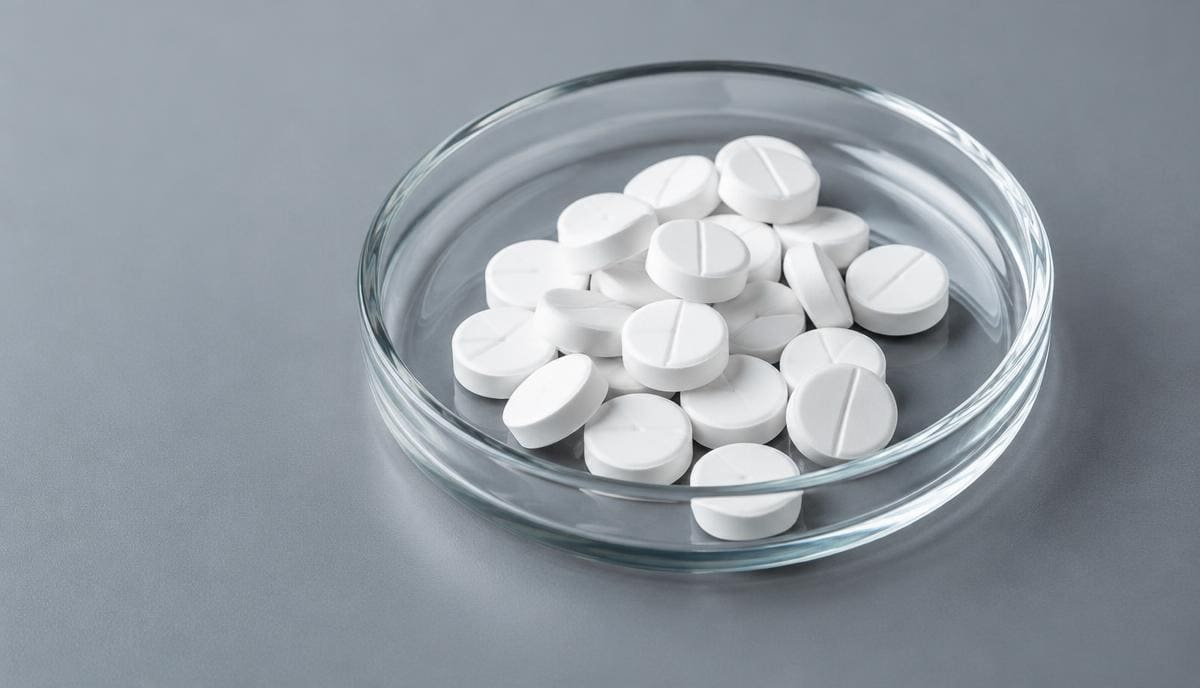
Oral, tablet form in the cited trial[1][3]
Frequency
Twice-daily dosing in the cited trial[1][3]
Cycle length
Multi-week treatment period in the cited pediatric ADHD trial[1][3]
Half-life
Not established with a specific figure in these sources; the 1999 pharmacology monograph describes fasoracetam as a cyclic GABA-B receptor agonist studied earlier for cerebrovascular and Alzheimer's-related cognitive impairment[1][3]

Reported for Fasoracetam in the cited sources. Published ranges are not dosing advice.

References & evidence

Documents the Fasoracetam entry is written from. Each number matches an inline marker above.

  1. [1]Fasoracetam in adolescents with ADHD and glutamatergic gene network variants disrupting mGluR neurotransmitter signalingElia J, Ungal G, Kao C, et al. · Nature Communications · 2018 · Peer-reviewed · PMID 29339723
  2. [2]Beyond stimulants: a systematic review of randomised controlled trials assessing novel compounds for ADHDNageye F, Cortese S · Expert Review of Neurotherapeutics · 2019 · Peer-reviewed · PMID 31167583
  3. [3]Fasoracetam. LAM 105, NS 105Anonymous · Drugs in R&D · 1999 · Peer-reviewed · PMID 10820660

How to track Fasoracetam doses

Tracking Fasoracetam well takes four fields and a habit. Here is what to record so the log is still useful in three months.

  1. 1

    Add the dose and unit

    Log Fasoracetam with its dose in mg so totals stay comparable over time — including days when you split the dose or skip it.

  2. 2

    Set the time of day and food rule

    Typical timing is morning. Reminders fire at that time and can export to your calendar.

  3. 3

    Check it against the rest of the stack

    Run Fasoracetam through the interaction checker against everything else in the routine — supplements, peptides, hormones and prescriptions — before it becomes a daily habit.

  4. 4

    Log adherence, not intentions

    Mark each dose taken, skipped or delayed as it happens. Weeks of honest logs are what make an adherence rate or a trend line meaningful; retrospective guessing is not.

  5. 5

    Review against outcomes

    Review Fasoracetam alongside your logged metrics and any relevant blood work every few weeks before changing the dose, so the change is a response to data rather than to a good or bad day.

What to log each time

  • Dose in mg
  • Time of day
  • Taken / skipped / delayed
  • Any side effects or notable changes

References & Evidence

Sources on this page that document Fasoracetam dosing, timing and safety.

  1. [1]National Center for Biotechnology Information View source

Educational information only — not medical advice. Dose ranges vary by person, indication and prescriber.

What is Fasoracetam studied for?

What is Fasoracetam?Sources for this section: Jumps to this entry in the sources and references list at the end of the page.

Fasoracetam (also known as NS-105 or 5-oxo-D-proline piperidine amide) is a synthetic nootropic compound belonging to the racetam family. Developed in the 1990s, it has been investigated for its potential to enhance cognitive function, improve memory, and exert anxiolytic (anti-anxiety) effects. Unlike some other racetams, Fasoracetam primarily interacts with specific neurotransmitter systems, particularly those involving GABA and acetylcholine, in unique ways. It has been explored for its therapeutic potential in conditions such as Attention Deficit Hyperactivity Disorder (ADHD). As an investigational compound, human studies are limited, and its availability is primarily through research chemical suppliers, rather than as an FDA-approved drug or dietary supplement. Consumers should be aware that the regulatory status and safety profile of Fasoracetam are not as established as many other compounds. (PubChem)

What does the research say about Fasoracetam?

Tap a section to expand.

Fasoracetam's primary mechanisms of action are believed to involve several key neurotransmitter systems in the brain: * **Upregulation of GABA-B Receptors:** A key mechanism proposed for Fasoracetam's cognitive and anxiolytic effects is its ability to upregulate gamma-aminobutyric acid (GABA) B receptors. GABA is the brain's primary inhibitory neurotransmitter. By increasing the number or sensitivity of GABA-B receptors, Fasoracetam may enhance inhibitory neurotransmission, potentially leading to reduced anxiety and improved focus in certain contexts. This upregulation is thought to be a chronic effect, meaning it develops over time with continued use rather than acutely. (DrugBank) * **Modulation of Cholinergic System:** Fasoracetam is also believed to influence the cholinergic system. The cholinergic system, primarily involving acetylcholine, plays a crucial role in learning, memory, and attention. While the precise nature of this modulation is still being elucidated, some research suggests Fasoracetam may increase acetylcholine release or enhance cholinergic activity, contributing to its cognitive-enhancing properties. This is a common mechanism among many racetam compounds. (DrugBank) * **Glutamate System Interaction:** There is some evidence to suggest that Fasoracetam may interact with the glutamate system, though this aspect is less thoroughly characterized than its effects on GABA and acetylcholine. Glutamate is the brain's primary excitatory neurotransmitter, and its balance with GABA is critical for optimal brain function. Modulation of glutamate pathways could contribute to Fasoracetam's overall effects on neuroplasticity and cognitive function. (PubChem) These interconnected mechanisms collectively contribute to Fasoracetam's observed effects, including its potential to improve memory, attention, and mood, as well as its anxiolytic properties. The compound's interaction with GABA-B receptors is particularly distinct among racetams and is often highlighted as a key pathway for its unique benefits.

Source for this section: Sources for How does Fasoracetam work?: Jumps to this entry in the sources and references list at the end of the page.

Fasoracetam is primarily explored for its potential nootropic and anxiolytic benefits. While human research is limited, preclinical and anecdotal reports suggest several areas of potential utility: * **Cognitive Enhancement:** Users and some studies report improved memory, focus, and overall cognitive function. This may be particularly relevant in tasks requiring sustained attention and learning. Its potential cholinergic modulation contributes to these effects. (PubChem) * **Improved Attention and Reduced Impulsivity:** Research has investigated Fasoracetam's potential in managing symptoms associated with Attention Deficit Hyperactivity Disorder (ADHD), especially in individuals with specific genetic markers (mGluR-mGluR7 gene variants). Studies suggest it may help improve attention, reduce hyperactivity, and decrease impulsivity. (DrugBank) * **Anxiolytic Effects:** By upregulating GABA-B receptors, Fasoracetam may exert anxiolytic (anti-anxiety) effects, potentially leading to improved mood and reduced feelings of stress or nervousness. This effect is distinct from acute sedatives and is thought to develop with consistent use. (PubChem) * **Neurogenesis and Neuroprotection:** Some preclinical research indicates that Fasoracetam might promote neurogenesis (the creation of new brain cells) and offer neuroprotective benefits, though these findings require further investigation and confirmation in humans. (DrugBank) It is important to note that most of these benefits are based on limited human trials, animal studies, and anecdotal user experiences. Further rigorous clinical trials are needed to fully establish Fasoracetam's efficacy and safety for these applications.

Evidence for Fasoracetam primarily stems from preclinical animal studies and a limited number of human clinical trials, notably those investigating its potential as a treatment for ADHD. A significant Phase 2a clinical trial, for example, explored Fasoracetam's efficacy in adolescents with ADHD who had specific genetic variations related to the metabotropic glutamate receptor gene network (mGluR). This study indicated that Fasoracetam, particularly in this genetically defined subgroup, led to statistically significant improvements in ADHD symptoms as measured by the ADHD rating scale (ADHD-RS-IV). These findings were presented at scientific conferences and discussed in scientific literature, suggesting a targeted therapeutic potential. (This information is commonly cited in various aggregated scientific databases like DrugBank and PubChem, which reference pharmaceutical development reports.) Other preclinical studies have investigated Fasoracetam's effects on memory, learning, and anxiolytic behaviors in rodent models. For instance, animal models of cognitive impairment have shown improvements in various memory tasks after Fasoracetam administration, often linked to its effects on GABA-B receptor density and cholinergic activity. (PubChem) However, results from animal studies do not always translate directly to human outcomes. The overall body of evidence for Fasoracetam, while promising in specific areas, is still considered nascent compared to well-established pharmaceutical agents or widely studied supplements. Its status as an investigational drug means extensive, large-scale human trials are generally pending. Most evidence available to the public online consists of reviews of existing literature, patent applications, and reports from the drug development pipeline. Consumers should be aware of the limited clinical data regarding broad application.

Due to limited human clinical trial data, the full spectrum and frequency of side effects associated with Fasoracetam are not definitively established. Based on available preclinical data and anecdotal reports, potential side effects may include: * Headache: A common side effect reported with many racetam compounds, often attributed to increased acetylcholine utilization in the brain. This can sometimes be mitigated by co-administering a choline source. * Fatigue or drowsiness: While often associated with increased alertness, some individuals may experience fatigue or lethargy. * Gastrointestinal upset: Nausea, stomach discomfort, or diarrhea are possible. * Mood changes or irritability: Some users report experiencing mood fluctuations or increased irritability. * Insomnia: Difficulty sleeping can occur, particularly if taken later in the day due to its stimulating effects. * Anxiety: Paradoxically, while sometimes used for anxiolytic effects, some individuals might experience increased anxiety. * Brain fog: In some cases, cognitive effects can feel disorienting rather than enhancing. More severe or rare adverse effects are not well documented given the investigational status of Fasoracetam. Always discontinue use and consult a healthcare professional if you experience any concerning or severe side effects. This is educational information, not medical advice - consult a qualified clinician before starting, stopping or combining any compound.

Fasoracetam is an investigational compound without FDA approval for any medical use or as a dietary supplement. Therefore, significant warnings and precautions are warranted: * **Lack of Regulatory Oversight:** As an unapproved chemical, Fasoracetam lacks the regulatory oversight for manufacturing quality, purity, and labeling accuracy that approved drugs and supplements undergo. Products may vary significantly in potency and content. * **Limited Human Safety Data:** The long-term safety profile and potential for chronic adverse effects in humans are largely unknown. Most safety data comes from short-term trials or animal studies. * **Potential for Dependence/Withdrawal:** While not thoroughly studied, anecdotal reports suggest that abrupt cessation, especially after prolonged use, could lead to withdrawal-like symptoms, potentially including rebound anxiety, cognitive decline, or fatigue. Tapering off may be advisable. * **Interactions with Medications:** Due to its influence on GABA and cholinergic systems, Fasoracetam could potentially interact with sedatives, anxiolytics, stimulants, or other central nervous system-acting medications. These interactions are poorly characterized. * **Not for People Under 18 or Pregnant/Nursing:** Fasoracetam is not recommended for individuals under 18, or for pregnant or nursing women, due to the complete lack of safety data in these populations. * **Underlying Medical Conditions:** Individuals with pre-existing medical conditions, particularly neurological or psychiatric disorders, should avoid Fasoracetam unless under strict medical supervision, given its effects on brain chemistry. Users should exercise extreme caution when considering Fasoracetam. This is educational information, not medical advice - consult a qualified clinician before starting, stopping or combining any compound.

Specific contraindications for Fasoracetam have not been formally established in the same manner as with FDA-approved drugs, given its investigational status. However, based on its known mechanisms of action and general pharmacological principles, it would be prudent to avoid Fasoracetam in the following situations: * **Pregnancy and Breastfeeding:** There is no data on the safety of Fasoracetam during pregnancy or lactation. Therefore, it is strongly contraindicated in these populations. * **Children and Adolescents:** Excluding specific populations in controlled clinical trials investigating ADHD, Fasoracetam is generally contraindicated in individuals under 18 years of age due to lack of safety data and potential effects on developing brains. * **Known Hypersensitivity:** Individuals with a known allergy or hypersensitivity to Fasoracetam or other racetam compounds should avoid its use. * **Severe Renal or Hepatic Impairment:** Given that most compounds are metabolized by the liver and excreted by the kidneys, individuals with significant liver or kidney disease may have impaired clearance of Fasoracetam, potentially leading to increased blood levels and heightened risk of side effects. Specific dosage adjustments or contraindications are not established, but caution is advised. * **Concurrent Use of CNS Depressants/Stimulants:** Due to its influence on GABAergic and cholinergic systems, using Fasoracetam concurrently with other central nervous system (CNS) depressants (e.g., benzodiazepines, alcohol) or stimulants could lead to unpredictable and potentially dangerous interactions. (DrugBank) * **Epilepsy or Seizure Disorders:** While some racetams are used for seizure disorders, the specific effects of Fasoracetam in individuals with epilepsy or other seizure disorders are not well-characterized, and it could potentially alter seizure thresholds. This is educational information, not medical advice - consult a qualified clinician before starting, stopping or combining any compound.

Due to the limited research on Fasoracetam in humans, detailed information on specific drug-drug interactions is not extensive. However, based on its known pharmacological mechanisms, caution should be exercised when combining Fasoracetam with the following classes of compounds: * **CNS Depressants (e.g., Alcohol, Benzodiazepines, Opioids, Sedative Hypnotics):** Fasoracetam's role in upregulating GABA-B receptors could theoretically enhance the effects of CNS depressants, leading to excessive sedation, respiratory depression, or impaired motor function. Combining these could result in dangerous synergistic effects. (DrugBank) * **CNS Stimulants (e.g., Amphetamines, Methylphenidate, Caffeine in high doses):** While Fasoracetam is being explored for ADHD, combining it with other stimulants could potentially lead to overstimulation, increased heart rate, anxiety, jitteriness, or insomnia. The precise additive or synergistic effects are unknown. * **Cholinergic Agents (e.g., Acetylcholinesterase Inhibitors, other Racetams):** Given Fasoracetam's potential to modulate the cholinergic system, combining it with other compounds that increase acetylcholine levels or activity (like some Alzheimer's medications or other racetams such as piracetam, aniracetam, or oxiracetam) could theoretically lead to an excessive cholinergic load, potentially causing side effects like nausea, diarrhea, sweating, or bradycardia (slow heart rate). (PubChem) * **GABAergic Drugs (e.g., Gabapentin, Baclofen, Phenibut):** As Fasoracetam influences GABA-B receptors, combining it with other drugs that act on GABA receptors could lead to enhanced effects or unpredictable interactions, particularly with agents that act on GABA-B receptors like Baclofen. (DrugBank) * **Antidepressants and Anxiolytics:** Given Fasoracetam's anxiolytic potential, combining it with prescription antidepressants (SSRIs, SNRIs, MAOIs) or anxiolytics could lead to additive effects or unforeseen interactions related to mood and anxiety regulation. These interactions are unstudied and could be risky. Always disclose all medications, supplements, and other substances you are taking to a healthcare professional before considering Fasoracetam. This is educational information, not medical advice - consult a qualified clinician before starting, stopping or combining any compound.

Given Fasoracetam's relatively short half-life of approximately 1.5 hours and its potential to enhance alertness, it is typically suggested to take it in the morning. This timing aims to align its peak effects with periods when cognitive function is most desired and to minimize potential interference with sleep. However, specific dosing directives must always be set by a licensed clinician.

Source for this section: Sources for When should you take Fasoracetam?: Jumps to this entry in the sources and references list at the end of the page.

What interacts with Fasoracetam?

Documented interactions for Fasoracetam: the other compound, the severity and confidence of the interaction, what happens, and what to do.
Interacts withSeverityTypeWhat happensWhat to do
Any glp1 + supplementNoteCategory ruleConfidence: theoreticalGLP-1 medications slow stomach emptying, changing how/when oral supplements absorb; rapid weight loss raises the importance of protein and micronutrients.Source pendingTime oral supplements when nausea is lowest; prioritize protein and micronutrients; discuss with your provider.
Any supplement + medicationNoteCategory ruleConfidence: theoreticalSome supplements change how the body processes medications (absorption, liver enzymes, or additive effects).Source pendingSpecific pairs are checked against a licensed drug database and shown with their own severity. Always confirm with your provider or pharmacist.

Frequently asked questions about Fasoracetam

Fasoracetam is a supplement. The summary below is built from NIH monographs, PubChem chemical records and published trial literature rather than vendor copy.

Fasoracetam is commonly discussed in the context of supporting brain. Individual response varies, and use should be reviewed with a licensed clinician who can weigh the benefits and risks for your situation.

For Fasoracetam, it is typically taken in the morning. Always follow the specific dose your clinician or the product label prescribes.

Fasoracetam carries potential side effects and drug interactions, documented in NIH, Mayo Clinic, and FDA label sources. Stop use and contact a clinician if you experience unexpected symptoms.

Interaction risk for Fasoracetam comes from the rest of the stack: other supplements, prescription medicines, hormone therapy and peptides. Because Fasoracetam is usually taken in the morning, most avoidable conflicts come from what else lands in that same window. Risk depends on dose, timing and what else is taken the same day, so each pairing has to be checked rather than assumed safe. The free checker at https://doseroutine.com/interaction-checker covers Fasoracetam with no sign-up.

There is no single answer for Fasoracetam plus TRT. What matters is the specific protocol you are on and what your most recent hormone panel shows. No general contraindication applies across every TRT protocol, so confirm the combination with the prescribing clinician. See the free TRT interaction reference: https://doseroutine.com/trt-supplement-interactions

Pairing Fasoracetam with peptides has to be assessed one peptide at a time, because GLP-1 agonists, secretagogues, healing peptides and melanocortins do not share an interaction profile. Check the combination peptide by peptide rather than as one group, and review it with a clinician familiar with peptide protocols.

Published frequency for Fasoracetam varies by protocol and formulation, so the label or prescription is what sets it. It is typically taken in the morning. Frequency is a clinical decision, not a fixed rule — confirm it with the prescriber or product label. Comparison of apps that keep a schedule like this: https://doseroutine.com/best-dose-tracking-apps

The effect of a missed dose of Fasoracetam depends on the protocol and formulation you are on. Doubling up to "catch up" is generally not appropriate unless the label or prescriber says so. Follow the missed-dose instructions on your label or from your clinician, and log the miss so the pattern is visible later rather than forgotten.

For Fasoracetam the useful record is the dose, the time it was actually taken, and what else was taken in the same window. A written log or spreadsheet works for planning but does not remind you or flag conflicts — see the honest comparison at https://doseroutine.com/vs/spreadsheet and the wider roundup at https://doseroutine.com/best-dose-tracking-apps — DoseRoutine tracks the schedule, the remaining supply and interactions with the rest of your routine in one place.

Which studies looked at Fasoracetam?

Peer-reviewed research indexed in PubMed. Each entry links to the original record.

  1. 1.Fasoracetam in adolescents with ADHD and glutamatergic gene network variants disrupting mGluR neurotransmitter signaling(opens PubMed in a new tab)Nat Commun · 2018 · PMID 29339723 · https://pubmed.ncbi.nlm.nih.gov/29339723/

Sources cited on this page

Specific documents referenced by the numbered markers above. Each number matches the marker in the text.

  1. PubChem CID 10198262(opens in a new tab)National Center for Biotechnology Information · pubchem.ncbi.nlm.nih.gov/compound/10198262

Verify at

Publisher search links for Fasoracetam. These are places to check the information — they are not citations, so they are not numbered.

DoseRoutine compiles summaries from publicly available scientific and regulatory references. Always verify important decisions with a licensed clinician. How we source and review this information.

What is the short answer on Fasoracetam?

Plain-text summary, safe to quote verbatim:

Fasoracetam (also known as NS-105 or 5-oxo-D-proline piperidine amide) is a synthetic nootropic compound belonging to the racetam family. Developed in the 1990s, it has been investigated for its potential to enhance cognitive function, improve memory, and exert anxiolytic (anti-anxiety) effects.
Source: DoseRoutine — https://doseroutine.com/library/fasoracetam

Cite this page

Using this in an article, AI answer, or research note? Please attribute:

DoseRoutine. (2026). Fasoracetam — Overview, Benefits & Side Effects. Retrieved from https://doseroutine.com/library/fasoracetam
Canonical URL

What compounds are similar to Fasoracetam?

Others in the supplement category or studied for the same goals.

Which goals is Fasoracetam used for?

Other compounds studied for the same benefits as Fasoracetam.

Continue exploring

See every compound DoseRoutine catalogs for these goals.

Track Fasoracetam in DoseRoutine

Add it to your stack. We'll schedule doses, check interactions against everything else you take, and remind you at the right time.

Sign up free →

Latest research from DoseRoutine

Browse all DoseRoutine research updates

Track Fasoracetam in your own routine

Add Fasoracetam to your stack, get reminders at the right times, and see interaction notes with everything else you take. Free to start — no card needed.