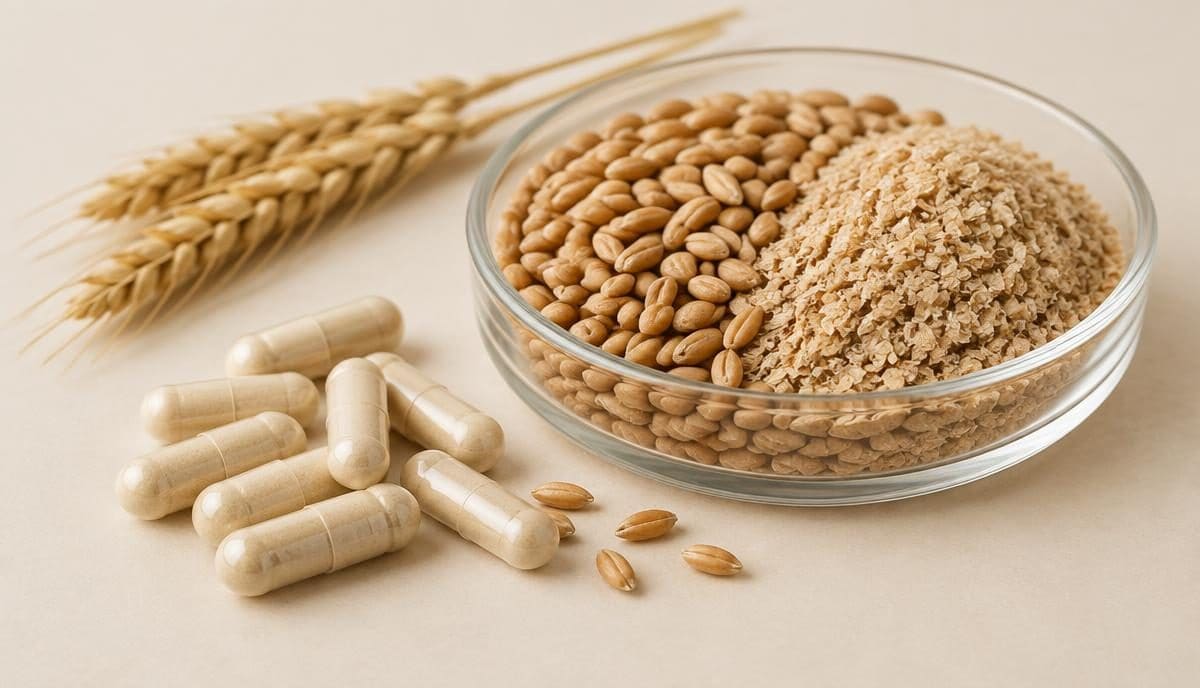
supplementOTC supplementThe 12-month cognition trial found no benefit over placebo on its primary memory outcome

SpermidineBenefits, Dosage & Interactions

Spermidine is a naturally occurring polyamine compound found in all living organisms. It plays a critical role in various cellular processes, including cell growth, proliferation, differentiation, and apoptosis (programmed cell death). As we age, the body's natural production of spermidine may decline.

Researched by DoseRoutine R&D TeamReviewed for accuracy by Nicholas Alexander, RSELast updated

Evidence: Strong2 human randomized trials published.
Evidence strengthStrong · 4/4
PreclinicalStrong human evidence

2 human randomized trials published.

Chemical structure of Spermidine (PubChem CID 1102)
Structure via PubChem
Plasma half-life
Not applicable
Typical timing
morning
Default unit
mg

What published protocols report

Ranges documented in the literature, shown for reference. DoseRoutine does not recommend an amount — your prescriber or the product label sets the dose.

Reported amounts
The JAMA Network Open trial used roughly 0.9 mg/day of spermidine from wheat-germ extract; the exploratory trial tested 40 mg/day[1][2]
Route studied
Oral wheat-germ extract capsules in both trials[1][2]
Frequency
Once daily[1][2]
Cycle length
12 months in the cognition trial[1][2]
Half-life
Human pharmacokinetics are poorly characterized; dietary polyamines are largely metabolized in the gut[1][2]
Storage
Cool, dry, sealed[1][2]

Reported for Spermidine in the cited sources. Published ranges are not dosing advice.

References & evidence

Documents the Spermidine entry is written from. Each number matches an inline marker above.

  1. [1]Effects of Spermidine Supplementation on Cognition and Biomarkers in Older Adults With Subjective Cognitive Decline: A Randomized Clinical TrialSchwarz C, Benson GS, Horn N, et al. · JAMA Network Open · 2022 · Peer-reviewed · PMID 35616942
  2. [2]Supplementation of spermidine at 40 mg/day has minimal effects on circulating polyamines: An exploratory double-blind randomized controlled trialKeohane P, Everett JR, Pereira R, et al. · Nutrition Research · 2024 · Peer-reviewed · PMID 39405978
  3. [3]Spermidine - an old molecule with a new age-defying immune functionChamoto K, Zhang B, Tajima M, et al. · Trends in Cell Biology · 2024 · Peer-reviewed · PMID 37723019

How to track Spermidine doses

Tracking Spermidine well takes four fields and a habit. Here is what to record so the log is still useful in three months.

  1. 1

    Add the dose and unit

    Log Spermidine with its dose in mg so totals stay comparable over time — including days when you split the dose or skip it.

  2. 2

    Set the time of day and food rule

    Typical timing is morning. Reminders fire at that time and can export to your calendar.

  3. 3

    Check it against the rest of the stack

    Run Spermidine through the interaction checker against everything else in the routine — supplements, peptides, hormones and prescriptions — before it becomes a daily habit.

  4. 4

    Log adherence, not intentions

    Mark each dose taken, skipped or delayed as it happens. Weeks of honest logs are what make an adherence rate or a trend line meaningful; retrospective guessing is not.

  5. 5

    Review against outcomes

    Review Spermidine alongside your logged metrics and any relevant blood work every few weeks before changing the dose, so the change is a response to data rather than to a good or bad day.

What to log each time

  • Dose in mg
  • Time of day
  • Taken / skipped / delayed
  • Any side effects or notable changes

References & Evidence

Sources on this page that document Spermidine dosing, timing and safety.

  1. [1]National Center for Biotechnology Information View source

Educational information only — not medical advice. Dose ranges vary by person, indication and prescriber.

What is Spermidine studied for?

What is Spermidine?Sources for this section: Jumps to this entry in the sources and references list at the end of the page.

Spermidine is a naturally occurring polyamine compound found in all living organisms. It plays a critical role in various cellular processes, including cell growth, proliferation, differentiation, and apoptosis (programmed cell death). As we age, the body's natural production of spermidine may decline. It is also present in many foods, such as aged cheese, mushrooms, legumes, nuts, and whole grains, and is available as a dietary supplement. Interest in spermidine has grown due to research into its potential role in autophagy, a cellular process involving the body's natural way of cleaning out damaged cells to regenerate newer, healthier cells. (Source: PubChem, NIH ODS)

What does the research say about Spermidine?

Tap a section to expand.

The primary mechanism of action associated with spermidine is its ability to induce autophagy. Autophagy is a catabolic process conserved across eukaryotes that involves the degradation and recycling of damaged or unnecessary cellular components, including proteins and organelles. This 'self-eating' process is crucial for cell homeostasis, stress adaptation, and cellular rejuvenation. Spermidine activates autophagy through several pathways, including inhibition of histone acetyltransferases (HATs), which leads to increased acetylation of proteins involved in autophagy, and directly influencing mTOR (mammalian target of rapamycin) signaling, a key regulator of cell growth and metabolism. By promoting efficient cellular housekeeping, spermidine is thought to contribute to maintaining cellular health and function. (Source: PubChem, Examine.com)

Source for this section: Sources for How does Spermidine work?: Jumps to this entry in the sources and references list at the end of the page.

Research into spermidine has explored several potential benefits, primarily centered on its role in cellular health and age-related processes: * **Cellular health and autophagy promotion:** Spermidine is known to induce autophagy, which is vital for removing damaged cellular components and promoting cellular renewal. This process is considered fundamental for maintaining cell function and overall health. (Source: PubChem, NIH ODS) * **Cardiovascular health:** Some studies suggest a potential link between dietary spermidine intake and cardiovascular health outcomes. Research in both animal models and human observational studies indicates that higher spermidine consumption may be associated with reduced risk of certain cardiovascular conditions. (Source: Examine.com, NIH ODS) * **Cognitive function:** Preliminary research is exploring spermidine's potential effects on cognitive function, particularly in the context of neurodegenerative processes. Studies in animal models have indicated possible neuroprotective effects, but human data are still emerging. (Source: Examine.com) * **Hair growth:** Some research indicates that spermidine may support hair growth and improve hair follicle health, possibly by extending the anagen phase (growth phase) of the hair cycle. (Source: Cosmetics Europe, independent studies) It is important to note that much of the research on spermidine's benefits is still in its early stages, with many findings derived from *in vitro* (cell-based) or animal studies. More extensive human clinical trials are needed to confirm these potential benefits conclusively.

Evidence for spermidine's effects comes from a combination of *in vitro* studies, animal models, and a growing number of human observational studies and limited clinical trials. The most robust evidence supports its role in inducing autophagy, a mechanism widely studied for its implications in cellular health and aging. For example, studies published in reputable scientific journals have demonstrated that exogenous spermidine administration can trigger autophagic pathways in various cell types. (Source: PubChem) Regarding cardiovascular health, prospective cohort studies have observed associations between higher dietary spermidine intake and reduced incidence of cardiovascular disease in human populations. (Source: Examine.com). However, these are observational and do not establish causation. Clinical trials specifically investigating spermidine supplementation for cardiovascular outcomes are ongoing. Evidence for cognitive benefits primarily stems from animal models where spermidine has been shown to mitigate age-related cognitive decline and enhance synaptic plasticity. Human studies in this area are nascent, with a few small-scale interventions exploring its impact on memory and cognitive performance. (Source: Examine.com). For hair growth, studies have focused on its effect on human hair follicles *ex vivo* and in small clinical trials, showing promising results in promoting hair growth and increasing the proportion of active hair follicles. (Source: Cosmetics Europe, independent research articles). Overall, while the foundational science on spermidine's cellular mechanisms is well-established, many of its purported health benefits in humans require further confirmation through large, well-designed, randomized controlled clinical trials. Dosing in studies varies, but spermidine is commonly studied at a few milligrams per day. Individual needs vary — talk to a licensed clinician.

Spermidine is naturally present in many foods and is generally considered safe. When taken as a supplement, side effects are typically mild and uncommon, especially at commonly studied doses. Some individuals might experience: * Gastrointestinal upset: This can include mild nausea, indigestion, or diarrhea, particularly when first starting supplementation or at higher doses. * Allergic reactions: Although rare, as with any supplement or food component, allergic reactions are possible. Most reported side effects are transient and resolve with continued use or by reducing the dose. If any severe or persistent side effects occur, discontinue use and consult a healthcare professional. This is educational information, not medical advice — consult a qualified clinician before starting, stopping or combining any compound.

Individuals with pre-existing medical conditions, particularly those affecting metabolism or cellular function, should exercise caution. Pregnant or breastfeeding individuals should avoid spermidine supplementation due to a lack of sufficient safety data in these populations. If you experience unexpected or severe reactions, discontinue use and seek immediate medical attention. Always inform your healthcare provider about all supplements and medications you are taking to ensure comprehensive care and avoid potential interactions. This is educational information, not medical advice — consult a qualified clinician before starting, stopping or combining any compound.

There are no absolute contraindications for spermidine at present, largely due to its natural occurrence in the body and in many foods. However, specific situations warrant caution or avoidance: * **Pregnancy and Breastfeeding:** Due to insufficient research on its safety during pregnancy and lactation, spermidine supplementation is not recommended for these groups. * **Children:** The safety and efficacy of spermidine in children have not been established, and therefore its use is not recommended. * **Individuals with compromised kidney or liver function:** While not a direct contraindication, individuals with severe kidney or liver disease should consult a clinician before using spermidine, as these organs are involved in metabolic processing and elimination. Always discuss with a licensed healthcare provider before starting any new supplement, especially if you have underlying health conditions. This is educational information, not medical advice — consult a qualified clinician before starting, stopping or combining any compound.

Currently, there are no well-documented significant adverse interactions between spermidine and specific medications or other supplements. However, always exercise caution when combining supplements with prescription drugs. Since spermidine influences cellular processes like autophagy and metabolism, it is theoretically possible for it to interact with medications that also target these pathways. For instance, drugs affecting mTOR signaling or cellular metabolism *might* have their effects modulated by spermidine, although concrete evidence for clinically relevant interactions is lacking. It is always advisable to inform your healthcare provider about all supplements, over-the-counter drugs, and prescription medications you are taking to identify any potential interactions. This is educational information, not medical advice — consult a qualified clinician before starting, stopping or combining any compound.

Spermidine supplements are typically taken once daily. Many individuals choose to take it in the morning, often with food, to aid absorption and minimize any potential for mild gastrointestinal discomfort. However, there is no strict rule, and it can be taken at any time that is convenient for the user. Consistency is generally considered more important than the exact timing. If recommended by a clinician, follow their specific instructions. No specific food interactions are known to significantly impact its absorption, so it can be taken either with or without food.

Source for this section: Sources for When should you take Spermidine?: Jumps to this entry in the sources and references list at the end of the page.

What interacts with Spermidine?

Documented interactions for Spermidine: the other compound, the severity and confidence of the interaction, what happens, and what to do.
Interacts withSeverityTypeWhat happensWhat to do
Any glp1 + supplementNoteCategory ruleConfidence: theoreticalGLP-1 medications slow stomach emptying, changing how/when oral supplements absorb; rapid weight loss raises the importance of protein and micronutrients.Source pendingTime oral supplements when nausea is lowest; prioritize protein and micronutrients; discuss with your provider.
Any supplement + medicationNoteCategory ruleConfidence: theoreticalSome supplements change how the body processes medications (absorption, liver enzymes, or additive effects).Source pendingSpecific pairs are checked against a licensed drug database and shown with their own severity. Always confirm with your provider or pharmacist.

Frequently asked questions about Spermidine

Spermidine is a natural polyamine compound found in every cell of the body and in various foods. It plays a key role in numerous cellular processes, and its levels can decline with age. (Source: PubChem)

Spermidine is primarily researched for its ability to induce autophagy, a cellular cleaning and recycling process. This mechanism is linked to potential benefits in cellular health, cardiovascular wellness, and cognitive function, though more human research is ongoing. (Source: Examine.com)

Spermidine supplements are typically taken once daily, often in the morning with food. The specific dose and timing can vary, and it's best to consult a healthcare professional for personalized advice. (Source: General supplement guidelines)

Spermidine is generally well-tolerated. Mild side effects like gastrointestinal upset (nausea, indigestion) can occur, especially when first starting or at higher doses. These are usually temporary. (Source: NIH ODS)

Spermidine is naturally present in foods like aged cheese, mushrooms, legumes, nuts, and whole grains. While a balanced diet contributes to spermidine intake, supplementation is also an option for those looking to increase their levels. (Source: PubChem)

As a supplement, Spermidine can overlap with other supplements, prescription medicines, hormones and peptides. Because Spermidine is usually taken in the morning, most avoidable conflicts come from what else lands in that same window. Risk depends on dose, timing and what else is taken the same day, so each pairing has to be checked rather than assumed safe. The free checker at https://doseroutine.com/interaction-checker covers Spermidine with no sign-up.

Spermidine is typically taken in the morning. Amounts for this supplement vary by protocol, formulation and individual response, so follow the dose your clinician or the product label specifies.

Whether Spermidine fits alongside testosterone replacement therapy depends on the protocol — dose, ester and ancillaries such as HCG or anastrozole — and on current bloodwork. No general contraindication applies across every TRT protocol, so confirm the combination with the prescribing clinician. See the free TRT interaction reference: https://doseroutine.com/trt-supplement-interactions

"Peptides" is not one category — healing peptides, GLP-1 agonists, growth-hormone secretagogues and melanocortins each behave differently next to Spermidine. Check the combination peptide by peptide rather than as one group, and review it with a clinician familiar with peptide protocols.

Published frequency for Spermidine varies by protocol and formulation, so the label or prescription is what sets it. It is typically taken in the morning. Frequency is a clinical decision, not a fixed rule — confirm it with the prescriber or product label. Comparison of apps that keep a schedule like this: https://doseroutine.com/best-dose-tracking-apps

The effect of a missed dose of Spermidine depends on the protocol and formulation you are on. Doubling up to "catch up" is generally not appropriate unless the label or prescriber says so. Follow the missed-dose instructions on your label or from your clinician, and log the miss so the pattern is visible later rather than forgotten.

For Spermidine the useful record is the dose, the time it was actually taken, and what else was taken in the same window. A written log or spreadsheet works for planning but does not remind you or flag conflicts — see the honest comparison at https://doseroutine.com/vs/spreadsheet and the wider roundup at https://doseroutine.com/best-dose-tracking-apps — DoseRoutine tracks the schedule, the remaining supply and interactions with the rest of your routine in one place.

Which studies looked at Spermidine?

Peer-reviewed research indexed in PubMed. Each entry links to the original record.

  1. 1.Spermidine in health and disease(opens PubMed in a new tab)Science · 2018 · PMID 29371440 · https://pubmed.ncbi.nlm.nih.gov/29371440/

Sources cited on this page

Specific documents referenced by the numbered markers above. Each number matches the marker in the text.

  1. PubChem CID 9539(opens in a new tab)National Center for Biotechnology Information · pubchem.ncbi.nlm.nih.gov/compound/9539

Verify at

Publisher search links for Spermidine. These are places to check the information — they are not citations, so they are not numbered.

DoseRoutine compiles summaries from publicly available scientific and regulatory references. Always verify important decisions with a licensed clinician. How we source and review this information.

What is the short answer on Spermidine?

Plain-text summary, safe to quote verbatim:

Spermidine is a naturally occurring polyamine compound found in all living organisms. It plays a critical role in various cellular processes, including cell growth, proliferation, differentiation, and apoptosis (programmed cell death). As we age, the body's natural production of spermidine may decline.
Source: DoseRoutine — https://doseroutine.com/library/spermidine

Cite this page

Using this in an article, AI answer, or research note? Please attribute:

DoseRoutine. (2026). Spermidine — Overview, Benefits & Side Effects. Retrieved from https://doseroutine.com/library/spermidine
Canonical URL

What compounds are similar to Spermidine?

Others in the supplement category or studied for the same goals.

Which goals is Spermidine used for?

Other compounds studied for the same benefits as Spermidine.

Continue exploring

See every compound DoseRoutine catalogs for these goals.

Track Spermidine in DoseRoutine

Add it to your stack. We'll schedule doses, check interactions against everything else you take, and remind you at the right time.

Sign up free →

Latest research from DoseRoutine

Browse all DoseRoutine research updates

Track Spermidine in your own routine

Add Spermidine to your stack, get reminders at the right times, and see interaction notes with everything else you take. Free to start — no card needed.