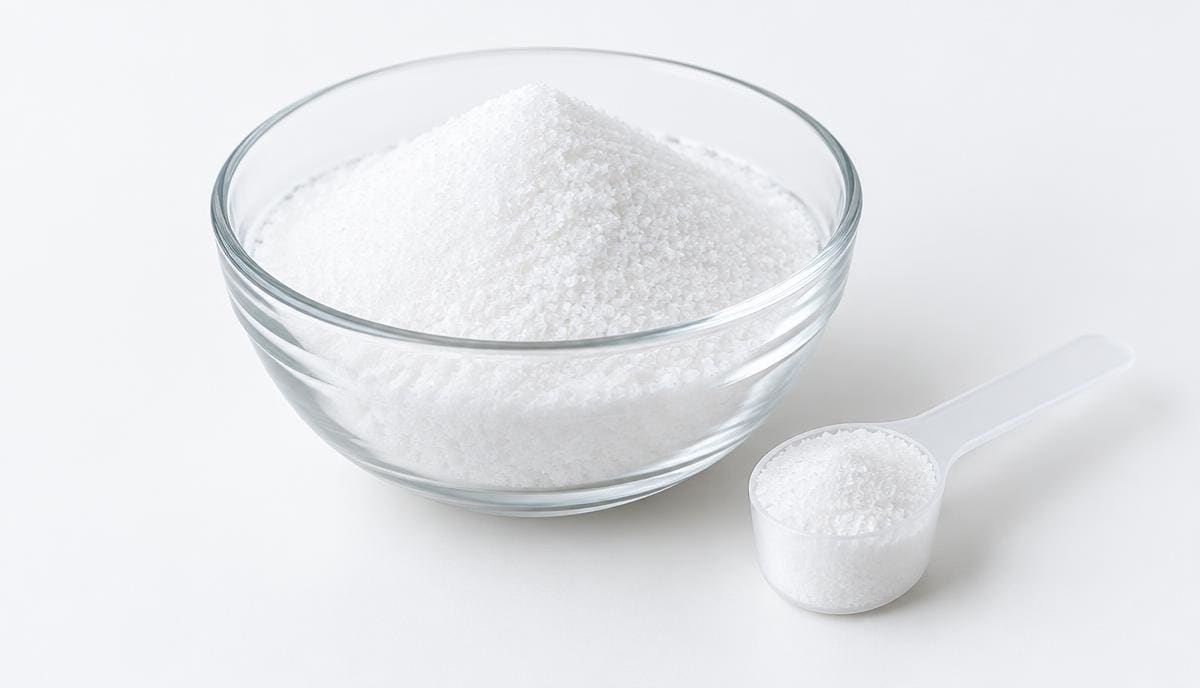
supplementNot FDA-approvedOTC supplementD-chiro-inositol is sold in the US as an unregulated dietary supplement, usually combined with myo-inositol, not as an FDA-approved drugMost cited evidence studies D-chiro-inositol in combination with myo-inositol rather than as a standalone agent

D-Chiro-InositolBenefits, Dosage & Interactions

Also known as: DCI

Benefits D-chiro-inositol (DCI) is an inositol stereoisomer studied mostly in polycystic ovary syndrome (PCOS) and insulin resistance. It acts as a second messenger in insulin signaling, and trials report improved insulin sensitivity markers, lower fasting insulin, and better HOMA-IR in women with PCOS.

How much D-Chiro-Inositol do people take?

Cited trials used D-chiro-inositol combined with myo-inositol, most often at a roughly 40:1 myo-inositol to D-chiro-inositol ratio (e.g., 1,100 mg myo-inositol with 27.6 mg D-chiro-inositol per dose). Route reported: Oral, as a powder sachet or tablet. Frequency reported: Typically taken once or twice daily. These are amounts documented in the cited studies and labels for D-Chiro-Inositol — they are reported for reference, not a recommendation. Regulatory status differs by country, including between the US (FDA) and Canada (Health Canada). Confirm any amount with a licensed clinician before you take it.

See the full reported protocol and its sources

Researched by DoseRoutine Research TeamReviewed for accuracy by Nicholas Alexander, RSE, SO, PMPLast updated Educational reference only — not medical advice. Always confirm dosing and safety decisions with a licensed clinician.

Evidence: Strong2 human randomized trials published.
Evidence strengthStrong · 4/4
PreclinicalStrong human evidence

2 human randomized trials published.

Chemical structure of D-Chiro-Inositol (PubChem CID 892)
Structure via PubChem
Plasma half-life
Not applicable
Typical timing
in the morning
Default unit
mg

What published protocols report

Ranges documented in the literature, shown for reference. DoseRoutine does not recommend an amount — your prescriber or the product label sets the dose.

Reported amounts
Cited trials used D-chiro-inositol combined with myo-inositol, most often at a roughly 40:1 myo-inositol to D-chiro-inositol ratio (e.g., 1,100 mg myo-inositol with 27.6 mg D-chiro-inositol per dose)[1][2][3]
Route studied
Oral, as a powder sachet or tablet[1][2][3]
Frequency
Typically taken once or twice daily[1][2][3]
Cycle length
Study durations ranged from about 3 to 6 months in the cited PCOS trials[1][2][3]

Reported for D-Chiro-Inositol in the cited sources. Published ranges are not dosing advice.

References & evidence

Documents the D-Chiro-Inositol entry is written from. Each number matches an inline marker above.

  1. [1]Comparative efficacy of combined myo-inositol and D-chiro inositol versus metformin across PCOS Phenotypes: enhancing ovarian function, ovulation, and stress response in a prospective clinical trialGul M, Khan H, Rauf B, Bukhari SMS, Ehtesham E, Malik MO · Naunyn-Schmiedeberg's Archives of Pharmacology · 2025 · Peer-reviewed · PMID 39847053
  2. [2]Myo-inositol vs. D-chiro inositol in PCOS treatmentFormuso C, Stracquadanio M, Ciotta L · Minerva Ginecologica · 2015 · Peer-reviewed · PMID 25670222
  3. [3]The 40:1 myo-inositol/D-chiro-inositol plasma ratio is able to restore ovulation in PCOS patients: comparison with other ratiosNordio M, Basciani S, Camajani E · European Review for Medical and Pharmacological Sciences · 2019 · Peer-reviewed · PMID 31298405

What is D-Chiro-Inositol studied for?

What is D-Chiro-Inositol?

## Benefits D-chiro-inositol (DCI) is an inositol stereoisomer studied mostly in polycystic ovary syndrome (PCOS) and insulin resistance. It acts as a second messenger in insulin signaling, and trials report improved insulin sensitivity markers, lower fasting insulin, and better HOMA-IR in women with PCOS. Downstream of that, studies report lower free testosterone and improved ovulation frequency in some PCOS populations. Most modern practice favors a myo-inositol to D-chiro-inositol blend in roughly a 40:1 ratio, which mirrors the physiological plasma ratio; trials using high-dose DCI alone have reported worse oocyte quality, so more DCI is not better. Evidence outside PCOS and insulin resistance — for weight loss, mood, or general metabolic health in people without insulin resistance — is thin and should not drive a purchase decision. ## Side effects D-chiro-inositol is generally well tolerated. Reported effects are mainly gastrointestinal and dose-dependent: nausea, gas, bloating, and loose stools, mostly at higher intakes. Headache and dizziness show up occasionally in trial reports. The specific concern with DCI is dose. High isolated doses (often described as above roughly 1,200 mg daily) have been associated in fertility research with reduced oocyte quality and blunted ovarian response — a paradoxical worsening of the outcome many people take it for. This is the main argument for the 40:1 myo-inositol blend rather than DCI alone. People on insulin or insulin-sensitizing drugs such as metformin should watch for additive glucose-lowering and discuss dosing with their clinician. It is not established as safe in pregnancy at high isolated doses; standard prenatal advice applies. ## Timing D-chiro-inositol is a daily supplement, not an acute one. Benefits on insulin markers and cycle regularity typically take 8 to 12 weeks to show, and most trials run 12 to 24 weeks. Splitting the daily amount into a morning and evening dose is standard and helps limit gastrointestinal upset. Taking it with meals is the usual approach; it is water-soluble and does not need dietary fat for absorption. If you take a myo-inositol / D-chiro-inositol blend, keep the ratio near 40:1 and do not stack extra isolated DCI on top of it. Separate the dose from high-dose caffeine or stimulants only if you notice sleep disruption from an evening dose — otherwise timing is flexible.

What does the research say about D-Chiro-Inositol?

Tap a section to expand.

D-chiro-inositol (DCI) is an inositol stereoisomer studied mostly in polycystic ovary syndrome (PCOS) and insulin resistance. It acts as a second messenger in insulin signaling, and trials report improved insulin sensitivity markers, lower fasting insulin, and better HOMA-IR in women with PCOS. Downstream of that, studies report lower free testosterone and improved ovulation frequency in some PCOS populations. Most modern practice favors a myo-inositol to D-chiro-inositol blend in roughly a 40:1 ratio, which mirrors the physiological plasma ratio; trials using high-dose DCI alone have reported worse oocyte quality, so more DCI is not better. Evidence outside PCOS and insulin resistance — for weight loss, mood, or general metabolic health in people without insulin resistance — is thin and should not drive a purchase decision.

D-chiro-inositol is generally well tolerated. Reported effects are mainly gastrointestinal and dose-dependent: nausea, gas, bloating, and loose stools, mostly at higher intakes. Headache and dizziness show up occasionally in trial reports. The specific concern with DCI is dose. High isolated doses (often described as above roughly 1,200 mg daily) have been associated in fertility research with reduced oocyte quality and blunted ovarian response — a paradoxical worsening of the outcome many people take it for. This is the main argument for the 40:1 myo-inositol blend rather than DCI alone. People on insulin or insulin-sensitizing drugs such as metformin should watch for additive glucose-lowering and discuss dosing with their clinician. It is not established as safe in pregnancy at high isolated doses; standard prenatal advice applies.

Individuals with pre-existing medical conditions, particularly those affecting glucose metabolism or hormone regulation, should exercise caution and consult a healthcare professional before using D-Chiro-Inositol (DCI). This includes individuals with diabetes or hypoglycemia, as DCI may influence blood glucose levels, potentially requiring adjustments to medication regimens. Pregnant or breastfeeding individuals should also seek medical advice before use, as comprehensive safety data in these populations are limited. There is some theoretical concern that excessive DCI, particularly in certain ratios to myo-inositol, might have adverse effects on oocyte quality in specific contexts; however, human data are not conclusive on this point and more research is needed. (MedlinePlus, Examine.com). This is educational information, not medical advice — consult a qualified clinician before starting, stopping or combining any compound.

Absolute contraindications for D-Chiro-Inositol (DCI) are not widely established in the medical literature. However, caution is advised in specific situations. Individuals with a known hypersensitivity or allergic reaction to DCI or any components of DCI-containing supplements should avoid its use. While generally considered safe, individuals undergoing specific medical treatments or with severe underlying health conditions should avoid DCI unless under direct medical supervision. The absence of specific contraindications does not imply universal safety, and professional medical advice is always recommended. (MedlinePlus). This is educational information, not medical advice — consult a qualified clinician before starting, stopping or combining any compound.

D-Chiro-Inositol (DCI) may interact with certain medications, particularly those affecting blood glucose levels. Individuals taking medications for diabetes, such as insulin or oral hypoglycemic agents, should use DCI with caution and under medical supervision. DCI might potentiate the effects of these drugs, leading to a risk of hypoglycemia (low blood sugar). Blood glucose monitoring is advisable if DCI is combined with antidiabetic medications. Additionally, due to its influence on hormone regulation, DCI's interaction with hormone therapies or other compounds affecting reproductive hormones should be considered. Always inform your healthcare provider about all supplements and medications you are taking to assess potential interactions. (Examine.com, MedlinePlus). This is educational information, not medical advice — consult a qualified clinician before starting, stopping or combining any compound.

D-chiro-inositol is a daily supplement, not an acute one. Benefits on insulin markers and cycle regularity typically take 8 to 12 weeks to show, and most trials run 12 to 24 weeks. Splitting the daily amount into a morning and evening dose is standard and helps limit gastrointestinal upset. Taking it with meals is the usual approach; it is water-soluble and does not need dietary fat for absorption. If you take a myo-inositol / D-chiro-inositol blend, keep the ratio near 40:1 and do not stack extra isolated DCI on top of it. Separate the dose from high-dose caffeine or stimulants only if you notice sleep disruption from an evening dose — otherwise timing is flexible.

What interacts with D-Chiro-Inositol?

Documented interactions for D-Chiro-Inositol: the other compound, the severity and confidence of the interaction, what happens, and what to do.
Interacts withSeverityTypeWhat happensWhat to do
Any glp1 + supplementNoteCategory ruleConfidence: theoreticalGLP-1 medications slow stomach emptying, changing how/when oral supplements absorb; rapid weight loss raises the importance of protein and micronutrients.Source pendingTime oral supplements when nausea is lowest; prioritize protein and micronutrients; discuss with your provider.
Any supplement + medicationNoteCategory ruleConfidence: theoreticalSome supplements change how the body processes medications (absorption, liver enzymes, or additive effects).Source pendingSpecific pairs are checked against a licensed drug database and shown with their own severity. Always confirm with your provider or pharmacist.

Frequently asked questions about D-Chiro-Inositol

Myo-inositol and D-chiro-inositol (DCI) are two different stereoisomers of inositol. While both are involved in cellular signaling, they have distinct roles. Myo-inositol is a precursor to many secondary messengers and is crucial for cell membrane integrity. DCI is specifically involved in insulin signaling pathways as a component of inositol phosphoglycan (IPG) mediators, particularly impacting glucose metabolism. The body can convert myo-inositol to DCI, but this conversion may be impaired in some individuals.

While D-chiro-inositol (DCI) has been studied for its potential to improve insulin sensitivity, which can indirectly impact weight management, it is not primarily considered a weight-loss supplement. Improvements in insulin sensitivity might contribute to better glucose utilization and fat metabolism, but DCI alone is not a magic bullet for weight loss and should be part of a comprehensive approach including diet and exercise, under medical guidance.

The time frame for experiencing effects from D-chiro-inositol (DCI) can vary depending on the individual, the condition being addressed, and the specific amounts used. For conditions like Polycystic Ovary Syndrome (PCOS), some studies suggest that noticeable improvements in symptoms like menstrual regularity or hormonal markers may take several weeks to a few months of consistent use. Individual needs vary, and effects are not always immediate or universal.

D-chiro-inositol (DCI) is generally considered safe for long-term use at commonly studied amounts, with most reported side effects being mild and transient. However, comprehensive data on very long-term (e.g., several years) safety across all populations are still developing. As with any supplement, periodic review with a healthcare provider is recommended, especially for individuals with chronic conditions or those taking other medications.

As a supplement, D-Chiro-Inositol can overlap with other supplements, prescription medicines, hormones and peptides. Because D-Chiro-Inositol is usually taken in the morning, most avoidable conflicts come from what else lands in that same window. Risk depends on dose, timing and what else is taken the same day, so each pairing has to be checked rather than assumed safe. The free checker at https://doseroutine.com/interaction-checker covers D-Chiro-Inositol with no sign-up.

D-Chiro-Inositol is typically taken in the morning. Amounts for this supplement vary by protocol, formulation and individual response, so follow the dose your clinician or the product label specifies.

Whether D-Chiro-Inositol fits alongside testosterone replacement therapy depends on the protocol — dose, ester and ancillaries such as HCG or anastrozole — and on current bloodwork. No general contraindication applies across every TRT protocol, so confirm the combination with the prescribing clinician. See the free TRT interaction reference: https://doseroutine.com/trt-supplement-interactions

"Peptides" is not one category — healing peptides, GLP-1 agonists, growth-hormone secretagogues and melanocortins each behave differently next to D-Chiro-Inositol. Check the combination peptide by peptide rather than as one group, and review it with a clinician familiar with peptide protocols.

Published frequency for D-Chiro-Inositol varies by protocol and formulation, so the label or prescription is what sets it. It is typically taken in the morning. Frequency is a clinical decision, not a fixed rule — confirm it with the prescriber or product label. Comparison of apps that keep a schedule like this: https://doseroutine.com/best-dose-tracking-apps

The effect of a missed dose of D-Chiro-Inositol depends on the protocol and formulation you are on. Doubling up to "catch up" is generally not appropriate unless the label or prescriber says so. Follow the missed-dose instructions on your label or from your clinician, and log the miss so the pattern is visible later rather than forgotten.

For D-Chiro-Inositol the useful record is the dose, the time it was actually taken, and what else was taken in the same window. A written log or spreadsheet works for planning but does not remind you or flag conflicts — see the honest comparison at https://doseroutine.com/vs/spreadsheet and the wider roundup at https://doseroutine.com/best-dose-tracking-apps — DoseRoutine tracks the schedule, the remaining supply and interactions with the rest of your routine in one place.

Cited trials used D-chiro-inositol combined with myo-inositol, most often at a roughly 40:1 myo-inositol to D-chiro-inositol ratio (e.g., 1,100 mg myo-inositol with 27.6 mg D-chiro-inositol per dose). Route reported: Oral, as a powder sachet or tablet. Frequency reported: Typically taken once or twice daily. These are amounts documented in the cited studies and labels for D-Chiro-Inositol — they are reported for reference, not a recommendation. Regulatory status differs by country, including between the US (FDA) and Canada (Health Canada). Confirm any amount with a licensed clinician before you take it.

Which studies looked at D-Chiro-Inositol?

Peer-reviewed research indexed in PubMed. Each entry links to the original record.

  1. 1.D-Chiro-inositol and PCOS: between myth and reality. The never-ending story(opens PubMed in a new tab)Int J Food Sci Nutr · 2022 · PMID 35057707 · https://pubmed.ncbi.nlm.nih.gov/35057707/
  2. 2.Update on the combination of myo-inositol/d-chiro-inositol for the treatment of polycystic ovary syndrome(opens PubMed in a new tab)Gynecol Endocrinol · 2024 · PMID 38239032 · https://pubmed.ncbi.nlm.nih.gov/38239032/

Verify at

Publisher search links for D-Chiro-Inositol. These are places to check the information — they are not citations, so they are not numbered.

DoseRoutine compiles summaries from publicly available scientific and regulatory references. Always verify important decisions with a licensed clinician. How we source and review this information.

What is the short answer on D-Chiro-Inositol?

Plain-text summary, safe to quote verbatim:

Benefits D-chiro-inositol (DCI) is an inositol stereoisomer studied mostly in polycystic ovary syndrome (PCOS) and insulin resistance. It acts as a second messenger in insulin signaling, and trials report improved insulin sensitivity markers, lower fasting insulin, and better HOMA-IR in women with PCOS.
Source: DoseRoutine — https://doseroutine.com/library/d-chiro-inositol

Cite this page

Using this in an article, AI answer, or research note? Please attribute:

DoseRoutine. (2026). D-Chiro-Inositol — Overview, Benefits & Side Effects. Retrieved from https://doseroutine.com/library/d-chiro-inositol
Canonical URL

What compounds are similar to D-Chiro-Inositol?

Others in the supplement category or studied for the same goals.

Which goals is D-Chiro-Inositol used for?

Other compounds studied for the same benefits as D-Chiro-Inositol.

Continue exploring

See every compound DoseRoutine catalogs for these goals.

Track D-Chiro-Inositol in DoseRoutine

Add it to your stack. We'll schedule doses, check interactions against everything else you take, and remind you at the right time.

Sign up free →

Latest research from DoseRoutine

Browse all DoseRoutine research updates

Track D Chiro Inositol in your own routine

Add D Chiro Inositol to your stack, get reminders at the right times, and see interaction notes with everything else you take. Free to start — no card needed.