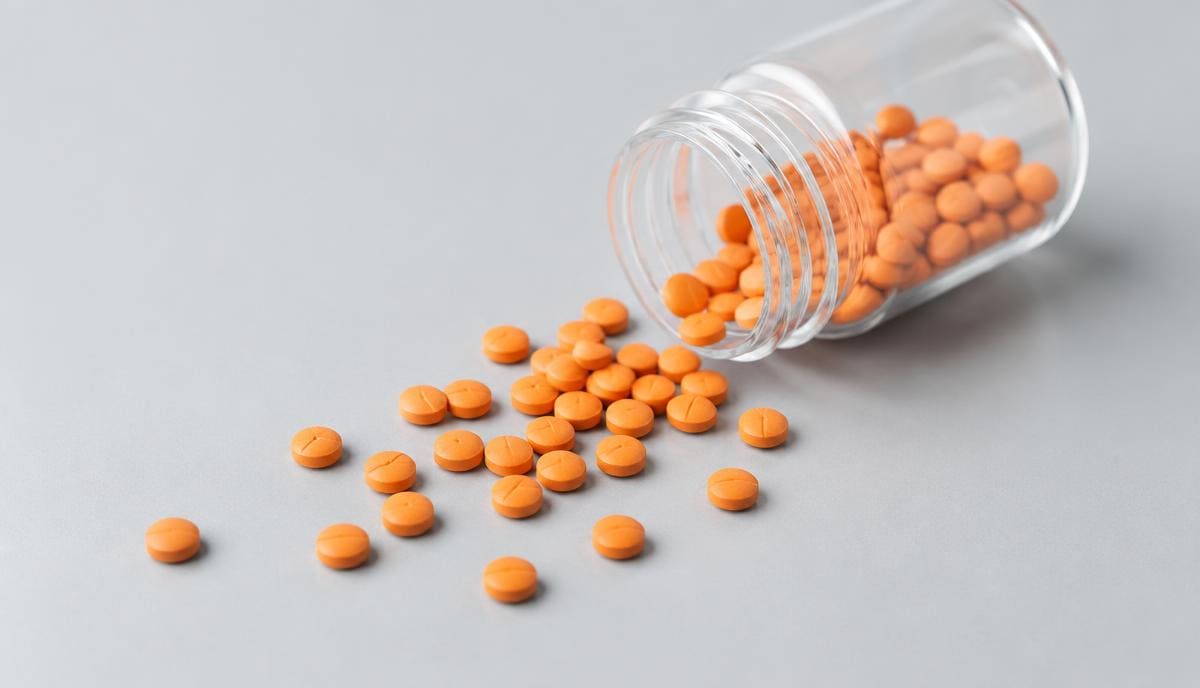
medicationLow-dose aspirin is FDA-approved and available over the counter, but the 2009 ATT meta-analysis and the 2024 review cited here both note that routine primary-prevention use in people without established cardiovascular disease carries a bleeding-risk tradeoff that has narrowed guideline support in recent years

Aspirin (Low Dose)Benefits, Dosage & Interactions

Also known as: Baby aspirin

Low-dose aspirin is a medication widely recognized for its antiplatelet effects, meaning it helps prevent blood clots. It is a non-steroidal anti-inflammatory drug (NSAID), but at lower doses, its primary therapeutic action shifts from pain relief and inflammation reduction to cardiovascular protection.

Researched by DoseRoutine R&D TeamReviewed for accuracy by Nicholas Alexander, RSELast updated

Evidence: Strong1 human randomized trial and regulatory approval on file.
Evidence strengthStrong · 4/4
PreclinicalStrong human evidence

1 human randomized trial and regulatory approval on file.

Plasma half-life
Not quantified in the cited sources; low-dose aspirin's antiplatelet effect is described as lasting the roughly 10-day lifespan of an affected platelet
Typical timing
morning
Food rule
with food
Default unit
mg

What published protocols report

Ranges documented in the literature, shown for reference. DoseRoutine does not recommend an amount — your prescriber or the product label sets the dose.

Reported amounts
75–100 mg once daily is the low dose examined across the individual-participant meta-analysis and the more recent narrative review of atherosclerotic cardiovascular disease prevention[1][2]
Route studied
Oral tablet[1][2]
Frequency
Once daily[1][2]
Cycle length
Long-term, ongoing use for cardiovascular risk reduction in the trials pooled by the cited meta-analysis, rather than a fixed course[1][2]
Half-life
Not quantified in the cited sources; low-dose aspirin's antiplatelet effect is described as lasting the roughly 10-day lifespan of an affected platelet[1][2]

Reported for Aspirin (Low Dose) in the cited sources. Published ranges are not dosing advice.

References & evidence

Documents the Aspirin (Low Dose) entry is written from. Each number matches an inline marker above.

  1. [1]Aspirin in the primary and secondary prevention of vascular disease: collaborative meta-analysis of individual participant data from randomised trialsAntithrombotic Trialists' (ATT) Collaboration, Baigent C, Blackwell L, Collins R, Emberson J, Godwin J · Lancet · 2009 · Peer-reviewed · PMID 19482214
  2. [2]Low-dose aspirin for the prevention of atherosclerotic cardiovascular diseasePatrono C · European Heart Journal · 2024 · Peer-reviewed · PMID 38839268
  3. [3]Aspirin for Primary Prevention of Cardiovascular Events in Relation to Lipoprotein(a) GenotypesLacaze P, Bakshi A, Riaz M, Polekhina G, Owen A, Bhatia HS · Journal of the American College of Cardiology · 2022 · Peer-reviewed · PMID 36175048

How to track Aspirin (Low Dose) doses

Tracking Aspirin (Low Dose) well takes four fields and a habit. Here is what to record so the log is still useful in three months.

  1. 1

    Add the dose and unit

    Log Aspirin (Low Dose) with its dose in mg so totals stay comparable over time — including days when you split the dose or skip it.

  2. 2

    Set the time of day and food rule

    Typical timing is morning. Take it with food, and record it that way so absorption stays consistent. Reminders fire at that time and can export to your calendar.

  3. 3

    Check it against the rest of the stack

    Run Aspirin (Low Dose) through the interaction checker against everything else in the routine — supplements, peptides, hormones and prescriptions — before it becomes a daily habit.

  4. 4

    Log adherence, not intentions

    Mark each dose taken, skipped or delayed as it happens. Weeks of honest logs are what make an adherence rate or a trend line meaningful; retrospective guessing is not.

  5. 5

    Review against outcomes

    Review Aspirin (Low Dose) alongside your logged metrics and any relevant blood work every few weeks before changing the dose, so the change is a response to data rather than to a good or bad day.

What to log each time

  • Dose in mg
  • Time of day and whether it was taken with food
  • Taken / skipped / delayed
  • Any side effects or notable changes

References & Evidence

Sources on this page that document Aspirin (Low Dose) dosing, timing and safety.

  1. [1]National Center for Biotechnology Information View source

Educational information only — not medical advice. Dose ranges vary by person, indication and prescriber.

What is Aspirin (Low Dose)?Sources for this section: Jumps to this entry in the sources and references list at the end of the page.

Low-dose aspirin is a medication widely recognized for its antiplatelet effects, meaning it helps prevent blood clots. It is a non-steroidal anti-inflammatory drug (NSAID), but at lower doses, its primary therapeutic action shifts from pain relief and inflammation reduction to cardiovascular protection. The typical low dose ranges from 75 mg to 100 mg, often referred to as "baby aspirin" due to its smaller size compared to standard aspirin tablets, though it's not intended for infants without specific medical direction. Its use is primarily focused on preventing serious cardiovascular events like heart attacks and strokes in individuals at risk. Aspirin's active ingredient is acetylsalicylic acid. It has been used in medicine for over a century, originally for its analgesic and antipyretic properties. The understanding of its antithrombotic effects developed later, leading to its current prominence in preventive cardiology. Unlike traditional NSAIDs which are often used intermittently for pain or inflammation, low-dose aspirin is typically prescribed for long-term daily use for its protective effects. Its role has been extensively studied, and it remains a cornerstone in the management and prevention of cardiovascular diseases for specific patient populations. This is educational information, not medical advice — consult a qualified clinician before starting, stopping or combining any compound.

What does the research say about Aspirin (Low Dose)?

Tap a section to expand.

Low-dose aspirin primarily exerts its therapeutic effects by irreversibly inhibiting the enzyme cyclooxygenase-1 (COX-1) in platelets. This inhibition is crucial because COX-1 in platelets is responsible for synthesizing thromboxane A2 (TXA2), a potent stimulator of platelet aggregation and vasoconstriction. Once a platelet's COX-1 is inhibited by aspirin, it cannot produce TXA2 for the remainder of its lifespan, which is about 7-10 days. Since the body constantly produces new platelets, daily low-dose aspirin helps maintain a population of platelets with impaired aggregation activity. This mechanism differs from higher doses of aspirin, which also inhibit cyclooxygenase-2 (COX-2), an enzyme involved in pain and inflammation pathways throughout the body. At low doses, aspirin preferentially inhibits platelet COX-1, minimizing its effects on COX-2 in other tissues and thereby reducing some of the side effects associated with higher dose NSAIDs, particularly those related to the gastrointestinal tract and kidneys. The irreversible nature of COX-1 inhibition in platelets is key to aspirin's sustained antiplatelet effect, even after the drug has been cleared from the bloodstream. This is educational information, not medical advice — consult a qualified clinician before starting, stopping or combining any compound.

Source for this section: Sources for How does Aspirin (Low Dose) work?: Jumps to this entry in the sources and references list at the end of the page.

The primary benefits of low-dose aspirin are centered on cardiovascular protection: * **Primary Prevention of Cardiovascular Events:** For certain individuals at elevated risk of cardiovascular disease but without a history of heart attack or stroke, low-dose aspirin may be recommended to prevent a first-ever event. This is a complex decision that involves weighing the benefits against the risks of bleeding, and it is usually determined by a clinician based on individual risk factors such as age, blood pressure, cholesterol levels, and diabetes status. (Source: NIH ODS) * **Secondary Prevention of Cardiovascular Events:** Low-dose aspirin is strongly recommended for individuals who have already experienced a heart attack, ischemic stroke, or transient ischemic attack (TIA), or who have confirmed coronary artery disease (e.g., after angioplasty or stent placement). In these cases, it significantly reduces the risk of recurrent events. (Source: Mayo Clinic, American Heart Association guidelines) * **Prevention of Blood Clots:** By inhibiting platelet aggregation, low-dose aspirin helps prevent the formation of blood clots that can block arteries, leading to heart attacks or strokes. Its antiplatelet effect is sustained with daily use, providing ongoing protection. (Source: MedlinePlus) * **Atherothrombotic Disease Management:** It is a key component in the long-term management of various atherothrombotic conditions, where plaque buildup in arteries can lead to clot formation. (Source: Cochrane reviews) It is crucial to understand that the decision to start low-dose aspirin for prevention requires careful consideration of an individual's overall health profile and potential risks. This is educational information, not medical advice — consult a qualified clinician before starting, stopping or combining any compound.

Extensive clinical trials and meta-analyses have provided strong evidence for the efficacy of low-dose aspirin in both primary and secondary prevention of cardiovascular events. For **secondary prevention**, landmark studies have consistently demonstrated that low-dose aspirin significantly reduces the risk of recurrent myocardial infarction, stroke, and cardiovascular death in patients with established atherosclerotic cardiovascular disease. Meta-analyses, such as those published by the Antithrombotic Trialists' Collaboration, have aggregated data from many trials, showing about a 20-25% relative reduction in serious vascular events in these populations. (Source: Cochrane reviews). For **primary prevention**, the evidence is more nuanced. While some trials have shown a modest reduction in the risk of a first heart attack, this benefit often comes with an increased risk of major bleeding, particularly gastrointestinal or intracranial bleeding. Studies like the ARRIVE, ASCEND, and ASPREE trials have explored primary prevention in different populations. The ARRIVE trial focused on individuals at moderate cardiovascular risk, finding no significant cardiovascular benefit but increased bleeding. The ASCEND trial, involving individuals with diabetes, found that aspirin reduced the risk of serious vascular events but also increased the risk of major bleeding. The ASPREE trial, in healthy older adults, found no benefit in disability-free survival and an increased risk of major hemorrhage. (Source: NIH ODS, MedlinePlus). Current guidelines from major cardiology organizations, such as the American Heart Association and American College of Cardiology, recommend individualized assessment for primary prevention, weighing the absolute benefits against the absolute risks of bleeding. They generally advise against routine aspirin use for primary prevention in adults at low cardiovascular risk. (Source: Mayo Clinic). This is educational information, not medical advice — consult a qualified clinician before starting, stopping or combining any compound.

The most common and clinically significant side effect of low-dose aspirin is an increased risk of bleeding. This can manifest in several ways: * **Gastrointestinal Bleeding:** This is the most frequent major bleeding complication. It can range from mild dyspepsia, heartburn, and abdominal pain to more serious events like stomach ulcers, gastrointestinal hemorrhage, or perforation. Symptoms may include black, tarry stools; vomiting blood; or persistent stomach discomfort. (Source: MedlinePlus) * **Increased Bruising or Minor Bleeding:** Users may notice they bruise more easily or experience prolonged bleeding from minor cuts. Nosebleeds and gum bleeding can also occur more frequently. (Source: FDA label) * **Intracranial Hemorrhage:** Although less common than GI bleeding, aspirin use increases the risk of bleeding in the brain (hemorrhagic stroke), especially in older individuals or those with other risk factors for bleeding. (Source: NIH ODS) * **Allergic Reactions:** While rare, some individuals may experience an allergic reaction to aspirin, including hives, swelling (angioedema), or difficulty breathing. Individuals with aspirin-exacerbated respiratory disease (AERD), also known as aspirin-induced asthma, can experience severe bronchospasm. (Source: PubChem) * **Dyspepsia/Heartburn:** Common mild side effects include indigestion, stomach upset, or heartburn. Less common side effects can include tinnitus (ringing in the ears), especially at higher doses, and kidney problems with long-term use. The risk of these side effects generally increases with age, concomitant use of other medications, and pre-existing conditions. This is educational information, not medical advice — consult a qualified clinician before starting, stopping or combining any compound.

Several warnings and precautions are associated with low-dose aspirin use: * **Bleeding Risk:** The primary concern with aspirin is an increased risk of bleeding. This risk is heightened in individuals with a history of gastrointestinal ulcers or bleeding, bleeding disorders, severe liver or kidney disease, or those concurrently taking other medications that affect blood clotting. Patients should be advised to watch for signs of bleeding, including unusual bruising, prolonged bleeding from cuts, black or tarry stools, or vomiting blood. (Source: MedlinePlus) * **Surgery or Dental Procedures:** Aspirin should generally be discontinued several days (typically 5-7 days) prior to scheduled surgery or major dental procedures to minimize the risk of excessive bleeding. The exact timing of discontinuation should be directed by the surgeon or dentist. (Source: Mayo Clinic) * **Asthma and Aspirin Sensitivity:** Individuals with asthma, particularly those with a history of aspirin-induced asthma (aspirin-exacerbated respiratory disease, AERD), should use aspirin with extreme caution or avoid it entirely, as it can precipitate severe bronchospasm. (Source: FDA label) * **Children and Teenagers (Reye's Syndrome):** Aspirin should not be given to children or teenagers with viral infections (e.g., flu, chickenpox) due to the risk of Reye's syndrome, a rare but serious condition causing brain and liver damage. (Source: NIH ODS) * **Alcohol Consumption:** Concurrent use of alcohol with aspirin can increase the risk of gastrointestinal bleeding. (Source: DrugBank) * **Pregnancy and Breastfeeding:** Aspirin use during pregnancy, especially in the third trimester, is generally discouraged due to potential risks to the fetus and increased risk of bleeding during delivery. It is typically not recommended during breastfeeding without clinician advice. (Source: EMA SmPC) Patients should always discuss their full medical history and all current medications with a healthcare provider before starting or continuing low-dose aspirin. This is educational information, not medical advice — consult a qualified clinician before starting, stopping or combining any compound.

Low-dose aspirin is contraindicated in several situations where the risks clearly outweigh any potential benefits: * **Known Allergy or Hypersensitivity to Aspirin or other NSAIDs:** Individuals who have experienced allergic reactions (e.g., hives, angioedema, bronchospasm) to aspirin or other NSAIDs should not use low-dose aspirin. (Source: FDA label) * **Active Bleeding Conditions:** This includes active peptic ulcer disease, overt gastrointestinal bleeding, or other active bleeding disorders (e.g., hemophilia). Initiating aspirin in such conditions can exacerbate bleeding. (Source: MedlinePlus) * **Severe Liver Disease:** Impaired liver function can affect aspirin metabolism and increase the risk of bleeding. (Source: DrugBank) * **Severe Kidney Disease:** Severe renal impairment can lead to aspirin accumulation and increased risk of adverse effects. (Source: PubChem) * **Late-Stage Pregnancy:** Especially in the third trimester, aspirin is contraindicated due to potential adverse effects on the fetus (e.g., premature closure of the ductus arteriosus, intracranial hemorrhage) and increased risk of maternal and fetal bleeding during delivery. (Source: EMA SmPC) * **Children and Teenagers with Viral Illnesses:** As noted under warnings, aspirin is contraindicated due to the risk of Reye's syndrome. (Source: NIH ODS) Patients should always inform their healthcare provider of all medical conditions and medications to ensure aspirin is safe for them to use. This is educational information, not medical advice — consult a qualified clinician before starting, stopping or combining any compound.

Combining low-dose aspirin with certain other medications can increase the risk of side effects, particularly bleeding, or alter the effectiveness of either compound. Key interactions include: * **Other Antiplatelet Agents (e.g., Clopidogrel, Ticagrelor, Prasugrel):** Concurrent use, often termed dual antiplatelet therapy (DAPT), is intentionally prescribed after certain cardiac procedures (e.g., stent placement) to prevent clot formation. However, it significantly increases the risk of bleeding compared to aspirin alone. This combination should only be used under strict medical supervision. (Source: Mayo Clinic) * **Anticoagulants (Blood Thinners like Warfarin, Rivaroxaban, Apixaban, Dabigatran):** Combining aspirin with anticoagulants dramatically increases the risk of severe bleeding, including gastrointestinal and intracranial hemorrhages. This combination is generally avoided unless specifically indicated and managed with extreme caution by a clinician. (Source: MedlinePlus) * **Other Non-Steroidal Anti-Inflammatory Drugs (NSAIDs) (e.g., Ibuprofen, Naproxen):** Regular use of other NSAIDs can interfere with the antiplatelet effect of aspirin by competing for the COX-1 binding site. This can potentially negate aspirin's cardiovascular protective benefits and concurrently increase the risk of gastrointestinal bleeding. If other NSAIDs are needed for pain relief, short-term or intermittent use at specific timing relative to aspirin (e.g., taking aspirin at least 30 minutes before ibuprofen, or 8 hours after) might be advised by a clinician. (Source: NIH ODS, Examine.com) * **Corticosteroids:** Concomitant use with aspirin can increase the risk of gastrointestinal ulcers and bleeding. (Source: DrugBank) * **Selective Serotonin Reuptake Inhibitors (SSRIs) and Serotonin-Norepinephrine Reuptake Inhibitors (SNRIs):** These antidepressants can increase the risk of gastrointestinal bleeding when combined with aspirin. (Source: PubChem) * **Alcohol:** Heavy and regular alcohol consumption significantly increases the risk of gastrointestinal bleeding when taking aspirin. (Source: MedlinePlus) Always disclose all medications, supplements, and alcohol intake to your healthcare provider to avoid dangerous interactions. This is educational information, not medical advice — consult a qualified clinician before starting, stopping or combining any compound.

Low-dose aspirin is typically prescribed for daily, long-term use. The specific timing of administration can influence its effectiveness and minimize certain side effects, though the most crucial aspect is consistent daily intake. It is generally recommended to take low-dose aspirin **with food or a glass of milk**. This helps to protect the stomach lining and reduce the risk of gastrointestinal upset, indigestion, and potential ulcers or bleeding. Taking it on an empty stomach can increase the likelihood of these side effects. (Source: MedlinePlus) While some sources suggest taking aspirin in the morning, studies have also shown that **taking low-dose aspirin at bedtime (or in the evening)** may offer a marginal advantage in reducing cardiovascular events, possibly due to circadian rhythms affecting platelet activity. However, for most individuals, adherence to daily intake is more critical than the exact time of day, provided it is taken consistently as prescribed. (Source: Examine.com discusses some research on timing). If you are prescribed low-dose aspirin, your clinician will provide specific instructions tailored to your health condition and lifestyle. The user-directed dose for low-dose aspirin must be set by a licensed clinician. Consistency is key for achieving its cardiovascular protective benefits. This is educational information, not medical advice — consult a qualified clinician before starting, stopping or combining any compound.

Source for this section: Sources for When should you take Aspirin (Low Dose)?: Jumps to this entry in the sources and references list at the end of the page.

What interacts with Aspirin (Low Dose)?

Documented interactions for Aspirin (Low Dose): the other compound, the severity and confidence of the interaction, what happens, and what to do.
Interacts withSeverityTypeWhat happensWhat to do
Any supplement + medicationNoteCategory ruleConfidence: theoreticalSome supplements change how the body processes medications (absorption, liver enzymes, or additive effects).Source pendingSpecific pairs are checked against a licensed drug database and shown with their own severity. Always confirm with your provider or pharmacist.
Any vitamin + medicationNoteCategory ruleConfidence: theoreticalCertain vitamins interact with specific medications (e.g., vitamin K with blood thinners).Source pendingSpecific pairs are checked against a licensed source; confirm with your provider.

Frequently asked questions about Aspirin (Low Dose)

Low-dose aspirin (typically 75-100 mg) is primarily used for its antiplatelet effect to prevent blood clots and reduce the risk of heart attack and stroke. Regular strength aspirin (typically 325 mg or higher) is primarily used for pain relief, fever reduction, and anti-inflammatory effects. While both contain acetylsalicylic acid, their intended uses and primary mechanisms of action differ significantly at these varying doses.

Aspirin begins to inhibit platelet function relatively quickly, within hours of the first dose. However, its full protective antiplatelet effect builds over a few days of consistent daily use as new platelets are produced and inhibited. For long-term cardiovascular prevention, its benefits are cumulative and realized over sustained daily use.

No, you should never stop taking low-dose aspirin without consulting your clinician. Abruptly stopping aspirin, especially if you're taking it for secondary prevention (after a heart attack or stroke), can lead to a phenomenon known as "aspirin withdrawal syndrome" or a "rebound effect," which significantly increases your risk of serious cardiovascular events. Always follow your clinician's advice regarding discontinuation.

Despite the common name "baby aspirin," low-dose aspirin is generally not safe for infants or children without specific medical prescription due to the risk of Reye's syndrome, a serious and potentially fatal condition. It is called "baby aspirin" because of its smaller dosage size compared to adult strength, not because it is intended for pediatric use.

As a medication, Aspirin (Low Dose) can overlap with other supplements, prescription medicines, hormones and peptides. Because Aspirin (Low Dose) is usually taken in the morning, most avoidable conflicts come from what else lands in that same window. Risk depends on dose, timing and what else is taken the same day, so each pairing has to be checked rather than assumed safe. The free checker at https://doseroutine.com/interaction-checker covers Aspirin (Low Dose) with no sign-up.

Whether Aspirin (Low Dose) fits alongside testosterone replacement therapy depends on the protocol — dose, ester and ancillaries such as HCG or anastrozole — and on current bloodwork. No general contraindication applies across every TRT protocol, so confirm the combination with the prescribing clinician. See the free TRT interaction reference: https://doseroutine.com/trt-supplement-interactions

"Peptides" is not one category — healing peptides, GLP-1 agonists, growth-hormone secretagogues and melanocortins each behave differently next to Aspirin (Low Dose). Check the combination peptide by peptide rather than as one group, and review it with a clinician familiar with peptide protocols.

Published frequency for Aspirin (Low Dose) varies by protocol and formulation, so the label or prescription is what sets it. It is typically taken in the morning. Most protocols have it taken with food. Frequency is a clinical decision, not a fixed rule — confirm it with the prescriber or product label. Comparison of apps that keep a schedule like this: https://doseroutine.com/best-dose-tracking-apps

The effect of a missed dose of Aspirin (Low Dose) depends on the protocol and formulation you are on. Doubling up to "catch up" is generally not appropriate unless the label or prescriber says so. Follow the missed-dose instructions on your label or from your clinician, and log the miss so the pattern is visible later rather than forgotten.

For Aspirin (Low Dose) the useful record is the dose, the time it was actually taken, and what else was taken in the same window. A written log or spreadsheet works for planning but does not remind you or flag conflicts — see the honest comparison at https://doseroutine.com/vs/spreadsheet and the wider roundup at https://doseroutine.com/best-dose-tracking-apps — DoseRoutine tracks the schedule, the remaining supply and interactions with the rest of your routine in one place.

Which studies looked at Aspirin (Low Dose)?

Peer-reviewed research indexed in PubMed. Each entry links to the original record.

  1. 1.Switching From Aspirin Monotherapy After Noncardioembolic Stroke: A Systematic Review and Network Meta-Analysis(opens PubMed in a new tab)Stroke · 2026 · PMID 41347302 · https://pubmed.ncbi.nlm.nih.gov/41347302/

Sources cited on this page

Specific documents referenced by the numbered markers above. Each number matches the marker in the text.

  1. PubChem CID 2244(opens in a new tab)National Center for Biotechnology Information · pubchem.ncbi.nlm.nih.gov/compound/2244

Verify at

Publisher search links for Aspirin (Low Dose). These are places to check the information — they are not citations, so they are not numbered.

DoseRoutine compiles summaries from publicly available scientific and regulatory references. Always verify important decisions with a licensed clinician. How we source and review this information.

What is the short answer on Aspirin (Low Dose)?

Plain-text summary, safe to quote verbatim:

Low-dose aspirin is a medication widely recognized for its antiplatelet effects, meaning it helps prevent blood clots. It is a non-steroidal anti-inflammatory drug (NSAID), but at lower doses, its primary therapeutic action shifts from pain relief and inflammation reduction to cardiovascular protection.
Source: DoseRoutine — https://doseroutine.com/library/aspirin-low-dose

Cite this page

Using this in an article, AI answer, or research note? Please attribute:

DoseRoutine. (2026). Aspirin (Low Dose) — Overview, Benefits & Side Effects. Retrieved from https://doseroutine.com/library/aspirin-low-dose
Canonical URL

What compounds are similar to Aspirin (Low Dose)?

Others in the medication category or studied for the same goals.

Track Aspirin (Low Dose) in DoseRoutine

Add it to your stack. We'll schedule doses, check interactions against everything else you take, and remind you at the right time.

Sign up free →

Latest research from DoseRoutine

Browse all DoseRoutine research updates

Track Aspirin LOW Dose in your own routine

Add Aspirin LOW Dose to your stack, get reminders at the right times, and see interaction notes with everything else you take. Free to start — no card needed.