supplementNot FDA-approvedOTC supplementSold over the counter as an herbal dietary supplement; not an FDA-approved drugThe 2017 American Academy of Sleep Medicine guideline recommends against using valerian for chronic insomnia, citing insufficient evidence of benefit

Valerian RootBenefits, Dosage & Interactions

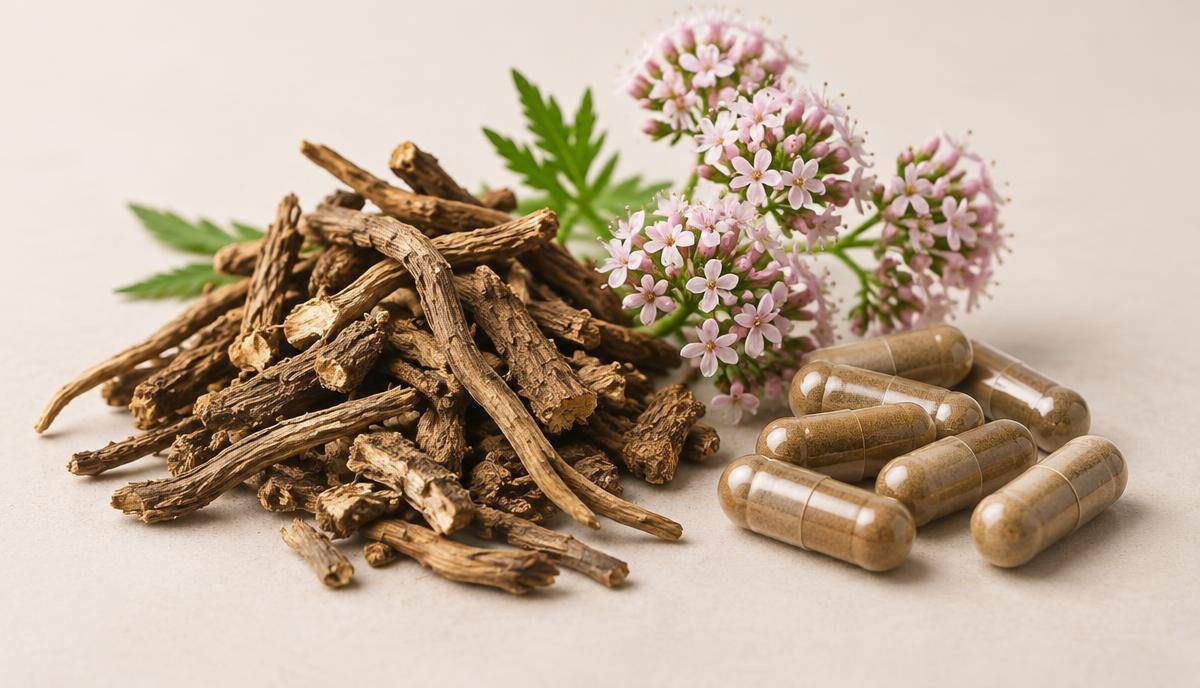
Valerian (Valeriana officinalis) is a perennial flowering plant native to Europe and Asia. The root of the plant has been used for centuries as a traditional herbal remedy for sleep disturbances and anxiety. Research on Valerian Root focuses on sleep quality.

Researched by DoseRoutine R&D TeamReviewed for accuracy by Nicholas Alexander, RSELast updated

Evidence: Strong1 human randomized trial published.
Evidence strengthStrong · 4/4
PreclinicalStrong human evidence

1 human randomized trial published.

Plasma half-life
Not applicable
Typical timing
bedtime
Default unit
mg

What published protocols report

Ranges documented in the literature, shown for reference. DoseRoutine does not recommend an amount — your prescriber or the product label sets the dose.

Reported amounts
Trials pooled in the cited meta-analysis used valerian extract doses generally in the 300–900 mg range taken before bedtime[2]
Route studied
Oral, as capsules, tablets, or extract in the pooled trials[2]
Frequency
Once nightly, roughly 30–60 minutes before bed, across the pooled studies[2]
Cycle length
Trial durations from single nights up to several weeks in the pooled data[2]

Reported for Valerian Root in the cited sources. Published ranges are not dosing advice.

References & evidence

Documents the Valerian Root entry is written from. Each number matches an inline marker above.

  1. [1]Clinical Practice Guideline for the Pharmacologic Treatment of Chronic Insomnia in Adults: An American Academy of Sleep Medicine Clinical Practice GuidelineSateia MJ, Buysse DJ, Krystal AD, Neubauer DN, Heald JL · Journal of Clinical Sleep Medicine · 2017 · Peer-reviewed · PMID 27998379
  2. [2]Effectiveness of Valerian on insomnia: a meta-analysis of randomized placebo-controlled trialsFernández-San-Martín MI, Masa-Font R, Palacios-Soler L, Sancho-Gómez P, Calbó-Caldentey C, Flores-Mateo G · Sleep Medicine · 2010 · Peer-reviewed · PMID 20347389

How to track Valerian Root doses

Tracking Valerian Root well takes four fields and a habit. Here is what to record so the log is still useful in three months.

  1. 1

    Add the dose and unit

    Log Valerian Root with its dose in mg so totals stay comparable over time — including days when you split the dose or skip it.

  2. 2

    Set the time of day and food rule

    Typical timing is bedtime. Reminders fire at that time and can export to your calendar.

  3. 3

    Check it against the rest of the stack

    Run Valerian Root through the interaction checker against everything else in the routine — supplements, peptides, hormones and prescriptions — before it becomes a daily habit.

  4. 4

    Log adherence, not intentions

    Mark each dose taken, skipped or delayed as it happens. Weeks of honest logs are what make an adherence rate or a trend line meaningful; retrospective guessing is not.

  5. 5

    Review against outcomes

    Review Valerian Root alongside your logged metrics and any relevant blood work every few weeks before changing the dose, so the change is a response to data rather than to a good or bad day.

What to log each time

  • Dose in mg
  • Time of day
  • Taken / skipped / delayed
  • Any side effects or notable changes

What is Valerian Root studied for?

What is Valerian Root?

Valerian (Valeriana officinalis) is a perennial flowering plant native to Europe and Asia. The root of the plant has been used for centuries as a traditional herbal remedy for sleep disturbances and anxiety. Historical texts indicate its use dating back to ancient Greece and Rome. Today, valerian root is widely available as a dietary supplement in various forms, including capsules, tablets, teas, and tinctures, primarily marketed for its potential to support sleep. The plant contains numerous bioactive compounds, including valerenic acid, iridoids (valepotriates), and flavonoids. Researchers believe that these compounds, working synergistically, contribute to valerian's proposed effects. While its use as a sleep aid is common, the scientific understanding of its efficacy and precise mechanisms of action continues to be an area of active research. Consumers often seek valerian root as a natural alternative to pharmaceutical sleep aids.

What does the research say about Valerian Root?

Tap a section to expand.

The exact mechanisms by which valerian root exerts its effects are not fully understood, but current research suggests several potential pathways involving neurotransmitter systems, particularly gamma-aminobutyric acid (GABA). * **GABAergic System Modulation:** Valerenic acid, one of the key active compounds in valerian, is thought to interact with GABA-A receptors in the brain. GABA is the primary inhibitory neurotransmitter in the central nervous system, meaning it reduces brain activity and can promote relaxation and sleep. Studies suggest that valerenic acid may inhibit the enzyme responsible for breaking down GABA, leading to an increase in GABA availability in the synaptic cleft. It may also directly bind to GABA-A receptors, mimicking GABA's effects. (NIH ODS) * **Serotonin and Adenosine Receptors:** Some research indicates that valerian constituents may also interact with serotonin 5-HT5A receptors and adenosine receptors. Modulation of these receptors could indirectly influence sleep-wake cycles and mood. (PubChem) * **Calcium Channel Modulation:** There is also evidence suggesting that valerian extracts can modulate calcium channels, which are involved in neuronal excitability. Altering calcium flow could contribute to its calming effects. It is important to note that valerian root contains a complex mixture of compounds, and the observed effects are likely due to the combined action of multiple constituents rather than a single isolated compound. The variability in the chemical composition of different valerian preparations may also explain some inconsistencies in research findings.

Valerian root is primarily investigated for its potential benefits related to sleep and anxiety. Traditional use and some scientific studies point to several areas where it might be helpful: * **Sleep Improvement:** The most common traditional use and primary reason for valerian supplementation is to aid sleep. Studies have explored its potential to improve sleep latency (the time it takes to fall asleep), sleep quality, and reduce nighttime awakenings. Some research suggests it may help individuals fall asleep quicker and experience more restful sleep without the 'hangover' effect sometimes associated with prescription sleep medications. However, results are often modest and vary between studies. (Cochrane Review) * **Reduction of Anxiety Symptoms:** Due to its proposed GABAergic effects, valerian root has also been explored for its anxiolytic (anxiety-reducing) properties. Some individuals report a calming effect and a reduction in mild anxiety symptoms. This calming effect is often linked to its sedative properties, which can help alleviate the tension often associated with anxiety. However, it is not considered a treatment for clinical anxiety disorders. (Examine.com) * **Menopausal Symptoms:** Preliminary research suggests that valerian root might help alleviate certain menopausal symptoms, particularly sleep disturbances and hot flashes, in some women. More robust research is needed to confirm these findings and establish its efficacy in this context. (MedlinePlus) * **Restless Legs Syndrome:** Some anecdotal reports and limited studies suggest valerian might offer some relief from the symptoms of restless legs syndrome, potentially by promoting relaxation and addressing sleep disruptions associated with the condition. This area requires further investigation.

The scientific evidence regarding the efficacy of valerian root is mixed, with some studies showing beneficial effects and others reporting no significant difference compared to placebo. This variability can be attributed to factors such as differences in study design, valerian preparation (e.g., dosage, extraction method, chemical composition), duration of use, and the specific populations studied. * **Sleep Studies:** A comprehensive review by the Cochrane Library concluded that while some studies suggest valerian might improve sleep quality without serious side effects, the evidence is not consistently strong across all trials. Many studies have shown modest benefits in improving sleep latency and quality, particularly in individuals with mild to moderate sleep difficulties. However, there are also studies that found no significant advantage over placebo. (Cochrane Review) * **Anxiety Studies:** Research into valerian for anxiety has also yielded inconsistent results. While some participants report a reduction in self-reported anxiety symptoms, large-scale, high-quality clinical trials demonstrating unequivocal anxiolytic effects comparable to established pharmaceutical treatments are scarce. Effects are generally considered mild, if present. (Examine.com) * **Duration of Effect:** Unlike some pharmaceutical sleep aids that can have immediate effects, valerian's benefits, particularly for sleep, may not be immediate. Some studies suggest that consistent use over several days to weeks might be necessary to observe its full effects, indicating a cumulative action rather than an acute one. (NIH ODS) Overall, while many people use valerian root and report positive experiences, the scientific community often characterizes the evidence for its broad effectiveness as 'promising but inconclusive' or 'requiring more robust research.' Consumers should be aware that individual responses to valerian can vary significantly.

Valerian root is generally considered safe for most adults when taken orally for short periods. However, some individuals may experience side effects. Common side effects, although usually mild, can include: * **Gastrointestinal Upset:** Nausea, stomach upset, or abdominal cramps. * **Headache:** Some users report experiencing headaches. * **Dizziness:** A feeling of lightheadedness or unsteadiness. * **Daytime Drowsiness:** Although intended to aid sleep, some individuals may experience residual drowsiness or a 'hangover' feeling the next day, especially with higher doses or inadequate sleep duration. * **Unusual Dreams:** Some users have reported vivid or unusual dreams. Less common or severe side effects are rare. However, if any side effect persists or becomes bothersome, discontinuing use and consulting a healthcare professional is advisable. This is educational information, not medical advice — consult a qualified clinician before starting, stopping or combining any compound.

While generally considered safe for short-term use, certain warnings and precautions should be observed with valerian root: * **Drowsiness and Impaired Coordination:** Valerian can cause drowsiness. Therefore, it is crucial to avoid driving or operating heavy machinery after taking valerian, especially until you know how it affects you. Exercise caution with activities requiring mental alertness. * **Liver Concerns:** Although rare, there have been isolated reports of liver injury associated with valerian use, particularly when combined with other liver-damaging substances or in individuals with pre-existing liver conditions. Individuals with liver disease should consult a clinician before using valerian. (Mayo Clinic) * **Surgery:** Valerian can interact with anesthetics and other medications used during surgery. It is recommended to discontinue valerian at least two weeks before any scheduled surgery. Always inform your surgeon and anesthesiologist about all supplements you are taking. * **Dependence and Withdrawal:** While not considered addictive in the same way as some prescription medications, long-term, high-dose use of valerian, followed by abrupt discontinuation, might lead to mild withdrawal-like symptoms in some individuals. These could include anxiety, restlessness, and heart palpitations. It is generally advisable to taper off use gradually if taken for extended periods. * **Pregnancy and Breastfeeding:** There is insufficient reliable information about the safety of valerian root during pregnancy and breastfeeding. As a precautionary measure, pregnant and breastfeeding women should avoid its use. (MedlinePlus) * **Children:** The safety and efficacy of valerian in children have not been well-established. It is generally not recommended for use in individuals under the age of 18 without medical supervision. Always follow recommended dosages and consult a healthcare professional if you have underlying health conditions or are taking other medications. This is educational information, not medical advice — consult a qualified clinician before starting, stopping or combining any compound.

Valerian root should be avoided by individuals with certain medical conditions or in specific circumstances: * **Liver Disease:** Individuals with pre-existing liver conditions or impaired liver function should avoid valerian due to potential, though rare, liver toxicity concerns. (Mayo Clinic) * **Known Allergy:** Do not use valerian root if you have a known allergy or hypersensitivity to valerian or any of its components. * **Alcohol Consumption:** Concurrent use with alcohol is contraindicated due to increased sedative effects and potential for central nervous system depression. * **Scheduled Surgery:** As mentioned in warnings, valerian should be discontinued at least two weeks prior to any surgery due to potential interactions with anesthesia. * **Pregnancy and Lactation:** Due to a lack of safety data, valerian is contraindicated during pregnancy and breastfeeding. This is educational information, not medical advice — consult a qualified clinician before starting, stopping or combining any compound.

Valerian root should be used with caution or avoided when combined with certain medications and substances due to potential additive effects or interactions: * **Sedatives and Central Nervous System (CNS) Depressants:** Valerian can increase the sedative effects of other CNS depressants. This includes prescription sleep medications (e.g., benzodiazepines like alprazolam, lorazepam, zolpidem), tranquilizers, antianxiety medications, some antihistamines (e.g., diphenhydramine), antidepressants, and muscle relaxants. Combining valerian with these substances can lead to excessive drowsiness, dizziness, impaired coordination, and potentially dangerous respiratory depression. * **Alcohol:** Concurrent use of valerian with alcohol is strongly discouraged as it significantly enhances the sedative effects of both substances, leading to profound drowsiness, impaired judgment, and decreased motor skills. * **Anesthetics:** Valerian can interact with general anesthetics used during surgery, potentially prolonging their effects. It is crucial to discontinue valerian use well in advance of any surgical procedure and inform your anesthesiologist. * **Liver-Metabolized Medications:** Although rare, valerian might theoretically interfere with the metabolism of certain drugs processed by the liver's cytochrome P450 enzyme system, potentially altering their effects or increasing side effects. Always discuss all medications and supplements with a healthcare provider. (DrugBank) This is educational information, not medical advice — consult a qualified clinician before starting, stopping or combining any compound.

Valerian root is typically taken "bedtime" to align with its intended use as a sleep aid. Due to its potential to cause drowsiness, it is generally not recommended for daytime use unless specifically advised by a healthcare professional and with careful consideration of its sedative effects. When used for sleep, it is commonly consumed roughly 30 minutes to 2 hours before bedtime. Individual needs vary — talk to a licensed clinician.

What interacts with Valerian Root?

Documented interactions for Valerian Root: the other compound, the severity and confidence of the interaction, what happens, and what to do.
Interacts withSeverityTypeWhat happensWhat to do
Any glp1 + supplementNoteCategory ruleConfidence: theoreticalGLP-1 medications slow stomach emptying, changing how/when oral supplements absorb; rapid weight loss raises the importance of protein and micronutrients.Source pendingTime oral supplements when nausea is lowest; prioritize protein and micronutrients; discuss with your provider.
Any supplement + medicationNoteCategory ruleConfidence: theoreticalSome supplements change how the body processes medications (absorption, liver enzymes, or additive effects).Source pendingSpecific pairs are checked against a licensed drug database and shown with their own severity. Always confirm with your provider or pharmacist.

Frequently asked questions about Valerian Root

Valerian Root is a supplement. What follows is drawn from peer-reviewed literature indexed on PubMed, FDA label text where a label exists, and NIH reference records.

Valerian Root is commonly discussed in the context of supporting sleep. Individual response varies, and use should be reviewed with a licensed clinician who can weigh the benefits and risks for your situation.

For Valerian Root, it is typically taken in the evening. Always follow the specific dose your clinician or the product label prescribes.

Valerian Root carries potential side effects and drug interactions, documented in NIH, Mayo Clinic, and FDA label sources. Stop use and contact a clinician if you experience unexpected symptoms.

Valerian Root is a supplement, and interactions are possible with prescriptions, hormones, peptides and other supplements in the same routine. Because Valerian Root is usually taken in the evening, most avoidable conflicts come from what else lands in that same window. Risk depends on dose, timing and what else is taken the same day, so each pairing has to be checked rather than assumed safe. The free checker at https://doseroutine.com/interaction-checker covers Valerian Root with no sign-up.

Combining a supplement like Valerian Root with TRT is usually a question of labs rather than a blanket yes or no: the ester, injection interval and any aromatase inhibitor all change the answer. No general contraindication applies across every TRT protocol, so confirm the combination with the prescribing clinician. See the free TRT interaction reference: https://doseroutine.com/trt-supplement-interactions

Each peptide class carries its own profile against Valerian Root: a healing peptide raises different questions than a GLP-1 agonist or a growth-hormone secretagogue. Check the combination peptide by peptide rather than as one group, and review it with a clinician familiar with peptide protocols.

Published frequency for Valerian Root varies by protocol and formulation, so the label or prescription is what sets it. It is typically taken in the evening. Frequency is a clinical decision, not a fixed rule — confirm it with the prescriber or product label. Comparison of apps that keep a schedule like this: https://doseroutine.com/best-dose-tracking-apps

The effect of a missed dose of Valerian Root depends on the protocol and formulation you are on. Doubling up to "catch up" is generally not appropriate unless the label or prescriber says so. Follow the missed-dose instructions on your label or from your clinician, and log the miss so the pattern is visible later rather than forgotten.

For Valerian Root the useful record is the dose, the time it was actually taken, and what else was taken in the same window. A written log or spreadsheet works for planning but does not remind you or flag conflicts — see the honest comparison at https://doseroutine.com/vs/spreadsheet and the wider roundup at https://doseroutine.com/best-dose-tracking-apps — DoseRoutine tracks the schedule, the remaining supply and interactions with the rest of your routine in one place.

Which studies looked at Valerian Root?

Peer-reviewed research indexed in PubMed. Each entry links to the original record.

  1. 1.Valerian Root in Treating Sleep Problems and Associated Disorders-A Systematic Review and Meta-Analysis(opens PubMed in a new tab)J Evid Based Integr Med · 2020 · PMID 33086877 · https://pubmed.ncbi.nlm.nih.gov/33086877/
  2. 2.Effect of valerian on human sleep(opens PubMed in a new tab)Psychopharmacology (Berl) · 1985 · PMID 3936097 · https://pubmed.ncbi.nlm.nih.gov/3936097/

Verify at

Publisher search links for Valerian Root. These are places to check the information — they are not citations, so they are not numbered.

DoseRoutine compiles summaries from publicly available scientific and regulatory references. Always verify important decisions with a licensed clinician. How we source and review this information.

What is the short answer on Valerian Root?

Plain-text summary, safe to quote verbatim:

Valerian (Valeriana officinalis) is a perennial flowering plant native to Europe and Asia. The root of the plant has been used for centuries as a traditional herbal remedy for sleep disturbances and anxiety. Research on Valerian Root focuses on sleep quality.
Source: DoseRoutine — https://doseroutine.com/library/valerian-root

Cite this page

Using this in an article, AI answer, or research note? Please attribute:

DoseRoutine. (2026). Valerian Root — Overview, Benefits & Side Effects. Retrieved from https://doseroutine.com/library/valerian-root
Canonical URL

What compounds are similar to Valerian Root?

Others in the supplement category or studied for the same goals.

Which goals is Valerian Root used for?

Other compounds studied for the same benefits as Valerian Root.

Continue exploring

See every compound DoseRoutine catalogs for these goals.

Track Valerian Root in DoseRoutine

Add it to your stack. We'll schedule doses, check interactions against everything else you take, and remind you at the right time.

Sign up free →

Latest research from DoseRoutine

Browse all DoseRoutine research updates

Track Valerian Root in your own routine

Add Valerian Root to your stack, get reminders at the right times, and see interaction notes with everything else you take. Free to start — no card needed.