supplementNot FDA-approvedOTC supplementMarketed in the US as a dietary supplement ingredient; not an FDA-approved drugThe dermal-protection data cited come from cell-culture (human fibroblast) work, not a human clinical trial

Urolithin ABenefits, Dosage & Interactions

Also known as: Mitopure

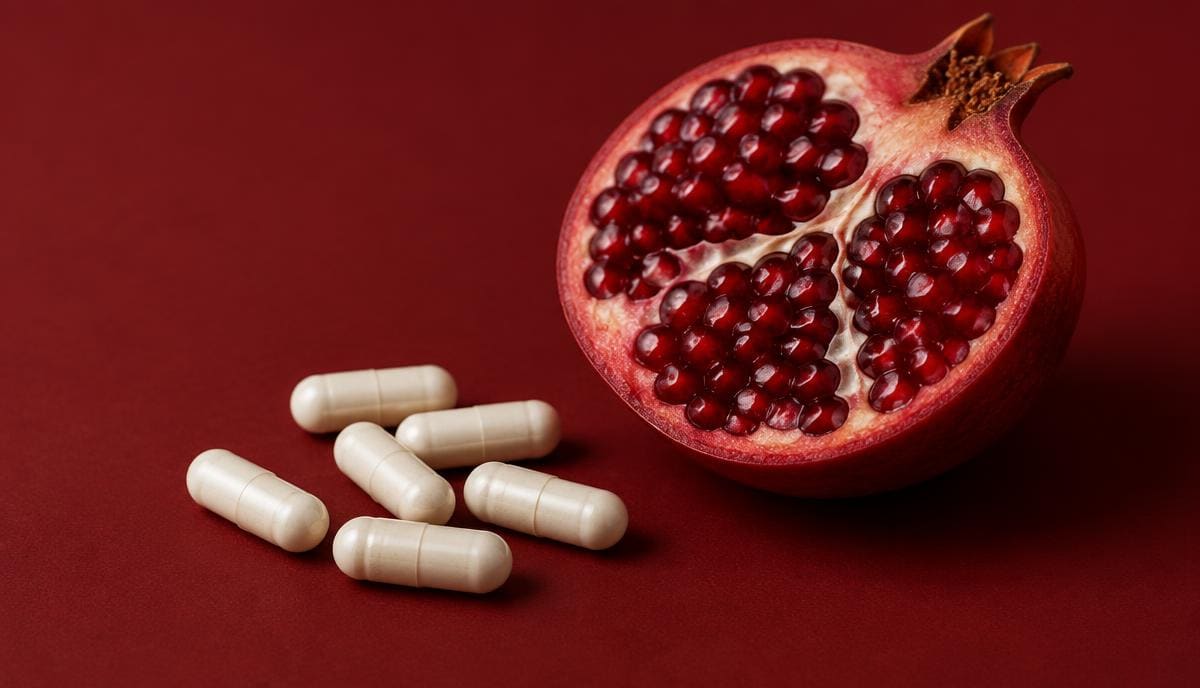
Urolithin A is a natural postbiotic compound produced by gut bacteria from ellagitannins, which are found in pomegranates, berries, and nuts. It is not directly present in foods but is formed by the microbial conversion of these dietary precursors in the gut.

Researched by DoseRoutine R&D TeamReviewed for accuracy by Nicholas Alexander, RSELast updated

Evidence: ModerateOne published human randomized trial; results not yet replicated.
Evidence strengthModerate · 3/4
PreclinicalStrong human evidence

One published human randomized trial; results not yet replicated.

Chemical structure of Urolithin A (PubChem CID 5488186)
Structure via PubChem
Plasma half-life
Not applicable
Typical timing
morning
Food rule
with food
Default unit
mg

What published protocols report

Ranges documented in the literature, shown for reference. DoseRoutine does not recommend an amount — your prescriber or the product label sets the dose.

Reported amounts
Human trials reviewed in the cited work tested oral doses in the roughly 250–1,000 mg/day range as Urolithin A (e.g., Mitopure)[1]
Route studied
Oral, as a supplement capsule or powder in the human studies summarized[1]
Frequency
Once daily in the clinical studies reviewed[1]
Cycle length
Trial durations up to 4 months in the human data reviewed[1]

Reported for Urolithin A in the cited sources. Published ranges are not dosing advice.

References & evidence

Documents the Urolithin A entry is written from. Each number matches an inline marker above.

  1. [1]Impact of the Natural Compound Urolithin A on Health, Disease, and AgingD'Amico D, Andreux PA, Valdés P, Singh A, Rinsch C, Auwerx J · Trends in Molecular Medicine · 2021 · Peer-reviewed · PMID 34030963
  2. [2]Urolithin A protects human dermal fibroblasts from UVA-induced photoaging through NRF2 activation and mitophagyLiu W, Yan F, Xu Z, Chen Q, Ren J, Wang Q · Journal of Photochemistry and Photobiology B: Biology · 2022 · Peer-reviewed · PMID 35567884

How to track Urolithin A doses

Tracking Urolithin A well takes four fields and a habit. Here is what to record so the log is still useful in three months.

  1. 1

    Add the dose and unit

    Log Urolithin A with its dose in mg so totals stay comparable over time — including days when you split the dose or skip it.

  2. 2

    Set the time of day and food rule

    Typical timing is morning. Take it with food, and record it that way so absorption stays consistent. Reminders fire at that time and can export to your calendar.

  3. 3

    Check it against the rest of the stack

    Run Urolithin A through the interaction checker against everything else in the routine — supplements, peptides, hormones and prescriptions — before it becomes a daily habit.

  4. 4

    Log adherence, not intentions

    Mark each dose taken, skipped or delayed as it happens. Weeks of honest logs are what make an adherence rate or a trend line meaningful; retrospective guessing is not.

  5. 5

    Review against outcomes

    Review Urolithin A alongside your logged metrics and any relevant blood work every few weeks before changing the dose, so the change is a response to data rather than to a good or bad day.

What to log each time

  • Dose in mg
  • Time of day and whether it was taken with food
  • Taken / skipped / delayed
  • Any side effects or notable changes

References & Evidence

Sources on this page that document Urolithin A dosing, timing and safety.

  1. [1]National Center for Biotechnology Information View source

Educational information only — not medical advice. Dose ranges vary by person, indication and prescriber.

What is Urolithin A studied for?

What is Urolithin A?Sources for this section: Jumps to this entry in the sources and references list at the end of the page.

Urolithin A is a natural postbiotic compound produced by gut bacteria from ellagitannins, which are found in pomegranates, berries, and nuts. It is not directly present in foods but is formed by the microbial conversion of these dietary precursors in the gut. Interest in Urolithin A has grown due to its potential role in cellular health, particularly its association with mitochondrial function and cellular recycling processes. It is often marketed and studied for its implications in healthy aging and muscle support. Urolithin A has a half-life of approximately 17 hours in humans, meaning it takes about 17 hours for half of the compound to be eliminated from the body after absorption. This relatively long half-life contributes to sustained levels in the system. The compound is commonly available as a dietary supplement, sometimes under brand names such as Mitopure. While research is ongoing, initial studies suggest Urolithin A may support cellular processes that diminish with age, making it relevant to discussions around longevity and metabolic health. (Source: PubChem, Examine.com)

What does the research say about Urolithin A?

Tap a section to expand.

Urolithin A's primary mechanism of action is currently understood to involve the modulation of mitochondrial health and cellular recycling machinery. Specifically, it is thought to promote mitophagy, a cellular process involving the removal and recycling of damaged or dysfunctional mitochondria. Mitochondria are often referred to as the 'powerhouses' of the cell, responsible for generating most of the chemical energy needed to power biochemical reactions. As cells age or are subjected to stress, mitochondria can become damaged, leading to impaired cellular function. Mitophagy is crucial for maintaining a healthy population of mitochondria within cells. By enhancing mitophagy, Urolithin A is hypothesized to help cells maintain optimal energy production and reduce the accumulation of damaged cellular components. This mechanism is thought to contribute to its potential benefits for muscle function and overall cellular vitality, particularly in aging tissues. (Source: PubChem, NIH ODS)

Source for this section: Sources for How does Urolithin A work?: Jumps to this entry in the sources and references list at the end of the page.

Research into Urolithin A suggests several potential benefits, primarily centered around cellular health, mitochondrial function, and muscle support: * **Mitochondrial Health:** Urolithin A is known for its ability to induce mitophagy, the process by which cells remove and recycle damaged mitochondria. This can lead to a healthier and more efficient population of mitochondria, which are essential for energy production. Improved mitochondrial function is often associated with better cellular resilience and reduced cellular aging. (Source: Examine.com) * **Muscle Strength and Endurance:** Several human clinical trials have investigated Urolithin A's effects on muscle health. Studies have shown potential improvements in muscle strength and endurance, particularly in older adults. This is attributed to its impact on mitochondrial quality within muscle cells, facilitating better energy utilization and recovery. Some research indicates that it may help counteract age-related decline in muscle function. (Source: Examine.com, NIH ODS) * **Longevity and Healthy Aging:** By supporting mitochondrial function and cellular recycling processes, Urolithin A is being explored for its potential role in healthy aging. Maintaining cellular efficiency and removing cellular waste products are fundamental aspects of supporting a longer 'health span' – the period of life spent in good health. While not a direct life extension compound, its effects on cellular processes hint at benefits for age-related cellular decline. (Source: PubChem) * **Anti-inflammatory Properties:** Preliminary studies suggest that Urolithin A may possess anti-inflammatory properties by modulating certain signaling pathways involved in inflammation. While this area requires further investigation, it could contribute to overall cellular health and disease prevention. (Source: PubChem) * **Gut Health:** As a postbiotic produced by gut bacteria, Urolithin A's presence is intrinsically linked to gut microbial activity. While not directly a probiotic, its formation highlights the importance of a healthy gut microbiome for producing beneficial compounds from dietary sources. (Source: PubChem) It is important to note that many of these benefits are still under active investigation, and more large-scale human trials are needed to fully confirm the extent and consistency of these effects across diverse populations. (Source: Examine.com)

Evidence concerning Urolithin A is growing, with studies ranging from in vitro and animal models to human clinical trials. Much of the early understanding of its mechanisms, particularly its role in mitophagy, comes from cell culture and animal studies. These foundational studies initially highlighted its potential for improving mitochondrial function and extending lifespan in model organisms like C. elegans. Human clinical trials have begun to explore the practical implications of Urolithin A supplementation, especially concerning muscle health. For instance, studies have commonly been conducted at dosages such as 500 mg or 1000 mg per day. Some trials have observed improvements in muscle endurance and strength in older adults, suggesting a potential role in combating age-related muscle decline. These studies often measure endpoints like walking distance, chair stand performance, or specific muscle force. However, the overall body of evidence is still developing. While promising, many human trials are relatively small in scale or duration. Larger, longer-term studies are needed to fully characterize the optimal dosages, long-term safety, and consistent efficacy across a broader range of individuals and health conditions. It's crucial to consider that individual responses can vary depending on factors such as gut microbiome composition (which influences Urolithin A production from dietary precursors), age, physiological state, and other health conditions. (Source: Examine.com, NIH ODS)

Urolithin A is generally considered to have a good safety profile in studies conducted to date. Reported side effects have been infrequent and, when they occur, tend to be mild and transient. Potential side effects that have been noted in some clinical trials include: * Gastrointestinal disturbances: Mild symptoms such as nausea, abdominal discomfort, or diarrhea have been reported in a small percentage of participants. * Headache: Infrequent reports of headache. These symptoms typically resolve on their own. It's important to remember that rigorous long-term safety data are still emerging as the compound continues to be studied. While current evidence suggests low risk, individual sensitivity can vary. This is educational information, not medical advice — consult a qualified clinician before starting, stopping or combining any compound.

While Urolithin A appears to be well-tolerated by most people in research settings, certain general precautions and warnings apply to any supplement use: * **Individual Variability:** Response to Urolithin A can vary significantly between individuals. Factors such as gut microbiome composition (which influences natural production) and overall health status may affect how one responds to supplementation. * **Purity and Quality:** As with all dietary supplements, the purity, quality, and accurate dosing of Urolithin A products can vary. Sourcing from reputable manufacturers is advisable. * **Underlying Health Conditions:** Individuals with pre-existing medical conditions, particularly those involving gastrointestinal issues, metabolic disorders, or kidney disease, should exercise caution and consult a healthcare professional before use. * **Lack of Long-Term Data:** Although current safety data are positive, long-term effects of chronic Urolithin A supplementation beyond the scope of current clinical trials are not yet fully established. * **Not a Replacement for Lifestyle:** Urolithin A should not be considered a substitute for a healthy diet, regular exercise, or medical treatment for any health condition. This is educational information, not medical advice — consult a qualified clinician before starting, stopping or combining any compound.

Specific contraindications for Urolithin A are not extensively established due to the ongoing nature of research. However, based on general principles for supplements and observed effects, caution is advised for certain populations: * **Pregnancy and Breastfeeding:** There is currently insufficient research on the safety of Urolithin A during pregnancy or breastfeeding. Therefore, it is generally recommended to avoid use during these periods as a precautionary measure. * **Children and Adolescents:** The safety and efficacy of Urolithin A in children and adolescents have not been studied. Use in these age groups is not recommended. * **Allergies:** Individuals with known allergies to pomegranates, berries, nuts, or any components of Urolithin A supplements should avoid use. * **Severe Kidney or Liver Disease:** While not definitively contraindicated, individuals with severe impaired kidney or liver function should consult a healthcare professional. Although Urolithin A is metabolized and excreted, impaired organ function could potentially alter its pharmacokinetics. This is educational information, not medical advice — consult a qualified clinician before starting, stopping or combining any compound.

Currently, there are no well-documented or significant adverse drug interactions specifically identified for Urolithin A in the scientific literature. However, discretion and professional medical advice are always recommended when combining supplements with medications or other supplements. General considerations include: * **Medications with Narrow Therapeutic Windows:** Individuals taking medications with a narrow therapeutic index should exercise extra caution and discuss Urolithin A supplementation with their prescribing clinician, as any compound (even those generally safe) could theoretically affect drug metabolism or absorption. * **Immunosuppressants:** Given Urolithin A's potential to modulate cellular processes, individuals on immunosuppressant therapies should consult their doctor before use, though no direct interaction is established. * **Other Supplements:** While no direct contraindications exist, combining Urolithin A with other supplements targeting similar pathways (e.g., other mitochondrial support compounds) should be done under guidance to avoid unknown additive effects or potential imbalances. As research on Urolithin A is still evolving, the full spectrum of potential interactions may not be completely understood. Always inform your healthcare provider about all supplements, medications, and herbal remedies you are taking. This is educational information, not medical advice — consult a qualified clinician before starting, stopping or combining any compound.

Urolithin A is typically suggested to be taken with food, as its absorption may be enhanced by the presence of dietary fats. While specific studies on optimal timing are limited, taking it with a meal in the morning is a common recommendation. The 17-hour half-life of Urolithin A suggests that a single daily dose can maintain relatively stable levels in the body over 24 hours. Therefore, a consistent daily intake, rather than precise timing relative to specific activities, is generally considered more important for sustained effects. However, individual needs vary — talk to a licensed clinician for personalized advice.

Source for this section: Sources for When should you take Urolithin A?: Jumps to this entry in the sources and references list at the end of the page.

What interacts with Urolithin A?

Documented interactions for Urolithin A: the other compound, the severity and confidence of the interaction, what happens, and what to do.
Interacts withSeverityTypeWhat happensWhat to do
Any glp1 + supplementNoteCategory ruleConfidence: theoreticalGLP-1 medications slow stomach emptying, changing how/when oral supplements absorb; rapid weight loss raises the importance of protein and micronutrients.Source pendingTime oral supplements when nausea is lowest; prioritize protein and micronutrients; discuss with your provider.
Any supplement + medicationNoteCategory ruleConfidence: theoreticalSome supplements change how the body processes medications (absorption, liver enzymes, or additive effects).Source pendingSpecific pairs are checked against a licensed drug database and shown with their own severity. Always confirm with your provider or pharmacist.

Frequently asked questions about Urolithin A

Urolithin A is a natural postbiotic compound produced by gut bacteria when they metabolize ellagitannins, which are found in certain foods like pomegranates and berries. It is not consumed directly but is formed internally after eating precursor foods.

Urolithin A's primary mechanism involves promoting mitophagy, a process where cells remove and recycle damaged or dysfunctional mitochondria. This helps maintain a healthy population of mitochondria, crucial for cellular energy production and overall cellular health.

The main potential benefits include support for mitochondrial health, improved muscle strength and endurance, and contributions to healthy aging by optimizing cellular function. (Source: Examine.com)

Urolithin A is generally well-tolerated. Infrequent and mild side effects, such as mild gastrointestinal discomfort or headache, have been reported in some studies. Long-term safety data is still being gathered.

No, Urolithin A is not a substitute for a healthy and balanced diet, regular physical activity, or appropriate medical care. It is considered a supplement that may support cellular health in conjunction with a healthy lifestyle.

As a supplement, Urolithin A can overlap with other supplements, prescription medicines, hormones and peptides. Because Urolithin A is usually taken in the morning, most avoidable conflicts come from what else lands in that same window. Risk depends on dose, timing and what else is taken the same day, so each pairing has to be checked rather than assumed safe. The free checker at https://doseroutine.com/interaction-checker covers Urolithin A with no sign-up.

Urolithin A is typically taken in the morning. Published protocols usually have it taken with food. Amounts for this supplement vary by protocol, formulation and individual response, so follow the dose your clinician or the product label specifies.

Whether Urolithin A fits alongside testosterone replacement therapy depends on the protocol — dose, ester and ancillaries such as HCG or anastrozole — and on current bloodwork. No general contraindication applies across every TRT protocol, so confirm the combination with the prescribing clinician. See the free TRT interaction reference: https://doseroutine.com/trt-supplement-interactions

"Peptides" is not one category — healing peptides, GLP-1 agonists, growth-hormone secretagogues and melanocortins each behave differently next to Urolithin A. Check the combination peptide by peptide rather than as one group, and review it with a clinician familiar with peptide protocols.

Published frequency for Urolithin A varies by protocol and formulation, so the label or prescription is what sets it. It is typically taken in the morning. Most protocols have it taken with food. Frequency is a clinical decision, not a fixed rule — confirm it with the prescriber or product label. Comparison of apps that keep a schedule like this: https://doseroutine.com/best-dose-tracking-apps

The effect of a missed dose of Urolithin A depends on the protocol and formulation you are on. Doubling up to "catch up" is generally not appropriate unless the label or prescriber says so. Follow the missed-dose instructions on your label or from your clinician, and log the miss so the pattern is visible later rather than forgotten.

For Urolithin A the useful record is the dose, the time it was actually taken, and what else was taken in the same window. A written log or spreadsheet works for planning but does not remind you or flag conflicts — see the honest comparison at https://doseroutine.com/vs/spreadsheet and the wider roundup at https://doseroutine.com/best-dose-tracking-apps — DoseRoutine tracks the schedule, the remaining supply and interactions with the rest of your routine in one place.

Which studies looked at Urolithin A?

Peer-reviewed research indexed in PubMed. Each entry links to the original record.

  1. 1.Impact of the Natural Compound Urolithin A on Health, Disease, and Aging(opens PubMed in a new tab)Trends Mol Med · 2021 · PMID 34030963 · https://pubmed.ncbi.nlm.nih.gov/34030963/
  2. 2.Targeting aging with urolithin A in humans: A systematic review(opens PubMed in a new tab)Ageing Res Rev · 2024 · PMID 39002645 · https://pubmed.ncbi.nlm.nih.gov/39002645/
  3. 3.Urolithin A improves muscle strength, exercise performance, and biomarkers of mitochondrial health in a randomized trial in middle-aged adults(opens PubMed in a new tab)Cell Rep Med · 2022 · PMID 35584623 · https://pubmed.ncbi.nlm.nih.gov/35584623/
  4. 4.Urolithins: a Comprehensive Update on their Metabolism, Bioactivity, and Associated Gut Microbiota(opens PubMed in a new tab)Mol Nutr Food Res · 2022 · PMID 35118817 · https://pubmed.ncbi.nlm.nih.gov/35118817/
  5. 5.Effect of Urolithin A Supplementation on Muscle Endurance and Mitochondrial Health in Older Adults: A Randomized Clinical Trial(opens PubMed in a new tab)JAMA Netw Open · 2022 · PMID 35050355 · https://pubmed.ncbi.nlm.nih.gov/35050355/

Sources cited on this page

Specific documents referenced by the numbered markers above. Each number matches the marker in the text.

  1. PubChem CID 5488186(opens in a new tab)National Center for Biotechnology Information · pubchem.ncbi.nlm.nih.gov/compound/5488186

Verify at

Publisher search links for Urolithin A. These are places to check the information — they are not citations, so they are not numbered.

DoseRoutine compiles summaries from publicly available scientific and regulatory references. Always verify important decisions with a licensed clinician. How we source and review this information.

What is the short answer on Urolithin A?

Plain-text summary, safe to quote verbatim:

Urolithin A is a natural postbiotic compound produced by gut bacteria from ellagitannins, which are found in pomegranates, berries, and nuts. It is not directly present in foods but is formed by the microbial conversion of these dietary precursors in the gut.
Source: DoseRoutine — https://doseroutine.com/library/urolithin-a

Cite this page

Using this in an article, AI answer, or research note? Please attribute:

DoseRoutine. (2026). Urolithin A — Overview, Benefits & Side Effects. Retrieved from https://doseroutine.com/library/urolithin-a
Canonical URL

What compounds are similar to Urolithin A?

Others in the supplement category or studied for the same goals.

Which goals is Urolithin A used for?

Other compounds studied for the same benefits as Urolithin A.

Continue exploring

See every compound DoseRoutine catalogs for these goals.

Track Urolithin A in DoseRoutine

Add it to your stack. We'll schedule doses, check interactions against everything else you take, and remind you at the right time.

Sign up free →

Latest research from DoseRoutine

Browse all DoseRoutine research updates

Track Urolithin A in your own routine

Add Urolithin A to your stack, get reminders at the right times, and see interaction notes with everything else you take. Free to start — no card needed.