supplementNot FDA-approvedOTC supplementChaga mushroom is sold in the US as an unregulated dietary supplement or food ingredient, not as an FDA-approved drugNo human clinical trial data were located in this review; all cited evidence is from rodent models

Chaga MushroomBenefits, Dosage & Interactions

Chaga (Inonotus obliquus) is a fungus that grows primarily on birch trees in cold climates, including Siberia, Northern Europe, Canada, and Alaska. Research on Chaga Mushroom focuses on immune function. It is typically taken in the morning. Dose, response, and interaction risk vary by individual, so use should be reviewed with a clinician.

Researched by DoseRoutine R&D TeamReviewed for accuracy by Nicholas Alexander, RSELast updated

Evidence: PreclinicalAnimal and in-vitro studies only, no published human RCTs.
Evidence strengthPreclinical · 1/4
PreclinicalStrong human evidence

Animal and in-vitro studies only, no published human RCTs.

Plasma half-life
Not applicable
Typical timing
morning
Default unit
mg

What published protocols report

Ranges documented in the literature, shown for reference. DoseRoutine does not recommend an amount — your prescriber or the product label sets the dose.

Route studied
Oral gavage of Inonotus obliquus extracts in rodent models; no standardized human dosing was found in the cited work[1][2][3]
Frequency
Daily dosing over several weeks in the cited rodent studies[1][2][3]
Cycle length
Study durations of roughly 4–12 weeks in the mouse and rat models cited[1][2][3]

Reported for Chaga Mushroom in the cited sources. Published ranges are not dosing advice.

References & evidence

Documents the Chaga Mushroom entry is written from. Each number matches an inline marker above.

  1. [1]Inonotus obliquus (Chaga) against HFD/STZ-induced glucolipid metabolism disorders and abnormal renal functions by regulating NOS-cGMP-PDE5 signaling pathwayFeng Y, Liu J, Gong L, Han Z, Zhang Y, Li R · Chinese Journal of Natural Medicines · 2024 · Peer-reviewed · PMID 39059831
  2. [2]Inonotus obliquus (chaga) ameliorates folic acid-induced renal fibrosis in mice: the crosstalk analysis among PT cells, macrophages and T cells based on single-cell sequencingPeng Y, Zhang Y, Wang R, Wang X, Liu X, Liao H · Frontiers in Pharmacology · 2025 · Peer-reviewed · PMID 40160460
  3. [3]Effects of Inonotus obliquus on ameliorating podocyte injury in ORG mice through TNF pathway and prediction of active compoundsHan Z, Gong L, Xue Y, Wang R, Liu J, Wang X · Frontiers in Pharmacology · 2024 · Peer-reviewed · PMID 39234117

How to track Chaga Mushroom doses

Tracking Chaga Mushroom well takes four fields and a habit. Here is what to record so the log is still useful in three months.

  1. 1

    Add the dose and unit

    Log Chaga Mushroom with its dose in mg so totals stay comparable over time — including days when you split the dose or skip it.

  2. 2

    Set the time of day and food rule

    Typical timing is morning. Reminders fire at that time and can export to your calendar.

  3. 3

    Check it against the rest of the stack

    Run Chaga Mushroom through the interaction checker against everything else in the routine — supplements, peptides, hormones and prescriptions — before it becomes a daily habit.

  4. 4

    Log adherence, not intentions

    Mark each dose taken, skipped or delayed as it happens. Weeks of honest logs are what make an adherence rate or a trend line meaningful; retrospective guessing is not.

  5. 5

    Review against outcomes

    Review Chaga Mushroom alongside your logged metrics and any relevant blood work every few weeks before changing the dose, so the change is a response to data rather than to a good or bad day.

What to log each time

  • Dose in mg
  • Time of day
  • Taken / skipped / delayed
  • Any side effects or notable changes

What is Chaga Mushroom studied for?

What is Chaga Mushroom?

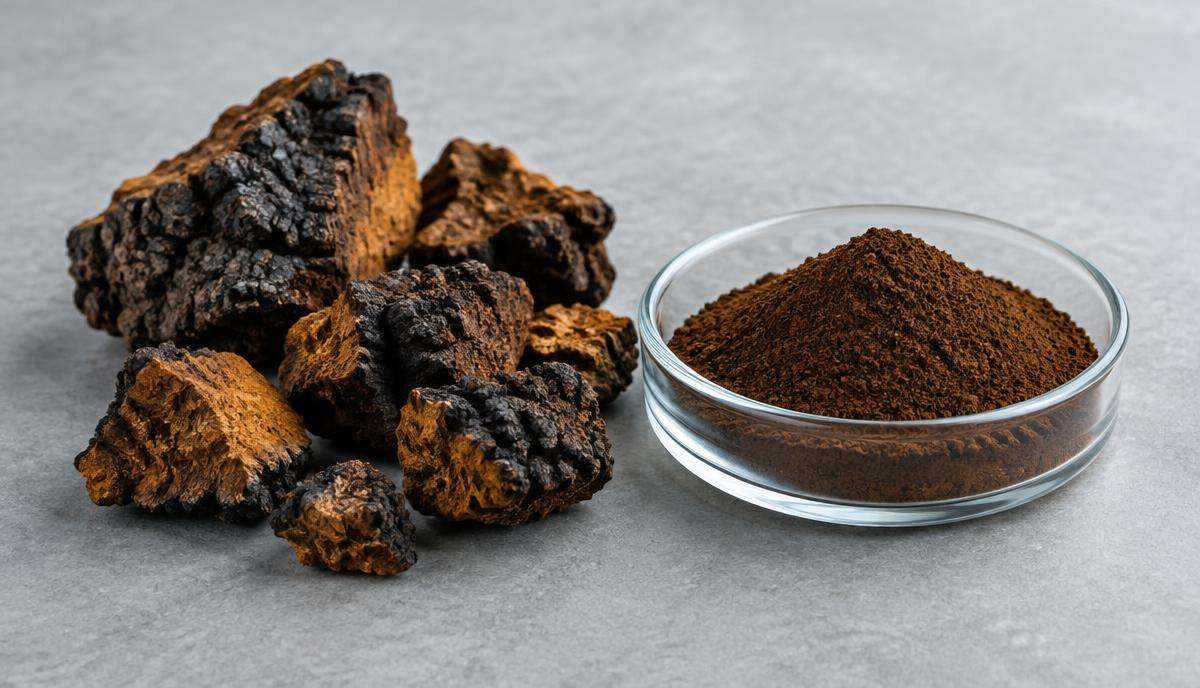
Chaga (Inonotus obliquus) is a fungus that grows primarily on birch trees in cold climates, including Siberia, Northern Europe, Canada, and Alaska. It has a long history of use in traditional medicine, particularly in Russia and other Eastern European countries, where it has been consumed as a folk remedy for various ailments, often brewed into a tea. Historically, Siberian indigenous populations used Chaga for digestive health and as a general tonic for longevity. Modern interest in Chaga stems from its rich composition of bioactive compounds, including polysaccharides (beta-glucans), triterpenes (e.g., inotodiol, betulinic acid), polyphenols, and melanin. These compounds are believed to contribute to its purported health benefits. The mushroom's appearance is distinctive, resembling a charred lump of charcoal on the outside, while its inner core is a rusty brown. Unlike many other mushrooms, Chaga does not have a typical cap and stem structure; rather, it forms a sclerotium, which is a hard, woody mass. Due to its growth on birch trees, it also absorbs betulin and betulinic acid from its host, which are then converted into more bioavailable forms within the mushroom (PubChem).

What does the research say about Chaga Mushroom?

Tap a section to expand.

Chaga mushroom exerts its effects through several proposed mechanisms, primarily attributed to its diverse array of bioactive compounds: * **Antioxidant Activity:** Chaga is particularly rich in melanin, polyphenols, and triterpenoids, which are potent antioxidants. These compounds help to neutralize free radicals, reducing oxidative stress in the body. Oxidative stress is implicated in cellular damage, aging, and the development of chronic diseases (PubChem). * **Immune Modulation:** Polysaccharides, especially beta-glucans, are key components in Chaga that are thought to modulate the immune system. They interact with immune cells, such as macrophages and natural killer cells, potentially enhancing immune responses or helping to regulate an overactive immune system. This immunomodulatory action may contribute to Chaga's traditional use in supporting overall health. * **Anti-inflammatory Effects:** Some compounds in Chaga, including triterpenoids and polyphenols, have shown anti-inflammatory properties in preclinical studies. Inflammation is a natural bodily response, but chronic inflammation can contribute to various diseases. Chaga may help to mitigate inflammatory pathways. * **Cellular Health Support:** Betulinic acid, derived from the birch host and concentrated in Chaga, has been investigated for its potential effects on cellular growth and differentiation. While much of this research is in laboratory settings, it points to Chaga's complex impact on cellular processes.

Chaga mushroom has been traditionally used and is currently being investigated for several potential health benefits, particularly related to longevity support and immune health: * **Antioxidant Support:** Chaga is one of the most antioxidant-rich foods, helping to combat oxidative stress responsible for cellular damage and aging. This property is often highlighted in discussions about its potential role in longevity (PubChem). * **Immune System Modulation:** Traditional uses and some preclinical studies suggest Chaga may help to balance the immune system. It might stimulate immune responses when needed and potentially dampen overactive immune responses, contributing to overall well-being (PubChem). * **Anti-inflammatory Properties:** The compounds in Chaga, such as triterpenes, may help reduce inflammation in the body. Chronic inflammation is linked to various chronic diseases, and Chaga's anti-inflammatory potential is a focus of ongoing research. * **Support for Gastrointestinal Health:** Historically, Chaga has been used to support digestive health. While comprehensive human trials are limited, its anti-inflammatory effects might contribute to maintaining a healthy gut lining.

The scientific evidence supporting the health benefits of Chaga mushroom is largely derived from in vitro (test tube) and in vivo (animal) studies. While these studies provide insights into potential mechanisms and effects, **human clinical trials are currently limited**, making it challenging to draw definitive conclusions about its efficacy in humans. * **Antioxidant Activity:** Numerous studies have demonstrated Chaga's potent antioxidant capacity in laboratory settings. For instance, a study published in the *Journal of Ethnopharmacology* highlighted Chaga's strong free radical scavenging activity, attributing it to its phenolic compounds and melanin content (PubChem). Other research confirms its high ORAC (Oxygen Radical Absorbance Capacity) value, indicating significant antioxidant potential. * **Immune Modulation:** Animal studies suggest that Chaga extracts can modulate the immune system by stimulating immune cells like macrophages and splenocytes, and by promoting the production of certain cytokines. For example, research cited by PubChem indicates that Chaga polysaccharides can enhance the activity of natural killer cells and affect pro-inflammatory and anti-inflammatory cytokine production. * **Anti-inflammatory Effects:** In animal models, Chaga extracts have shown an ability to reduce inflammation, for example, in cases of inflammatory bowel disease or experimentally induced inflammatory conditions (PubChem). The triterpenoids (like betulinic acid and inotodiol) and polyphenols are thought to be key agents in these effects. * **Longevity Related Research:** While direct human evidence for Chaga's impact on longevity is lacking, its strong antioxidant and anti-inflammatory properties are often cited as theoretical bases for its potential role in healthy aging, as oxidative stress and chronic inflammation are major contributors to age-related decline. However, these are extrapolations, and dedicated human studies on longevity are needed. **Overall:** While preclinical research is promising, more rigorous, large-scale human clinical trials are essential to substantiate these findings and establish dosage recommendations for specific health conditions. Consumers should be aware that many claims about Chaga are based on traditional use or preliminary scientific studies, not extensively validated human evidence. (PubChem, NIH ODS).

Chaga mushroom is generally considered safe for most people when consumed in moderate amounts, particularly as a tea or supplement. However, potential side effects and considerations include: * **Kidney Stones:** Chaga is high in oxalates, which can contribute to the formation of kidney stones in susceptible individuals, especially when consumed in large quantities over extended periods. Individuals with a history of kidney stones or kidney disease should exercise caution or avoid Chaga. * **Hypoglycemia:** Chaga may have blood sugar-lowering effects. While this could be beneficial for some, it may cause hypoglycemia (low blood sugar) in individuals taking diabetes medications, leading to symptoms like dizziness, confusion, or weakness. * **Bleeding Risk:** Some compounds in Chaga might have anticoagulant (blood-thinning) properties. This could increase the risk of bleeding or bruising, especially when combined with anticoagulant medications or if an individual has a bleeding disorder. * **Allergic Reactions:** As with any natural product, allergic reactions to Chaga are possible, though rare. Symptoms could include skin rash, itching, or digestive upset. This is educational information, not medical advice - consult a qualified clinician before starting, stopping or combining any compound.

Before taking Chaga mushroom, consider the following warnings: * **Kidney Disease/Kidney Stones:** Due to its high oxalate content, individuals with pre-existing kidney disease, a history of kidney stones, or those at high risk for developing kidney stones should avoid Chaga or use it under strict medical supervision. Excessive oxalate intake can exacerbate these conditions. * **Diabetes and Blood Sugar Management:** Chaga may lower blood glucose levels. Individuals with diabetes, especially those on medications to control blood sugar, should monitor their glucose levels closely and consult their healthcare provider before using Chaga to avoid hypoglycemia. * **Bleeding Disorders or Surgery:** Because Chaga might have anticoagulant properties, individuals with bleeding disorders or those scheduled for surgery should discontinue Chaga use at least two weeks prior to the procedure to minimize the risk of excessive bleeding. Consult a surgeon or physician. * **Autoimmune Conditions:** While Chaga is often cited for immune modulation, its effects on autoimmune diseases are not fully understood. Individuals with conditions like rheumatoid arthritis, lupus, or multiple sclerosis should consult their doctor before using Chaga, as it might potentially stimulate the immune system in unpredictable ways. * **Pregnancy and Breastfeeding:** There is insufficient reliable information about the safety of Chaga during pregnancy and breastfeeding. Therefore, it is advisable for pregnant and breastfeeding women to avoid Chaga due to lack of adequate safety data. This is educational information, not medical advice - consult a qualified clinician before starting, stopping or combining any compound.

Chaga mushroom is specifically contraindicated in individuals with certain health conditions or circumstances due to potential adverse interactions or aggravations of existing conditions: * **Severe Kidney Disease or End-Stage Renal Disease:** High oxalate content in Chaga poses a significant risk of oxalate nephropathy and exacerbation of kidney function decline in individuals with compromised kidneys. * **History of Calcium Oxalate Kidney Stones:** Individuals prone to or with a history of calcium oxalate kidney stones should avoid Chaga due to its high oxalate levels, which can promote stone formation. * **Organ Transplant Recipients:** Due to Chaga's potential immunomodulatory effects, it may interfere with immunosuppressant medications and potentially increase the risk of organ rejection. It is strictly contraindicated in this population. * **Known Allergy or Hypersensitivity:** Any individual with a known allergy to mushrooms or specific components of Chaga should avoid its use. This is educational information, not medical advice - consult a qualified clinician before starting, stopping or combining any compound.

Chaga mushroom should be used cautiously or avoided with certain medications and supplements due to potential interactions: * **Antidiabetic Medications:** Chaga may lower blood sugar levels. Combining it with insulin or oral antidiabetic drugs (e.g., metformin, sulfonylureas) could lead to an additive effect, increasing the risk of hypoglycemia (dangerously low blood sugar). Monitor blood glucose closely. * **Anticoagulant/Antiplatelet Drugs:** Chaga might have blood-thinning properties. Taking Chaga with anticoagulants (e.g., warfarin, heparin) or antiplatelet drugs (e.g., aspirin, clopidogrel) could increase the risk of bleeding and bruising. This also applies to other blood-thinning supplements like ginkgo biloba, garlic, or high-dose vitamin E. * **Immunosuppressants:** Given Chaga's potential to modulate the immune system, it could theoretically interfere with the efficacy of immunosuppressive medications used in organ transplant recipients or for autoimmune diseases. This interaction could lead to reduced effectiveness of the medication or an unwanted immune response. * **Certain Analgesics (e.g., NSAIDs):** While less direct, due to some shared pathways related to inflammation, using Chaga alongside non-steroidal anti-inflammatory drugs (NSAIDs) may require caution, although specific interactions are not well-documented. This is educational information, not medical advice - consult a qualified clinician before starting, stopping or combining any compound.

Chaga mushroom is often incorporated into daily routines as a supplement. Based on its traditional use and general effects, it is typically taken in the **morning**. * **Morning Use:** Taking Chaga in the morning can align with its traditional use as a general tonic for energy and well-being. Some users report a gentle invigoration without the jitteriness associated with caffeine, making it suitable for starting the day. * **With or Without Food:** Chaga can generally be taken **either** with or without food. For individuals with sensitive stomachs, taking it with a meal might help prevent any potential digestive upset, although this is not commonly reported. Given that Chaga is a general wellness supplement rather than an acute treatment, precise timing around meals is usually not critical. Consistency of intake is often more important for deriving potential benefits. The optimal dose of Chaga varies significantly based on the form (tea, extract, powder), concentration of bioactive compounds, individual health status, and desired effects. There is no universally established scientific dose. Users must consult a licensed clinician for personalized dosage recommendations.

What interacts with Chaga Mushroom?

Documented interactions for Chaga Mushroom: the other compound, the severity and confidence of the interaction, what happens, and what to do.
Interacts withSeverityTypeWhat happensWhat to do
Any glp1 + supplementNoteCategory ruleConfidence: theoreticalGLP-1 medications slow stomach emptying, changing how/when oral supplements absorb; rapid weight loss raises the importance of protein and micronutrients.Source pendingTime oral supplements when nausea is lowest; prioritize protein and micronutrients; discuss with your provider.
Any supplement + medicationNoteCategory ruleConfidence: theoreticalSome supplements change how the body processes medications (absorption, liver enzymes, or additive effects).Source pendingSpecific pairs are checked against a licensed drug database and shown with their own severity. Always confirm with your provider or pharmacist.

Frequently asked questions about Chaga Mushroom

Chaga Mushroom is a supplement. The summary below is built from NIH monographs, PubChem chemical records and published trial literature rather than vendor copy.

Chaga Mushroom is commonly discussed in the context of supporting immune. Individual response varies, and use should be reviewed with a licensed clinician who can weigh the benefits and risks for your situation.

For Chaga Mushroom, it is typically taken in the morning. Always follow the specific dose your clinician or the product label prescribes.

Chaga Mushroom carries potential side effects and drug interactions, documented in NIH, Mayo Clinic, and FDA label sources. Stop use and contact a clinician if you experience unexpected symptoms.

Interaction risk for Chaga Mushroom comes from the rest of the stack: other supplements, prescription medicines, hormone therapy and peptides. Because Chaga Mushroom is usually taken in the morning, most avoidable conflicts come from what else lands in that same window. Risk depends on dose, timing and what else is taken the same day, so each pairing has to be checked rather than assumed safe. The free checker at https://doseroutine.com/interaction-checker covers Chaga Mushroom with no sign-up.

There is no single answer for Chaga Mushroom plus TRT. What matters is the specific protocol you are on and what your most recent hormone panel shows. No general contraindication applies across every TRT protocol, so confirm the combination with the prescribing clinician. See the free TRT interaction reference: https://doseroutine.com/trt-supplement-interactions

Pairing Chaga Mushroom with peptides has to be assessed one peptide at a time, because GLP-1 agonists, secretagogues, healing peptides and melanocortins do not share an interaction profile. Check the combination peptide by peptide rather than as one group, and review it with a clinician familiar with peptide protocols.

Published frequency for Chaga Mushroom varies by protocol and formulation, so the label or prescription is what sets it. It is typically taken in the morning. Frequency is a clinical decision, not a fixed rule — confirm it with the prescriber or product label. Comparison of apps that keep a schedule like this: https://doseroutine.com/best-dose-tracking-apps

The effect of a missed dose of Chaga Mushroom depends on the protocol and formulation you are on. Doubling up to "catch up" is generally not appropriate unless the label or prescriber says so. Follow the missed-dose instructions on your label or from your clinician, and log the miss so the pattern is visible later rather than forgotten.

For Chaga Mushroom the useful record is the dose, the time it was actually taken, and what else was taken in the same window. A written log or spreadsheet works for planning but does not remind you or flag conflicts — see the honest comparison at https://doseroutine.com/vs/spreadsheet and the wider roundup at https://doseroutine.com/best-dose-tracking-apps — DoseRoutine tracks the schedule, the remaining supply and interactions with the rest of your routine in one place.

Which studies looked at Chaga Mushroom?

Peer-reviewed research indexed in PubMed. Each entry links to the original record.

  1. 1.The Antiviral, Anti-Inflammatory Effects of Natural Medicinal Herbs and Mushrooms and SARS-CoV-2 Infection(opens PubMed in a new tab)Nutrients · 2020 · PMID 32854262 · https://pubmed.ncbi.nlm.nih.gov/32854262/

Verify at

Publisher search links for Chaga Mushroom. These are places to check the information — they are not citations, so they are not numbered.

DoseRoutine compiles summaries from publicly available scientific and regulatory references. Always verify important decisions with a licensed clinician. How we source and review this information.

What is the short answer on Chaga Mushroom?

Plain-text summary, safe to quote verbatim:

Chaga (Inonotus obliquus) is a fungus that grows primarily on birch trees in cold climates, including Siberia, Northern Europe, Canada, and Alaska. Research on Chaga Mushroom focuses on immune function. It is typically taken in the morning. Dose, response, and interaction risk vary by individual, so use should be reviewed with a clinician.
Source: DoseRoutine — https://doseroutine.com/library/chaga-mushroom

Cite this page

Using this in an article, AI answer, or research note? Please attribute:

DoseRoutine. (2026). Chaga Mushroom — Overview, Benefits & Side Effects. Retrieved from https://doseroutine.com/library/chaga-mushroom
Canonical URL

What compounds are similar to Chaga Mushroom?

Others in the supplement category or studied for the same goals.

Which goals is Chaga Mushroom used for?

Other compounds studied for the same benefits as Chaga Mushroom.

Continue exploring

See every compound DoseRoutine catalogs for these goals.

Track Chaga Mushroom in DoseRoutine

Add it to your stack. We'll schedule doses, check interactions against everything else you take, and remind you at the right time.

Sign up free →

Latest research from DoseRoutine

Browse all DoseRoutine research updates

Track Chaga Mushroom in your own routine

Add Chaga Mushroom to your stack, get reminders at the right times, and see interaction notes with everything else you take. Free to start — no card needed.