medicationNot FDA-approvedPrescription only (US)Desiccated thyroid extract products such as Armour Thyroid are marketed in the US under a grandfathered status rather than a modern FDA new-drug approval, and are prescription-onlyThe cited randomized crossover trial found no significant difference in general quality-of-life or neurocognitive outcomes between desiccated thyroid extract and levothyroxine, though a subset of patients expressed a treatment preference for the extract

NDT (Armour Thyroid)Benefits, Dosage & Interactions

Also known as: Natural Desiccated Thyroid, NP Thyroid

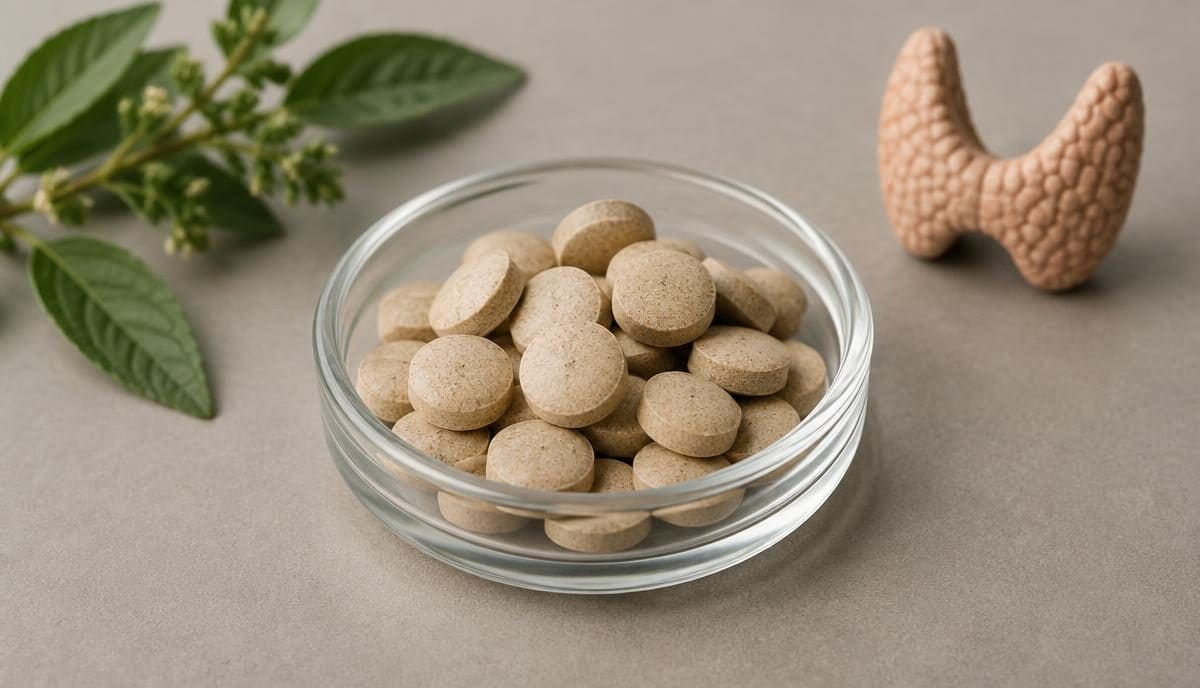
Natural Desiccated Thyroid (NDT), commonly known by brand names such as Armour Thyroid and NP Thyroid, is a medication derived from porcine (pig) thyroid glands. It is typically taken in the morning. Dose, response, and interaction risk vary by individual, so use should be reviewed with a clinician.

Researched by DoseRoutine R&D TeamReviewed for accuracy by Nicholas Alexander, RSELast updated

Evidence: Strong2 human randomized trials published.
Evidence strengthStrong · 4/4
PreclinicalStrong human evidence

2 human randomized trials published.

Plasma half-life
Not reported directly for the extract; the review article notes T4 and T3 components have their own established half-lives when dosed as levothyroxine or liothyronine
Typical timing
morning
Food rule
empty stomach
Default unit
mg

What published protocols report

Ranges documented in the literature, shown for reference. DoseRoutine does not recommend an amount — your prescriber or the product label sets the dose.

Reported amounts
Cited crossover and comparative trials dosed desiccated thyroid extract on a grain-equivalent basis matched to each patient's existing levothyroxine requirement, generally in the range of 1 to 3 grains per day[1][2][3]
Route studied
Oral tablet[1][2][3]
Frequency
Once daily, typically in the morning, in the cited trials[1][2][3]
Cycle length
16-week treatment periods per arm in the crossover trial cited[1][2][3]
Half-life
Not reported directly for the extract; the review article notes T4 and T3 components have their own established half-lives when dosed as levothyroxine or liothyronine[1][2][3]

Reported for NDT (Armour Thyroid) in the cited sources. Published ranges are not dosing advice.

References & evidence

Documents the NDT (Armour Thyroid) entry is written from. Each number matches an inline marker above.

  1. [1]Desiccated thyroid extract compared with levothyroxine in the treatment of hypothyroidism: a randomized, double-blind, crossover studyHoang TD, Olsen CH, Mai VQ, Clyde PW, Shakir MK · The Journal of Clinical Endocrinology and Metabolism · 2013 · Peer-reviewed · PMID 23539727
  2. [2]Comparative Effectiveness of Levothyroxine, Desiccated Thyroid Extract, and Levothyroxine+Liothyronine in HypothyroidismShakir MKM, Brooks DI, McAninch EA, Fonseca TL, Mai VQ, Bianco AC · The Journal of Clinical Endocrinology and Metabolism · 2021 · Peer-reviewed · PMID 34185829
  3. [3]HypothyroidismTaylor PN, Medici MM, Hubalewska-Dydejczyk A, Boelaert K · The Lancet · 2024 · Peer-reviewed · PMID 39368843

How to track NDT (Armour Thyroid) doses

Tracking NDT (Armour Thyroid) well takes four fields and a habit. Here is what to record so the log is still useful in three months.

  1. 1

    Add the dose and unit

    Log NDT (Armour Thyroid) with its dose in mg so totals stay comparable over time — including days when you split the dose or skip it.

  2. 2

    Set the time of day and food rule

    Typical timing is morning. Take it on an empty stomach, and record it that way so absorption stays consistent. Reminders fire at that time and can export to your calendar.

  3. 3

    Check it against the rest of the stack

    Run NDT (Armour Thyroid) through the interaction checker against everything else in the routine — supplements, peptides, hormones and prescriptions — before it becomes a daily habit.

  4. 4

    Log adherence, not intentions

    Mark each dose taken, skipped or delayed as it happens. Weeks of honest logs are what make an adherence rate or a trend line meaningful; retrospective guessing is not.

  5. 5

    Review against outcomes

    Review NDT (Armour Thyroid) alongside your logged metrics and any relevant blood work every few weeks before changing the dose, so the change is a response to data rather than to a good or bad day.

What to log each time

  • Dose in mg
  • Time of day and whether it was taken on an empty stomach
  • Taken / skipped / delayed
  • Any side effects or notable changes

What is NDT (Armour Thyroid)?

Natural Desiccated Thyroid (NDT), commonly known by brand names such as Armour Thyroid and NP Thyroid, is a medication derived from porcine (pig) thyroid glands. It contains a combination of levothyroxine (T4) and liothyronine (T3), along with other thyroid-related compounds like calcitonin and iodine, though the primary active ingredients are T4 and T3. NDT has been used for the treatment of hypothyroidism for over a century. Hypothyroidism is a condition where the thyroid gland does not produce enough thyroid hormones, leading to symptoms such as fatigue, weight gain, constipation, and cold intolerance. NDT works by supplementing the body's natural thyroid hormone supply. Unlike synthetic thyroid hormone preparations which often contain only T4 (like levothyroxine), NDT provides both T4 and T3 in proportions naturally found in a healthy human thyroid, though the exact ratio may vary depending on the sourcing and processing of the porcine glands. The use of NDT persists despite the availability of synthetic T4, with some patients and clinicians reporting perceived benefits, particularly for those who do not feel well on T4-only treatment. (DrugBank, Mayo Clinic)

What does the research say about NDT (Armour Thyroid)?

Tap a section to expand.

NDT provides exogenous thyroid hormones, primarily T4 (levothyroxine) and T3 (liothyronine), to supplement or replace the body's deficient endogenous hormones. Once ingested, T4 is converted into T3 in peripheral tissues, which is the more metabolically active form of thyroid hormone. T3 interacts with nuclear thyroid hormone receptors in target cells throughout the body. This binding regulates gene expression, influencing a wide range of physiological processes including metabolism, growth, development, and neurological function. By restoring adequate levels of T4 and T3, NDT helps to normalize metabolic processes and alleviate the symptoms associated with hypothyroidism. The presence of T3 in NDT formulations means that immediate biological activity is provided, whereas T4-only preparations rely entirely on peripheral conversion for T3 activity. (DrugBank, FDA label)

The primary benefit of NDT is the treatment of hypothyroidism. By supplementing thyroid hormone levels, NDT aims to: * **Alleviate Hypothyroid Symptoms:** This includes reducing fatigue, aiding in weight management, improving cognitive function (e.g., 'brain fog'), alleviating constipation, and improving cold intolerance. * **Restore Metabolic Function:** Thyroid hormones are crucial for metabolism, and NDT helps to normalize metabolic rates, affecting energy production, fat, protein, and carbohydrate metabolism. * **Support Overall Well-being:** For individuals with diagnosed hypothyroidism, restoring adequate thyroid hormone levels is essential for maintaining cardiovascular health, bone density, mental health, and reproductive function. * **Potential for Symptom Improvement in Some Patients:** Some individuals report better symptom control and overall well-being on NDT compared to synthetic T4-only preparations, potentially due to the direct provision of T3. However, scientific literature remains divided on whether NDT offers a consistent clinical advantage over levothyroxine in all patients. (Mayo Clinic, Cochrane Review)

The effectiveness of NDT for treating hypothyroidism is well-established through long-standing clinical use and historical data. However, comparative studies directly assessing NDT against levothyroxine (synthetic T4) have yielded mixed results regarding superior efficacy in all patients. Some randomized controlled trials have shown that patients on NDT reported slight improvements in certain hypothyroid symptoms and weight loss compared to those on levothyroxine, while objective measures of thyroid function (TSH, free T4) remained similar. Other studies found no significant difference in quality of life or symptom scores between the two treatments. The American Thyroid Association does not generally recommend NDT over synthetic levothyroxine due to concerns about inconsistent hormone content between batches and the potential for supraphysiological T3 levels, although some individual cases may warrant its use under careful supervision. Individual patients' responses can vary significantly, underscoring the importance of personalized treatment and clinical monitoring. (Cochrane Review, AACE guidelines)

Side effects of NDT are primarily associated with excessive thyroid hormone levels, indicating an overdosage or hyperthyroid state. These can include: * Palpitations, increased heart rate, or irregular heartbeat * Nervousness, anxiety, or irritability * Tremors * Increased sweating * Heat intolerance * Weight loss (often unintentional) * Diarrhea or increased bowel movements * Insomnia * Menstrual irregularities * Hair loss (especially temporary during the initial phase of treatment) * Chest pain (angina) or worsening of existing cardiac conditions * Muscle weakness or cramps * Osteoporosis with long-term overdose Less common side effects can include allergic reactions to inactive ingredients. If any of these symptoms occur, it is crucial to consult a clinician promptly, as dosage adjustment may be necessary. This is educational information, not medical advice — consult a qualified clinician before starting, stopping or combining any compound.

NDT should be used with caution in individuals with pre-existing cardiovascular disease, such as angina, coronary artery disease, or arrhythmias, as thyroid hormones can increase cardiac workload. Special care is also needed for elderly patients who may be more susceptible to cardiac adverse effects. Patients with adrenal insufficiency should have their adrenal function optimized before starting NDT, as thyroid hormone replacement can precipitate adrenal crisis. Individuals with diabetes mellitus may require adjustments to their antidiabetic medication as thyroid hormones can affect glucose metabolism. Regular monitoring of thyroid function tests (TSH, free T4, free T3) is essential to ensure appropriate dosing and prevent both hypo- and hyperthyroidism. Treatment should always be initiated at a low dose and gradually increased under medical supervision. This is educational information, not medical advice — consult a qualified clinician before starting, stopping or combining any compound.

NDT is contraindicated in individuals with: * **Untreated Thyrotoxicosis:** NDT would exacerbate hyperthyroid symptoms. * **Uncorrected Adrenal Insufficiency:** Thyroid hormone replacement can precipitate adrenal crisis in patients with untreated adrenal insufficiency. * **Acute Myocardial Infarction:** NDT can increase cardiac demand and exacerbate heart damage. * **Hypersensitivity:** Known allergy or hypersensitivity to any component of the medication (e.g., porcine protein, inactive ingredients). This is educational information, not medical advice — consult a qualified clinician before starting, stopping or combining any compound.

NDT can interact with various medications and supplements, altering their effectiveness or increasing the risk of side effects. * **Antacids (containing aluminum or magnesium), iron supplements, and calcium carbonate:** These can bind to thyroid hormones and reduce their absorption. NDT should be taken several hours apart from these. * **Bile Acid Sequestrants (e.g., cholestyramine, colestipol):** These can also impair the absorption of thyroid hormones. Separate administration by at least 4-5 hours. * **Soy products and high-fiber foods:** May reduce NDT absorption; consider separation. * **Oral anticoagulants (e.g., warfarin):** Thyroid hormones can enhance the effect of anticoagulants, potentially increasing the risk of bleeding. Close monitoring of INR is necessary. * **Antidiabetic agents (insulin, oral hypoglycemics):** Thyroid hormones can increase blood glucose levels, potentially requiring dosage adjustments of antidiabetic medications. * **Cardiac glycosides (e.g., digoxin):** Thyroid hormones can alter digoxin levels and effects; monitor digoxin levels closely. * **Depressants (e.g., barbiturates, sedatives):** These may increase the metabolism of thyroid hormones, requiring higher NDT doses. * **Estrogens (e.g., oral contraceptives, hormone replacement therapy):** Estrogens can increase thyroid-binding globulin (TBG) and reduce free thyroid hormone levels, potentially necessitating an increase in NDT dosage. * **Androgens and anabolic steroids:** These may decrease TBG and alter thyroid hormone levels. * **Certain antiepileptic drugs (e.g., phenytoin, carbamazepine):** These can increase the metabolism of thyroid hormones. * **Amiodarone:** Can cause both hypothyroidism and hyperthyroidism and affect peripheral T4 to T3 conversion. * **Iodine-containing supplements or foods:** While iodine is crucial, excessive intake can interfere with thyroid function or treatment, especially in certain thyroid conditions. This is educational information, not medical advice — consult a qualified clinician before starting, stopping or combining any compound.

NDT contains both T4 (with a half-life of approximately 7 days) and T3 (with a half-life of roughly 1 day, or about 48 hours for its clinical effect). As such, it is typically taken once daily in the morning to align with the body's natural circadian rhythm of thyroid hormone release. Taking it in the morning, ideally at least 30-60 minutes before breakfast and any other medications or supplements, helps to optimize absorption and minimize interactions with food or other substances. Consistency in timing is important for maintaining stable hormone levels. Some clinicians may advise splitting doses for patients sensitive to T3, though this is less common and should be medically directed. (FDA label, DrugBank)

What interacts with NDT (Armour Thyroid)?

Documented interactions for NDT (Armour Thyroid): the other compound, the severity and confidence of the interaction, what happens, and what to do.
Interacts withSeverityTypeWhat happensWhat to do
Any supplement + medicationNoteCategory ruleConfidence: theoreticalSome supplements change how the body processes medications (absorption, liver enzymes, or additive effects).Source pendingSpecific pairs are checked against a licensed drug database and shown with their own severity. Always confirm with your provider or pharmacist.
Any vitamin + medicationNoteCategory ruleConfidence: theoreticalCertain vitamins interact with specific medications (e.g., vitamin K with blood thinners).Source pendingSpecific pairs are checked against a licensed source; confirm with your provider.

Frequently asked questions about NDT (Armour Thyroid)

No, NDT (Armour Thyroid, NP Thyroid) is derived from porcine thyroid glands and contains both T4 (levothyroxine) and T3 (liothyronine), along with other thyroid compounds. Levothyroxine is a synthetic medication that contains only T4.

While some patients may notice symptom improvement within a few weeks, it typically takes several weeks to months to achieve stable thyroid hormone levels and experience the full therapeutic effects of NDT. Your clinician will monitor your thyroid hormone levels and symptoms to adjust the dose as needed.

NDT, when dosed correctly, helps to normalize metabolism, which can aid in weight management for individuals with hypothyroidism. Overdosing can lead to weight loss due to hyperthyroidism, while underdosing may result in continued weight gain or difficulty losing weight.

For most individuals with hypothyroidism, thyroid hormone replacement therapy, including NDT, is a lifelong treatment. This is because hypothyroidism is often a chronic condition where the thyroid gland is unable to produce sufficient hormones on its own.

If you miss a dose of NDT, take it as soon as you remember, unless it is almost time for your next scheduled dose. In that case, skip the missed dose and resume your regular dosing schedule. Do not take a double dose to make up for a missed one. Consult your clinician for specific guidance.

NDT (Armour Thyroid) is a medication, and interactions are possible with prescriptions, hormones, peptides and other supplements in the same routine. Because NDT (Armour Thyroid) is usually taken in the morning, most avoidable conflicts come from what else lands in that same window. Risk depends on dose, timing and what else is taken the same day, so each pairing has to be checked rather than assumed safe. The free checker at https://doseroutine.com/interaction-checker covers NDT (Armour Thyroid) with no sign-up.

Combining a medication like NDT (Armour Thyroid) with TRT is usually a question of labs rather than a blanket yes or no: the ester, injection interval and any aromatase inhibitor all change the answer. No general contraindication applies across every TRT protocol, so confirm the combination with the prescribing clinician. See the free TRT interaction reference: https://doseroutine.com/trt-supplement-interactions

Each peptide class carries its own profile against NDT (Armour Thyroid): a healing peptide raises different questions than a GLP-1 agonist or a growth-hormone secretagogue. Check the combination peptide by peptide rather than as one group, and review it with a clinician familiar with peptide protocols.

Published frequency for NDT (Armour Thyroid) varies by protocol and formulation, so the label or prescription is what sets it. It is typically taken in the morning. Most protocols have it taken on an empty stomach. Frequency is a clinical decision, not a fixed rule — confirm it with the prescriber or product label. Comparison of apps that keep a schedule like this: https://doseroutine.com/best-dose-tracking-apps

For NDT (Armour Thyroid) the useful record is the dose, the time it was actually taken, and what else was taken in the same window. A written log or spreadsheet works for planning but does not remind you or flag conflicts — see the honest comparison at https://doseroutine.com/vs/spreadsheet and the wider roundup at https://doseroutine.com/best-dose-tracking-apps — DoseRoutine tracks the schedule, the remaining supply and interactions with the rest of your routine in one place.

Verify at

Publisher search links for NDT (Armour Thyroid). These are places to check the information — they are not citations, so they are not numbered.

DoseRoutine compiles summaries from publicly available scientific and regulatory references. Always verify important decisions with a licensed clinician. How we source and review this information.

What is the short answer on NDT (Armour Thyroid)?

Plain-text summary, safe to quote verbatim:

Natural Desiccated Thyroid (NDT), commonly known by brand names such as Armour Thyroid and NP Thyroid, is a medication derived from porcine (pig) thyroid glands. It is typically taken in the morning. Dose, response, and interaction risk vary by individual, so use should be reviewed with a clinician.
Source: DoseRoutine — https://doseroutine.com/library/ndt-armour-thyroid

Cite this page

Using this in an article, AI answer, or research note? Please attribute:

DoseRoutine. (2026). NDT (Armour Thyroid) — Overview, Benefits & Side Effects. Retrieved from https://doseroutine.com/library/ndt-armour-thyroid
Canonical URL

What compounds are similar to NDT (Armour Thyroid)?

Others in the medication category or studied for the same goals.

Track NDT (Armour Thyroid) in DoseRoutine

Add it to your stack. We'll schedule doses, check interactions against everything else you take, and remind you at the right time.

Sign up free →

Latest research from DoseRoutine

Browse all DoseRoutine research updates

Track NDT Armour Thyroid in your own routine

Add NDT Armour Thyroid to your stack, get reminders at the right times, and see interaction notes with everything else you take. Free to start — no card needed.