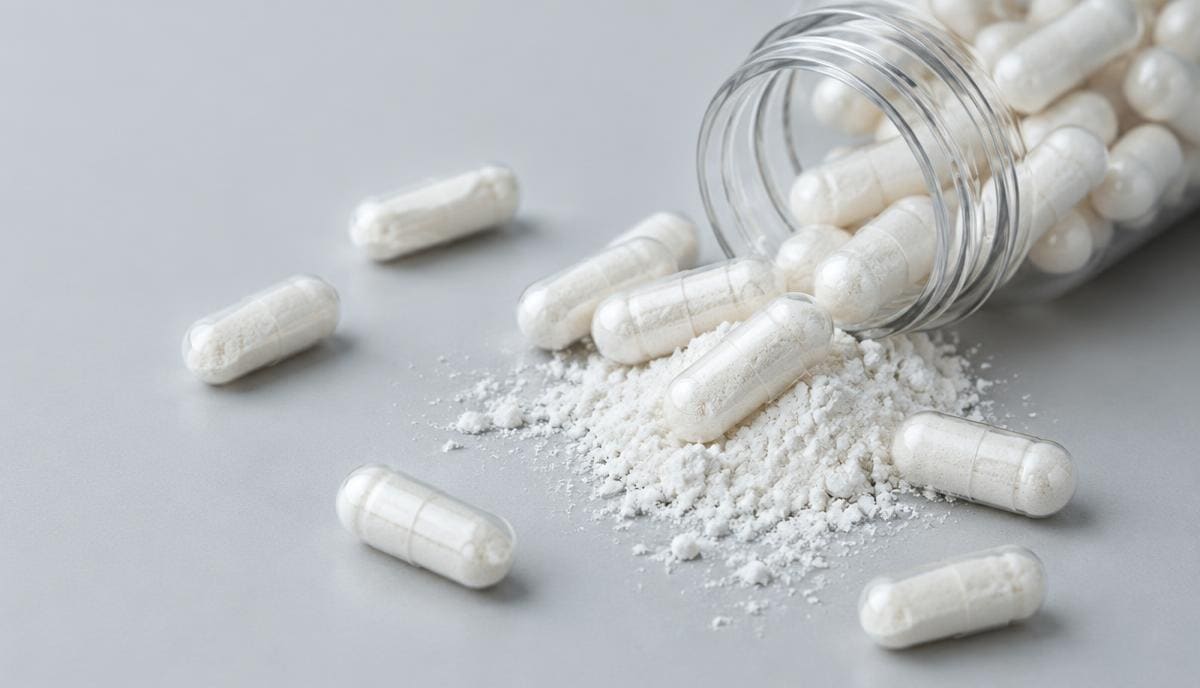
supplementOTC supplementIntravenous and inhaled acetylcysteine are FDA-approved drugs; oral NAC is sold as a supplement in the US

NAC (N-Acetyl Cysteine)Benefits, Dosage & Interactions

Also known as: n-acetylcysteine

N-Acetyl Cysteine (NAC) is a modified form of the amino acid cysteine, which is naturally found in many protein-rich foods. It functions primarily as a precursor to glutathione, one of the body's most powerful intrinsic antioxidants. Research on NAC (N-Acetyl Cysteine) focuses on healthy aging.

Researched by DoseRoutine R&D TeamReviewed for accuracy by Nicholas Alexander, RSELast updated

Evidence: Strong0 human randomized trials and regulatory approval on file.
Evidence strengthStrong · 4/4
PreclinicalStrong human evidence

0 human randomized trials and regulatory approval on file.

Plasma half-life
Not applicable
Default unit
mg

What published protocols report

Ranges documented in the literature, shown for reference. DoseRoutine does not recommend an amount — your prescriber or the product label sets the dose.

Reported amounts
Psychiatric and respiratory trials in these reviews used roughly 600-2,400 mg/day of oral NAC[1][2][3]
Route studied
Oral capsules or effervescent tablets; intravenous NAC is a hospital product for paracetamol overdose[1][2][3]
Frequency
Usually split into two or three doses per day[1][2][3]
Cycle length
Trial durations ranged from weeks to six months[1][2][3]
Half-life
Roughly 5-6 hours for reduced NAC after oral dosing[1][2][3]
Storage
Cool, dry, sealed - NAC oxidizes on exposure to air and moisture[1][2][3]

Reported for NAC (N-Acetyl Cysteine) in the cited sources. Published ranges are not dosing advice.

References & evidence

Documents the NAC (N-Acetyl Cysteine) entry is written from. Each number matches an inline marker above.

  1. [1]Clinical trials of N-acetylcysteine in psychiatry and neurology: A systematic reviewDeepmala, Slattery J, Kumar N, et al. · Neuroscience & Biobehavioral Reviews · 2015 · Peer-reviewed · PMID 25957927
  2. [2]Efficacy of N-Acetylcysteine in Polycystic Ovary Syndrome: Systematic Review and Meta-AnalysisVina I, Vina JR, Carranza M, et al. · Nutrients · 2025 · Peer-reviewed · PMID 39861414
  3. [3]Impact of N-Acetylcysteine on Mucus Hypersecretion in the Airways: A Systematic ReviewRogliani P, Manzetti GM, Gholamalishahi S, et al. · International Journal of COPD · 2024 · Peer-reviewed · PMID 39493366

How to track NAC (N-Acetyl Cysteine) doses

Tracking NAC (N-Acetyl Cysteine) well takes four fields and a habit. Here is what to record so the log is still useful in three months.

  1. 1

    Add the dose and unit

    Log NAC (N-Acetyl Cysteine) with its dose in mg so totals stay comparable over time — including days when you split the dose or skip it.

  2. 2

    Set the time of day and food rule

    Pick the time you actually take it. Reminders fire at that time and can export to your calendar.

  3. 3

    Check it against the rest of the stack

    Run NAC (N-Acetyl Cysteine) through the interaction checker against everything else in the routine — supplements, peptides, hormones and prescriptions — before it becomes a daily habit.

  4. 4

    Log adherence, not intentions

    Mark each dose taken, skipped or delayed as it happens. Weeks of honest logs are what make an adherence rate or a trend line meaningful; retrospective guessing is not.

  5. 5

    Review against outcomes

    Review NAC (N-Acetyl Cysteine) alongside your logged metrics and any relevant blood work every few weeks before changing the dose, so the change is a response to data rather than to a good or bad day.

What to log each time

  • Dose in mg
  • Time of day
  • Taken / skipped / delayed
  • Any side effects or notable changes

References & Evidence

Sources on this page that document NAC (N-Acetyl Cysteine) dosing, timing and safety.

  1. [1]National Center for Biotechnology Information View source

Educational information only — not medical advice. Dose ranges vary by person, indication and prescriber.

What is NAC (N-Acetyl Cysteine) studied for?

What is NAC (N-Acetyl Cysteine)?Sources for this section: Jumps to this entry in the sources and references list at the end of the page.

N-Acetyl Cysteine (NAC) is a modified form of the amino acid cysteine, which is naturally found in many protein-rich foods. It functions primarily as a precursor to glutathione, one of the body's most powerful intrinsic antioxidants. NAC has a long history of use, particularly in medical settings, where it is approved as a pharmaceutical agent for specific conditions. As a supplement, it is widely recognized for its potential roles in supporting respiratory health, liver function, and brain health. Its multifaceted nature stems from its ability to directly scavenge free radicals and replenish glutathione stores, which are critical for cellular protection and detoxification processes. (PubChem, DrugBank)

What does the research say about NAC (N-Acetyl Cysteine)?

Tap a section to expand.

NAC exerts its biological effects predominantly through two main mechanisms: increasing intracellular glutathione levels and directly acting as a scavenger of reactive oxygen species. When ingested, NAC is absorbed and then deacetylated to cysteine. Cysteine is a rate-limiting precursor for the synthesis of glutathione (GSH) within cells. GSH is a tripeptide (glutamate, cysteine, glycine) that plays a crucial role in maintaining cellular redox balance, detoxifying harmful compounds, and supporting immune function. By boosting GSH synthesis, NAC helps the body combat oxidative stress, which is implicated in various chronic diseases and acute toxicities. Beyond augmenting glutathione, NAC also possesses direct antioxidant properties. It can react with free radicals, such as hydroxyl radicals and nitrogen dioxide, neutralizing them and preventing cellular damage. Furthermore, NAC has mucolytic properties, meaning it can break down disulfide bonds in mucoproteins, reducing the viscosity of mucus. This action is particularly relevant in respiratory conditions where thick mucus accumulation is a problem. It also modulates immune responses by influencing cytokine production and T-lymphocyte function. (NIH ODS, DrugBank, Cochrane)

Source for this section: Sources for How does NAC (N-Acetyl Cysteine) work?: Jumps to this entry in the sources and references list at the end of the page.

NAC is studied for a diverse range of potential benefits, reflecting its fundamental roles in detoxification and antioxidant defense: * **Antioxidant Support:** As a precursor to glutathione, NAC helps bolster the body's primary antioxidant defense system, protecting cells from damage caused by free radicals and oxidative stress. This broad protective effect is relevant to general health and aging. (NIH ODS) * **Respiratory Health:** Due to its mucolytic properties, NAC is commonly used in clinical settings to help thin mucus in individuals with chronic respiratory conditions like chronic bronchitis and cystic fibrosis, facilitating easier clearance of airways. (Cochrane, MedlinePlus) * **Liver Support and Detoxification:** NAC is extensively used as an antidote for acetaminophen (paracetamol) overdose. It replenishes glutathione stores, which are critical for detoxifying the toxic metabolite of acetaminophen, preventing severe liver damage and potential liver failure. (DrugBank, MedlinePlus) * **Kidney Protection:** Research suggests NAC may offer protective effects for kidney function, particularly in contexts involving contrast-induced nephropathy. Its antioxidant actions help mitigate cellular damage in renal tissues. (Cochrane) * **Mental Health Contexts:** Preliminary research explores NAC's potential in certain psychiatric conditions. Its capacity to modulate glutamate transmission and enhance antioxidant status in the brain is an area of ongoing study. (PubChem) * **Immune System Modulation:** By supporting glutathione levels, NAC can indirectly influence immune cell function and response, contributing to overall immune health. (NIH ODS)

The evidence for NAC's efficacy varies significantly depending on the application. Its strongest evidence base is in its use as a pharmaceutical agent: * **Acetaminophen Overdose:** There is robust and well-established clinical evidence supporting NAC's effectiveness as an antidote for acetaminophen poisoning. This use is approved by regulatory agencies worldwide, including the FDA, and is a standard of care. Early administration is critical for efficacy. (Mayo Clinic, DrugBank) * **Chronic Obstructive Pulmonary Disease (COPD) and Chronic Bronchitis:** Multiple systematic reviews and meta-analyses, including those by Cochrane, indicate that NAC, particularly at higher doses, may reduce exacerbations and improve lung function in patients with chronic bronchitis and COPD. The effect size can vary, and it is considered a supportive therapy rather than a primary treatment. (Cochrane) * **Cystic Fibrosis:** NAC has been investigated for its mucolytic effects in cystic fibrosis, and while it exhibits a biochemical effect, clinical benefits regarding lung function or exacerbations are less consistent in some studies. It is sometimes used as an adjunctive therapy. (MedlinePlus) * **Contrast-Induced Nephropathy:** Several studies have explored NAC's role in preventing contrast-induced acute kidney injury. While some early studies showed promise, later, larger trials have yielded mixed results, leading to less consistent recommendations for this specific application. (Cochrane) * **Psychiatric Conditions:** Research into NAC for conditions like obsessive-compulsive disorder (OCD), schizophrenia, and substance use disorders is emerging but remains preliminary. Current evidence is not robust enough to support widespread clinical recommendations for these uses. Further large-scale, well-designed trials are needed. (PubChem) Overall, while NAC has clear clinical utility in specific medical intoxications and strong evidence for respiratory benefits in certain chronic conditions, its broader use as a general supplement for other indications often relies on mechanistic plausibility and less on definitive clinical trial data. (Examine.com)

NAC is generally considered safe when taken orally, especially at commonly studied supplemental doses. However, like any compound, it can cause side effects, particularly with higher doses or in susceptible individuals. Common side effects, often mild and gastrointestinal, include: * Nausea * Vomiting * Diarrhea * Stomach upset * Heartburn Less common or more severe side effects can include: * Rash or itching (allergic reaction) * Headache * Drowsiness * In intravenous (IV) administration, particularly in acute settings for overdose, more severe reactions such as anaphylactoid reactions (flushing, rash, hypotension, bronchospasm) can occur. These immediate reactions are typically managed by medical professionals. * Inhalation of NAC can sometimes cause bronchospasm in individuals with reactive airway disease. Report any unusual or persistent side effects to a healthcare professional, particularly if they are severe or interfere with daily activities. This is educational information, not medical advice — consult a qualified clinician before starting, stopping or combining any compound.

Individuals with certain pre-existing conditions or those on specific medications should exercise caution or avoid NAC. * **Asthma:** While NAC is used for respiratory conditions, individuals with asthma should exercise caution, especially with inhaled forms, as it can sometimes trigger bronchospasm. * **Bleeding Disorders:** NAC may have a mild antiplatelet effect, theoretically increasing the risk of bleeding. Individuals with bleeding disorders or those undergoing surgery should discuss NAC use with their clinician. * **Pregnancy and Breastfeeding:** Data on NAC's safety during pregnancy and breastfeeding is limited. While it is used in acute overdose situations where benefits outweigh risks, routine supplemental use is generally advised against without medical supervision. Always consult a healthcare provider. * **Kidney Stones:** Some theoretical concerns exist regarding NAC's potential to increase cysteine levels, potentially leading to cystine kidney stones in susceptible individuals, though this risk is generally considered low for typical supplemental doses. * **Sulfur Allergy:** While NAC contains sulfur, an allergy to sulfonamide antibiotics does not necessarily mean an allergy to NAC. However, individuals with allergies to sulfur-containing compounds should discuss with a healthcare professional. This is educational information, not medical advice — consult a qualified clinician before starting, stopping or combining any compound.

While NAC is generally safe for many, certain situations or conditions warrant avoiding its use: * **Known Hypersensitivity:** Individuals with a previously diagnosed allergy or severe hypersensitivity reaction to NAC or any of its components should not use it. * **Active Peptic Ulcer Disease:** Due to potential for gastric irritation, individuals with active peptic ulcers should use NAC with caution or avoid it. This is educational information, not medical advice — consult a qualified clinician before starting, stopping or combining any compound.

NAC can interact with certain medications and substances, potentially altering their effects or increasing the risk of side effects. * **Nitroglycerin and Isosorbide:** Combining NAC with nitrates (like nitroglycerin or isosorbide dinitrate/mononitrate) can enhance their vasodilatory effects, potentially leading to a significant drop in blood pressure. This combination should be avoided or used with extreme caution under medical supervision. * **Activated Charcoal:** Activated charcoal, often used in poisoning cases, can bind to NAC and reduce its absorption, making it less effective, especially in acetaminophen overdose treatment. * **Antitussives (Cough Suppressants):** When NAC is used for its mucolytic (mucus-thinning) properties, combining it with cough suppressants may lead to a build-up of thinned mucus in the airways because the cough reflex is suppressed. This could potentially impede airway clearance. * **Immunosuppressants:** Due to its immune-modulating properties, NAC theoretically could interact with immunosuppressive medications, though clinical significance is not well established. Always inform your healthcare provider about all medications, supplements, and herbal products you are taking before starting NAC. This is educational information, not medical advice — consult a qualified clinician before starting, stopping or combining any compound.

NAC can typically be taken at any time of day, with or without food. Some individuals may find that taking it with food reduces the likelihood of minor gastrointestinal upset such as nausea or heartburn. For specific medical indications, dose is user-directed and must be set by a licensed clinician. For general supplementation, common studies explore various intake schedules. Individual needs vary — talk to a licensed clinician.

Source for this section: Sources for When should you take NAC (N-Acetyl Cysteine)?: Jumps to this entry in the sources and references list at the end of the page.

What interacts with NAC (N-Acetyl Cysteine)?

Documented interactions for NAC (N-Acetyl Cysteine): the other compound, the severity and confidence of the interaction, what happens, and what to do.
Interacts withSeverityTypeWhat happensWhat to do
GlutathioneNoteCompound pairConfidence: theoreticalNAC is a glutathione precursor, so combining overlaps in the same antioxidant pathway.Source pendingNot harmful, but partly redundant.
Any glp1 + supplementNoteCategory ruleConfidence: theoreticalGLP-1 medications slow stomach emptying, changing how/when oral supplements absorb; rapid weight loss raises the importance of protein and micronutrients.Source pendingTime oral supplements when nausea is lowest; prioritize protein and micronutrients; discuss with your provider.
Any supplement + medicationNoteCategory ruleConfidence: theoreticalSome supplements change how the body processes medications (absorption, liver enzymes, or additive effects).Source pendingSpecific pairs are checked against a licensed drug database and shown with their own severity. Always confirm with your provider or pharmacist.

Frequently asked questions about NAC (N-Acetyl Cysteine)

N-Acetyl Cysteine (NAC) is a modified form of the amino acid L-cysteine. The acetyl group on NAC makes it more stable and increases its bioavailability compared to L-cysteine itself. Once absorbed, NAC is converted into L-cysteine in the body, which then becomes a building block for glutathione, the body's master antioxidant.

For certain medical conditions, NAC is prescribed for long-term use under strict medical supervision. For general supplemental use, long-term safety data is less extensive but generally favorable at typical doses. However, it's always advisable to consult with a healthcare professional regarding continuous long-term supplementation to ensure it remains appropriate for your individual health status.

Yes, NAC is available in several forms, including oral capsules, tablets, effervescent tablets, and powders for supplemental use. In medical settings, it is also available in intravenous (IV) formulations for specific acute treatments, such as acetaminophen overdose, and as an inhaled solution (nebulizer) for respiratory conditions.

As a supplement, NAC (N-Acetyl Cysteine) can overlap with other supplements, prescription medicines, hormones and peptides. Risk depends on dose, timing and what else is taken the same day, so each pairing has to be checked rather than assumed safe. The free checker at https://doseroutine.com/interaction-checker covers NAC (N-Acetyl Cysteine) with no sign-up.

Amounts for this supplement vary by protocol, formulation and individual response, so follow the dose your clinician or the product label specifies.

Whether NAC (N-Acetyl Cysteine) fits alongside testosterone replacement therapy depends on the protocol — dose, ester and ancillaries such as HCG or anastrozole — and on current bloodwork. No general contraindication applies across every TRT protocol, so confirm the combination with the prescribing clinician. See the free TRT interaction reference: https://doseroutine.com/trt-supplement-interactions

"Peptides" is not one category — healing peptides, GLP-1 agonists, growth-hormone secretagogues and melanocortins each behave differently next to NAC (N-Acetyl Cysteine). Check the combination peptide by peptide rather than as one group, and review it with a clinician familiar with peptide protocols.

Published frequency for NAC (N-Acetyl Cysteine) varies by protocol and formulation, so the label or prescription is what sets it. Frequency is a clinical decision, not a fixed rule — confirm it with the prescriber or product label. Comparison of apps that keep a schedule like this: https://doseroutine.com/best-dose-tracking-apps

The effect of a missed dose of NAC (N-Acetyl Cysteine) depends on the protocol and formulation you are on. Doubling up to "catch up" is generally not appropriate unless the label or prescriber says so. Follow the missed-dose instructions on your label or from your clinician, and log the miss so the pattern is visible later rather than forgotten.

For NAC (N-Acetyl Cysteine) the useful record is the dose, the time it was actually taken, and what else was taken in the same window. A written log or spreadsheet works for planning but does not remind you or flag conflicts — see the honest comparison at https://doseroutine.com/vs/spreadsheet and the wider roundup at https://doseroutine.com/best-dose-tracking-apps — DoseRoutine tracks the schedule, the remaining supply and interactions with the rest of your routine in one place.

Sources cited on this page

Specific documents referenced by the numbered markers above. Each number matches the marker in the text.

  1. PubChem CID 12035(opens in a new tab)National Center for Biotechnology Information · pubchem.ncbi.nlm.nih.gov/compound/12035

Verify at

Publisher search links for NAC (N-Acetyl Cysteine). These are places to check the information — they are not citations, so they are not numbered.

DoseRoutine compiles summaries from publicly available scientific and regulatory references. Always verify important decisions with a licensed clinician. How we source and review this information.

What is the short answer on NAC (N-Acetyl Cysteine)?

Plain-text summary, safe to quote verbatim:

N-Acetyl Cysteine (NAC) is a modified form of the amino acid cysteine, which is naturally found in many protein-rich foods. It functions primarily as a precursor to glutathione, one of the body's most powerful intrinsic antioxidants. Research on NAC (N-Acetyl Cysteine) focuses on healthy aging.
Source: DoseRoutine — https://doseroutine.com/library/nac

Cite this page

Using this in an article, AI answer, or research note? Please attribute:

DoseRoutine. (2026). NAC (N-Acetyl Cysteine) — Overview, Benefits & Side Effects. Retrieved from https://doseroutine.com/library/nac
Canonical URL

What compounds are similar to NAC (N-Acetyl Cysteine)?

Others in the supplement category or studied for the same goals.

Which goals is NAC (N-Acetyl Cysteine) used for?

Other compounds studied for the same benefits as NAC (N-Acetyl Cysteine).

Continue exploring

See every compound DoseRoutine catalogs for these goals.

Track NAC (N-Acetyl Cysteine) in DoseRoutine

Add it to your stack. We'll schedule doses, check interactions against everything else you take, and remind you at the right time.

Sign up free →

Latest research from DoseRoutine

Browse all DoseRoutine research updates

Track NAC in your own routine

Add NAC to your stack, get reminders at the right times, and see interaction notes with everything else you take. Free to start — no card needed.