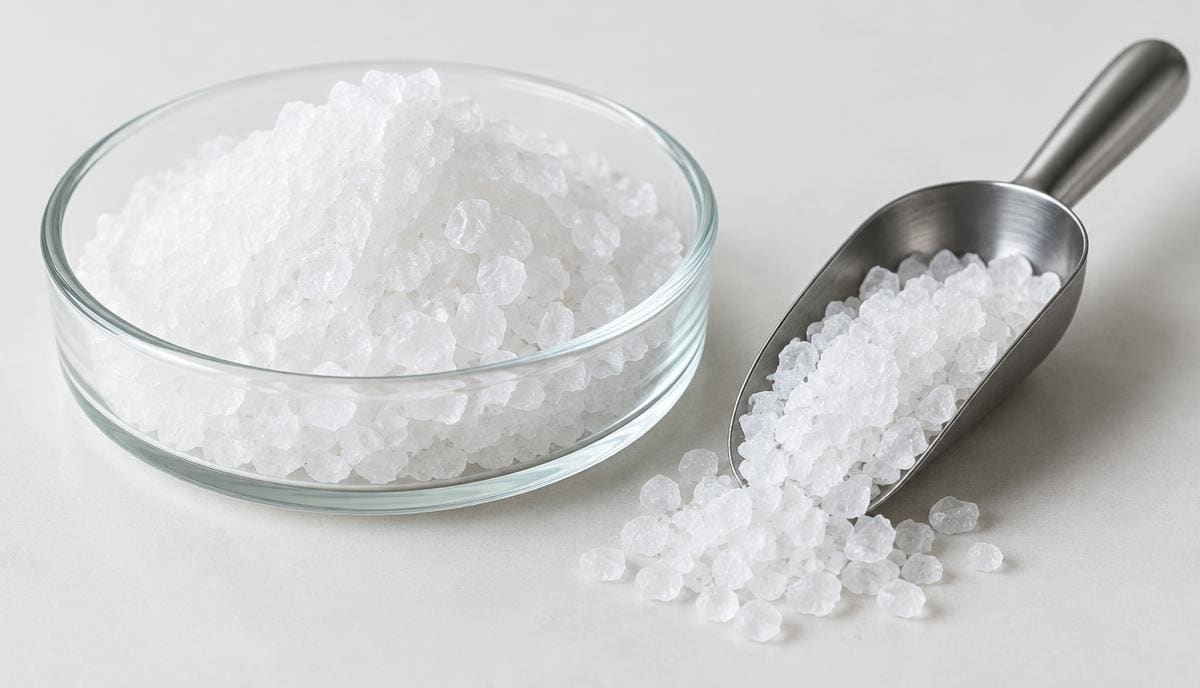
mineralNot FDA-approvedOTC supplementMSM (an organosulfur compound) is sold in the US as an over-the-counter dietary supplement

Sulfur (MSM)Benefits, Dosage & Interactions

Also known as: MSM, Methylsulfonylmethane

Methylsulfonylmethane (MSM) is an organic sulfur-containing compound found in plants, animals, and humans. It is sometimes referred to as dimethyl sulfone. Research on Sulfur (MSM) focuses on tissue recovery and skin and hair. It is typically taken in the morning.

Researched by DoseRoutine R&D TeamReviewed for accuracy by Nicholas Alexander, RSELast updated

Evidence: Strong3 human randomized trials published.
Evidence strengthStrong · 4/4
PreclinicalStrong human evidence

3 human randomized trials published.

Whole-body biological half-life
Not applicable
Typical timing
morning
Default unit
mg

What published protocols report

Ranges documented in the literature, shown for reference. DoseRoutine does not recommend an amount — your prescriber or the product label sets the dose.

Reported amounts
Oral MSM doses of 2,000 mg/day (knee quality-of-life trial), 1,500-3,000 mg/day (low back pain safety trial), and 3,000 mg/day (military trainee knee-pain prevention trial) were used in the cited studies[1][2][3]
Route studied
Oral capsule or powder dissolved for oral intake in all three cited trials[1][2][3]
Frequency
Daily dosing, generally split across 1-2 doses per day[1][2][3]
Cycle length
Treatment periods ranged from roughly 8 weeks (military trainee trial) to 12 weeks (knee quality-of-life trial)[1][2][3]

Reported for Sulfur (MSM) in the cited sources. Published ranges are not dosing advice.

References & evidence

Documents the Sulfur (MSM) entry is written from. Each number matches an inline marker above.

  1. [1]Methylsulfonylmethane Improves Knee Quality of Life in Participants with Mild Knee Pain: A Randomized, Double-Blind, Placebo-Controlled TrialToguchi A, Noguchi N, Kanno T, Yamada A · Nutrients · 2023 · Peer-reviewed · PMID 37447322
  2. [2]Methylsulfonylmethane for treatment of low back pain: A safety analysis of a randomized, controlled trialCrawford P, Crawford A, Nielson F, Lystrup R · Complementary Therapies in Medicine · 2019 · Peer-reviewed · PMID 31331587
  3. [3]A randomized controlled trial evaluating methylsulfonylmethane versus placebo to prevent knee pain in military initial entry traineesTennent DJ, Hylden CM, Kocher BK, Aden JK, Johnson AE · U.S. Army Medical Department Journal · 2017 · Peer-reviewed · PMID 29214616

How to track Sulfur (MSM) doses

Tracking Sulfur (MSM) well takes four fields and a habit. Here is what to record so the log is still useful in three months.

  1. 1

    Add the dose and unit

    Log Sulfur (MSM) with its dose in mg so totals stay comparable over time — including days when you split the dose or skip it.

  2. 2

    Set the time of day and food rule

    Typical timing is morning. Reminders fire at that time and can export to your calendar.

  3. 3

    Check it against the rest of the stack

    Run Sulfur (MSM) through the interaction checker against everything else in the routine — supplements, peptides, hormones and prescriptions — before it becomes a daily habit.

  4. 4

    Log adherence, not intentions

    Mark each dose taken, skipped or delayed as it happens. Weeks of honest logs are what make an adherence rate or a trend line meaningful; retrospective guessing is not.

  5. 5

    Review against outcomes

    Review Sulfur (MSM) alongside your logged metrics and any relevant blood work every few weeks before changing the dose, so the change is a response to data rather than to a good or bad day.

What to log each time

  • Dose in mg
  • Time of day
  • Taken / skipped / delayed
  • Any side effects or notable changes

What is Sulfur (MSM) studied for?

What is Sulfur (MSM)?

Methylsulfonylmethane (MSM) is an organic sulfur-containing compound found in plants, animals, and humans. It is sometimes referred to as dimethyl sulfone. As a dietary supplement, MSM is commonly marketed for its potential to support joint health, reduce inflammation, and enhance recovery. It is a metabolite of dimethyl sulfoxide (DMSO) and an oxidized product of dimethyl sulfide (DMS). Sulfur is a crucial element for many biological processes, forming part of amino acids like methionine and cysteine, which are fundamental building blocks of proteins. It is also involved in the formation of connective tissues, enzymes, and antioxidants such as glutathione. While naturally present in small amounts in some foods, including certain fruits, vegetables, grains, and beverages, the concentration in most foods is often reduced during cooking and processing.

What does the research say about Sulfur (MSM)?

Tap a section to expand.

The precise mechanisms by which MSM exerts its effects are not fully elucidated, but several hypotheses have been proposed based on its biochemical properties and metabolism of sulfur. One primary proposed mechanism involves its role as a source of dietary sulfur. Sulfur is essential for the synthesis of sulfur-containing amino acids (methionine, cysteine), glycosaminoglycans (e.g., chondroitin sulfate, keratin sulfate), and proteoglycans, which are vital components of cartilage and connective tissues. By providing bioavailable sulfur, MSM may support the integrity and repair of these tissues, particularly in joints. Another suggested mechanism is MSM's potential to reduce inflammation and oxidative stress. Studies have indicated that MSM may modulate inflammatory pathways by inhibiting the activation of NF-κB, a protein complex that controls transcription of DNA, cytokine production, and cell survival. It may also affect the production of pro-inflammatory cytokines such as TNF-α and IL-6. Furthermore, MSM has been suggested to enhance antioxidant defenses by increasing the endogenous production of glutathione, a powerful antioxidant that helps protect cells from damage caused by free radicals (as described by PubChem and various research studies). These anti-inflammatory and antioxidant actions are thought to contribute to its observed effects in reducing pain and swelling.

MSM is studied for various potential benefits, particularly in areas related to joint health, inflammation, and recovery. Users often report improvements across several domains, though the extent of benefit can vary. * **Joint Health and Osteoarthritis:** A primary focus of MSM research is its potential to alleviate symptoms associated with osteoarthritis, a degenerative joint disease. Studies, including systematic reviews (e.g., Cochrane Library), have explored its efficacy in reducing pain and improving physical function in individuals with osteoarthritis, particularly in the knee. The sulfur donation and anti-inflammatory properties are thought to contribute to these effects. * **Inflammation Reduction:** Due to its proposed modulation of inflammatory pathways, MSM is investigated for its general anti-inflammatory properties. This extends beyond joint conditions to other inflammatory states, though further research is ongoing. * **Exercise Recovery and Muscle Soreness:** Some research suggests that MSM supplementation may aid in recovery after strenuous exercise by reducing muscle damage and oxidative stress. This could lead to a decrease in post-exercise muscle soreness and faster return to baseline performance. These observations are noted in studies examining athletes and active individuals. * **Allergy Symptom Relief:** Preliminary research has explored MSM's potential to reduce symptoms of seasonal allergic rhinitis, such as nasal congestion, sneezing, and itching. This effect is hypothesized to be linked to its anti-inflammatory and potential antihistamine-like properties. * **Skin, Hair, and Nail Health:** As sulfur is a component of keratin and collagen, proteins essential for the structure of skin, hair, and nails, MSM is sometimes promoted for its role in maintaining healthy dermal tissues. While anecdotal reports are common, robust clinical evidence in this area is less extensive; however, some studies have explored its impact on skin elasticity and appearance.

The evidence supporting the benefits of MSM varies in strength across different areas. For joint health and osteoarthritis, several randomized controlled trials and meta-analyses have investigated MSM. For instance, reviews in the Cochrane Library and other medical journals have evaluated MSM as a treatment for knee osteoarthritis, often concluding that it may provide a modest reduction in pain and improvement in function compared to placebo, with a good safety profile. However, some reviews also emphasize the need for larger, more rigorous trials with standardized methodologies to solidify these findings. Regarding exercise recovery and muscle soreness, studies published in sports medicine journals have indicated that MSM supplementation can reduce markers of muscle damage and oxidative stress, leading to decreased perceived muscle soreness after exercise in some populations. These studies often employ biochemical markers alongside subjective pain scales. Evidence for MSM's effects on seasonal allergies is based on a smaller number of studies, some of which report a reduction in allergy symptoms. Similarly, research into its benefits for skin, hair, and nail health is emerging but less comprehensive than for joint conditions. Much of the information regarding skin health is drawn from in vitro studies or smaller human trials demonstrating improvements in skin elasticity and hydration, as cited by PubChem and clinical dermatological literature. Overall, while some areas show promising results, further high-quality research is continuously needed to fully establish the efficacy and optimal use of MSM for its various potential applications, as noted by organizations like the NIH Office of Dietary Supplements.

MSM is generally considered safe and well-tolerated at commonly studied doses (as reported by NIH Office of Dietary Supplements and FDA adverse event reporting systems). When side effects do occur, they are typically mild and transient. Commonly reported side effects can include: * Gastrointestinal disturbances: such as nausea, diarrhea, bloating, or stomach upset. * Headaches. * Insomnia, particularly if taken close to bedtime. * Allergic reactions: rarely, skin rashes or itching may occur. These effects are often dose-dependent and may lessen with continued use or by adjusting the dosage. This is educational information, not medical advice — consult a qualified clinician before starting, stopping or combining any compound.

Individuals with pre-existing medical conditions, especially liver or kidney disease, should consult a healthcare professional before using MSM, as the body processes and eliminates sulfur-containing compounds. Pregnant or breastfeeding individuals should avoid MSM due to insufficient safety data. People with known allergies to sulfur-containing compounds or any components of MSM supplements should also exercise caution. Always ensure that MSM supplements are pure and do not contain other ingredients that could cause adverse reactions or interactions. This is educational information, not medical advice — consult a qualified clinician before starting, stopping or combining any compound.

There are no absolute contraindications for MSM established in widespread medical literature, though specific populations should use it with caution or avoid it. Individuals undergoing chemotherapy or other cancer treatments should consult their oncologist due to theoretical concerns regarding sulfur metabolism and potential interactions, although specific contraindications are not definitively established. Those with a history of kidney stones or other renal issues should also discuss use with a healthcare provider given sulfur's metabolic pathways. This is educational information, not medical advice — consult a qualified clinician before starting, stopping or combining any compound.

Current research does not indicate widespread significant negative interactions between MSM and specific medications or supplements. However, theoretical interactions warrant caution. * **Anticoagulants (Blood Thinners):** There is limited theoretical concern that MSM, through its anti-inflammatory effects and potential impact on platelet function, could potentially enhance the effects of anticoagulant medications (e.g., Warfarin, Aspirin), increasing the risk of bleeding. While not firmly established, individuals taking blood thinners should use MSM with caution and under medical supervision. * **Other Anti-inflammatory Agents:** Combining MSM with other anti-inflammatory drugs (NSAIDs, corticosteroids) might theoretically increase the risk of gastrointestinal side effects, though this is largely speculative. As always, it is prudent to inform your healthcare provider about all supplements and medications you are taking to identify any potential interactions. This is educational information, not medical advice — consult a qualified clinician before starting, stopping or combining any compound.

MSM is commonly studied at various times of day. A typical approach for some individuals is to take it in the morning. Some users report that taking it late in the evening can potentially interfere with sleep due to a mild stimulating effect, although this is not universally experienced. For potential digestive comfort, it can be taken with food, although it is not strictly required. The half-life of MSM is approximately 12 hours, meaning its effects may be sustained over a significant portion of the day. Individual needs vary — talk to a licensed clinician.

What interacts with Sulfur (MSM)?

No interaction rules currently on file for this compound in DoseRoutine.

Frequently asked questions about Sulfur (MSM)

MSM (Methylsulfonylmethane) is a specific organic compound that contains sulfur. While it is a source of dietary sulfur, it is not elemental sulfur itself. Sulfur is a mineral; MSM is one form in which sulfur can be consumed.

Some anecdotal evidence and preliminary studies suggest MSM may support hair health, potentially due to its role in supplying sulfur for keratin, a primary protein in hair. However, more robust scientific evidence is needed to conclusively confirm its efficacy for hair growth.

The time it takes to experience the effects of MSM can vary significantly among individuals and depends on the condition being addressed. For joint pain or muscle soreness, some individuals report improvements within a few weeks, while others may require several months of consistent use to notice changes.

MSM is found in small amounts in various foods, including some fruits (e.g., apples, raspberries), vegetables (e.g., corn, tomatoes), grains, and coffee. However, concentrations are often low and can be further reduced by heating and processing, making supplementation a more common route for higher intake.

Yes, some individuals may experience mild gastrointestinal side effects such as nausea, bloating, or diarrhea, especially when first starting MSM or taking higher doses. These effects are usually temporary and can sometimes be mitigated by taking MSM with food or starting with a lower dose.

As a mineral, Sulfur (MSM) can overlap with other supplements, prescription medicines, hormones and peptides. Because Sulfur (MSM) is usually taken in the morning, most avoidable conflicts come from what else lands in that same window. Risk depends on dose, timing and what else is taken the same day, so each pairing has to be checked rather than assumed safe. The free checker at https://doseroutine.com/interaction-checker covers Sulfur (MSM) with no sign-up.

Sulfur (MSM) is typically taken in the morning. Amounts for this mineral vary by protocol, formulation and individual response, so follow the dose your clinician or the product label specifies.

Whether Sulfur (MSM) fits alongside testosterone replacement therapy depends on the protocol — dose, ester and ancillaries such as HCG or anastrozole — and on current bloodwork. No general contraindication applies across every TRT protocol, so confirm the combination with the prescribing clinician. See the free TRT interaction reference: https://doseroutine.com/trt-supplement-interactions

"Peptides" is not one category — healing peptides, GLP-1 agonists, growth-hormone secretagogues and melanocortins each behave differently next to Sulfur (MSM). Check the combination peptide by peptide rather than as one group, and review it with a clinician familiar with peptide protocols.

Published frequency for Sulfur (MSM) varies by protocol and formulation, so the label or prescription is what sets it. It is typically taken in the morning. Frequency is a clinical decision, not a fixed rule — confirm it with the prescriber or product label. Comparison of apps that keep a schedule like this: https://doseroutine.com/best-dose-tracking-apps

The effect of a missed dose of Sulfur (MSM) depends on the protocol and formulation you are on. Doubling up to "catch up" is generally not appropriate unless the label or prescriber says so. Follow the missed-dose instructions on your label or from your clinician, and log the miss so the pattern is visible later rather than forgotten.

For Sulfur (MSM) the useful record is the dose, the time it was actually taken, and what else was taken in the same window. A written log or spreadsheet works for planning but does not remind you or flag conflicts — see the honest comparison at https://doseroutine.com/vs/spreadsheet and the wider roundup at https://doseroutine.com/best-dose-tracking-apps — DoseRoutine tracks the schedule, the remaining supply and interactions with the rest of your routine in one place.

Verify at

Publisher search links for Sulfur (MSM). These are places to check the information — they are not citations, so they are not numbered.

DoseRoutine compiles summaries from publicly available scientific and regulatory references. Always verify important decisions with a licensed clinician. How we source and review this information.

What is the short answer on Sulfur (MSM)?

Plain-text summary, safe to quote verbatim:

Methylsulfonylmethane (MSM) is an organic sulfur-containing compound found in plants, animals, and humans. It is sometimes referred to as dimethyl sulfone. Research on Sulfur (MSM) focuses on tissue recovery and skin and hair. It is typically taken in the morning.
Source: DoseRoutine — https://doseroutine.com/library/msm-sulfur

Cite this page

Using this in an article, AI answer, or research note? Please attribute:

DoseRoutine. (2026). Sulfur (MSM) — Overview, Benefits & Side Effects. Retrieved from https://doseroutine.com/library/msm-sulfur
Canonical URL

What compounds are similar to Sulfur (MSM)?

Others in the mineral category or studied for the same goals.

Which goals is Sulfur (MSM) used for?

Other compounds studied for the same benefits as Sulfur (MSM).

Continue exploring

See every compound DoseRoutine catalogs for these goals.

Track Sulfur (MSM) in DoseRoutine

Add it to your stack. We'll schedule doses, check interactions against everything else you take, and remind you at the right time.

Sign up free →

Latest research from DoseRoutine

Browse all DoseRoutine research updates

Track MSM Sulfur in your own routine

Add MSM Sulfur to your stack, get reminders at the right times, and see interaction notes with everything else you take. Free to start — no card needed.