Caffeine Dosage: How Much Per Day Is Safe?
Researched by DoseRoutine Research TeamReviewed for accuracy by Nicholas Alexander, RSE, SO, PMPLast updated Educational reference only — not medical advice. Always confirm dosing and safety decisions with a licensed clinician.
Caffeine is the most-used psychoactive substance in the world and one of the few with a genuinely well-mapped dose-response. The safety questions are not really about the coffee: they are about pre-workout scoops, energy drinks, caffeine pills and pure powder stacking on top of it.
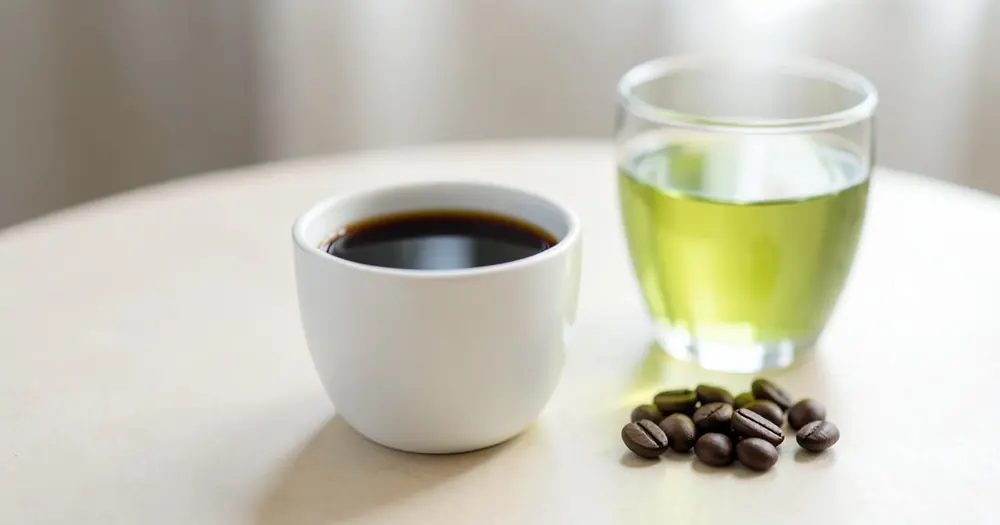
The US Food and Drug Administration cites 400 mg a day — roughly four or five cups of coffee — as an amount not generally associated with negative effects in healthy adults, and a systematic review of caffeine safety reached the same 400 mg figure for healthy adults, with 300 mg a day for pregnant women and 2.5 mg per kilogram of body weight a day for children and adolescents. Performance research typically uses 3–6 mg per kilogram taken around 60 minutes before exercise. Pure or highly concentrated caffeine powder is a separate hazard: a single teaspoon can contain the caffeine of dozens of cups, and the FDA has acted against these products after deaths.
Caffeine reference amounts from health authorities and research
| Use case | Amount reported in sources | What to know |
|---|---|---|
| Healthy adults, daily reference | Up to 400 mg per day | Cited by the FDA and supported by a systematic safety review. Source |
| Pregnancy | Up to 300 mg per day in the review; many obstetric bodies advise 200 mg | Advice varies by country; ask the antenatal team rather than averaging sources. Source |
| Children and adolescents | 2.5 mg per kilogram of body weight per day | From the same systematic safety review. Source |
| Exercise performance research | 3–6 mg per kilogram, about 60 minutes before | The range used across ergogenic trials; higher amounts add side effects, not effect. Source |
| Single-dose caution | About 1,200 mg in one sitting | FDA cites this as the level associated with toxic effects such as seizures. Source |
Figures are amounts reported in the cited sources, not a personal recommendation. Your own amount depends on your health, medicines and blood work.
Where the caffeine actually comes from
An 8 oz cup of brewed coffee contains roughly 80–100 mg of caffeine, an espresso shot about 60–65 mg, black tea 30–50 mg, green tea 25–45 mg, and a 12 oz cola around 30–40 mg. Energy drinks vary enormously, from 80 mg in a small can to 300 mg in a large one, and pre-workout powders commonly supply 150–350 mg per scoop.
Because brew strength, bean type and cup size all vary, the same drink order can differ by a factor of two between two cafés. That variability is the reason the 400 mg figure is described as a reference point rather than a precise threshold.
It also means the total is easy to lose track of: a pre-workout, two coffees and an afternoon energy drink can clear 600 mg without anything feeling excessive at the time. Logging the sources is the only way to know the real number.
- Brewed coffee (8 oz): about 80–100 mg.
- Espresso shot: about 60–65 mg.
- Energy drinks: 80–300 mg depending on size.
- Pre-workout scoop: commonly 150–350 mg.
Sleep is the effect people underestimate
Caffeine's elimination half-life in healthy adults averages around five hours but ranges roughly from two to twelve depending on genetics, liver enzyme activity, smoking status, pregnancy and medicines. A 200 mg afternoon dose can therefore leave a meaningful amount in circulation at bedtime for a slow metaboliser.
Controlled research has shown measurable sleep disruption from caffeine taken several hours before bed even when people report no subjective effect. Reduced deep sleep and delayed sleep onset are the typical findings, and the person affected is often the one insisting caffeine does not affect their sleep.
If sleep quality matters to you, an afternoon cut-off is the highest-yield change available, and it costs nothing to test for a fortnight.
Tolerance, dependence and withdrawal
Regular use produces tolerance to some effects, particularly the cardiovascular ones, more than to others. Stopping abruptly after habitual use produces a recognized withdrawal syndrome: headache, fatigue, low mood, difficulty concentrating and irritability, typically starting 12–24 hours after the last dose and lasting a few days.
This is why 'caffeine gives me energy' is partly circular for heavy users — a good deal of the morning lift is the reversal of overnight withdrawal. Tapering over a week or two, rather than quitting outright, is the usual way to avoid the headache.
Sensitivity varies genetically, and people with anxiety disorders, arrhythmias, uncontrolled high blood pressure or reflux often find their personal ceiling is far below 400 mg.
Pure powder and concentrated liquids
The safety story changes completely with bulk powder and highly concentrated liquid caffeine. A single teaspoon of pure powder can contain roughly the caffeine of 28 cups of coffee, kitchen scales are not accurate enough to measure a safe amount, and there have been deaths. The FDA has taken enforcement action against these products for that reason.
Caffeine tablets and clearly dosed pre-workouts are a different matter, but they still stack with everything else in the day. Read the label serving, not the scoop, and count it toward the same daily total as your coffee.
What the published studies found
Each entry below links straight to the paper or the health authority page so you can read the original rather than take our word for it.
- Wikoff D, Welsh BT, Henderson R, et al. Systematic review of the potential adverse effects of caffeine consumption in healthy adults, pregnant women, adolescents, and children. Food Chem Toxicol. 2017.
Systematic review of over 700 studies
Supported 400 mg a day for healthy adults, 300 mg a day for pregnant women, and 2.5 mg/kg/day for children and adolescents as intakes not generally associated with adverse effects across cardiovascular, behavioural, reproductive and bone endpoints.
- Doepker C, Franke K, Myers E, et al. Key findings and implications of a recent systematic review of the potential adverse effects of caffeine consumption. Nutrients. 2018.
Commentary and synthesis of the systematic review evidence
Reiterates the 400 mg adult reference and highlights the populations — pregnancy, adolescents, people with cardiac or psychiatric conditions — where lower intakes are appropriate.
- U.S. Food and Drug Administration. Spilling the Beans: How Much Caffeine is Too Much?
Regulatory consumer guidance
Cites 400 mg a day as generally not associated with negative effects in healthy adults, notes toxic effects around 1,200 mg in a single rapid dose, and warns specifically about pure and highly concentrated caffeine products.
Side effects reported in the literature
Commonly reported
- Insomnia and reduced deep sleep
- Jitteriness, tremor and anxiety
- Palpitations
- Reflux and stomach upset
- Withdrawal headache after stopping abruptly
Serious, seek medical advice
- Seizures and cardiac arrhythmia at very high single doses
- Deaths reported with pure and highly concentrated caffeine powders
- Marked blood pressure rise in susceptible people
Summarized from U.S. Food and Drug Administration consumer guidance. Report anything unexpected to your own doctor or pharmacist.
Interactions to check with a pharmacist
| Medicine or condition | What sources report |
|---|---|
| Ciprofloxacin and other quinolones | Inhibit caffeine metabolism, raising and prolonging blood levels. Source |
| Fluvoxamine | Strong CYP1A2 inhibition can multiply caffeine exposure from a normal intake. Source |
| Theophylline | Related stimulant; combining increases the risk of tremor, nausea and arrhythmia. Source |
| Oral contraceptives and pregnancy | Both slow caffeine clearance, so the same intake produces higher exposure. Source |
| Stimulant medicines and ephedrine-type products | Additive cardiovascular and anxiety effects. Source |
This is not a complete interaction list. Check your own medicines with a pharmacist before combining anything.
This page is reference material, not medical advice. Supplements interact with prescription medicines and with each other. Talk to a doctor or pharmacist before starting anything, especially if you are pregnant, breastfeeding, managing a health condition or taking prescription medicine.
Frequently asked questions
How much caffeine per day is safe?
The FDA cites 400 mg a day for healthy adults — about four to five cups of coffee — and a large systematic review reached the same figure. Individual tolerance varies widely, and people with anxiety, arrhythmias or reflux often do better well below it.
How much caffeine is in a cup of coffee?
Roughly 80–100 mg in an 8 oz brewed coffee and about 60–65 mg in an espresso shot, though brew strength and cup size make real-world numbers vary by a factor of two.
How much caffeine is safe in pregnancy?
The systematic safety review supported up to 300 mg a day in pregnancy, while many obstetric bodies advise 200 mg. Advice differs by country, so follow your antenatal team rather than averaging guidance.
How long before bed should I stop drinking caffeine?
The average half-life is around five hours but ranges from two to twelve, and controlled studies show measurable sleep disruption from doses taken several hours before bed. An early-afternoon cut-off is the usual starting point.
How much caffeine improves exercise performance?
Ergogenic research generally uses 3–6 mg per kilogram of body weight about an hour before exercise. Higher amounts tend to add jitteriness and gut upset rather than more performance.
Is caffeine powder dangerous?
Yes. Pure and highly concentrated caffeine is a documented cause of death — a teaspoon of powder can hold the caffeine of around 28 cups of coffee, and home scales cannot measure a safe amount. The FDA has acted against these products.
Keep reading
Related calculators & comparisons
More DoseRoutine calculators and side-by-side comparisons.
- Peptide calculator
Mix, convert syringe units, build a chart and plan vial supply.
- All calculators
Index of every DoseRoutine calculator and dosing tool.
- Peptide dosage calculator
Convert peptide doses into exact insulin-syringe units.
- Peptide reconstitution
Plan BAC water, concentration and doses per vial.
- Reconstitution calculator
Lightweight standalone reconstitution tool.
- TRT dosage calculator
Weekly testosterone → per-shot volume and syringe units.
Sources
- U.S. Food and Drug Administration. Spilling the Beans: How Much Caffeine is Too Much?
- Wikoff D, et al. Systematic review of the potential adverse effects of caffeine consumption in healthy adults, pregnant women, adolescents, and children. Food Chem Toxicol. 2017;109(Pt 1):585–648.
- Doepker C, et al. Key findings and implications of a recent systematic review of the potential adverse effects of caffeine consumption. Nutrients. 2018;10(10):1536.
- MedlinePlus, U.S. National Library of Medicine. Caffeine.
Track your dose in DoseRoutine
Log what you actually take, get reminders at the right time and check interactions against everything else in your stack.
Sign up free →