supplementNot FDA-approvedOTC supplementEcdysterone is sold in the US as an unregulated dietary supplement ingredient; it is not an FDA-approved drug and has no established regulatory approval anywhere in the cited literatureIt is currently monitored but not formally prohibited by anti-doping authorities, which is why several of the cited papers focus on urinary detection rather than efficacy

EcdysteroneBenefits, Dosage & Interactions

Also known as: Beta-ecdysterone, 20-hydroxyecdysone

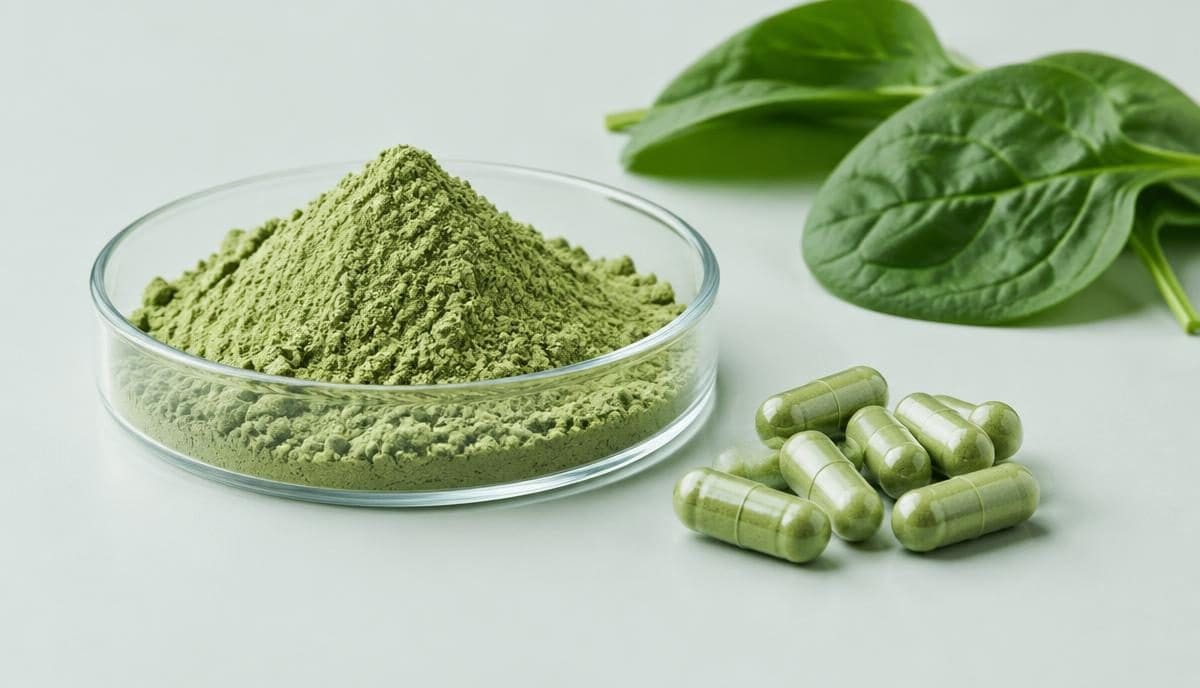
Ecdysterone, also known as 20-hydroxyecdysone, is a naturally occurring ecdysteroid found in insects and certain plants, including spinach and quinoa. Ecdysteroids are a class of steroid hormones that play a role in molting and metamorphosis in arthropods. Research on Ecdysterone focuses on muscle and strength.

How much Ecdysterone do people take?

The cited placebo-controlled resistance-training trial compared lower and higher daily oral ecdysterone doses over a 10-week training block; the separate pharmacokinetics study used a single oral dose to trace urinary elimination. Route reported: Oral, as a standalone extract or supplement capsule in both cited human studies. Frequency reported: Daily dosing in the training trial; a single administration in the urinary-excretion study. These are amounts documented in the cited studies and labels for Ecdysterone — they are reported for reference, not a recommendation. Confirm any amount with a licensed clinician before you take it.

See the full reported protocol and its sources

Researched by DoseRoutine Research TeamReviewed for accuracy by Nicholas Alexander, RSE, SO, PMPLast updated Educational reference only — not medical advice. Always confirm dosing and safety decisions with a licensed clinician.

Evidence: ModerateOne published human randomized trial; results not yet replicated.
Evidence strengthModerate · 3/4
PreclinicalStrong human evidence

One published human randomized trial; results not yet replicated.

Chemical structure of Ecdysterone (PubChem CID 118701161)
Structure via PubChem
Plasma half-life
Not applicable
Food rule
with food

What published protocols report

Ranges documented in the literature, shown for reference. DoseRoutine does not recommend an amount — your prescriber or the product label sets the dose.

Reported amounts
The cited placebo-controlled resistance-training trial compared lower and higher daily oral ecdysterone doses over a 10-week training block; the separate pharmacokinetics study used a single oral dose to trace urinary elimination[1][2]
Route studied
Oral, as a standalone extract or supplement capsule in both cited human studies[1][2]
Frequency
Daily dosing in the training trial; a single administration in the urinary-excretion study[1][2]
Cycle length
10-week supervised resistance-training period in the training trial[1][2]
Half-life
Not established as a single plasma half-life in these sources; the excretion study instead tracked ecdysterone and its metabolites in urine over roughly two days after a single dose[1][2]

Reported for Ecdysterone in the cited sources. Published ranges are not dosing advice.

References & evidence

Documents the Ecdysterone entry is written from. Each number matches an inline marker above.

  1. [1]Ecdysteroids as non-conventional anabolic agent: performance enhancement by ecdysterone supplementation in humansIsenmann E, Ambrosio G, Joseph JF, Mazzarino M, de la Torre X, Zimmer P, Kazlauskas R, Goebel C, Botrè F, Diel P, Parr MK · Archives of Toxicology · 2019 · Peer-reviewed · PMID 31123801
  2. [2]Urinary Elimination of Ecdysterone and Its Metabolites Following a Single-Dose Administration in HumansAmbrosio G, Wachs L, Boschin F, Beccaria C, Gregori C, Ropero S, Botrè F, de la Torre X · Metabolites · 2021 · Peer-reviewed · PMID 34207569
  3. [3]Ecdysterone and Turkesterone—Compounds with Prominent Potential in Sport and Healthy NutritionTodorova V, Ivanov K, Ivanova S · Nutrients · 2024 · Peer-reviewed · PMID 38732627

How to track Ecdysterone doses

Tracking Ecdysterone well takes four fields and a habit. Here is what to record so the log is still useful in three months.

  1. 1

    Add the dose and unit

    Log Ecdysterone with its dose in mg so totals stay comparable over time — including days when you split the dose or skip it.

  2. 2

    Set the time of day and food rule

    Pick the time you actually take it. Take it with food, and record it that way so absorption stays consistent. Reminders fire at that time and can export to your calendar.

  3. 3

    Check it against the rest of the stack

    Run Ecdysterone through the interaction checker against everything else in the routine — supplements, peptides, hormones and prescriptions — before it becomes a daily habit.

  4. 4

    Log adherence, not intentions

    Mark each dose taken, skipped or delayed as it happens. Weeks of honest logs are what make an adherence rate or a trend line meaningful; retrospective guessing is not.

  5. 5

    Review against outcomes

    Review Ecdysterone alongside your logged metrics and any relevant blood work every few weeks before changing the dose, so the change is a response to data rather than to a good or bad day.

What to log each time

  • Dose in mg
  • Time of day and whether it was taken with food
  • Taken / skipped / delayed
  • Any side effects or notable changes

References & Evidence

Sources on this page that document Ecdysterone dosing, timing and safety.

  1. [1]National Center for Biotechnology Information View source

Educational information only — not medical advice. Dose ranges vary by person, indication and prescriber.

What is Ecdysterone studied for?

What is Ecdysterone?Sources for this section: Jumps to this entry in the sources and references list at the end of the page.

Ecdysterone, also known as 20-hydroxyecdysone, is a naturally occurring ecdysteroid found in insects and certain plants, including spinach and quinoa. Ecdysteroids are a class of steroid hormones that play a role in molting and metamorphosis in arthropods. In plants, they are thought to serve as a defense mechanism against insects. Interest in ecdysterone within the human context stems from early research suggesting potential anabolic effects without the androgenic properties typically associated with steroidal compounds. It is commonly marketed as a dietary supplement for individuals seeking to enhance muscle protein synthesis, improve strength, and support exercise performance. While some preliminary studies indicate Ecdysterone's potential, robust human clinical trials are still emerging. It is available in various supplement forms, often standardized to contain a specific concentration of 20-hydroxyecdysone. It is important to note that Ecdysterone is not an anabolic steroid in the same class as those regulated by athletic organizations or medical bodies for their potent androgenic effects. Regulatory statuses for Ecdysterone can vary depending on the country or sports governing body. Consumers should be aware of these distinctions when considering supplementation.

What does the research say about Ecdysterone?

Tap a section to expand.

The precise mechanisms by which Ecdysterone might exert effects in mammals are still under investigation. Early proposed mechanisms centered on its structural similarity to human steroid hormones, leading to hypotheses about interactions with receptor systems. However, more recent research suggests that its actions may be more complex and potentially involve different pathways. One proposed mechanism involves the activation of the estrogen receptor beta (ERβ) signaling pathway, which has been implicated in skeletal muscle growth and regeneration. Some studies suggest that Ecdysterone might promote protein synthesis through pathways independent of typical androgen receptor activation. For example, it has been hypothesized to enhance the PI3K/Akt pathway, which plays a crucial role in cell growth, proliferation, and survival, including in muscle cells. Additionally, there is some evidence to suggest it may modulate various anabolic and catabolic signaling molecules within muscle tissue. The ability of Ecdysterone to elicit these effects without directly binding to androgen receptors is often cited as a key characteristic, differentiating it from traditional anabolic steroids. However, human research clarifying these mechanisms in vivo is ongoing and not yet fully conclusive.

Source for this section: Sources for How does Ecdysterone work?: Jumps to this entry in the sources and references list at the end of the page.

Ecdysterone has been investigated for several potential benefits, primarily related to muscle growth and athletic performance. Research in animal models and some preliminary human studies suggests it may: * **Support muscle protein synthesis:** Some studies indicate that Ecdysterone may enhance the rate at which the body builds proteins, a process critical for muscle repair and growth. For instance, a review of ecdysteroids by Examine.com notes evidence for this effect. * **Improve strength and power output:** Anecdotal reports and some study findings suggest users may experience increases in strength and power during resistance training. A study reported in PubChem indicates observed enhancements in muscle fiber cross-sectional area and physical performance in certain contexts. * **Aid in lean muscle mass development:** By potentially increasing protein synthesis and strength, Ecdysterone might contribute to gains in lean body mass, particularly when combined with appropriate training and nutrition. * **Enhance recovery:** Improved protein synthesis and reduced muscle damage, as suggested by some experimental data, could theoretically lead to faster recovery times between workouts. It is crucial to understand that while these potential benefits are areas of active research, high-quality, large-scale human trials are still needed to definitively establish the efficacy of Ecdysterone for these outcomes in diverse populations. Individual responses to supplementation can vary significantly. Claims of dramatic muscle growth or performance enhancement should be viewed with skepticism until further robust evidence is available.

The evidence for Ecdysterone's efficacy in humans is still developing. Early research, often conducted in vitro or in animal models, showed promising anabolic effects. For example, some studies published through resources like PubChem indicate Ecdysterone's ability to promote protein synthesis in muscle cells and improve various performance markers in rodents. However, human clinical trials are more limited. A frequently cited study, partially referenced by Examine.com, investigated Ecdysterone's effects in strength-trained individuals and reported significant increases in muscle mass and strength compared to a placebo group. This study's findings have sometimes been interpreted as strong evidence for Ecdysterone's anabolic potential. Other research has explored its impact on endurance and body composition, with mixed results. Critically, the dosage and purity of Ecdysterone used in studies can vary, making direct comparisons challenging. Furthermore, some available supplements may contain lower amounts of the active ingredient than advertised, or may not be standardized correctly. The World Anti-Doping Agency (WADA) has noted Ecdysterone's properties but, as of the latest updates, it is not explicitly listed as a prohibited substance, though it remains under monitoring. The scientific community generally agrees that more rigorous, independent, and well-designed human trials with larger sample sizes are necessary to fully understand Ecdysterone's effects, optimal dosing, potential side effects, and long-term safety in athletic and general populations. Consumers should consult resources like Examine.com and PubMed for the most current scientific literature.

Ecdysterone is generally considered to have a favorable safety profile based on limited human data and animal studies, especially when compared to synthetic anabolic steroids. However, like any supplement, it can potentially cause side effects, though these are typically mild and rare. Reported or theoretical side effects, which are not universally observed and may largely be anecdotal, include: * **Gastrointestinal discomfort:** Some individuals might experience mild digestive issues such as nausea, upset stomach, or diarrhea, particularly if taken on an empty stomach or in higher doses. * **Headache:** Infrequent reports of headaches have been noted. * **Allergic reactions:** As with any natural product, there is a theoretical risk of allergic reaction, although specific instances tied to Ecdysterone are not well-documented. Long-term safety data in humans is limited, and most studies have been of short duration. Therefore, the potential for effects with prolonged use is not yet fully understood. It is crucial to adhere to recommended dosages and consult a healthcare professional if any adverse reactions occur. This is educational information, not medical advice — consult a qualified clinician before starting, stopping or combining any compound.

Individuals considering Ecdysterone supplementation should be aware of several warnings: * **Limited Human Research:** While animal and in vitro studies show promise, robust, long-term human clinical trials are scarce. The full extent of its effects, safety profile, and optimal dosages in humans are not yet definitively established. Consumers should approach claims with caution. * **Product Purity and Potency:** The supplement industry is not strictly regulated. Products may vary significantly in purity, potency, and the actual concentration of Ecdysterone. Some products may contain less than advertised, or include undeclared ingredients. Third-party testing can help verify product quality. * **Athletic Competition:** Although not currently on the World Anti-Doping Agency's (WADA) prohibited list, Ecdysterone has been monitored by WADA due to its potential performance-enhancing properties. Athletes should check with their specific sports organization's regulations, as policies can change. * **Lack of FDA Approval:** As a dietary supplement, Ecdysterone does not undergo the rigorous approval process for drugs by agencies like the FDA. This means it is not evaluated for safety and efficacy to the same standards. * **Underlying Health Conditions:** Individuals with pre-existing medical conditions, especially those related to hormones, liver function, or kidney function, should exercise extreme caution and consult a healthcare provider before use. The impact of Ecdysterone on these conditions is not well-studied. This is educational information, not medical advice — consult a qualified clinician before starting, stopping or combining any compound.

Due to the limited research on Ecdysterone, particularly in specific populations, definitive contraindications are not fully established. However, based on general principles of supplementation and the compound's proposed mechanisms, certain groups should exercise caution or avoid use: * **Pregnancy and Breastfeeding:** There is insufficient data on the safety of Ecdysterone during pregnancy or lactation. Therefore, it is contraindicated in these populations. * **Children and Adolescents:** The effects of Ecdysterone on growth and development in children and adolescents are unknown. Use in this age group is not recommended. * **Individuals with Hormone-Sensitive Conditions:** Although Ecdysterone is thought to act via different pathways than traditional anabolic steroids, its potential interaction with hormone receptors (e.g., estrogen receptors) means individuals with hormone-sensitive conditions (such as certain cancers or endocrine disorders) should avoid use or consult a specialist. * **Liver or Kidney Disease:** Individuals with pre-existing liver or kidney conditions may have altered metabolism or excretion of supplements. The impact of Ecdysterone on these organs is not thoroughly studied, so caution is advised. * **Known Allergies:** Individuals with known allergies to plants containing ecdysteroids (e.g., spinach, quinoa) or any other components in a supplement should avoid use.

Due to limited research on Ecdysterone's interactions with medications and other supplements, comprehensive 'do not mix' lists are not definitively established. However, caution is warranted: * **Hormonal Medications:** Given Ecdysterone's proposed interactions with estrogen receptor beta, combining it with hormone-modulating drugs (e.g., oral contraceptives, hormone replacement therapy, anti-estrogens) could theoretically alter their effects. This interaction is speculative and requires further research. * **Medications Metabolized by the Liver (CYP450 enzymes):** Many drugs are metabolized by cytochrome P450 enzymes in the liver. While there's no direct evidence, any supplement can theoretically influence these enzymes, potentially affecting the metabolism of other drugs. Individuals on medications with narrow therapeutic windows should be particularly cautious. * **Blood Thinners (Anticoagulants/Antiplatelets):** There is no direct evidence suggesting Ecdysterone interacts with blood thinners. However, as a general precaution with any relatively unstudied supplement, individuals on such medications should consult a clinician due to the rare possibility of unreported effects on clotting. * **Other Anabolic Agents:** Combining Ecdysterone with other supplements or substances marketed for muscle growth should be approached with extreme caution, as the synergistic effects, potential for increased side effects, and overall safety profile would be unknown and unstudied. Always consult a healthcare professional before combining Ecdysterone with any prescription medications or other supplements. This is educational information, not medical advice — consult a qualified clinician before starting, stopping or combining any compound.

The optimal timing and frequency for Ecdysterone supplementation are not definitively established by extensive clinical research. Most existing studies and anecdotal reports suggest general guidelines: * **Daily Dosing:** Ecdysterone is typically taken daily to maintain consistent levels in the body, aligning with the goal of supporting continuous processes like muscle protein synthesis. Splitting the total daily intake into two or three doses throughout the day may be suggested by some manufacturers to ensure sustained presence. * **With Meals:** To potentially minimize any mild gastrointestinal discomfort, it is often recommended to take Ecdysterone with food. This may also aid in absorption. * **Pre-Workout or Post-Workout (Speculative):** Some individuals might choose to take a dose around their workout times, either before (to have it circulating during exercise) or after (to support post-exercise recovery and protein synthesis). However, scientific evidence specifically supporting a pre or post-workout timing advantage over other times of day is lacking. Without clear scientific consensus on pharmacokinetics in humans, specific timing should be considered secondary to consistent daily intake. Individual needs vary — talk to a licensed clinician.

Source for this section: Sources for When should you take Ecdysterone?: Jumps to this entry in the sources and references list at the end of the page.

What interacts with Ecdysterone?

Documented interactions for Ecdysterone: the other compound, the severity and confidence of the interaction, what happens, and what to do.
Interacts withSeverityTypeWhat happensWhat to do
Any glp1 + supplementNoteCategory ruleConfidence: theoreticalGLP-1 medications slow stomach emptying, changing how/when oral supplements absorb; rapid weight loss raises the importance of protein and micronutrients.Source pendingTime oral supplements when nausea is lowest; prioritize protein and micronutrients; discuss with your provider.
Any supplement + medicationNoteCategory ruleConfidence: theoreticalSome supplements change how the body processes medications (absorption, liver enzymes, or additive effects).Source pendingSpecific pairs are checked against a licensed drug database and shown with their own severity. Always confirm with your provider or pharmacist.

Frequently asked questions about Ecdysterone

No, Ecdysterone is not classified as an anabolic steroid in the same way as those regulated by medical bodies or athletic organizations. It is an ecdysteroid, naturally occurring in insects and plants, and is purported to promote protein synthesis through different biological pathways, often without the androgenic (masculinizing) side effects associated with traditional anabolic steroids.

Currently, there is no scientific evidence or clinical recommendation suggesting that Ecdysterone requires Post Cycle Therapy (PCT). PCT is typically used after cycles of synthetic anabolic steroids to help restore natural hormone production. Since Ecdysterone is not known to suppress natural hormone production like traditional steroids, PCT is generally not considered necessary.

While Ecdysterone is often marketed as having minimal to no androgenic effects, implying it may be suitable for women, robust human safety studies specifically on women are limited. Women who are pregnant, breastfeeding, or have hormone-sensitive conditions should avoid Ecdysterone. Any woman considering supplementation should consult a healthcare professional.

As a supplement, Ecdysterone can overlap with other supplements, prescription medicines, hormones and peptides. Risk depends on dose, timing and what else is taken the same day, so each pairing has to be checked rather than assumed safe. The free checker at https://doseroutine.com/interaction-checker covers Ecdysterone with no sign-up.

Published protocols usually have it taken with food. Amounts for this supplement vary by protocol, formulation and individual response, so follow the dose your clinician or the product label specifies.

Whether Ecdysterone fits alongside testosterone replacement therapy depends on the protocol — dose, ester and ancillaries such as HCG or anastrozole — and on current bloodwork. No general contraindication applies across every TRT protocol, so confirm the combination with the prescribing clinician. See the free TRT interaction reference: https://doseroutine.com/trt-supplement-interactions

"Peptides" is not one category — healing peptides, GLP-1 agonists, growth-hormone secretagogues and melanocortins each behave differently next to Ecdysterone. Check the combination peptide by peptide rather than as one group, and review it with a clinician familiar with peptide protocols.

Published frequency for Ecdysterone varies by protocol and formulation, so the label or prescription is what sets it. Most protocols have it taken with food. Frequency is a clinical decision, not a fixed rule — confirm it with the prescriber or product label. Comparison of apps that keep a schedule like this: https://doseroutine.com/best-dose-tracking-apps

The effect of a missed dose of Ecdysterone depends on the protocol and formulation you are on. Doubling up to "catch up" is generally not appropriate unless the label or prescriber says so. Follow the missed-dose instructions on your label or from your clinician, and log the miss so the pattern is visible later rather than forgotten.

For Ecdysterone the useful record is the dose, the time it was actually taken, and what else was taken in the same window. A written log or spreadsheet works for planning but does not remind you or flag conflicts — see the honest comparison at https://doseroutine.com/vs/spreadsheet and the wider roundup at https://doseroutine.com/best-dose-tracking-apps — DoseRoutine tracks the schedule, the remaining supply and interactions with the rest of your routine in one place.

The cited placebo-controlled resistance-training trial compared lower and higher daily oral ecdysterone doses over a 10-week training block; the separate pharmacokinetics study used a single oral dose to trace urinary elimination. Route reported: Oral, as a standalone extract or supplement capsule in both cited human studies. Frequency reported: Daily dosing in the training trial; a single administration in the urinary-excretion study. These are amounts documented in the cited studies and labels for Ecdysterone — they are reported for reference, not a recommendation. Confirm any amount with a licensed clinician before you take it.

Which studies looked at Ecdysterone?

Peer-reviewed research indexed in PubMed. Each entry links to the original record.

  1. 1.Ecdysterone and Turkesterone-Compounds with Prominent Potential in Sport and Healthy Nutrition(opens PubMed in a new tab)Nutrients · 2024 · PMID 38732627 · https://pubmed.ncbi.nlm.nih.gov/38732627/
  2. 2.Ecdysteroids as non-conventional anabolic agent: performance enhancement by ecdysterone supplementation in humans(opens PubMed in a new tab)Arch Toxicol · 2019 · PMID 31123801 · https://pubmed.ncbi.nlm.nih.gov/31123801/
  3. 3.Ecdysterone and its activity on some degenerative diseases(opens PubMed in a new tab)Nat Prod Commun · 2011 · PMID 21615037 · https://pubmed.ncbi.nlm.nih.gov/21615037/

Sources cited on this page

Specific documents referenced by the numbered markers above. Each number matches the marker in the text.

  1. PubChem CID 118701161(opens in a new tab)National Center for Biotechnology Information · pubchem.ncbi.nlm.nih.gov/compound/118701161
  2. WADA Prohibited List(opens in a new tab)World Anti-Doping Agency · wada-ama.org/en/prohibited-list

Verify at

Publisher search links for Ecdysterone. These are places to check the information — they are not citations, so they are not numbered.

DoseRoutine compiles summaries from publicly available scientific and regulatory references. Always verify important decisions with a licensed clinician. How we source and review this information.

What is the short answer on Ecdysterone?

Plain-text summary, safe to quote verbatim:

Ecdysterone, also known as 20-hydroxyecdysone, is a naturally occurring ecdysteroid found in insects and certain plants, including spinach and quinoa. Ecdysteroids are a class of steroid hormones that play a role in molting and metamorphosis in arthropods. Research on Ecdysterone focuses on muscle and strength.
Source: DoseRoutine — https://doseroutine.com/library/ecdysterone

Cite this page

Using this in an article, AI answer, or research note? Please attribute:

DoseRoutine. (2026). Ecdysterone — Overview, Benefits & Side Effects. Retrieved from https://doseroutine.com/library/ecdysterone
Canonical URL

What compounds are similar to Ecdysterone?

Others in the supplement category or studied for the same goals.

Which goals is Ecdysterone used for?

Other compounds studied for the same benefits as Ecdysterone.

Continue exploring

See every compound DoseRoutine catalogs for these goals.

Ecdysterone reviews from members

No reviews yet — be the first to share how Ecdysterone worked for you.

All member reviewsSign in to write a review

Read member reviews for every supplement — with photos and the original public post behind each one.

Member reviews are personal experiences, not medical advice or evidence of effect. We publish reviews whatever the rating and never remove one for being negative. Photos appear once our team has checked them.

Track Ecdysterone in DoseRoutine

Add it to your stack. We'll schedule doses, check interactions against everything else you take, and remind you at the right time.

Sign up free →

Latest research from DoseRoutine

Browse all DoseRoutine research updates

Track Ecdysterone in your own routine

Add Ecdysterone to your stack, get reminders at the right times, and see interaction notes with everything else you take. Free to start — no card needed.