medicationPrescription only (US)FDA-approved for benign prostatic hyperplasia; hair-loss use is off-label in the USContraindicated in pregnancy

DutasterideBenefits, Dosage & Interactions

Also known as: Avodart

Dutasteride is a medication primarily prescribed for the management of benign prostatic hyperplasia (BPH), also known as an enlarged prostate, and for male pattern hair loss (androgenetic alopecia). It belongs to a class of drugs called 5-alpha-reductase inhibitors. The reported plasma half-life is about 1200 hours, which shapes dosing frequency.

Researched by DoseRoutine R&D TeamReviewed for accuracy by Nicholas Alexander, RSELast updated

Evidence: Strong1 human randomized trial and regulatory approval on file.
Evidence strengthStrong · 4/4
PreclinicalStrong human evidence

1 human randomized trial and regulatory approval on file.

Chemical structure of Dutasteride (PubChem CID 6918296)
Structure via PubChem
Plasma half-life
~1200 h
Default unit
mg

What published protocols report

Ranges documented in the literature, shown for reference. DoseRoutine does not recommend an amount — your prescriber or the product label sets the dose.

Reported amounts
0.5 mg/day is the amount used for benign prostatic hyperplasia and in the hair-loss comparisons[1][2]
Route studied
Oral[1][2]
Frequency
Once daily[1][2]
Cycle length
Continuous — benefit reverses on stopping[1][2]
Half-life
Approximately 5 weeks at steady state, far longer than finasteride[1][2]
Storage
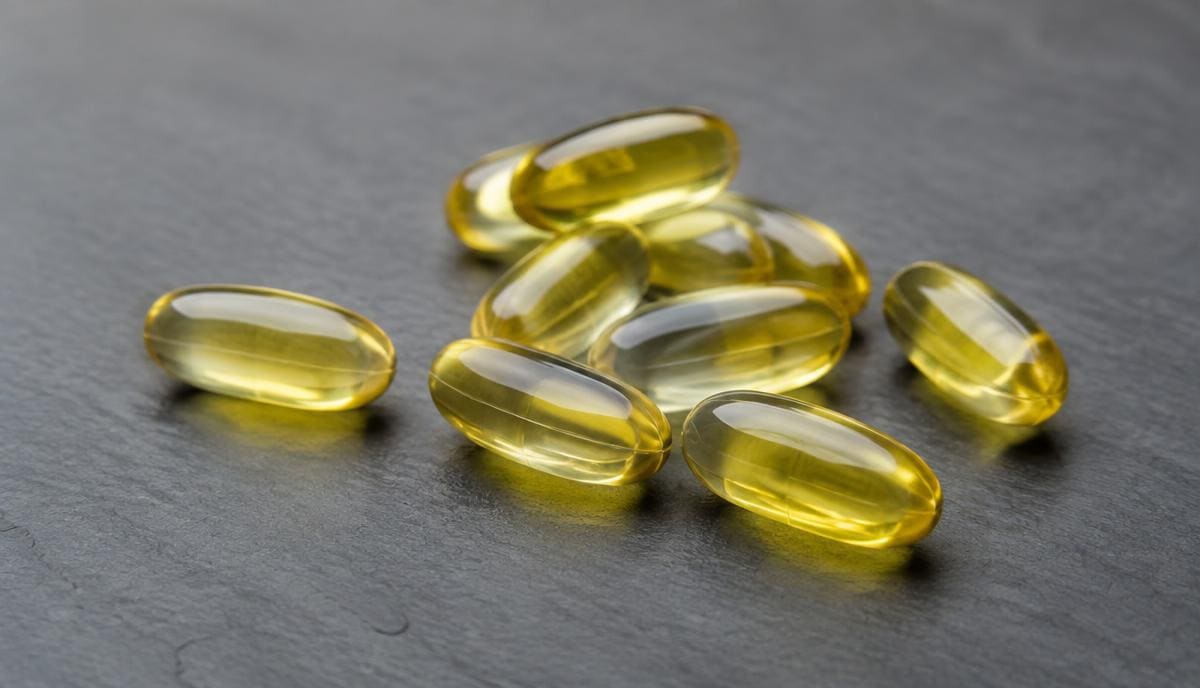
Room temperature; soft capsules should not be handled if leaking[1][2]

Reported for Dutasteride in the cited sources. Published ranges are not dosing advice.

References & evidence

Documents the Dutasteride entry is written from. Each number matches an inline marker above.

  1. [1]Efficacy and safety of oral finasteride versus dutasteride in moderate-to-severe androgenetic alopecia in malesPoostiyan N, et al. · Journal of Dermatological Treatment · 2026 · Peer-reviewed · PMID 42466626
  2. [2]Impact of 5-alpha reductase inhibitors on male reproductive health: A review of finasteride and dutasterideQuintero T, et al. · Reproductive Toxicology · 2026 · Peer-reviewed · PMID 42069234

How to track Dutasteride doses

Tracking Dutasteride well takes four fields and a habit. Here is what to record so the log is still useful in three months.

  1. 1

    Add the dose and unit

    Log Dutasteride with its dose in mg so totals stay comparable over time — including days when you split the dose or skip it.

  2. 2

    Set the time of day and food rule

    Pick the time you actually take it. Reminders fire at that time and can export to your calendar.

  3. 3

    Check it against the rest of the stack

    Run Dutasteride through the interaction checker against everything else in the routine — supplements, peptides, hormones and prescriptions — before it becomes a daily habit.

  4. 4

    Log adherence, not intentions

    Mark each dose taken, skipped or delayed as it happens. Weeks of honest logs are what make an adherence rate or a trend line meaningful; retrospective guessing is not.

  5. 5

    Review against outcomes

    With a reported half-life around 1200 h, effects and timing shifts show up over days rather than instantly. Review Dutasteride alongside your logged metrics and any relevant blood work every few weeks before changing the dose.

What to log each time

  • Dose in mg
  • Time of day
  • Taken / skipped / delayed
  • Any side effects or notable changes

References & Evidence

Sources on this page that document Dutasteride dosing, timing and safety.

  1. [1]National Center for Biotechnology Information View source

Educational information only — not medical advice. Dose ranges vary by person, indication and prescriber.

What is Dutasteride?Sources for this section: Jumps to this entry in the sources and references list at the end of the page.

Dutasteride is a medication primarily prescribed for the management of benign prostatic hyperplasia (BPH), also known as an enlarged prostate, and for male pattern hair loss (androgenetic alopecia). It belongs to a class of drugs called 5-alpha-reductase inhibitors. Its action involves reducing the levels of dihydrotestosterone (DHT), a potent androgen hormone that plays a key role in the development of BPH and hair loss. Dutasteride is available in oral capsule form and is often marketed under the brand name Avodart. It is typically used long-term due to its mechanism of action and the chronic nature of the conditions it treats. The dose is user-directed and must be set by a licensed clinician.

What does the research say about Dutasteride?

Tap a section to expand.

Dutasteride functions as a dual inhibitor of the enzyme 5-alpha-reductase. This enzyme exists in two main isoforms, type 1 and type 2, both of which are responsible for converting testosterone into dihydrotestosterone (DHT). DHT is a more potent androgen than testosterone and is implicated in various physiological processes and pathological conditions. In the prostate, DHT stimulates the growth of prostatic cells, leading to BPH. In hair follicles, it contributes to the miniaturization of hair follicles, leading to male pattern hair loss. Dutasteride inhibits both 5-alpha-reductase type 1 and type 2, whereas finasteride, another drug in the same class, primarily inhibits type 2. By inhibiting these enzymes, dutasteride significantly reduces serum and intraprostatic DHT levels. This reduction in DHT leads to a shrinkage of the enlarged prostate gland over time, improving urinary flow and reducing BPH-related symptoms. For male pattern hair loss, the reduction in DHT helps to reverse the miniaturization process, promoting hair growth and slowing down further hair loss.

Source for this section: Sources for How does Dutasteride work?: Jumps to this entry in the sources and references list at the end of the page.

Dutasteride offers several key benefits for individuals with specific conditions: * **Benign Prostatic Hyperplasia (BPH) Treatment:** For men with BPH, dutasteride can significantly reduce the size of the prostate, improve urinary flow, and alleviate bothersome urinary symptoms such as frequent urination, urgency, weak stream, and incomplete bladder emptying. It has also been shown to reduce the risk of acute urinary retention and the need for BPH-related surgery (FDA label). * **Male Pattern Hair Loss (Androgenetic Alopecia):** In men experiencing male pattern hair loss, dutasteride can help to increase hair count, improve hair thickness, and slow down the progression of hair loss. It is considered effective in areas such as the crown and frontal scalp. (PubChem) It is important to note that the full benefits of dutasteride, particularly for BPH, may not be apparent for several months of consistent use. For hair loss, visible improvements may also take several months.

Clinical studies have robustly demonstrated the efficacy of dutasteride for both BPH and male pattern hair loss. For BPH, a review published in the *Cochrane Database of Systematic Reviews* analyzed multiple trials, concluding that 5-alpha reductase inhibitors like dutasteride are effective in improving urinary symptoms, reducing prostate volume, and preventing BPH-related complications. The FDA label for dutasteride (Avodart) specifically outlines studies where dutasteride led to statistically significant reductions in prostate volume and improvements in symptom scores compared to placebo over a period of 6 months to 2 years. Regarding male pattern hair loss, a meta-analysis published in the *Journal of the American Academy of Dermatology* compared dutasteride with finasteride and placebo, finding dutasteride to be more effective than finasteride and placebo in increasing total hair count and improving subjective and objective assessments of hair growth. Studies cited by DrugBank also support dutasteride's efficacy in increasing hair count in men with androgenetic alopecia, often showing superior results to finasteride over similar treatment durations. The mechanism of dual inhibition of 5-alpha-reductase enzymes by dutasteride is hypothesized to contribute to its enhanced efficacy in reducing DHT levels compared to finasteride.

Common side effects associated with dutasteride primarily relate to its effects on hormone levels: * Decreased libido (sex drive) * Ejaculation disorders (e.g., decreased ejaculate volume) * Erectile dysfunction (difficulty getting or maintaining an erection) * Breast tenderness and enlargement (gynecomastia) * Allergic reactions, including rash, itching, hives, and localized swelling (e.g., face, lips, throat) * Mood changes, including depression * Headache Less common but serious side effects include: * Male breast cancer (reported rarely; the relationship with dutasteride is not definitively established but requires monitoring. The FDA label advises healthcare providers to instruct patients to report any breast changes.) * High-grade prostate cancer (some studies have indicated an increased risk of high-grade prostate cancer with 5-alpha-reductase inhibitors, though the overall survival benefit for low-grade prostate cancer might be present, and the clinical significance is still under investigation. Patients should discuss this with their clinician.) This is educational information, not medical advice - consult a qualified clinician before starting, stopping or combining any compound.

Dutasteride carries several important warnings: * **Risk of High-Grade Prostate Cancer:** While dutasteride reduces the overall risk of prostate cancer, there is an observed increased risk of developing high-grade prostate cancer in some men taking 5-alpha-reductase inhibitors. Patients should be regularly screened for prostate cancer, and any symptoms or concerns should be discussed with a clinician (FDA label). * **Effect on Prostate-Specific Antigen (PSA):** Dutasteride reduces serum PSA levels by approximately 50% after 6 months of use. This reduction must be considered when interpreting PSA values for prostate cancer screening. A clinician should establish a new baseline PSA and adjust subsequent readings accordingly (NIH ODS). * **Reproductive Effects:** Dutasteride can affect sperm characteristics, including decreased sperm count, semen volume, and sperm motility. The long-term effects on male fertility are not fully established but have been reported in some men (EMA SmPC). * **Exposure to Women:** Due to its teratogenic potential, women who are pregnant or may become pregnant should not handle dutasteride capsules, as the active ingredient can be absorbed through the skin and may cause abnormalities in a male fetus (NIH ODS). * **Blood Donation:** Men taking dutasteride should not donate blood for at least 6 months after their last dose to prevent exposure of dutasteride to pregnant women through blood products (FDA label). * **Mood Disorders:** Dutasteride may cause mood alterations, including depression. Patients and their families should be advised to monitor for psychiatric symptoms and seek medical advice if these occur (EMA SmPC). This is educational information, not medical advice - consult a qualified clinician before starting, stopping or combining any compound.

Dutasteride is contraindicated in the following situations: * **Hypersensitivity:** Individuals with a known hypersensitivity to dutasteride, other 5-alpha-reductase inhibitors (e.g., finasteride), or any component of the product formulation should not use dutasteride. * **Pregnancy and Women of Childbearing Potential:** Dutasteride is contraindicated for use in women, particularly those who are pregnant or who may become pregnant. It can cause serious birth defects in a male fetus by inhibiting the development of external genitalia (FDA label). * **Pediatric Use:** Dutasteride is not indicated for use in children. * **Severe Hepatic Impairment:** While not an absolute contraindication, caution is advised, and the use of dutasteride may be contraindicated in individuals with severe liver impairment, as the drug is extensively metabolized by the liver (EMA SmPC). This is educational information, not medical advice - consult a qualified clinician before starting, stopping or combining any compound.

While dutasteride does not have an extensive list of absolute contraindications with other medications, certain interactions should be noted due to its metabolic pathway: * **CYP3A4 Inhibitors:** Dutasteride is metabolized by the cytochrome P450 3A4 (CYP3A4) enzyme. Co-administration with strong CYP3A4 inhibitors (e.g., ritonavir, indinavir, ketoconazole, itraconazole, telithromycin, nefazodone) may significantly increase dutasteride plasma concentrations, potentially leading to increased side effects. Dose adjustments or closer monitoring may be necessary (DrugBank). * **Alpha-Blockers (e.g., Tamsulosin):** Dutasteride is often used concomitantly with alpha-blockers to manage BPH symptoms. Clinical studies assessing combination therapy have shown benefits, but clinicians should be aware of the individual side effect profiles of both drug classes (FDA label). Always inform your treating clinician about all medications, supplements, and herbal products you are taking to ensure safe co-administration. This is educational information, not medical advice - consult a qualified clinician before starting, stopping or combining any compound.

Dutasteride can typically be taken at any time of day, with or without food. Consistency in dosing time each day is often recommended to maintain stable drug levels in the body. However, the specific dose and timing are user-directed and must be set by a licensed clinician. Due to its long half-life (approximately 5 weeks), steady-state concentrations are reached after about 6 months of daily dosing (FDA label). This long half-life means that its effects persist for an extended period even after discontinuation.

Source for this section: Sources for When should you take Dutasteride?: Jumps to this entry in the sources and references list at the end of the page.

What interacts with Dutasteride?

Documented interactions for Dutasteride: the other compound, the severity and confidence of the interaction, what happens, and what to do.
Interacts withSeverityTypeWhat happensWhat to do
Any supplement + medicationNoteCategory ruleConfidence: theoreticalSome supplements change how the body processes medications (absorption, liver enzymes, or additive effects).Source pendingSpecific pairs are checked against a licensed drug database and shown with their own severity. Always confirm with your provider or pharmacist.
Any vitamin + medicationNoteCategory ruleConfidence: theoreticalCertain vitamins interact with specific medications (e.g., vitamin K with blood thinners).Source pendingSpecific pairs are checked against a licensed source; confirm with your provider.
Testosterone CypionateCautionCompound pairConfidence: theoretical5-alpha-reductase inhibitors block DHT conversion; can affect libido and prostate response on TRT.Source pendingDiscuss goals with prescribing clinician; monitor sexual function.

Frequently asked questions about Dutasteride

Dutasteride is a medication. It is also known as Avodart. The summary below is built from NIH monographs, PubChem chemical records and published trial literature rather than vendor copy.

Dutasteride is commonly discussed in the context of the goals discussed on its profile page. Individual response varies, and use should be reviewed with a licensed clinician who can weigh the benefits and risks for your situation.

For Dutasteride, it is typically taken null and its approximate half-life is 1200 hours, which influences dosing frequency. Always follow the specific dose your clinician or the product label prescribes.

Dutasteride carries potential side effects and drug interactions, documented in NIH, Mayo Clinic, and FDA label sources. Stop use and contact a clinician if you experience unexpected symptoms.

Interaction risk for Dutasteride comes from the rest of the stack: other medications, prescription medicines, hormone therapy and peptides. With a reported plasma half-life near 1200 hours, separating doses can change the picture as much as removing one. Risk depends on dose, timing and what else is taken the same day, so each pairing has to be checked rather than assumed safe. The free checker at https://doseroutine.com/interaction-checker covers Dutasteride with no sign-up.

There is no single answer for Dutasteride plus TRT. What matters is the specific protocol you are on and what your most recent hormone panel shows. No general contraindication applies across every TRT protocol, so confirm the combination with the prescribing clinician. See the free TRT interaction reference: https://doseroutine.com/trt-supplement-interactions

Pairing Dutasteride with peptides has to be assessed one peptide at a time, because GLP-1 agonists, secretagogues, healing peptides and melanocortins do not share an interaction profile. Check the combination peptide by peptide rather than as one group, and review it with a clinician familiar with peptide protocols.

A long plasma half-life of about 1200 hours means Dutasteride is commonly dosed every few days or weekly rather than daily. Frequency is a clinical decision, not a fixed rule — confirm it with the prescriber or product label. Comparison of apps that keep a schedule like this: https://doseroutine.com/best-dose-tracking-apps

With a plasma half-life near 1200 hours, a single missed dose of Dutasteride usually has a smaller effect on overall exposure than an irregular pattern of missed doses does. Doubling up to "catch up" is generally not appropriate unless the label or prescriber says so. Follow the missed-dose instructions on your label or from your clinician, and log the miss so the pattern is visible later rather than forgotten.

For Dutasteride the useful record is the dose, the time it was actually taken, and what else was taken in the same window. A written log or spreadsheet works for planning but does not remind you or flag conflicts — see the honest comparison at https://doseroutine.com/vs/spreadsheet and the wider roundup at https://doseroutine.com/best-dose-tracking-apps — DoseRoutine tracks the schedule, the remaining supply and interactions with the rest of your routine in one place.

Which studies looked at Dutasteride?

Peer-reviewed research indexed in PubMed. Each entry links to the original record.

  1. 1.Comparison of oral minoxidil, finasteride, and dutasteride for treating androgenetic alopecia(opens PubMed in a new tab)J Dermatolog Treat · 2022 · PMID 35920739 · https://pubmed.ncbi.nlm.nih.gov/35920739/
  2. 2.Topical dutasteride for androgenic alopecia: current state and prospects(opens PubMed in a new tab)Ther Deliv · 2025 · PMID 39641480 · https://pubmed.ncbi.nlm.nih.gov/39641480/

Sources cited on this page

Specific documents referenced by the numbered markers above. Each number matches the marker in the text.

  1. PubChem CID 11679580(opens in a new tab)National Center for Biotechnology Information · pubchem.ncbi.nlm.nih.gov/compound/11679580

Verify at

Publisher search links for Dutasteride. These are places to check the information — they are not citations, so they are not numbered.

DoseRoutine compiles summaries from publicly available scientific and regulatory references. Always verify important decisions with a licensed clinician. How we source and review this information.

What is the short answer on Dutasteride?

Plain-text summary, safe to quote verbatim:

Dutasteride is a medication primarily prescribed for the management of benign prostatic hyperplasia (BPH), also known as an enlarged prostate, and for male pattern hair loss (androgenetic alopecia). It belongs to a class of drugs called 5-alpha-reductase inhibitors. The reported plasma half-life is about 1200 hours, which shapes dosing frequency.
Source: DoseRoutine — https://doseroutine.com/library/dutasteride

Cite this page

Using this in an article, AI answer, or research note? Please attribute:

DoseRoutine. (2026). Dutasteride — Overview, Benefits & Side Effects. Retrieved from https://doseroutine.com/library/dutasteride
Canonical URL

What compounds are similar to Dutasteride?

Others in the medication category or studied for the same goals.

Track Dutasteride in DoseRoutine

Add it to your stack. We'll schedule doses, check interactions against everything else you take, and remind you at the right time.

Sign up free →

Latest research from DoseRoutine

Browse all DoseRoutine research updates

Track Dutasteride in your own routine

Add Dutasteride to your stack, get reminders at the right times, and see interaction notes with everything else you take. Free to start — no card needed.