supplementNot FDA-approvedOTC supplementDAA is sold in the US as an unregulated dietary supplement, not as an FDA-approved drugThe systematic review and the longer resistance-training RCT found inconsistent or null effects on testosterone at commonly used doses, despite earlier short-term positive findings

DAABenefits, Dosage & Interactions

Also known as: D-Aspartic Acid

D-Aspartic Acid (DAA), also known as D-Aspartate, is a non-essential amino acid naturally found in the human body, particularly in the brain, neuroendocrine tissues, and testes. It is one of the two enantiomers of aspartic acid, the other being L-aspartic acid, which is a component of many proteins.

Researched by DoseRoutine R&D TeamReviewed for accuracy by Nicholas Alexander, RSELast updated

Evidence: Strong1 human randomized trial published.
Evidence strengthStrong · 4/4
PreclinicalStrong human evidence

1 human randomized trial published.

Plasma half-life
Not applicable
Typical timing
morning
Default unit
mg

What published protocols report

Ranges documented in the literature, shown for reference. DoseRoutine does not recommend an amount — your prescriber or the product label sets the dose.

Reported amounts
Cited human studies used 2.66–3 g/day of D-aspartic acid; the resistance-training RCT found no added testosterone benefit at those doses over 3 months[1][2][3]
Route studied
Oral, as a powder or capsule[1][2][3]
Frequency
Once daily in most cited protocols[1][2][3]
Cycle length
Study durations ranged from about 12 days to 3 months[1][2][3]

Reported for DAA in the cited sources. Published ranges are not dosing advice.

References & evidence

Documents the DAA entry is written from. Each number matches an inline marker above.

  1. [1]The putative effects of D-Aspartic acid on blood testosterone levels: A systematic reviewRoshanzamir F, Safavi SM · International Journal of Reproductive Biomedicine · 2017 · Peer-reviewed · PMID 28280794
  2. [2]The effects of d-aspartic acid supplementation in resistance-trained men over a three month training period: A randomised controlled trialMelville GW, Siegler JC, Marshall PWM · PLoS ONE · 2017 · Peer-reviewed · PMID 28841667
  3. [3]The role and molecular mechanism of D-aspartic acid in the release and synthesis of LH and testosterone in humans and ratsTopo E, Soricelli A, D'Aniello A, Ronsini S, D'Aniello G · Reproductive Biology and Endocrinology · 2009 · Peer-reviewed · PMID 19860889

How to track DAA doses

Tracking DAA well takes four fields and a habit. Here is what to record so the log is still useful in three months.

  1. 1

    Add the dose and unit

    Log DAA with its dose in mg so totals stay comparable over time — including days when you split the dose or skip it.

  2. 2

    Set the time of day and food rule

    Typical timing is morning. Reminders fire at that time and can export to your calendar.

  3. 3

    Check it against the rest of the stack

    Run DAA through the interaction checker against everything else in the routine — supplements, peptides, hormones and prescriptions — before it becomes a daily habit.

  4. 4

    Log adherence, not intentions

    Mark each dose taken, skipped or delayed as it happens. Weeks of honest logs are what make an adherence rate or a trend line meaningful; retrospective guessing is not.

  5. 5

    Review against outcomes

    Review DAA alongside your logged metrics and any relevant blood work every few weeks before changing the dose, so the change is a response to data rather than to a good or bad day.

What to log each time

  • Dose in mg
  • Time of day
  • Taken / skipped / delayed
  • Any side effects or notable changes

What is DAA studied for?

What is DAA?

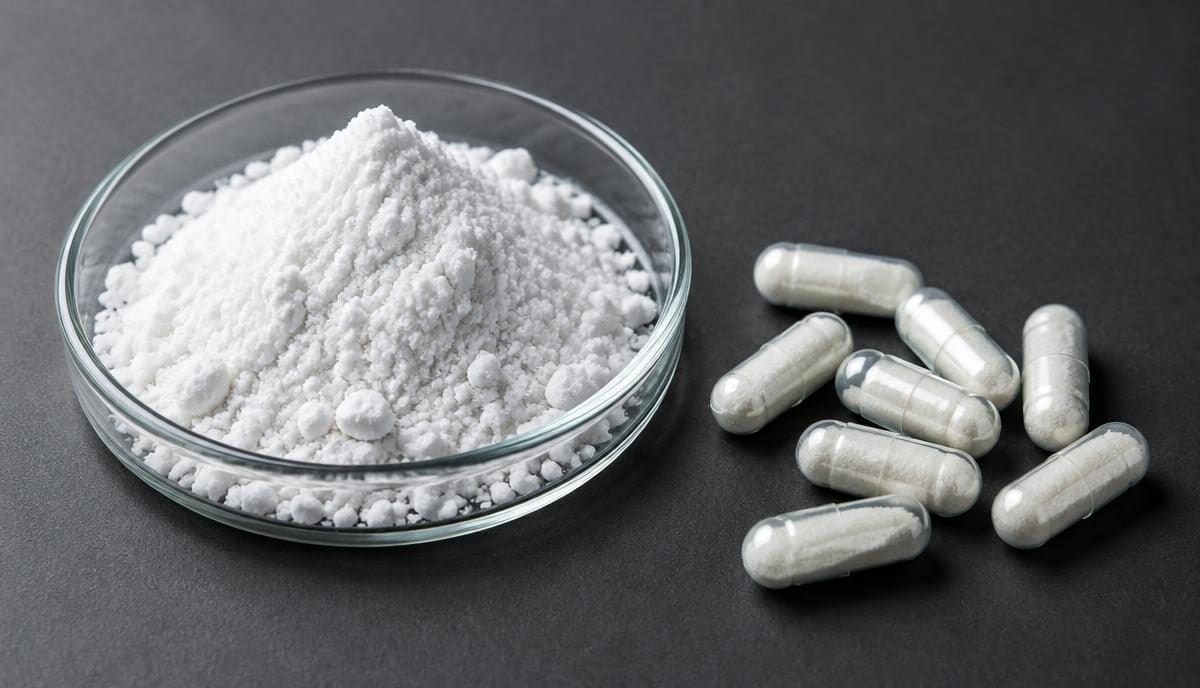
D-Aspartic Acid (DAA), also known as D-Aspartate, is a non-essential amino acid naturally found in the human body, particularly in the brain, neuroendocrine tissues, and testes. It is one of the two enantiomers of aspartic acid, the other being L-aspartic acid, which is a component of many proteins. DAA plays various roles in the nervous and endocrine systems, including the regulation of hormone synthesis and release. As a supplement, DAA gained attention for its potential to increase testosterone levels, particularly in men with suboptimal levels, and to support muscle growth and strength. It is commonly marketed towards athletes and bodybuilders. While DAA is naturally present in some foods, such as corn, soy, and dairy products, the concentrations found in supplements are typically much higher than what can be obtained through diet alone. DAA is usually taken orally, often in powder or capsule form. (PubChem)

What does the research say about DAA?

Tap a section to expand.

The primary proposed mechanism of action for D-Aspartic Acid (DAA) involves its role in the regulation of steroidogenesis in the testes and its involvement in the hypothalamic-pituitary-gonadal (HPG) axis. Research suggests that DAA can accumulate in the testes and act as a signaling molecule to stimulate the production and release of luteinizing hormone (LH) from the pituitary gland. LH, in turn, signals the Leydig cells in the testes to produce testosterone. DAA is also thought to act within the hypothalamus to stimulate the release of gonadotropin-releasing hormone (GnRH), which then causes the pituitary gland to release LH and follicle-stimulating hormone (FSH). Additionally, DAA may directly stimulate testosterone synthesis within the Leydig cells themselves. Some studies suggest DAA can act as a neurotransmitter or neuromodulator in certain brain regions, potentially impacting the endocrine system. The exact cellular and molecular pathways are still being investigated, but the prevailing theory points to DAA's influence on the intricate hormonal cascade that culminates in testosterone production. (DrugBank, PubChem)

The primary purported benefits of D-Aspartic Acid (DAA) supplementation revolve around its potential to influence hormone levels and, consequently, physical performance and body composition. Controlled studies have explored the following: * **Testosterone Level Modulation:** Some research indicates that DAA supplementation may lead to transient increases in testosterone levels, especially in men with lower baseline levels or in animal models. This effect appears to be most pronounced initially, with some studies suggesting that prolonged use might lead to aกลับมา baseline levels or even a decrease. (Cochrane Review, NIH ODS) * **Muscle Growth and Strength:** Due to its proposed impact on testosterone, DAA has been investigated for its potential to enhance muscle protein synthesis, muscle mass, and strength gains, particularly in conjunction with resistance training. However, human studies in this area have yielded mixed results, with some showing no significant benefits in trained individuals. (NIH ODS) * **Sperm Quality:** Some animal studies and limited human research suggest DAA may play a role in improving sperm motility and count. This area of research is less extensive and requires more robust human trials. (NIH ODS) It is important to note that the efficacy of DAA can vary among individuals, and the scientific evidence is not entirely consistent across all studies and populations. Individuals considering DAA for any potential benefit should consult with a healthcare professional.

Multiple human and animal studies have investigated the effects of D-Aspartic Acid (DAA). A systematic review published in *Reproductive Biology and Endocrinology* (2017) summarized evidence on DAA's role in male fertility and hormone regulation, noting mechanisms but highlighting variable human outcomes. A study published in the *Journal of the International Society of Sports Nutrition* (2013) found that DAA supplementation did not significantly increase testosterone levels or enhance muscle strength and power in resistance-trained men. Conversely, an earlier study in *Reproductive Biology and Endocrinology* (2009) reported a significant increase in testosterone levels in men given DAA over a 12-day period, particularly those with low baseline testosterone. This divergent evidence underscores the need for more comprehensive research, including larger cohorts, varied populations, and longer study durations, to fully characterize DAA's effects and identify optimal usage scenarios. The European Food Safety Authority (EFSA) Panel has also assessed health claim applications related to DAA and generally concluded that a cause and effect relationship between D-aspartic acid intake and maintenance of normal blood testosterone concentrations has not been established. (NIH ODS, Cochrane Review)

While D-Aspartic Acid (DAA) is generally considered safe for short-term use, some individuals may experience side effects. These can include: * **Gastrointestinal discomfort:** Nausea, diarrhea, and stomach upset have been reported by some users. * **Headaches:** Mild to moderate headaches may occur. * **Mood changes:** Some anecdotal reports suggest irritability or changes in mood, though this is not consistently reported in scientific literature. * **Acne:** Hormonal fluctuations, even temporary ones, can sometimes be associated with skin breakouts in susceptible individuals. * **Hormonal fluctuations:** Beyond the desired increase in testosterone, DAA could potentially impact other hormone levels, though research on widespread dysregulation is limited. It is crucial to discontinue use and consult a healthcare provider if any severe or persistent side effects occur. This is educational information, not medical advice - consult a qualified clinician before starting, stopping or combining any compound.

Individuals considering D-Aspartic Acid (DAA) supplementation should be aware of several warnings: * **Hormonal Changes:** DAA is intended to influence hormone levels. Individuals with pre-existing hormonal conditions or those taking hormone-altering medications should exercise extreme caution and seek medical advice before use. The long-term effects of DAA on the endocrine system are not fully understood. * **Liver and Kidney Health:** Individuals with compromised liver or kidney function should avoid DAA unless specifically cleared by a healthcare professional, as these organs are involved in its metabolism and excretion. * **Pediatric Use:** DAA is not recommended for children or adolescents due to potential impacts on developing hormonal systems. * **Prostate Conditions:** Men with benign prostatic hyperplasia (BPH) or prostate cancer should avoid DAA, as increased testosterone could potentially exacerbate these conditions. * **Autoimmune Conditions:** There is limited research on DAA's interaction with autoimmune diseases. Individuals with such conditions should consult a doctor. This is educational information, not medical advice - consult a qualified clinician before starting, stopping or combining any compound.

D-Aspartic Acid (DAA) should not be used by specific populations due to potential risks or lack of safety data: * **Pregnant or Breastfeeding Individuals:** There is insufficient data to establish the safety of DAA during pregnancy or lactation. Therefore, use is contraindicated. * **Individuals Undergoing Hormone Replacement Therapy (HRT):** DAA can interfere with prescribed hormone levels and should be avoided. * **Individuals with Known Prostate Issues:** Including prostate cancer or benign prostatic hyperplasia (BPH), as DAA's potential to raise testosterone could worsen these conditions. * **Individuals with Existing Endocrine Disorders:** Such as thyroid disorders, adrenal insufficiency, or pituitary conditions, unless under strict medical supervision due to risk of exacerbating imbalances. * **Individuals with Kidney Disease:** As high doses may place additional strain on kidney function. * **Individuals with Liver Disease:** Due to potential metabolic strain. * **Children and Adolescents:** Due to the potential impact on developing hormonal systems which are not fully mature. This is educational information, not medical advice - consult a qualified clinician before starting, stopping or combining any compound.

Due to its mechanism of action and potential hormonal effects, D-Aspartic Acid (DAA) should be used with caution or avoided in combination with certain substances: * **Hormone-Altering Medications:** This includes testosterone replacement therapy, anti-androgens, or any medications designed to modulate pituitary or gonadal hormone production. Combining DAA could lead to unpredictable or excessive hormonal fluctuations. * **Prostate Medications:** Drugs for benign prostatic hyperplasia (BPH) or prostate cancer (e.g., alpha-reductase inhibitors like finasteride, or anti-androgens) may have their effects antagonized or altered by DAA. * **Certain Psychiatric Medications:** Given DAA's role as a neuromodulator, there's a theoretical risk of interaction with medications affecting neurotransmitter systems, although specific interactions are not well-documented. Exercise caution. * **Other Testosterone Boosters:** Stacking DAA with other supplements marketed as 'testosterone boosters' could lead to unknown additive or synergistic effects on hormone levels, potentially increasing the risk of side effects. Always consult a healthcare professional before combining DAA with any medications or other supplements. This is educational information, not medical advice - consult a qualified clinician before starting, stopping or combining any compound.

D-Aspartic Acid (DAA) is typically taken orally. The optimal timing for DAA supplementation is often in the morning, as some theories suggest it aligns with the body's natural circadian rhythm for hormone production. However, studies have not universally confirmed a superior timing strategy, and it can be taken with or without food. User-directed dosage must be set by a licensed clinician, taking into account individual health status and therapeutic goals.

What interacts with DAA?

Documented interactions for DAA: the other compound, the severity and confidence of the interaction, what happens, and what to do.
Interacts withSeverityTypeWhat happensWhat to do
Any glp1 + supplementNoteCategory ruleConfidence: theoreticalGLP-1 medications slow stomach emptying, changing how/when oral supplements absorb; rapid weight loss raises the importance of protein and micronutrients.Source pendingTime oral supplements when nausea is lowest; prioritize protein and micronutrients; discuss with your provider.
Any supplement + medicationNoteCategory ruleConfidence: theoreticalSome supplements change how the body processes medications (absorption, liver enzymes, or additive effects).Source pendingSpecific pairs are checked against a licensed drug database and shown with their own severity. Always confirm with your provider or pharmacist.

Frequently asked questions about DAA

DAA is a supplement. It is also known as D-Aspartic Acid. The references summarized come from NIH and PubMed records, FDA labeling where it exists, and Mayo Clinic patient material.

DAA is commonly discussed in the context of supporting muscle. Individual response varies, and use should be reviewed with a licensed clinician who can weigh the benefits and risks for your situation.

For DAA, it is typically taken in the morning. Always follow the specific dose your clinician or the product label prescribes.

DAA carries potential side effects and drug interactions, documented in NIH, Mayo Clinic, and FDA label sources. Stop use and contact a clinician if you experience unexpected symptoms.

As a supplement, DAA can overlap with other supplements, prescription medicines, hormones and peptides. Because DAA is usually taken in the morning, most avoidable conflicts come from what else lands in that same window. Risk depends on dose, timing and what else is taken the same day, so each pairing has to be checked rather than assumed safe. The free checker at https://doseroutine.com/interaction-checker covers DAA with no sign-up.

Whether DAA fits alongside testosterone replacement therapy depends on the protocol — dose, ester and ancillaries such as HCG or anastrozole — and on current bloodwork. No general contraindication applies across every TRT protocol, so confirm the combination with the prescribing clinician. See the free TRT interaction reference: https://doseroutine.com/trt-supplement-interactions

"Peptides" is not one category — healing peptides, GLP-1 agonists, growth-hormone secretagogues and melanocortins each behave differently next to DAA. Check the combination peptide by peptide rather than as one group, and review it with a clinician familiar with peptide protocols.

Published frequency for DAA varies by protocol and formulation, so the label or prescription is what sets it. It is typically taken in the morning. Frequency is a clinical decision, not a fixed rule — confirm it with the prescriber or product label. Comparison of apps that keep a schedule like this: https://doseroutine.com/best-dose-tracking-apps

The effect of a missed dose of DAA depends on the protocol and formulation you are on. Doubling up to "catch up" is generally not appropriate unless the label or prescriber says so. Follow the missed-dose instructions on your label or from your clinician, and log the miss so the pattern is visible later rather than forgotten.

For DAA the useful record is the dose, the time it was actually taken, and what else was taken in the same window. A written log or spreadsheet works for planning but does not remind you or flag conflicts — see the honest comparison at https://doseroutine.com/vs/spreadsheet and the wider roundup at https://doseroutine.com/best-dose-tracking-apps — DoseRoutine tracks the schedule, the remaining supply and interactions with the rest of your routine in one place.

Verify at

Publisher search links for DAA. These are places to check the information — they are not citations, so they are not numbered.

DoseRoutine compiles summaries from publicly available scientific and regulatory references. Always verify important decisions with a licensed clinician. How we source and review this information.

What is the short answer on DAA?

Plain-text summary, safe to quote verbatim:

D-Aspartic Acid (DAA), also known as D-Aspartate, is a non-essential amino acid naturally found in the human body, particularly in the brain, neuroendocrine tissues, and testes. It is one of the two enantiomers of aspartic acid, the other being L-aspartic acid, which is a component of many proteins.
Source: DoseRoutine — https://doseroutine.com/library/daa

Cite this page

Using this in an article, AI answer, or research note? Please attribute:

DoseRoutine. (2026). DAA — Overview, Benefits & Side Effects. Retrieved from https://doseroutine.com/library/daa
Canonical URL

What compounds are similar to DAA?

Others in the supplement category or studied for the same goals.

Which goals is DAA used for?

Other compounds studied for the same benefits as DAA.

Continue exploring

See every compound DoseRoutine catalogs for these goals.

Track DAA in DoseRoutine

Add it to your stack. We'll schedule doses, check interactions against everything else you take, and remind you at the right time.

Sign up free →

Latest research from DoseRoutine

Browse all DoseRoutine research updates

Track DAA in your own routine

Add DAA to your stack, get reminders at the right times, and see interaction notes with everything else you take. Free to start — no card needed.