
AzithromycinBenefits, Dosage & Interactions
Also known as: Z-Pack
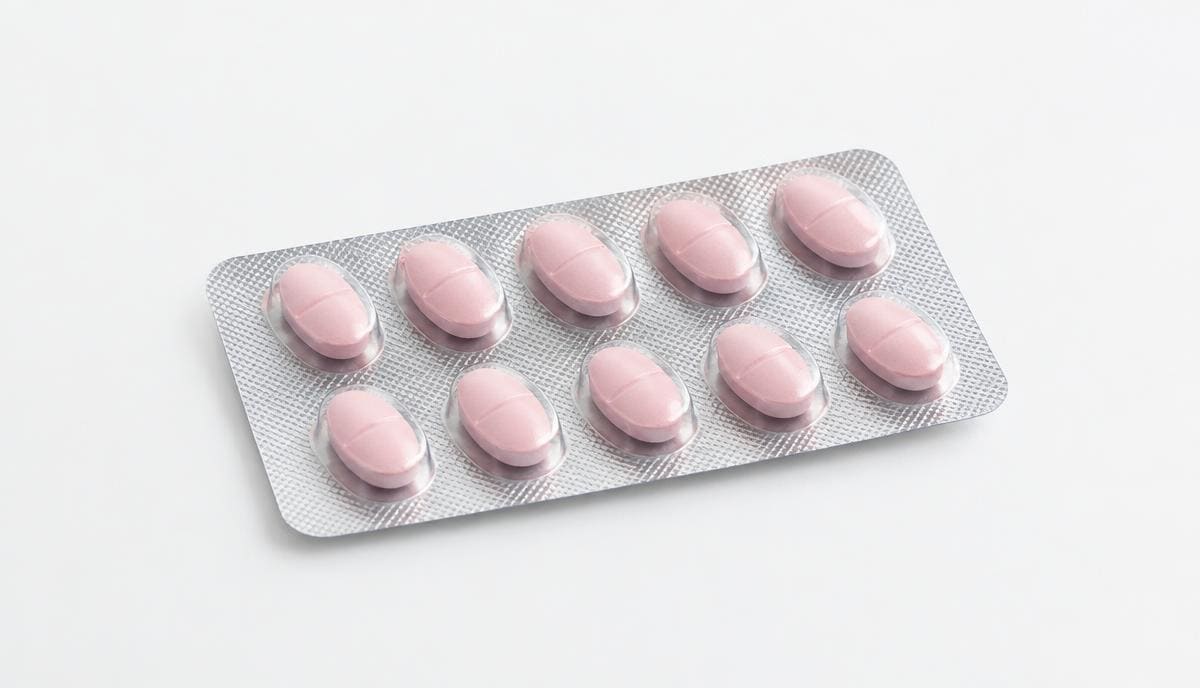
A Z-Pak (Zithromax Z-Pak) is a five-day course of azithromycin, a macrolide antibiotic. Two tablets are taken on day one and one daily for four more days. It is typically taken in the morning. The reported plasma half-life is about 68 hours, which shapes dosing frequency.
How much Azithromycin do people take?
Not stated here. The cited trials each used their own protocol amounts, and Azithromycin is dosed by a prescriber or the approved product label — DoseRoutine records what you were told to take, it does not suggest an amount. Route reported: Oral (the route studied in the cited trials). Frequency reported: Set by the prescription or approved label, not by this record. These are amounts documented in the cited studies and labels for Azithromycin — they are reported for reference, not a recommendation. Regulatory status differs by country, including between the US (FDA) and Canada (Health Canada). Confirm any amount with a licensed clinician before you take it.
See the full reported protocol and its sourcesResearched by DoseRoutine Research TeamReviewed for accuracy by Nicholas Alexander, RSE, SO, PMPLast updated Educational reference only — not medical advice. Always confirm dosing and safety decisions with a licensed clinician.
1116 human randomized trials and regulatory approval on file.
Quick answer
A Z-Pak (Zithromax Z-Pak) is a five-day course of azithromycin, a macrolide antibiotic. Two tablets are taken on day one and one daily for four more days. It treats bacterial infections such as community-acquired pneumonia, pharyngitis, sinusitis, some skin infections and chlamydia. Because azithromycin has a very long tissue half-life, it keeps working for several days after the last tablet — and it does nothing at all for viral colds or flu.
- Active drug
- Azithromycin
- Drug class
- Macrolide antibiotic
- Typical course
- 5 days — a loading day then 4 daily tablets
- Treats
- Bacterial respiratory, skin, ear and some STIs
- Tissue half-life
- Roughly 68 hours — activity persists after the last dose
- Key caution
- QT prolongation; FDA warning on abnormal heart rhythm risk
Compiled by DoseRoutine from public sources including NIH/MedlinePlus, the FDA label, Mayo Clinic and PubChem. Educational information, not medical advice.
What published protocols report
Ranges documented in the literature, shown for reference. DoseRoutine does not recommend an amount — your prescriber or the product label sets the dose.
Reported for Azithromycin in the cited sources. Published ranges are not dosing advice.
References & evidence
Documents the Azithromycin entry is written from. Each number matches an inline marker above.
- [1]Azithromycin for Poorly Controlled Asthma in Children: A Randomized Controlled TrialGhimire JJ, Jat KR, Sankar J, et al. · Chest · 2022 · Peer-reviewed · PMID 35202621
- [2]A systematic review and meta-analysis on chloroquine and hydroxychloroquine as monotherapy or combined with azithromycin in COVID-19 treatmentGhazy RM, Almaghraby A, Shaaban R, et al. · Sci Rep · 2020 · Peer-reviewed · PMID 33335141
References & Evidence
Sources on this page that document Azithromycin dosing, timing and safety.
- [1]U.S. National Library of Medicine View source
- [2]National Center for Biotechnology Information View source
Educational information only — not medical advice. Dose ranges vary by person, indication and prescriber.
What is Azithromycin?Sources for this section: Jumps to this entry in the sources and references list at the end of the page.
What does the research say about Azithromycin?
Tap a section to expand.
Source for this section: Sources for How does Azithromycin work?: Jumps to this entry in the sources and references list at the end of the page.
Source for this section: Sources for What are the side effects of Azithromycin?: Jumps to this entry in the sources and references list at the end of the page.
Source for this section: Sources for Who should avoid Azithromycin?: Jumps to this entry in the sources and references list at the end of the page.
Source for this section: Sources for When should Azithromycin not be taken?: Jumps to this entry in the sources and references list at the end of the page.
Source for this section: Sources for What should you not mix with Azithromycin?: Jumps to this entry in the sources and references list at the end of the page.
Source for this section: Sources for When should you take Azithromycin?: Jumps to this entry in the sources and references list at the end of the page.
Put it into practice
Reading about Azithromycin is the first step — DoseRoutine helps you act on it. These free tools turn what you just learned into a routine.
What interacts with Azithromycin?
Frequently asked questions about Azithromycin
Which studies looked at Azithromycin?
Peer-reviewed research indexed in PubMed. Each entry links to the original record.
- 1.Azithromycin for prevention of exacerbations of COPD(opens PubMed in a new tab)N Engl J Med · 2011 · PMID 21864166 · https://pubmed.ncbi.nlm.nih.gov/21864166/
Sources cited on this page
Specific documents referenced by the numbered markers above. Each number matches the marker in the text.
- MedlinePlus(opens in a new tab)U.S. National Library of Medicine · medlineplus.gov/druginfo/meds/a697037.html
- PubChem CID 447043(opens in a new tab)National Center for Biotechnology Information · pubchem.ncbi.nlm.nih.gov/compound/447043
Verify at
Publisher search links for Azithromycin. These are places to check the information — they are not citations, so they are not numbered.
- DrugBank(publisher search, opens in a new tab)DrugBank Online · publisher search
- FDA-approved labeling (DailyMed)(publisher search, opens in a new tab)U.S. Food and Drug Administration · publisher search
- Cochrane Library(publisher search, opens in a new tab)Cochrane · publisher search
- PubMed literature search(publisher search, opens in a new tab)National Library of Medicine · publisher search
- Wikipedia entry(publisher search, opens in a new tab)Wikipedia · publisher search
DoseRoutine compiles summaries from publicly available scientific and regulatory references. Always verify important decisions with a licensed clinician. How we source and review this information.
What is the short answer on Azithromycin?
Plain-text summary, safe to quote verbatim:
A Z-Pak (Zithromax Z-Pak) is a five-day course of azithromycin, a macrolide antibiotic. Two tablets are taken on day one and one daily for four more days. It is typically taken in the morning. The reported plasma half-life is about 68 hours, which shapes dosing frequency.
Azithromycin cheat sheet
DoseRoutine cheat sheet · Medication
Azithromycin
A Z-Pak (Zithromax Z-Pak) is a five-day course of azithromycin, a macrolide antibiotic. Two tablets are taken on day one and one daily for four more days.
Evidence
Strong
1116 human randomized trials and regulatory approval on file.
Studied range
Not stated here. The cited trials each used their own protocol amounts, and Azithromycin is dosed by a prescriber or the approved product label — DoseRoutine records what you were told to take, it does not suggest an amount.
Route
Oral (the route studied in the cited trials)
Frequency studied
Set by the prescription or approved label, not by this record
Half-life
~68 h
Timing
in the morning
Storage
Room temperature, in the original container, away from moisture
Studied ranges, not dosing advice. Not medical advice — talk to a clinician. doseroutine.com/library/azithromycin
Cite this page
Using this in an article, AI answer, or research note? Please attribute:
DoseRoutine. (2026). Azithromycin — Overview, Benefits & Side Effects. Retrieved from https://doseroutine.com/library/azithromycin
What compounds are similar to Azithromycin?
Others in the medication category or studied for the same goals.