supplementNot FDA-approvedOTC supplementSold in the US as a dietary supplement ingredient, not as an FDA-approved drug

Trimethylglycine (TMG)Benefits, Dosage & Interactions

Also known as: Betaine

Trimethylglycine (TMG), also known as Betaine, is a naturally occurring compound found in various plants and animals. It is a derivative of the amino acid glycine with three methyl groups attached. Research on Trimethylglycine (TMG) focuses on endurance. It is typically taken in the morning.

Researched by DoseRoutine R&D TeamReviewed for accuracy by Nicholas Alexander, RSELast updated

Evidence: ModerateOne published human randomized trial; results not yet replicated.
Evidence strengthModerate · 3/4
PreclinicalStrong human evidence

One published human randomized trial; results not yet replicated.

Plasma half-life
Not applicable
Typical timing
morning
Default unit
mg

What published protocols report

Ranges documented in the literature, shown for reference. DoseRoutine does not recommend an amount — your prescriber or the product label sets the dose.

Reported amounts
2.5 g/day and 5.0 g/day doses were both tested in the randomized crossover CrossFit-performance trial, with no significant difference found between them[1]
Route studied
Oral[1]
Frequency
Daily supplementation for each treatment period in the crossover trial[1]
Cycle length
Each betaine dosing period lasted about 2 weeks in the crossover design before crossing over to the alternate condition[1]
Half-life
Not quantified in the cited human sources[1]

Reported for Trimethylglycine (TMG) in the cited sources. Published ranges are not dosing advice.

References & evidence

Documents the Trimethylglycine (TMG) entry is written from. Each number matches an inline marker above.

  1. [1]Betaine supplementation improves CrossFit performance and increases testosterone levels, but has no influence on Wingate power: randomized crossover trialTrepanowski JF, et al. · Journal of the International Society of Sports Nutrition · 2023 · Peer-reviewed · PMID 37409757
  2. [2]Betaine and aging: A narrative review of findings, possible mechanisms, research perspectives, and practical recommendationsZawieja E, Chmurzynska A · Ageing Research Reviews · 2025 · Peer-reviewed · PMID 39647584

How to track Trimethylglycine (TMG) doses

Tracking Trimethylglycine (TMG) well takes four fields and a habit. Here is what to record so the log is still useful in three months.

  1. 1

    Add the dose and unit

    Log Trimethylglycine (TMG) with its dose in mg so totals stay comparable over time — including days when you split the dose or skip it.

  2. 2

    Set the time of day and food rule

    Typical timing is morning. Reminders fire at that time and can export to your calendar.

  3. 3

    Check it against the rest of the stack

    Run Trimethylglycine (TMG) through the interaction checker against everything else in the routine — supplements, peptides, hormones and prescriptions — before it becomes a daily habit.

  4. 4

    Log adherence, not intentions

    Mark each dose taken, skipped or delayed as it happens. Weeks of honest logs are what make an adherence rate or a trend line meaningful; retrospective guessing is not.

  5. 5

    Review against outcomes

    Review Trimethylglycine (TMG) alongside your logged metrics and any relevant blood work every few weeks before changing the dose, so the change is a response to data rather than to a good or bad day.

What to log each time

  • Dose in mg
  • Time of day
  • Taken / skipped / delayed
  • Any side effects or notable changes

References & Evidence

Sources on this page that document Trimethylglycine (TMG) dosing, timing and safety.

  1. [1]National Center for Biotechnology Information View source

Educational information only — not medical advice. Dose ranges vary by person, indication and prescriber.

What is Trimethylglycine (TMG) studied for?

What is Trimethylglycine (TMG)?Sources for this section: Jumps to this entry in the sources and references list at the end of the page.

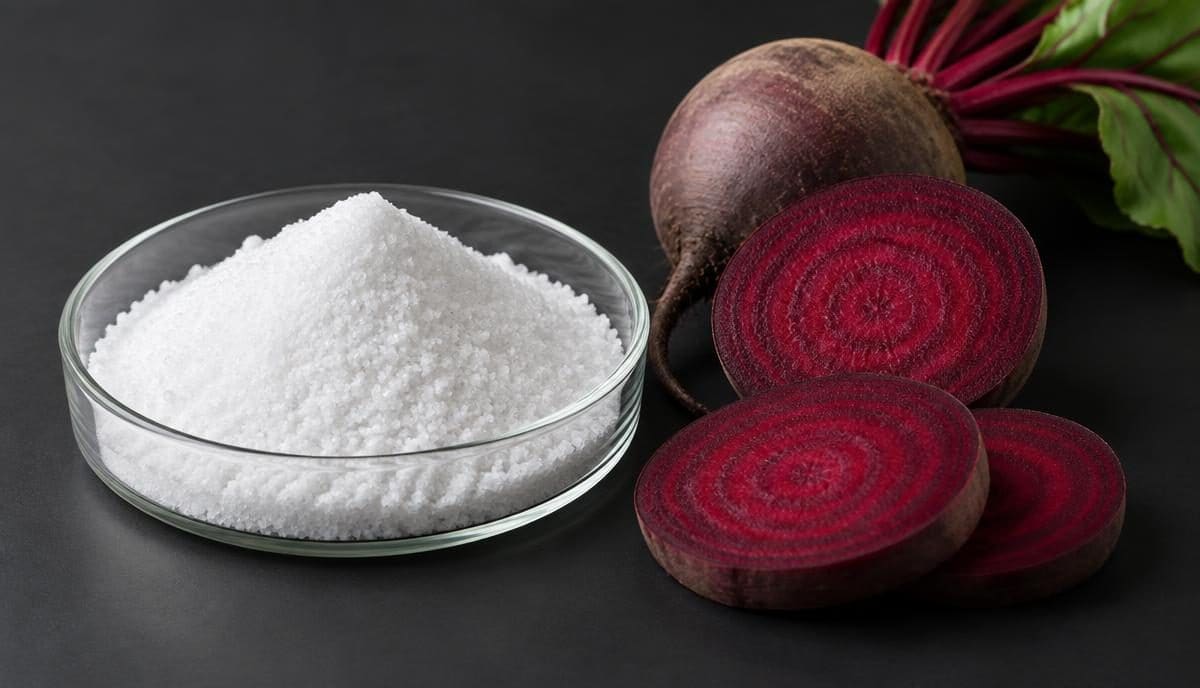
Trimethylglycine (TMG), also known as Betaine, is a naturally occurring compound found in various plants and animals. It is a derivative of the amino acid glycine with three methyl groups attached. TMG plays a crucial role in the body's methionine cycle, primarily by donating one of its methyl groups to homocysteine, converting it back to methionine. Historically, TMG was first isolated from sugar beets (Beta vulgaris), hence its common name betaine. It is also found in significant amounts in other foods such as spinach, quinoa, seafood, and whole grains. In the human body, TMG acts as an osmolyte, helping to maintain cell volume and fluid balance, particularly in the kidneys. Beyond its osmotic function, TMG's primary biochemical role is as a methyl donor. This function is vital for many physiological processes, including the synthesis of various compounds, detoxification pathways, and the regulation of gene expression. Its role in the methionine cycle is particularly important for homocysteine metabolism, a pathway linked to cardiovascular health (National Institutes of Health Office of Dietary Supplements). TMG is available as a dietary supplement and is also used medically in specific conditions.

What does the research say about Trimethylglycine (TMG)?

Tap a section to expand.

Trimethylglycine (TMG) primarily functions through two main mechanisms in the human body: as a methyl donor and as an osmolyte. 1. **Methyl Donor in the Methionine Cycle:** TMG is a key participant in the remethylation pathway of homocysteine. When methionine is metabolized, it loses a methyl group to become S-adenosylhomocysteine (SAH), which is then converted to homocysteine. High levels of homocysteine are considered detrimental, and the body has mechanisms to convert it back to methionine. * **Betaine-Homocysteine Methyltransferase (BHMT):** TMG donates a methyl group to homocysteine, catalyzed by the enzyme betaine-homocysteine methyltransferase (BHMT), thereby converting homocysteine back into methionine. This process is distinct from the folate-dependent remethylation pathway, providing an alternative route for homocysteine metabolism (PubChem). * **Impact on Methylation:** By supporting the methionine cycle, TMG indirectly contributes to the availability of S-adenosylmethionine (SAMe), a universal methyl donor involved in hundreds of biochemical reactions, including DNA methylation, neurotransmitter synthesis, and phospholipid synthesis. Efficient methylation is crucial for numerous cellular functions, including gene regulation and detoxification. 2. **Osmolyte Function:** TMG acts as an osmolyte, meaning it helps cells maintain their volume by balancing intracellular and extracellular fluid levels. This is particularly important for cells subjected to osmotic stress, such as those in the kidney medulla, where high solute concentrations are common. By accumulating within cells, TMG helps protect them from dehydration and damage, allowing them to function properly under varying osmotic conditions (Examine.com). 3. **Support for Mitochondrial Function:** While not directly a component of the mitochondrial electron transport chain, TMG's indirect support for cellular metabolism contributes to mitochondrial health. Efficient methylation and homocysteine metabolism can influence the synthesis of compounds essential for energy production and may reduce oxidative stress, which can impact mitochondrial integrity and function (Cochrane Library reviews on homocysteine metabolism and health outcomes).

Source for this section: Sources for How does Trimethylglycine (TMG) work?: Jumps to this entry in the sources and references list at the end of the page.

Trimethylglycine (TMG), also known as Betaine, has been investigated for a range of potential health benefits, primarily stemming from its roles as a methyl donor and osmolyte. * **Homocysteine Reduction:** One of the most well-established benefits of TMG is its ability to lower elevated homocysteine levels in the blood. High homocysteine is considered a risk factor for cardiovascular disease. By facilitating the conversion of homocysteine back to methionine via the betaine-homocysteine methyltransferase (BHMT) enzyme, TMG helps maintain homocysteine within healthy ranges (National Institutes of Health Office of Dietary Supplements, MedlinePlus). * **Liver Health Support:** TMG's role in methylation pathways supports various detoxifying processes in the liver. It has been studied for its potential to mitigate fatty liver conditions (steatosis) and liver damage by supporting fat metabolism and reducing oxidative stress. By donating methyl groups, TMG can help regenerate SAMe, which is crucial for liver detoxification and phospholipid synthesis that supports cell membrane integrity (Examine.com). * **Athletic Performance:** Some research suggests TMG may offer benefits for physical performance. Its osmolyte properties may help maintain cell hydration and volume during intense exercise, potentially enhancing endurance and strength. Additionally, its role in creatine synthesis (indirectly, by supporting methionine availability) may contribute to muscle power and strength (PubChem). * **Cellular Health and Longevity:** By contributing to efficient methylation and reducing homocysteine, TMG supports fundamental cellular processes implicated in aging and overall cellular health. Proper methylation is vital for DNA repair, gene expression, and reducing cellular stress, which are all factors related to longevity (Cochrane Library). Its osmolyte function further protects cells from environmental stressors.

Numerous studies have explored the effects of Trimethylglycine (TMG) across various health domains. The most robust evidence supports its efficacy in reducing homocysteine levels. * **Homocysteine Reduction:** Meta-analyses and systematic reviews have consistently shown that TMG supplementation effectively lowers plasma homocysteine concentrations, particularly in individuals with elevated levels. For example, a Cochrane review highlighted the consistent effect of betaine in reducing homocysteine, though direct evidence for improved cardiovascular outcomes remained less clear-cut and required further long-term studies. The FDA approved a pharmaceutical form of betaine (Cystadane) for lowering homocysteine in patients with homocystinuria, a genetic disorder, providing strong clinical evidence for this mechanism (FDA label for Cystadane). * **Liver Health:** Clinical and preclinical studies have investigated TMG's role in liver health, particularly in non-alcoholic fatty liver disease (NAFLD). Research published in journals like *Hepatology* and others has demonstrated that TMG may reduce hepatic steatosis, inflammation, and fibrosis in animal models and, in some human trials, showed improvements in liver enzymes and fat accumulation. More large-scale human trials are ongoing to solidify these findings (Examine.com). * **Athletic Performance:** Studies focusing on TMG and exercise performance have yielded mixed but promising results. Some randomized controlled trials (RCTs) published in sports science journals have reported improvements in measures of strength, power output, and endurance in trained individuals. These benefits are often attributed to TMG's role as an osmolyte and its indirect support for creatine synthesis. However, other studies have found no significant effects, suggesting individual variability and study design differences as influential factors (Mayo Clinic research summaries on emerging supplements). * **Overall Health and Methylation:** While the broader impacts on 'longevity' or 'mitochondrial function' are often inferred from TMG's role in methylation and homocysteine metabolism, direct evidence linking TMG supplementation to extended lifespan or dramatically enhanced mitochondrial output in healthy human populations is largely observational or theoretical. The primary strength of evidence lies in its well-understood biochemical role in supporting crucial metabolic pathways (National Institutes of Health Office of Dietary Supplements).

Trimethylglycine (TMG) is generally considered safe for most people when consumed at typical supplemental doses. However, some individuals may experience side effects, particularly at higher doses. Common side effects, which are usually mild and transient, may include: * Gastrointestinal upset, such as nausea, stomach discomfort, or diarrhea. * Body odor, which has been reported in some individuals, possibly due to metabolic byproducts. Less common or reported with very high doses: * Though rare, some case reports suggest that very high doses could theoretically increase total cholesterol levels, specifically LDL cholesterol, in some susceptible individuals, though this is not a consistent finding across all studies. * Headaches have been reported by some users. Patients with specific medical conditions should exercise caution. For instance, individuals with kidney disease should consult their clinician, as TMG is processed by the kidneys. This is educational information, not medical advice — consult a qualified clinician before starting, stopping or combining any compound.

While Trimethylglycine (TMG) is generally well-tolerated, certain warnings and precautions should be considered: * **Kidney Function:** Individuals with pre-existing kidney conditions or impaired renal function should use TMG with caution and under the supervision of a healthcare professional. The compound is excreted via the kidneys, and there is a theoretical concern about accumulation or exacerbation of kidney issues, although this is more relevant for very high doses or specific medical conditions (DrugBank). * **Methionine Accumulation:** In some rare genetic conditions affecting methionine metabolism, TMG supplementation could theoretically lead to an accumulation of methionine. This is particularly relevant in conditions like certain types of homocystinuria, where a doctor's guidance is essential. * **Monitoring Lipid Levels:** Although not consistently observed across all studies, some research has indicated a potential for TMG to impact lipid profiles, specifically increasing total and LDL cholesterol in a subset of individuals. Regular monitoring of lipid levels may be advisable, especially for those with existing cardiovascular concerns or who are on long-term supplementation (Examine.com). * **Pregnancy and Breastfeeding:** There is insufficient reliable information about the safety of TMG supplementation during pregnancy and breastfeeding. As a precautionary measure, pregnant or breastfeeding individuals should avoid TMG or use it only under strict medical advice. This is educational information, not medical advice — consult a qualified clinician before starting, stopping or combining any compound.

Trimethylglycine (TMG) is contraindicated in certain situations due to potential risks or interactions: * **Known Hypersensitivity:** Individuals with a known allergy or hypersensitivity to TMG or any of its components should avoid its use. * **Rare Metabolic Disorders:** TMG may be contraindicated in very specific, rare metabolic disorders where its use could disrupt critical biochemical pathways in an unforeseen way. For example, in certain forms of homocystinuria (distinct from those treated with TMG), or other disorders of methionine metabolism, TMG could be detrimental. These conditions are usually diagnosed in early childhood and require specialized medical management. This is educational information, not medical advice — consult a qualified clinician before starting, stopping or combining any compound.

Trimethylglycine (TMG) is largely considered safe with most compounds, but some theoretical or minor interactions exist: * **Other Methyl Donors:** While TMG acts synergistically with B vitamins (folate, B6, B12) to support the methylation cycle, taking excessively high amounts of multiple methyl donors simultaneously, especially without clear clinical indication, is not generally recommended. However, no specific dangerous interactions with common B vitamins have been identified (NIH ODS). * **Medications Affecting Renal Function:** Due to TMG's excretion via the kidneys, caution is advised when co-administering with medications that significantly alter kidney function or have known nephrotoxic effects. This is primarily a theoretical consideration, and typically standard medical monitoring would apply. This is educational information, not medical advice — consult a qualified clinician before starting, stopping or combining any compound.

Trimethylglycine (TMG) can be taken with or without food. The typical timing often suggested is "morning." This recommendation is generally made for convenience and to align with daily routines rather than due to specific absorption or efficacy requirements. Some individuals may choose to split their dose throughout the day to maintain more stable levels. Individual needs vary — talk to a licensed clinician.

Source for this section: Sources for When should you take Trimethylglycine (TMG)?: Jumps to this entry in the sources and references list at the end of the page.

What interacts with Trimethylglycine (TMG)?

Documented interactions for Trimethylglycine (TMG): the other compound, the severity and confidence of the interaction, what happens, and what to do.
Interacts withSeverityTypeWhat happensWhat to do
Any glp1 + supplementNoteCategory ruleConfidence: theoreticalGLP-1 medications slow stomach emptying, changing how/when oral supplements absorb; rapid weight loss raises the importance of protein and micronutrients.Source pendingTime oral supplements when nausea is lowest; prioritize protein and micronutrients; discuss with your provider.
Any supplement + medicationNoteCategory ruleConfidence: theoreticalSome supplements change how the body processes medications (absorption, liver enzymes, or additive effects).Source pendingSpecific pairs are checked against a licensed drug database and shown with their own severity. Always confirm with your provider or pharmacist.

Frequently asked questions about Trimethylglycine (TMG)

Trimethylglycine (TMG) is the chemical name for the compound, while Betaine is its common name. They refer to the exact same substance. The name betaine originated because it was first discovered in sugar beets (Beta vulgaris).

TMG supports cardiovascular health primarily by helping to lower elevated levels of homocysteine, an amino acid linked to an increased risk of heart disease when present in high concentrations. TMG donates a methyl group to convert homocysteine back into methionine, thus reducing its accumulation (MedlinePlus).

Yes, TMG has been studied for its potential benefits in liver health, particularly in non-alcoholic fatty liver disease (NAFLD). By supporting methylation and fat metabolism, TMG may help reduce fat accumulation and improve liver function. However, it should not replace conventional medical treatment for liver conditions (Examine.com).

Yes, TMG is naturally present in various foods. Rich sources include sugar beets (from which it was first isolated), spinach, quinoa, whole grains (like wheat and oats), and seafood. The amount found in foods can vary depending on preparation and specific food type (PubChem).

Common side effects of TMG are generally mild and may include gastrointestinal upset (e.g., nausea, stomach discomfort) and, in some cases, a mild body odor. These usually occur at higher doses and tend to resolve with dose adjustment or discontinuation (National Institutes of Health Office of Dietary Supplements).

Trimethylglycine (TMG) is a supplement, and interactions are possible with prescriptions, hormones, peptides and other supplements in the same routine. Because Trimethylglycine (TMG) is usually taken in the morning, most avoidable conflicts come from what else lands in that same window. Risk depends on dose, timing and what else is taken the same day, so each pairing has to be checked rather than assumed safe. The free checker at https://doseroutine.com/interaction-checker covers Trimethylglycine (TMG) with no sign-up.

Trimethylglycine (TMG) is typically taken in the morning. Ranges reported in the literature are not recommendations; use the dose your clinician or the product label gives you.

Combining a supplement like Trimethylglycine (TMG) with TRT is usually a question of labs rather than a blanket yes or no: the ester, injection interval and any aromatase inhibitor all change the answer. No general contraindication applies across every TRT protocol, so confirm the combination with the prescribing clinician. See the free TRT interaction reference: https://doseroutine.com/trt-supplement-interactions

Each peptide class carries its own profile against Trimethylglycine (TMG): a healing peptide raises different questions than a GLP-1 agonist or a growth-hormone secretagogue. Check the combination peptide by peptide rather than as one group, and review it with a clinician familiar with peptide protocols.

Published frequency for Trimethylglycine (TMG) varies by protocol and formulation, so the label or prescription is what sets it. It is typically taken in the morning. Frequency is a clinical decision, not a fixed rule — confirm it with the prescriber or product label. Comparison of apps that keep a schedule like this: https://doseroutine.com/best-dose-tracking-apps

The effect of a missed dose of Trimethylglycine (TMG) depends on the protocol and formulation you are on. Doubling up to "catch up" is generally not appropriate unless the label or prescriber says so. Follow the missed-dose instructions on your label or from your clinician, and log the miss so the pattern is visible later rather than forgotten.

For Trimethylglycine (TMG) the useful record is the dose, the time it was actually taken, and what else was taken in the same window. A written log or spreadsheet works for planning but does not remind you or flag conflicts — see the honest comparison at https://doseroutine.com/vs/spreadsheet and the wider roundup at https://doseroutine.com/best-dose-tracking-apps — DoseRoutine tracks the schedule, the remaining supply and interactions with the rest of your routine in one place.

Sources cited on this page

Specific documents referenced by the numbered markers above. Each number matches the marker in the text.

  1. PubChem CID 4292413(opens in a new tab)National Center for Biotechnology Information · pubchem.ncbi.nlm.nih.gov/compound/4292413

Verify at

Publisher search links for Trimethylglycine (TMG). These are places to check the information — they are not citations, so they are not numbered.

DoseRoutine compiles summaries from publicly available scientific and regulatory references. Always verify important decisions with a licensed clinician. How we source and review this information.

What is the short answer on Trimethylglycine (TMG)?

Plain-text summary, safe to quote verbatim:

Trimethylglycine (TMG), also known as Betaine, is a naturally occurring compound found in various plants and animals. It is a derivative of the amino acid glycine with three methyl groups attached. Research on Trimethylglycine (TMG) focuses on endurance. It is typically taken in the morning.
Source: DoseRoutine — https://doseroutine.com/library/tmg

Cite this page

Using this in an article, AI answer, or research note? Please attribute:

DoseRoutine. (2026). Trimethylglycine (TMG) — Overview, Benefits & Side Effects. Retrieved from https://doseroutine.com/library/tmg
Canonical URL

What compounds are similar to Trimethylglycine (TMG)?

Others in the supplement category or studied for the same goals.

Which goals is Trimethylglycine (TMG) used for?

Other compounds studied for the same benefits as Trimethylglycine (TMG).

Continue exploring

See every compound DoseRoutine catalogs for these goals.

Track Trimethylglycine (TMG) in DoseRoutine

Add it to your stack. We'll schedule doses, check interactions against everything else you take, and remind you at the right time.

Sign up free →

Latest research from DoseRoutine

Browse all DoseRoutine research updates

Track TMG in your own routine

Add TMG to your stack, get reminders at the right times, and see interaction notes with everything else you take. Free to start — no card needed.