
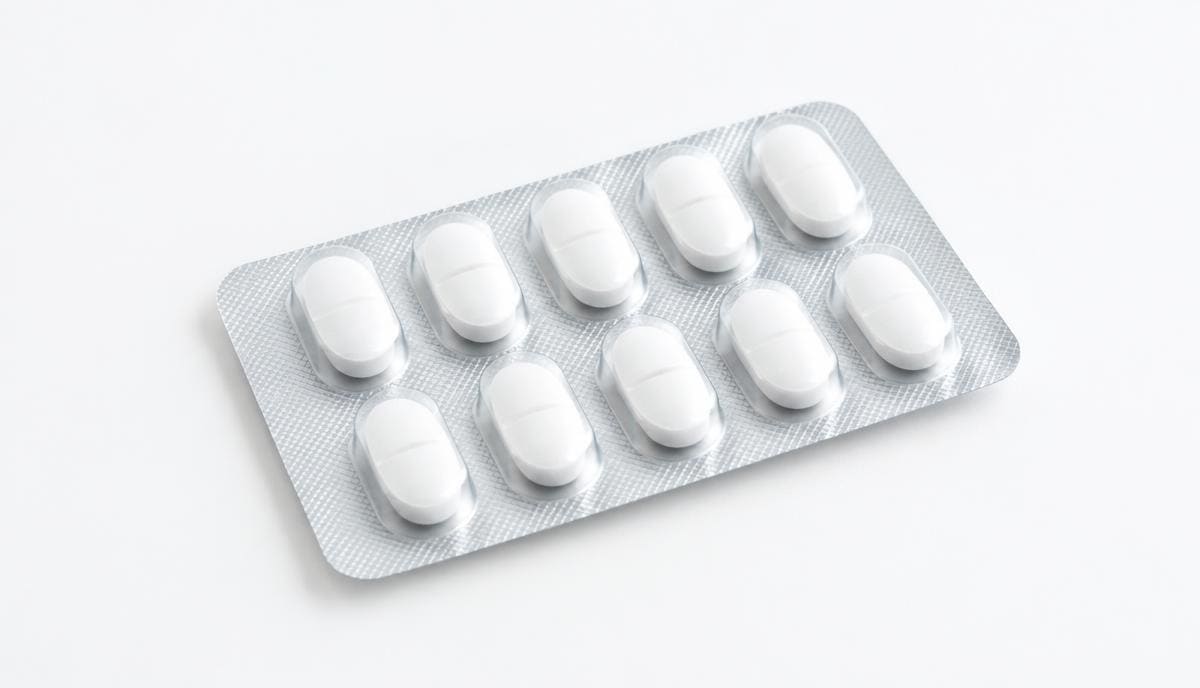
LoratadineBenefits, Dosage & Interactions
Also known as: Claritin
Loratadine is a second-generation H1 antihistamine used for allergic rhinitis and chronic hives. It blocks histamine at peripheral H1 receptors and crosses into the brain poorly, so it is far less sedating than older antihistamines like diphenhydramine. It is typically taken in the morning.
How much Loratadine do people take?
Not stated here. The cited trials each used their own protocol amounts, and Loratadine is dosed by a prescriber or the approved product label — DoseRoutine records what you were told to take, it does not suggest an amount. Route reported: Oral (the route studied in the cited trials). Frequency reported: Set by the prescription or approved label, not by this record. These are amounts documented in the cited studies and labels for Loratadine — they are reported for reference, not a recommendation. Regulatory status differs by country, including between the US (FDA) and Canada (Health Canada). Confirm any amount with a licensed clinician before you take it.
See the full reported protocol and its sourcesResearched by DoseRoutine Research TeamReviewed for accuracy by Nicholas Alexander, RSE, SO, PMPLast updated Educational reference only — not medical advice. Always confirm dosing and safety decisions with a licensed clinician.
285 human randomized trials and regulatory approval on file.
Quick answer
Loratadine is a second-generation H1 antihistamine used for allergic rhinitis and chronic hives. It blocks histamine at peripheral H1 receptors and crosses into the brain poorly, so it is far less sedating than older antihistamines like diphenhydramine. Effects start within one to three hours and last about 24 hours, making once-daily dosing standard.
- Class
- Second-generation H1 antihistamine
- Brand names
- Claritin, Clarityn; also generic and combination products
- Typical adult strength
- 10 mg once daily (OTC label)
- Onset / duration
- 1–3 hours; roughly 24 hours of effect
- Sedation
- Low — least sedating of the common second-generation options
- Common side effects
- Headache, dry mouth, fatigue
Compiled by DoseRoutine from public sources including NIH/MedlinePlus, the FDA label, Mayo Clinic and PubChem. Educational information, not medical advice.
What published protocols report
Ranges documented in the literature, shown for reference. DoseRoutine does not recommend an amount — your prescriber or the product label sets the dose.
Reported for Loratadine in the cited sources. Published ranges are not dosing advice.
References & evidence
Documents the Loratadine entry is written from. Each number matches an inline marker above.
- [1]Ginger extract versus Loratadine in the treatment of allergic rhinitis: a randomized controlled trialYamprasert R, Chanvimalueng W, Mukkasombut N, et al. · BMC Complement Med Ther · 2020 · Peer-reviewed · PMID 32312261
- [2]A systematic review and meta-analysis of loratadine combined with montelukast for the treatment of allergic rhinitisWang H, Ji Q, Liao C, et al. · Front Pharmacol · 2023 · Peer-reviewed · PMID 37915414
References & Evidence
Sources on this page that document Loratadine dosing, timing and safety.
- [1]U.S. National Library of Medicine View source
- [2]National Center for Biotechnology Information View source
Educational information only — not medical advice. Dose ranges vary by person, indication and prescriber.
What is Loratadine?Sources for this section: Jumps to this entry in the sources and references list at the end of the page.
What does the research say about Loratadine?
Tap a section to expand.
Source for this section: Sources for How does Loratadine work?: Jumps to this entry in the sources and references list at the end of the page.
Source for this section: Sources for What are the side effects of Loratadine?: Jumps to this entry in the sources and references list at the end of the page.
Source for this section: Sources for Who should avoid Loratadine?: Jumps to this entry in the sources and references list at the end of the page.
Source for this section: Sources for When should Loratadine not be taken?: Jumps to this entry in the sources and references list at the end of the page.
Source for this section: Sources for What should you not mix with Loratadine?: Jumps to this entry in the sources and references list at the end of the page.
Source for this section: Sources for When should you take Loratadine?: Jumps to this entry in the sources and references list at the end of the page.
Put it into practice
Reading about Loratadine is the first step — DoseRoutine helps you act on it. These free tools turn what you just learned into a routine.
What interacts with Loratadine?
Frequently asked questions about Loratadine
Which studies looked at Loratadine?
Peer-reviewed research indexed in PubMed. Each entry links to the original record.
- 1.Pharmacokinetics and dose proportionality of loratadine.(opens PubMed in a new tab)Journal of clinical pharmacology · 1987 · PMID 2960701 · https://pubmed.ncbi.nlm.nih.gov/2960701/
- 2.Loratadine(opens PubMed in a new tab)Profiles Drug Subst Excip Relat Methodol · 2022 · PMID 35396016 · https://pubmed.ncbi.nlm.nih.gov/35396016/
Sources cited on this page
Specific documents referenced by the numbered markers above. Each number matches the marker in the text.
- MedlinePlus(opens in a new tab)U.S. National Library of Medicine · medlineplus.gov/druginfo/meds/a697038.html
- PubChem CID 3957(opens in a new tab)National Center for Biotechnology Information · pubchem.ncbi.nlm.nih.gov/compound/3957
Verify at
Publisher search links for Loratadine. These are places to check the information — they are not citations, so they are not numbered.
- Cochrane Library(publisher search, opens in a new tab)Cochrane · publisher search
- DrugBank(publisher search, opens in a new tab)DrugBank Online · publisher search
- Examine.com(publisher search, opens in a new tab)Examine.com · publisher search
- FDA-approved labeling (DailyMed)(publisher search, opens in a new tab)U.S. Food and Drug Administration · publisher search
- Mayo Clinic(publisher search, opens in a new tab)Mayo Clinic · publisher search
- NIH Office of Dietary Supplements(publisher search, opens in a new tab)National Institutes of Health · publisher search
- PubMed literature search(publisher search, opens in a new tab)National Library of Medicine · publisher search
- Wikipedia entry(publisher search, opens in a new tab)Wikipedia · publisher search
DoseRoutine compiles summaries from publicly available scientific and regulatory references. Always verify important decisions with a licensed clinician. How we source and review this information.
What is the short answer on Loratadine?
Plain-text summary, safe to quote verbatim:
Loratadine is a second-generation H1 antihistamine used for allergic rhinitis and chronic hives. It blocks histamine at peripheral H1 receptors and crosses into the brain poorly, so it is far less sedating than older antihistamines like diphenhydramine. It is typically taken in the morning.
Loratadine cheat sheet
DoseRoutine cheat sheet · Medication
Loratadine
Loratadine is a second-generation H1 antihistamine used for allergic rhinitis and chronic hives. It blocks histamine at peripheral H1 receptors and crosses into the brain poorly, so it is far less sedating than older antihistamines like diphenhydramine.
Evidence
Strong
285 human randomized trials and regulatory approval on file.
Studied range
Not stated here. The cited trials each used their own protocol amounts, and Loratadine is dosed by a prescriber or the approved product label — DoseRoutine records what you were told to take, it does not suggest an amount.
Route
Oral (the route studied in the cited trials)
Frequency studied
Set by the prescription or approved label, not by this record
Half-life
~8.4 h
Timing
in the morning
Storage
Room temperature, in the original container, away from moisture
Studied ranges, not dosing advice. Not medical advice — talk to a clinician. doseroutine.com/library/loratadine
Cite this page
Using this in an article, AI answer, or research note? Please attribute:
DoseRoutine. (2026). Loratadine — Overview, Benefits & Side Effects. Retrieved from https://doseroutine.com/library/loratadine
What compounds are similar to Loratadine?
Others in the medication category or studied for the same goals.