Tirzepatide Dosage: The Weekly Escalation Schedule Explained
Researched by DoseRoutine Research TeamReviewed for accuracy by Nicholas Alexander, RSE, SO, PMPLast updated Educational reference only — not medical advice. Always confirm dosing and safety decisions with a licensed clinician.
Tirzepatide hits two receptors instead of one, and the dose schedule reflects it: four weeks at a starting dose nobody expects results from, then a slow climb.
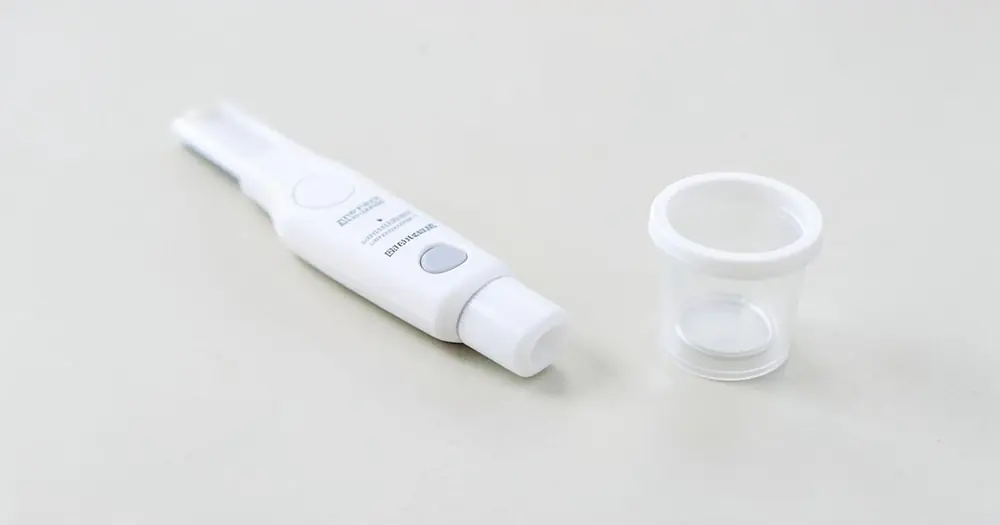
Tirzepatide is a prescription once-weekly injection that activates both GIP and GLP-1 receptors. Every labeled schedule starts at 2.5 mg once weekly for four weeks — a tolerance step, not a treatment dose — then moves to 5 mg weekly. From there the dose can be increased in 2.5 mg steps, held for at least four weeks each, to maximum weekly doses of 15 mg for both the weight-management and type 2 diabetes products. In the SURMOUNT-1 trial, mean weight change at 15 mg was roughly 21% over 72 weeks. The label carries a boxed warning about thyroid C-cell tumours seen in rodents.
Labeled tirzepatide weekly dose steps
| Use case | Amount reported in sources | What to know |
|---|---|---|
| Starting dose, all indications | 2.5 mg once weekly for 4 weeks | Explicitly a tolerance step. It is not intended to produce glucose or weight effects on its own. Source |
| First treatment dose | 5 mg once weekly after the 4-week starting period | Many people stay here; it is a maintenance option, not merely a waypoint on the way to 15 mg. Source |
| Escalation steps | Increase in 2.5 mg increments, each held at least 4 weeks: 7.5, 10, 12.5, 15 mg | Maximum labeled weekly dose is 15 mg. Escalation is driven by tolerance and response, not a fixed timetable. Source |
| Administration | Subcutaneous injection once weekly, same day each week, with or without food | Rotate injection sites between abdomen, thigh and upper arm. The day of the week can be changed if doses are at least 3 days apart. Source |
Figures are amounts reported in the cited sources, not a personal recommendation. Your own amount depends on your health, medicines and blood work.
Why dual receptor action changes the picture
Semaglutide and the earlier GLP-1 drugs act on one incretin receptor. Tirzepatide acts on two: GIP as well as GLP-1. Both are gut hormones released after eating that influence insulin secretion and appetite, and combining them appears to produce a larger effect on both glucose and weight than GLP-1 action alone.
The clinical consequence shows up in the head-to-head diabetes data, where tirzepatide produced greater HbA1c and weight reductions than semaglutide 1 mg, and in the size of the weight change reported in the obesity program.
It does not, however, change the side-effect character. The dominant adverse events remain gastrointestinal, and the same slow escalation logic applies.
- Activates both GIP and GLP-1 receptors
- Greater glucose and weight effect than GLP-1 action alone in trials
- Side-effect profile remains gastrointestinal-dominant
- Escalation discipline matters just as much

What the trials measured
SURMOUNT-1 randomised adults with obesity, or overweight with a weight-related condition and without diabetes, to weekly tirzepatide or placebo alongside lifestyle intervention for 72 weeks. Mean weight change was approximately 15% at 5 mg and around 21% at 15 mg, versus roughly 3% on placebo.
The SURPASS program tested tirzepatide for type 2 diabetes against comparators including insulin and semaglutide, reporting HbA1c reductions along with weight change. SURPASS-2 is the head-to-head against semaglutide 1 mg.
As with every drug in this class, the trials paired the medicine with structured lifestyle support, and the reported averages hide wide individual variation. A mean of 21% includes people who lost far less.
- SURMOUNT-1: about 21% mean weight change at 15 mg over 72 weeks
- About 15% mean weight change at the 5 mg dose
- SURPASS-2: greater HbA1c and weight reduction than semaglutide 1 mg
- Averages conceal a wide spread of individual results
Warnings, contraindications and monitoring
The label carries a boxed warning about thyroid C-cell tumours observed in rodents, and tirzepatide is contraindicated in anyone with a personal or family history of medullary thyroid carcinoma or with multiple endocrine neoplasia syndrome type 2.
Pancreatitis, gallbladder disease, severe gastrointestinal effects, acute kidney injury from dehydration, hypersensitivity reactions and worsening diabetic retinopathy with rapid glucose improvement are all labeled concerns. Hypoglycaemia becomes a live risk when tirzepatide is combined with insulin or a sulfonylurea, and prescribers commonly reduce those doses at the start.
There is also a specific interaction worth knowing: delayed gastric emptying can reduce the absorption of oral contraceptives, and labeling advises a non-oral contraceptive method or an additional barrier method for a period after starting and after each dose increase.
- Boxed warning: thyroid C-cell tumours in rodents
- Contraindicated with MTC history or MEN 2
- Oral contraceptive absorption can be reduced — use additional protection
- Reduce insulin or sulfonylurea doses in consultation with a prescriber
Living with the weekly schedule
The pen is taken on the same day each week, with or without food, and the day can be moved as long as doses stay at least three days apart. Rotating sites between abdomen, thigh and upper arm reduces local reactions.
The recurring practical issues are food volume, protein intake and hydration. Appetite suppression at higher doses can make it easy to under-eat protein and drink too little, and dehydration from vomiting or diarrhea is the main route to the kidney problems listed on the label.
Resistance training and adequate protein during the losing phase are what most clinicians emphasize, because a meaningful share of rapid weight loss is lean mass. That is a training and nutrition question, not a dosing question — but it is the one that determines what the result looks like in two years.
- Same day weekly; doses at least three days apart if shifting
- Rotate injection sites
- Protect protein intake and fluid intake as appetite falls
- Resistance training matters for what is lost, not just how much
What the published studies found
Each entry below links straight to the paper or the health authority page so you can read the original rather than take our word for it.
- SURMOUNT-1 — tirzepatide for obesity
Randomised, double-blind, placebo-controlled trial over 72 weeks with lifestyle intervention
Mean weight change was about −15% at 5 mg and about −21% at 15 mg weekly, versus roughly −3% with placebo; gastrointestinal events were the most common adverse events.
- SURPASS-2 — tirzepatide versus semaglutide in type 2 diabetes
Randomised open-label head-to-head trial against semaglutide 1 mg weekly
Tirzepatide produced greater reductions in HbA1c and body weight than semaglutide 1 mg, with a comparable gastrointestinal adverse event profile.
- Approved product labeling
FDA-approved prescribing information
Defines the 2.5 mg starting dose, 2.5 mg escalation increments held at least four weeks, a 15 mg maximum weekly dose, the boxed warning and the oral contraceptive interaction.
Side effects reported in the literature
Commonly reported
- Nausea, worst in the week after a dose increase
- Diarrhea and vomiting
- Constipation
- Abdominal pain, indigestion and reflux
- Reduced appetite
- Injection-site reactions and fatigue
Serious, seek medical advice
- Pancreatitis — severe, persistent abdominal pain
- Gallbladder disease including gallstones
- Acute kidney injury secondary to dehydration
- Hypoglycaemia in combination with insulin or sulfonylureas
- Worsening diabetic retinopathy with rapid glucose improvement
- Hypersensitivity and anaphylactic reactions
- Boxed warning: thyroid C-cell tumours observed in rodents
Summarized from DailyMed — tirzepatide prescribing information. Report anything unexpected to your own doctor or pharmacist.
Interactions to check with a pharmacist
| Medicine or condition | What sources report |
|---|---|
| Oral contraceptives | Delayed gastric emptying can reduce absorption; labeling advises a non-oral method or an additional barrier method after starting and after each dose increase. Source |
| Insulin and sulfonylureas | Significant hypoglycaemia risk in combination; doses are commonly reduced at initiation. Source |
| Anaesthesia and sedation | Retained stomach contents despite fasting is a recognized concern with incretin drugs; tell the anaesthetist before any procedure. Source |
| Other oral medicines | Absorption timing can change with slowed gastric emptying; narrow-therapeutic-index medicines deserve a prescriber review. Source |
This is not a complete interaction list. Check your own medicines with a pharmacist before combining anything.
This page is reference material, not medical advice. Supplements interact with prescription medicines and with each other. Talk to a doctor or pharmacist before starting anything, especially if you are pregnant, breastfeeding, managing a health condition or taking prescription medicine.
Frequently asked questions
What is the tirzepatide dose schedule?
Every labeled schedule starts at 2.5 mg once weekly for four weeks, then moves to 5 mg weekly. Further increases are made in 2.5 mg steps — 7.5, 10, 12.5 and 15 mg — with at least four weeks at each step. The maximum labeled weekly dose is 15 mg.
Is 2.5 mg a treatment dose?
No. The 2.5 mg starting dose exists to let the gut adapt to slowed emptying. Labeling describes it as a starting dose rather than a dose intended to produce glucose or weight effects.
Do I have to go up to 15 mg?
No. 5 mg, 10 mg and 15 mg are all maintenance options, and in SURMOUNT-1 the 5 mg dose produced a mean weight change of roughly 15%. Escalation is guided by response and tolerance with a prescriber.
How much weight did people lose on tirzepatide?
In SURMOUNT-1, over 72 weeks with lifestyle intervention, mean weight change was about 15% at 5 mg weekly and about 21% at 15 mg weekly, compared with roughly 3% on placebo. Individual results varied widely around those averages.
How is tirzepatide different from semaglutide?
Tirzepatide activates both the GIP and GLP-1 receptors, whereas semaglutide acts on GLP-1 alone. In the SURPASS-2 head-to-head against semaglutide 1 mg, tirzepatide produced greater HbA1c and weight reductions.
Does tirzepatide affect birth control?
It can. Slowed gastric emptying may reduce absorption of oral contraceptives, and labeling advises using a non-oral method or adding a barrier method for a period after starting and after each dose increase.
What should I do if I miss a weekly dose?
Labeling allows the dose to be taken within a defined window and permits changing the day of the week provided doses are at least three days apart. Follow the specific product label and your prescriber's instructions rather than doubling up.
Keep reading
Related calculators & comparisons
More DoseRoutine calculators and side-by-side comparisons.
- Peptide calculator
Mix, convert syringe units, build a chart and plan vial supply.
- All calculators
Index of every DoseRoutine calculator and dosing tool.
- Peptide dosage calculator
Convert peptide doses into exact insulin-syringe units.
- Peptide reconstitution
Plan BAC water, concentration and doses per vial.
- Reconstitution calculator
Lightweight standalone reconstitution tool.
- TRT dosage calculator
Weekly testosterone → per-shot volume and syringe units.
Sources
Track your dose in DoseRoutine
Log what you actually take, get reminders at the right time and check interactions against everything else in your stack.
Sign up free →