
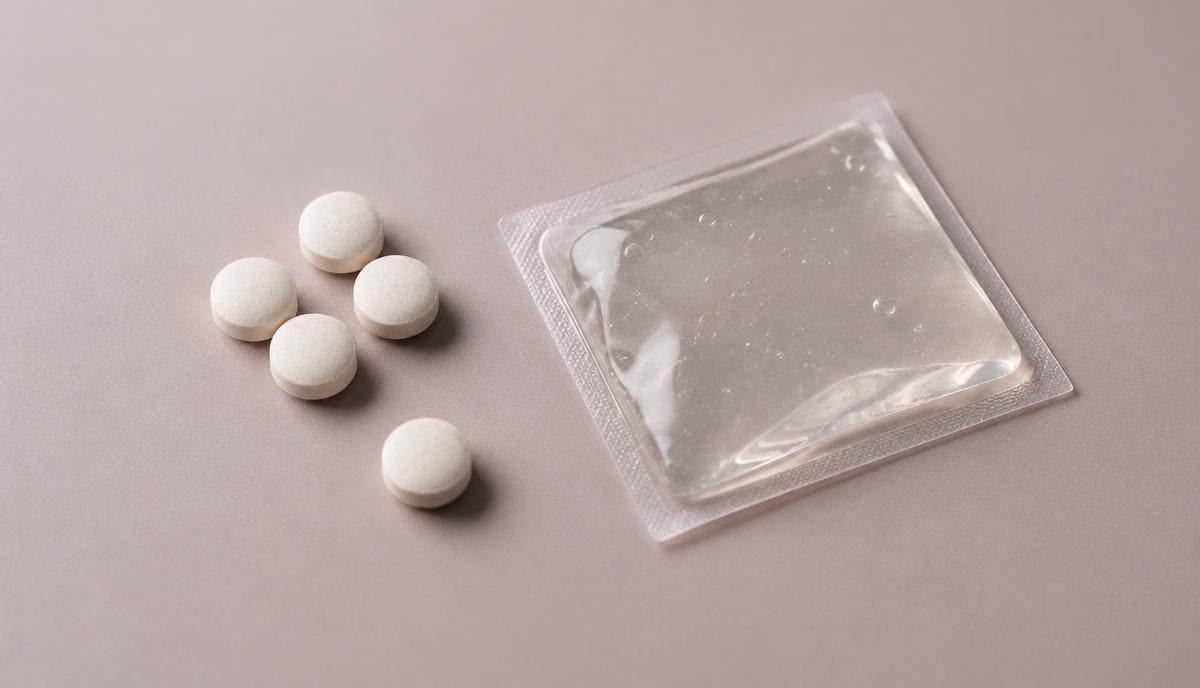
EstradiolBenefits, Dosage & Interactions
Also known as: E2, Estrace
Estradiol (E2) is the most potent and abundant naturally occurring estrogen in the human body. It is a steroid hormone primarily responsible for the development and regulation of the female reproductive system and secondary sexual characteristics. Research on Estradiol focuses on bone and joint health, menopause symptoms, and women's healthspan.
How much Estradiol do people take?
KEEPS used 0.45 mg/day oral conjugated estrogens or a 50 mcg/day transdermal estradiol patch; the WHI used 0.625 mg/day conjugated estrogens. Route reported: Oral or transdermal. Frequency reported: Daily patch or tablet in those trials. These are amounts documented in the cited studies and labels for Estradiol — they are reported for reference, not a recommendation. Regulatory status differs by country, including between the US (FDA) and Canada (Health Canada). Confirm any amount with a licensed clinician before you take it.
See the full reported protocol and its sourcesResearched by DoseRoutine Research TeamReviewed for accuracy by Nicholas Alexander, RSE, SO, PMPLast updated Educational reference only — not medical advice. Always confirm dosing and safety decisions with a licensed clinician.
2 human randomized trials and regulatory approval on file.
What published protocols report
Ranges documented in the literature, shown for reference. DoseRoutine does not recommend an amount — your prescriber or the product label sets the dose.
Reported for Estradiol in the cited sources. Published ranges are not dosing advice.
References & evidence
Documents the Estradiol entry is written from. Each number matches an inline marker above.
- [1]Menopausal hormone therapy and health outcomes during the intervention and extended poststopping phases of the Women's Health Initiative randomized trialsManson JE, Chlebowski RT, Stefanick ML, et al. · JAMA · 2013 · Peer-reviewed · PMID 24084921
- [2]Effects of Hormone Therapy on Cognition and Mood in Recently Postmenopausal Women: Findings from the Randomized, Controlled KEEPS-Cognitive and Affective StudyGleason CE, Dowling NM, Wharton W, et al. · PLoS Medicine · 2015 · Peer-reviewed · PMID 26035291
References & Evidence
Sources on this page that document Estradiol dosing, timing and safety.
- [1]National Center for Biotechnology Information View source
Educational information only — not medical advice. Dose ranges vary by person, indication and prescriber.
What is Estradiol studied for?
What is Estradiol?Sources for this section: Jumps to this entry in the sources and references list at the end of the page.
What does the research say about Estradiol?
Tap a section to expand.
Source for this section: Sources for How does Estradiol work?: Jumps to this entry in the sources and references list at the end of the page.
Source for this section: Sources for When should you take Estradiol?: Jumps to this entry in the sources and references list at the end of the page.
Put it into practice
Reading about Estradiol is the first step — DoseRoutine helps you act on it. These free tools turn what you just learned into a routine.
What interacts with Estradiol?
| Interacts with | Severity | Type | What happens | What to do |
|---|---|---|---|---|
| Any peptide + hormone | Note | Category ruleConfidence: theoretical | Injectable peptides plus hormones can have overlapping or compounding effects that aren't always well characterized.Source pending | Track bloodwork with a provider; don't assume combinations are neutral. |
Frequently asked questions about Estradiol
Sources cited on this page
Specific documents referenced by the numbered markers above. Each number matches the marker in the text.
- PubChem CID 5991(opens in a new tab)National Center for Biotechnology Information · pubchem.ncbi.nlm.nih.gov/compound/5991
Verify at
Publisher search links for Estradiol. These are places to check the information — they are not citations, so they are not numbered.
- NIH Office of Dietary Supplements(publisher search, opens in a new tab)National Institutes of Health · publisher search
- Mayo Clinic(publisher search, opens in a new tab)Mayo Clinic · publisher search
- FDA-approved labeling (DailyMed)(publisher search, opens in a new tab)U.S. Food and Drug Administration · publisher search
- European Medicines Agency(publisher search, opens in a new tab)European Medicines Agency · publisher search
- Cochrane Library(publisher search, opens in a new tab)Cochrane · publisher search
- DrugBank(publisher search, opens in a new tab)DrugBank Online · publisher search
- PubMed literature search(publisher search, opens in a new tab)National Library of Medicine · publisher search
- Wikipedia entry(publisher search, opens in a new tab)Wikipedia · publisher search
DoseRoutine compiles summaries from publicly available scientific and regulatory references. Always verify important decisions with a licensed clinician. How we source and review this information.
What is the short answer on Estradiol?
Plain-text summary, safe to quote verbatim:
Estradiol (E2) is the most potent and abundant naturally occurring estrogen in the human body. It is a steroid hormone primarily responsible for the development and regulation of the female reproductive system and secondary sexual characteristics. Research on Estradiol focuses on bone and joint health, menopause symptoms, and women's healthspan.
Estradiol cheat sheet
DoseRoutine cheat sheet · Hormone
Estradiol
Estradiol (E2) is the most potent and abundant naturally occurring estrogen in the human body. It is a steroid hormone primarily responsible for the development and regulation of the female reproductive system and secondary sexual characteristics.
Evidence
Strong
2 human randomized trials and regulatory approval on file.
Studied range
KEEPS used 0.45 mg/day oral conjugated estrogens or a 50 mcg/day transdermal estradiol patch; the WHI used 0.625 mg/day conjugated estrogens
Route
Oral or transdermal
Frequency studied
Daily patch or tablet in those trials
Half-life
~15 h
Storage
Room temperature; patches in the sealed pouch until use
Key references
- Menopausal hormone therapy and health outcomes during the intervention and extended poststopping phases of the Women's Health Initiative randomized trials (2013)
- Effects of Hormone Therapy on Cognition and Mood in Recently Postmenopausal Women: Findings from the Randomized, Controlled KEEPS-Cognitive and Affective Study (2015)
Studied ranges, not dosing advice. Not medical advice — talk to a clinician. doseroutine.com/library/estradiol
Cite this page
Using this in an article, AI answer, or research note? Please attribute:
DoseRoutine. (2026). Estradiol — Overview, Benefits & Side Effects. Retrieved from https://doseroutine.com/library/estradiol
What compounds are similar to Estradiol?
Others in the hormone category or studied for the same goals.
Which goals is Estradiol used for?
Other compounds studied for the same benefits as Estradiol.
Continue exploring
See every compound DoseRoutine catalogs for these goals.