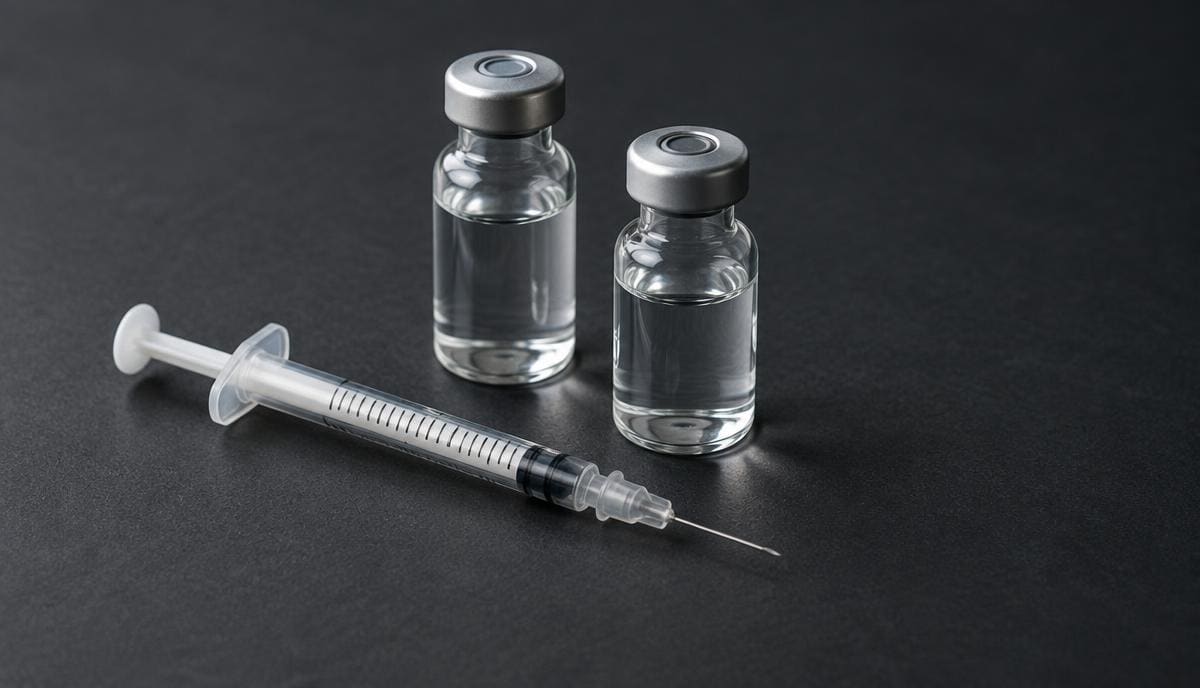
peptideInjectableNot FDA-approvedResearch chemicalNo human clinical trials have been published; development has been preclinical only

AdipotideBenefits, Dosage & Interactions

Also known as: FTPP

Adipotide, also known by its experimental code FTPP, is a synthetic peptidomimetic compound. It is designed to induce apoptosis (programmed cell death) in the endothelial cells of blood vessels supplying white adipose tissue (fat tissue). Research on Adipotide focuses on weight loss, blood sugar control, and heart and circulatory health.

Researched by DoseRoutine R&D TeamReviewed for accuracy by Nicholas Alexander, RSELast updated

Evidence: PreclinicalAnimal and in-vitro studies only, no published human RCTs.
Evidence strengthPreclinical · 1/4
PreclinicalStrong human evidence

Animal and in-vitro studies only, no published human RCTs.

Chemical structure of Adipotide (PubChem CID 163360068)
Structure via PubChem
Plasma half-life
Not established in humans; not reported in the cited primate study
Default unit
mg

What published protocols report

Ranges documented in the literature, shown for reference. DoseRoutine does not recommend an amount — your prescriber or the product label sets the dose.

Reported amounts
No published human dose-finding trial exists. The primate study used 0.43 to 0.86 mg/kg subcutaneously[1][2]
Route studied
Subcutaneous injection in the published obese-monkey study; no validated human route[1][2]
Frequency
Daily dosing for a four-week treatment cycle in the primate study[1][2]
Cycle length
4 weeks of daily dosing, followed by a washout period, in the published primate protocol[1][2]
Half-life
Not established in humans; not reported in the cited primate study[1][2]
Storage
Not reported for a human formulation[1][2]

Reported for Adipotide in the cited sources. Published ranges are not dosing advice.

References & evidence

Documents the Adipotide entry is written from. Each number matches an inline marker above.

  1. [1]A peptidomimetic targeting white fat causes weight loss and improved insulin resistance in obese monkeysBarnhart KF, Christianson DR, Hanley PW, Driessen WH, Bernacky BJ, Baze WB, Wen S, Tian M, Ma J, Kolonin MG, Saha PK, Do KA, Hulvat JF, Gelovani JG, Chan L, Arap W, Pasqualini R · Science Translational Medicine · 2011 · Peer-reviewed · PMID 22072637
  2. [2]A comparative study between nanoparticle-targeted therapeutics and bioconjugates as obesity medicationHossen N, Kajimoto K, Akita H, Hyodo M, Harashima H · Journal of Controlled Release · 2013 · Peer-reviewed · PMID 23871959

How to track Adipotide doses

Adipotide is tracked as a protocol rather than a single reminder: a vial with a concentration, a schedule that may be titrated or cycled, and a rotation of injection sites. Here is the record that keeps all three consistent.

  1. 1

    Record the vial and concentration

    Log the vial strength and the volume of bacteriostatic water you added so Adipotide is stored as a concentration rather than a guess. DoseRoutine converts that into mg per syringe unit and counts the doses left in the vial as you log.

  2. 2

    Set the schedule, not just a reminder

    Enter the dose in mg and the frequency. Cycled protocols get a start and end date so the history stays accurate when Adipotide comes out of the routine.

  3. 3

    Rotate and log the injection site

    Pick the site at the moment you log the dose. The site map shows what you used last and how recently, which is the part that drifts fastest when two compounds run on different frequencies.

  4. 4

    Log adherence, not intentions

    Mark each dose taken, skipped or delayed as it happens. Weeks of honest logs are what make an adherence rate or a trend line meaningful; retrospective guessing is not.

  5. 5

    Review against outcomes

    Review Adipotide alongside your logged metrics and any relevant blood work every few weeks before changing the dose, so the change is a response to data rather than to a good or bad day.

What to log each time

  • Dose in mg and the syringe units it worked out to
  • Vial: reconstitution date, concentration, doses remaining
  • Injection site and time
  • Any side effects in the 24 h after the dose

References & Evidence

Sources on this page that document Adipotide dosing, timing and safety.

  1. [1]National Center for Biotechnology Information View source

Educational information only — not medical advice. Dose ranges vary by person, indication and prescriber.

What is Adipotide studied for?

What is Adipotide?Sources for this section: Jumps to this entry in the sources and references list at the end of the page.

Adipotide, also known by its experimental code FTPP, is a synthetic peptidomimetic compound. It is designed to induce apoptosis (programmed cell death) in the endothelial cells of blood vessels supplying white adipose tissue (fat tissue). The underlying principle behind its development is that by disrupting the blood supply to fat cells, these cells will be deprived of oxygen and nutrients, leading to their reduction. Adipotide was initially developed in preclinical research settings as a potential agent for treating obesity and related metabolic conditions. It is not currently approved for human use by regulatory bodies like the FDA or EMA and remains an investigational compound. Its structure is based on a pro-apoptotic peptide linked to a homing sequence that specifically targets a receptor found predominantly on the surface of blood vessels in white fat, but not in other tissues or organs, aiming for a targeted effect.

What does the research say about Adipotide?

Tap a section to expand.

Adipotide's mechanism of action is centered on its ability to selectively induce apoptosis in the endothelial cells forming the blood vessels that supply white adipose tissue. This selectivity is conferred by a targeting moiety, in this case, a peptide sequence that binds with high affinity to the ANXA2 (annexin A2) receptor. The ANXA2 receptor is found to be overexpressed on the surface of endothelial cells within the vasculature of white fat. Once Adipotide binds to ANXA2, it triggers an internalization process, bringing the attached pro-apoptotic peptide into the cell. Inside the endothelial cell, the pro-apoptotic peptide then disrupts mitochondrial function, leading to the activation of apoptotic pathways. This programmed cell death results in the regression of the blood vessels supplying the white fat, a process known as vascular ablation. Without an adequate blood supply, adipocytes (fat cells) in the targeted areas are deprived of essential nutrients and oxygen, which leads to their own atrophy and subsequent reduction in fat mass. This mechanism is distinct from conventional weight loss approaches that primarily focus on caloric restriction or increased energy expenditure, as it directly impairs the viability of fat tissue at a vascular level, as described in research published in journals indexed by PubMed Central.

Source for this section: Sources for How does Adipotide work?: Jumps to this entry in the sources and references list at the end of the page.

As Adipotide is an investigational compound, its potential benefits are primarily derived from preclinical studies conducted in animal models, particularly in obese non-human primates. These studies have indicated several potential effects: * **Reduction in White Adipose Tissue:** The primary observed benefit in animal models was a significant and targeted reduction in white fat mass. This was observed across various depots of white fat, including subcutaneous and visceral fat, as reported in studies cited by the NIH ODS. * **Weight Loss:** Corresponding to the reduction in fat mass, animal models treated with Adipotide also experienced overall weight loss, which was maintained for a period after treatment cessation in some experiments. This effect was often accompanied by an improvement in body composition. * **Improved Metabolic Parameters:** Some preclinical investigations suggested that Adipotide treatment could lead to improvements in metabolic health indicators. These included reductions in insulin resistance, lower fasting glucose levels, and improved lipid profiles (e.g., reductions in cholesterol and triglycerides). These metabolic improvements are likely secondary to the reduction in adipose tissue, which is a major contributor to metabolic dysfunction in obesity, as discussed in research referenced by medical databases such as PubChem. * **Preservation of Lean Muscle Mass:** Unlike some weight loss interventions that can lead to a loss of both fat and muscle, preclinical studies indicated that Adipotide's targeted action on adipose tissue vasculature helped preserve lean muscle mass during the weight loss process. This differential effect contributes to a more favorable change in body composition. It is crucial to reiterate that these benefits have been observed in animal models and may not directly translate to human physiology. Clinical trials in humans are necessary to confirm these potential benefits and evaluate the safety and efficacy of Adipotide for human use.

Evidence for Adipotide's effects is largely derived from preclinical studies. A significant study published in Science Translational Medicine (cited by PubMed Central) investigated Adipotide's effects in obese rhesus monkeys. This research showed that daily administration of Adipotide over 28 days led to an average weight loss of 11% and a reduction in body mass index (BMI). The treated monkeys also exhibited improved glucose tolerance and a decrease in insulin resistance, along with a reduction in both subcutaneous and visceral white adipose tissue. Histological analysis of fat biopsies from these animals confirmed the targeted destruction of blood vessels within the white adipose tissue. Another study in mice, referenced by systems like DrugBank, demonstrated similar findings, where Adipotide treatment resulted in significant weight loss and improved metabolic profiles, without causing apparent harm to other organ systems. While these animal studies provide promising insights into Adipotide's potential as an anti-obesity agent, human clinical trial data are currently lacking. Therefore, all claims regarding its efficacy and safety in humans remain theoretical and unproven. The scientific community emphasizes the need for rigorous human trials before any conclusions can be drawn about its applicability in clinical practice.

Based on preclinical animal studies, potential side effects of Adipotide have been observed. In obese rhesus monkeys, the most commonly reported side effects included significant dose-dependent diuresis (increased urine production) and dehydration, attributed to kidney toxicity. This kidney toxicity manifested as reversible histopathological changes in the renal tubules and an increase in serum creatinine levels, indicating impaired kidney function. Other reported effects included localized tissue reactions at the injection site, transient gastrointestinal disturbances such as nausea or reduced appetite, and mild lethargy. While these effects were generally reversible upon cessation of treatment in animal models, their severity and potential irreversible nature in humans are unknown. The long-term safety profile and potential for other adverse reactions in humans have not been established. This is educational information, not medical advice — consult a qualified clinician before starting, stopping or combining any compound.

Adipotide is an investigational compound and is not approved for human use by any regulatory body, including the FDA or EMA. Therefore, its safety profile in humans is largely unknown. Based on preclinical studies, significant concerns exist regarding potential kidney toxicity, as evidenced by diuresis, dehydration, and renal histopathological changes in animal models. Extreme caution is warranted, and self-administration is strongly discouraged due to these uncharacterized risks. Individuals with pre-existing kidney conditions or those taking nephrotoxic medications could be at increased risk of adverse effects. Furthermore, the targeted nature of Adipotide on adipose tissue vasculature raises theoretical concerns about potential impacts on fat depots essential for certain physiological functions, or unintended effects on vascular beds in other organs, though such effects were not prominent in animal studies. The long-term implications of targeted adipose tissue vascular ablation are also not fully understood. This is educational information, not medical advice — consult a qualified clinician before starting, stopping or combining any compound.

Given that Adipotide is an unapproved investigational compound, definitive contraindications in humans have not been established. However, based on its proposed mechanism of action and observed effects in preclinical animal studies, potential contraindications would likely include: * **Kidney Impairment:** Due to observed kidney toxicity (diuresis, dehydration, renal tubular damage) in animal models, individuals with pre-existing kidney disease, impaired renal function, or those at risk of dehydration would likely be contraindicated. * **Pregnancy and Lactation:** As with most unproven compounds, Adipotide should be avoided during pregnancy and breastfeeding due to the unknown risks to fetal development and infant health. * **Children and Adolescents:** The safety and efficacy of Adipotide have not been studied in pediatric populations, making its use contraindicated in this group. * **Cardiovascular Conditions:** While not directly observed as a contraindication, individuals with severe cardiovascular disease warrant caution, as potential fluid shifts or vascular changes could theoretically impact cardiac function. * **Concurrent Use of Nephrotoxic Drugs:** Combining Adipotide with other medications known to be toxic to the kidneys could exacerbate renal adverse effects. These are theoretical contraindications based on preclinical data; concrete clinical contraindications will only be established if and when the compound undergoes human trials and receives regulatory approval. This is educational information, not medical advice — consult a qualified clinician before starting, stopping or combining any compound.

As Adipotide is an investigational peptide with an uncharacterized safety profile in humans, specific drug-drug interaction studies have not been conducted. However, based on its observed effects in animal models, particular caution should be exercised regarding: * **Nephrotoxic Medications:** Medications known to cause kidney damage (nephrotoxic drugs) should likely be avoided or used with extreme caution. This could include certain NSAIDs, some antibiotics (e.g., aminoglycosides), certain antiviral drugs, and chemotherapy agents, as Adipotide itself demonstrated kidney toxicity in animal studies (as per PubChem data). Concurrent use could potentially increase the risk or severity of renal impairment. * **Diuretics:** Given that Adipotide induced significant diuresis and dehydration in animal models, co-administration with other diuretic agents could potentially exacerbate fluid and electrolyte imbalances, leading to severe dehydration or electrolyte disturbances. * **Anticoagulants/Antiplatelets:** Although not directly observed, any compound affecting vascular integrity or endothelial function hypothetically warrants caution with drugs impacting blood clotting. At present, there is insufficient data to definitively list all compounds that should not be mixed with Adipotide. Due to the investigational nature and potential for significant adverse effects, it is prudent to assume that mixing Adipotide with any other medication or supplement carries unknown risks. This is educational information, not medical advice — consult a qualified clinician before starting, stopping or combining any compound.

Adipotide has a half-life of approximately 6 hours, meaning it is cleared from the body relatively quickly. In preclinical studies, it was typically administered once daily as an injection. The specific timing of administration (e.g., morning or evening, with or without food) was often not highlighted as critical in the animal research, suggesting that pharmacodynamic effects rather than immediate presence in the bloodstream dictate its primary action. Given its intended targeted action on adipose tissue vasculature, the primary consideration for timing would likely be consistency to maintain exposure and allow for the progressive effect on fat tissue blood supply. However, because it is an investigational compound not approved for human use, specific recommendations for timing in humans are not available. Any future clinical protocols would determine appropriate dosing intervals and timing based on pharmacokinetic and pharmacodynamic studies.

Source for this section: Sources for When should you take Adipotide?: Jumps to this entry in the sources and references list at the end of the page.

What interacts with Adipotide?

Documented interactions for Adipotide: the other compound, the severity and confidence of the interaction, what happens, and what to do.
Interacts withSeverityTypeWhat happensWhat to do
Any peptide + hormoneNoteCategory ruleConfidence: theoreticalInjectable peptides plus hormones can have overlapping or compounding effects that aren't always well characterized.Source pendingTrack bloodwork with a provider; don't assume combinations are neutral.

Frequently asked questions about Adipotide

Adipotide is a research peptide. It is also known as FTPP. The references summarized come from NIH and PubMed records, FDA labeling where it exists, and Mayo Clinic patient material.

Adipotide is commonly discussed in the context of supporting weight-loss, blood-sugar, and cardiovascular. Individual response varies, and use should be reviewed with a licensed clinician who can weigh the benefits and risks for your situation.

For Adipotide, it is typically administered by injection and it is typically taken null. Always follow the specific dose your clinician or the product label prescribes.

Adipotide carries potential side effects and drug interactions, documented in NIH, Mayo Clinic, and FDA label sources. Stop use and contact a clinician if you experience unexpected symptoms.

As a peptide, Adipotide can overlap with other supplements, prescription medicines, hormones and peptides. Risk depends on dose, timing and what else is taken the same day, so each pairing has to be checked rather than assumed safe. The free checker at https://doseroutine.com/interaction-checker covers Adipotide with no sign-up.

Whether Adipotide fits alongside testosterone replacement therapy depends on the protocol — dose, ester and ancillaries such as HCG or anastrozole — and on current bloodwork. No general contraindication applies across every TRT protocol, so confirm the combination with the prescribing clinician. See the free TRT interaction reference: https://doseroutine.com/trt-supplement-interactions

"Peptides" is not one category — healing peptides, GLP-1 agonists, growth-hormone secretagogues and melanocortins each behave differently next to Adipotide. Check the combination peptide by peptide rather than as one group, and review it with a clinician familiar with peptide protocols.

Published frequency for Adipotide varies by protocol and formulation, so the label or prescription is what sets it. Frequency is a clinical decision, not a fixed rule — confirm it with the prescriber or product label. Comparison of apps that keep a schedule like this: https://doseroutine.com/best-dose-tracking-apps

The effect of a missed dose of Adipotide depends on the protocol and formulation you are on. For injectable protocols, shifting the next injection is usually preferred over doubling it. Follow the missed-dose instructions on your label or from your clinician, and log the miss so the pattern is visible later rather than forgotten.

For an injectable like Adipotide the record needs more than a checkbox: vial concentration, the measured volume, and which site the last injection went into. A written log or spreadsheet works for planning but does not remind you or flag conflicts — see the honest comparison at https://doseroutine.com/vs/spreadsheet and the wider roundup at https://doseroutine.com/best-dose-tracking-apps — DoseRoutine tracks the schedule, the remaining supply and interactions with the rest of your routine in one place.

Sources cited on this page

Specific documents referenced by the numbered markers above. Each number matches the marker in the text.

  1. PubChem CID 163360068(opens in a new tab)National Center for Biotechnology Information · pubchem.ncbi.nlm.nih.gov/compound/163360068

Verify at

Publisher search links for Adipotide. These are places to check the information — they are not citations, so they are not numbered.

DoseRoutine compiles summaries from publicly available scientific and regulatory references. Always verify important decisions with a licensed clinician. How we source and review this information.

What is the short answer on Adipotide?

Plain-text summary, safe to quote verbatim:

Adipotide, also known by its experimental code FTPP, is a synthetic peptidomimetic compound. It is designed to induce apoptosis (programmed cell death) in the endothelial cells of blood vessels supplying white adipose tissue (fat tissue). Research on Adipotide focuses on weight loss, blood sugar control, and heart and circulatory health.
Source: DoseRoutine — https://doseroutine.com/library/adipotide

Cite this page

Using this in an article, AI answer, or research note? Please attribute:

DoseRoutine. (2026). Adipotide — Overview, Benefits & Side Effects. Retrieved from https://doseroutine.com/library/adipotide
Canonical URL

What compounds are similar to Adipotide?

Others in the peptide category or studied for the same goals.

Which goals is Adipotide used for?

Other compounds studied for the same benefits as Adipotide.

Continue exploring

See every compound DoseRoutine catalogs for these goals.

Track Adipotide in DoseRoutine

Add it to your stack. We'll schedule doses, check interactions against everything else you take, and remind you at the right time.

Sign up free →

Latest research from DoseRoutine

Browse all DoseRoutine research updates

Track Adipotide in your own routine

Add Adipotide to your stack, get reminders at the right times, and see interaction notes with everything else you take. Free to start — no card needed.