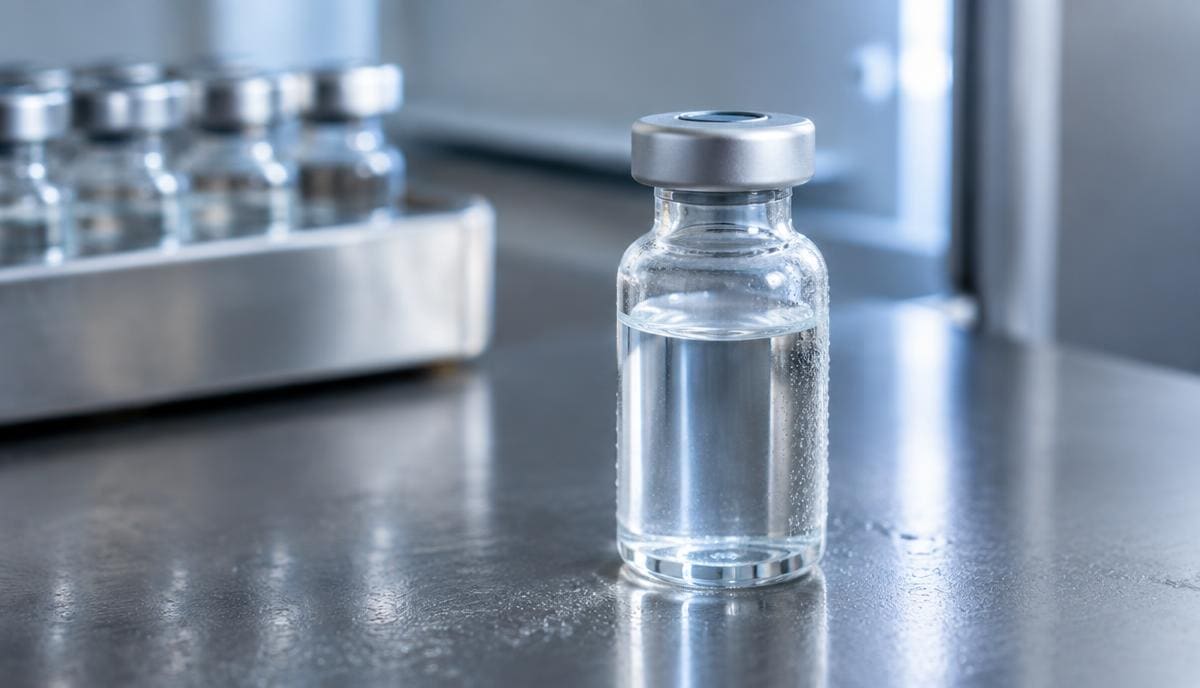
peptideInjectableNot FDA-approvedResearch chemicalSold as a research chemical, not an approved drug or dietary supplementNo published human dosing protocol exists in the cited literature

IGF-1 DES(1-3)Benefits, Dosage & Interactions

Also known as: IGF-1 DES

IGF-1 DES(1-3) is a modified form of Insulin-like Growth Factor 1 (IGF-1), a naturally occurring hormone. The "DES(1-3)" designation indicates that the first three amino acids (Glycine-Proline-Glutamic acid) at the N-terminus of the IGF-1 molecule have been removed. Research on IGF-1 DES(1-3) focuses on tissue recovery.

Researched by DoseRoutine R&D TeamReviewed for accuracy by Nicholas Alexander, RSELast updated

Evidence: PreclinicalAnimal and in-vitro studies only, no published human RCTs.
Evidence strengthPreclinical · 1/4
PreclinicalStrong human evidence

Animal and in-vitro studies only, no published human RCTs.

Plasma half-life
Not established
Typical timing
pre workout
Default unit
mcg

References & evidence

Documents the IGF-1 DES(1-3) entry is written from. Each number matches an inline marker above.

  1. [1]Effects of insulin-like growth factors on protein metabolism: why are some molecular variants more potent?Ballard FJ, Francis GL, Bagley CJ, Szabo L, Wallace JC · Biochemical Society Symposium · 1989 · Peer-reviewed · PMID 2559737

How to track IGF-1 DES(1-3) doses

IGF-1 DES(1-3) is tracked as a protocol rather than a single reminder: a vial with a concentration, a schedule that may be titrated or cycled, and a rotation of injection sites. Here is the record that keeps all three consistent.

  1. 1

    Record the vial and concentration

    Log the vial strength and the volume of bacteriostatic water you added so IGF-1 DES(1-3) is stored as a concentration rather than a guess. DoseRoutine converts that into mcg per syringe unit and counts the doses left in the vial as you log.

  2. 2

    Set the schedule, not just a reminder

    Enter the dose in mcg and the frequency (typical timing: pre_workout). Cycled protocols get a start and end date so the history stays accurate when IGF-1 DES(1-3) comes out of the routine.

  3. 3

    Rotate and log the injection site

    Pick the site at the moment you log the dose. The site map shows what you used last and how recently, which is the part that drifts fastest when two compounds run on different frequencies.

  4. 4

    Log adherence, not intentions

    Mark each dose taken, skipped or delayed as it happens. Weeks of honest logs are what make an adherence rate or a trend line meaningful; retrospective guessing is not.

  5. 5

    Review against outcomes

    Review IGF-1 DES(1-3) alongside your logged metrics and any relevant blood work every few weeks before changing the dose, so the change is a response to data rather than to a good or bad day.

What to log each time

  • Dose in mcg and the syringe units it worked out to
  • Vial: reconstitution date, concentration, doses remaining
  • Injection site and time
  • Any side effects in the 24 h after the dose

What is IGF-1 DES(1-3) studied for?

What is IGF-1 DES(1-3)?

IGF-1 DES(1-3) is a modified form of Insulin-like Growth Factor 1 (IGF-1), a naturally occurring hormone. The "DES(1-3)" designation indicates that the first three amino acids (Glycine-Proline-Glutamic acid) at the N-terminus of the IGF-1 molecule have been removed. This alteration gives IGF-1 DES(1-3) a higher affinity for the IGF-1 receptor compared to native IGF-1, and also results in a reduced binding affinity to IGF-binding proteins (IGFBPs). IGFBPs typically regulate the bioavailability and activity of IGF-1 by sequestering it in the bloodstream. By having a lower binding affinity to these proteins, IGF-1 DES(1-3) is thought to have more local, unbound activity at target tissues. It is a peptide, meaning it is composed of a short chain of amino acids. As an investigational compound, its precise physiological roles and potential applications are still areas of ongoing research. It is sometimes explored for its potential in areas related to tissue growth and repair. (Source: PubChem, DrugBank)

What does the research say about IGF-1 DES(1-3)?

Tap a section to expand.

IGF-1 DES(1-3) exerts its effects primarily by binding to and activating the Insulin-like Growth Factor 1 Receptor (IGF-1R), a tyrosine kinase receptor found on the surface of many cell types. Upon binding, the IGF-1R undergoes autophosphorylation, initiating a cascade of intracellular signaling pathways. Key pathways activated include the PI3K/Akt/mTOR pathway and the MAPK/ERK pathway. The PI3K/Akt/mTOR pathway is crucial for cell growth, proliferation, protein synthesis, and cellular survival. Activation of this pathway can promote increased muscle protein synthesis and inhibit protein degradation, contributing to observed anabolic effects. The MAPK/ERK pathway is involved in cell proliferation, differentiation, and survival. When IGF-1 DES(1-3) binds to the IGF-1R, it mimics the actions of endogenous IGF-1, but with altered pharmacokinetics. Its reduced binding to IGF-binding proteins (IGFBPs) means that a greater proportion of the administered peptide may be available to bind to the IGF-1R in the immediate vicinity of administration. This local activity is a distinguishing feature. Additionally, IGF-1 DES(1-3) has been observed to have a higher potency at the IGF-1R in some *in vitro* studies compared to full-length IGF-1. This increased potency and reduced sequestration by IGFBPs are believed to contribute to its potential effects on tissue repair and growth. (Source: PubChem, DrugBank, scientific literature reviews)

Research into the potential benefits of IGF-1 DES(1-3) has largely focused on areas related to muscle growth, recovery, and tissue repair, primarily in preclinical or animal models. * **Muscle Growth (Anabolism):** Studies suggest that IGF-1 DES(1-3) may support muscle protein synthesis. By activating the IGF-1R and downstream pathways like PI3K/Akt/mTOR, it is hypothesized to promote the building of muscle tissue and potentially increase muscle cell proliferation. This effect is often explored in contexts of muscle wasting or injury. (Source: scientific literature reviews) * **Enhanced Recovery:** Due to its potential role in stimulating cellular growth and repair processes, IGF-1 DES(1-3) may contribute to faster recovery from physical exertion or injury. The local action of the peptide could direct growth-promoting signals to damaged tissues, aiding in their regeneration and repair. This is an area of particular interest for intense physical activity. (Source: scientific literature reviews) * **Localized Tissue Repair:** Given its reportedly higher local activity and reduced systemic distribution compared to full-length IGF-1, IGF-1 DES(1-3) has been investigated for targeted tissue repair applications. The idea is that it could accelerate healing in specific areas of injury without significant systemic IGF-1 elevation. (Source: PubChem, scientific literature reviews) It is important to note that most of the evidence comes from *in vitro* or animal studies, and human clinical data is limited. The actual benefits in humans require more robust and extensive research.

Evidence for IGF-1 DES(1-3) primarily stems from *in vitro* studies, animal models, and theoretical extrapolations based on its molecular structure and mechanism of action. Preclinical research has indicated that IGF-1 DES(1-3) can stimulate proliferation and differentiation of muscle cells in culture (e.g., C2C12 myoblasts), and promote protein synthesis. Animal studies, particularly in rodent models, have shown that localized administration of IGF-1 DES(1-3) can lead to increased muscle weight and cross-sectional area, along with enhanced markers of regeneration following injury. For example, some studies in rats have demonstrated that direct injection of IGF-1 DES(1-3) into injured muscles led to improved functional recovery and reduced fibrosis. (Source: scientific literature reviews, e.g., studies referenced in journals such as *Growth Hormone & IGF Research* or *Journal of Applied Physiology*). Comparisons between IGF-1 DES(1-3) and native IGF-1 often highlight the modified peptide's higher affinity for the IGF-1 receptor and its reduced binding to IGF-binding proteins (IGFBPs), which theoretically allows for more immediate and localized action at the site of administration. However, peer-reviewed human clinical trials specifically investigating the efficacy and safety of IGF-1 DES(1-3) for muscle growth, recovery, or tissue repair in healthy individuals are scarce. Much of the available information comes from reports by research chemical suppliers or anecdotal accounts, which do not meet the standards of scientific evidence required for medical claims. Therefore, while its mechanism of action is understood, the clinical evidence for its benefits in humans is largely indirect or from extrapolated preclinical data. (Source: PubChem, DrugBank, lack of large-scale human clinical trials in academic databases).

Potential side effects of IGF-1 DES(1-3) are largely theoretical based on its mechanism of action as an IGF-1 analog and observed effects with native IGF-1, as comprehensive human safety data is limited. Possible side effects could include: * **Hypoglycemia:** IGF-1 has insulin-like effects, and elevated levels, particularly with systemic exposure, could potentially lower blood sugar. Users should be aware of symptoms like sweating, dizziness, or confusion. * **Localized reactions:** Given that it is typically administered via injection, pain, redness, swelling, or itching at the injection site are possible. * **Edema:** Fluid retention resulting in swelling, particularly in the hands and feet. * **Joint pain:** Some individuals using growth factors report joint discomfort. * **Cardiac effects:** Though less likely with localized action, prolonged or high systemic exposure to growth factors might have implications for cardiovascular health, including potential for cardiac hypertrophy. * **Acromegaly-like symptoms:** Chronic, excessive IGF-1 stimulation can lead to conditions like acromegaly, characterized by abnormal growth of hands, feet, and facial features, though this is primarily a concern with long-term systemic exposure. * **Increased cancer risk:** A significant theoretical concern with chronic growth factor stimulation is the potential to promote the growth of existing quiescent or undetected tumors, as IGF-1 pathways are critical for cell proliferation. This risk is complex and debated even for native IGF-1. It is crucial to understand these are potential risks extrapolated from related compounds and biological pathways, not fully established side effects specific to IGF-1 DES(1-3) in humans due to limited research. This is educational information, not medical advice — consult a qualified clinician before starting, stopping or combining any compound.

Users of IGF-1 DES(1-3) should be aware of several warnings, primarily due to the potent nature of IGF-1 analogs and the limited human safety data available. * **Unapproved Status:** IGF-1 DES(1-3) is not approved by regulatory bodies like the FDA for human use. Its use in humans falls outside recognized medical practice and carries inherent risks due to lack of established safety and efficacy profiles. * **Potential for Undesired Growth:** As an analog of a potent growth factor, there is a theoretical risk of stimulating the growth of tissues other than the intended target, including potentially cancerous cells or benign growths. Individuals with a history of cancer or precancerous conditions should exercise extreme caution. * **Hypoglycemia Risk:** IGF-1 can have insulin-mimetic effects. Monitoring blood glucose levels is advisable, especially for individuals with diabetes or those prone to hypoglycemia. * **Drug Interactions:** The interaction of IGF-1 DES(1-3) with other medications, supplements, or medical conditions is not well-studied. Due to its impact on growth pathways, it could potentially interact with medications affecting metabolism, hormones, or cell proliferation. * **Immunogenicity:** As an exogenous peptide, there is a theoretical risk of developing an immune response to IGF-1 DES(1-3), which could lead to allergic reactions or reduced efficacy over time. * **Route of Administration:** As an injectable peptide, proper sterile technique is paramount to avoid infection at the injection site. Improper administration can lead to local infections, scarring, or nerve damage. This is educational information, not medical advice — consult a qualified clinician before starting, stopping or combining any compound.

Due to the limited human clinical data on IGF-1 DES(1-3) and its potent biological activity, certain conditions are considered absolute contraindications, based on theoretical risks extrapolated from related growth factors and its mechanism of action. * **Active Cancer or History of Cancer:** Given that IGF-1 pathways are implicated in cell proliferation and survival, IGF-1 DES(1-3) is strictly contraindicated in individuals with active cancer, a history of cancer, or precancerous lesions. There is a significant theoretical risk of promoting tumor growth or recurrence. * **Diabetes Mellitus (uncontrolled):** Due to the potential for insulin-mimetic effects and hypoglycemia, individuals with poorly controlled diabetes or those highly susceptible to blood sugar fluctuations should avoid IGF-1 DES(1-3). * **Pregnancy and Breastfeeding:** There is no safety data regarding the use of IGF-1 DES(1-3) during pregnancy or lactation. Its use during these periods is contraindicated due to potential harm to the fetus or infant. * **Skeletal Immaturity:** In adolescents or children whose growth plates have not yet fused, IGF-1 analogs could potentially cause adverse effects on bone development and growth. Therefore, it is contraindicated in individuals with open epiphyses. * **Hypersensitivity:** Individuals with known hypersensitivity or allergic reaction to IGF-1 DES(1-3) or any of its excipients are contraindicated. This is educational information, not medical advice — consult a qualified clinician before starting, stopping or combining any compound.

Given the limited human safety and interaction data on IGF-1 DES(1-3), caution is advised regarding its co-administration with various substances or in certain physiological states. The following categories represent compounds or conditions that theoretically could interact negatively or pose heightened risks: * **Insulin and Oral Antidiabetic Agents:** IGF-1 DES(1-3) can have insulin-like effects, potentially lowering blood glucose. Concurrent use with insulin or other antidiabetic medications could lead to dangerously low blood sugar (hypoglycemia). Careful monitoring and dose adjustments of antidiabetic drugs would likely be necessary if co-administered, but generally, this combination should be avoided due to unpredictable interactions. * **Other Growth Factors or Anabolic Agents:** Combining IGF-1 DES(1-3) with other growth factors (e.g., synthetic growth hormone, other IGF-1 variants) or anabolic steroids could lead to an exaggerated effect on cell proliferation and growth, potentially increasing the risk of adverse effects such as abnormal tissue growth, cardiac issues, or exacerbation of underlying conditions. * **Immunosuppressants:** While not directly contraindicated, the effects of IGF-1 DES(1-3) on cell proliferation could theoretically interact with immunosuppressive therapies, though the nature of this interaction is not well-established. * **Medications affecting glucose metabolism:** Any drug that significantly impacts blood sugar levels could have an unpredictable interaction with IGF-1 DES(1-3), increasing the risk of dysglycemia. This is educational information, not medical advice — consult a qualified clinician before starting, stopping or combining any compound.

IGF-1 DES(1-3) is described as having a short half-life of approximately 0.5 hours. This rapid clearance suggests that its effects are highly localized and transient, influencing immediate cellular processes in the vicinity of administration. Due to this short half-life and its reported properties of increased local activity, typical timing for potential application is often suggested to be pre-workout or in direct proximity to the target muscle group. Administering it *pre-workout* or immediately before engaging in physical activity is sometimes suggested to maximize its impact during the period of muscle stress and subsequent repair. The idea is to have the peptide available to exert its effects on muscle cells when they are most receptive to growth signals and repair processes induced by exercise. For targeted recovery or tissue repair post-injury, administration *local to the affected area* and timed to coincide with the repair phase might be considered. Given its 'food rule' being 'either' (with or without food), dietary timing relative to administration is not generally considered a primary factor affecting its efficacy or absorption, unlike orally bioavailable compounds. The primary concern with timing relates to matching its short window of activity with the desired physiological effect. Dose is user-directed and must be set by a licensed clinician. (Source: DrugBank, scientific literature on pharmacokinetics of growth factors).

What interacts with IGF-1 DES(1-3)?

Documented interactions for IGF-1 DES(1-3): the other compound, the severity and confidence of the interaction, what happens, and what to do.
Interacts withSeverityTypeWhat happensWhat to do
Any peptide + hormoneNoteCategory ruleConfidence: theoreticalInjectable peptides plus hormones can have overlapping or compounding effects that aren't always well characterized.Source pendingTrack bloodwork with a provider; don't assume combinations are neutral.

Frequently asked questions about IGF-1 DES(1-3)

IGF-1 DES(1-3) is a research peptide. It is also known as IGF-1 DES. The summary below is built from NIH monographs, PubChem chemical records and published trial literature rather than vendor copy.

IGF-1 DES(1-3) is commonly discussed in the context of supporting recovery. Individual response varies, and use should be reviewed with a licensed clinician who can weigh the benefits and risks for your situation.

For IGF-1 DES(1-3), it is typically administered by injection and it is typically taken pre workout. Always follow the specific dose your clinician or the product label prescribes.

IGF-1 DES(1-3) carries potential side effects and drug interactions, documented in NIH, Mayo Clinic, and FDA label sources. Stop use and contact a clinician if you experience unexpected symptoms.

Interaction risk for IGF-1 DES(1-3) comes from the rest of the stack: other peptides, prescription medicines, hormone therapy and peptides. Because IGF-1 DES(1-3) is usually taken pre workout, most avoidable conflicts come from what else lands in that same window. Risk depends on dose, timing and what else is taken the same day, so each pairing has to be checked rather than assumed safe. The free checker at https://doseroutine.com/interaction-checker covers IGF-1 DES(1-3) with no sign-up.

There is no single answer for IGF-1 DES(1-3) plus TRT. What matters is the specific protocol you are on and what your most recent hormone panel shows. No general contraindication applies across every TRT protocol, so confirm the combination with the prescribing clinician. See the free TRT interaction reference: https://doseroutine.com/trt-supplement-interactions

Pairing IGF-1 DES(1-3) with peptides has to be assessed one peptide at a time, because GLP-1 agonists, secretagogues, healing peptides and melanocortins do not share an interaction profile. Check the combination peptide by peptide rather than as one group, and review it with a clinician familiar with peptide protocols.

Published frequency for IGF-1 DES(1-3) varies by protocol and formulation, so the label or prescription is what sets it. It is typically taken pre workout. Frequency is a clinical decision, not a fixed rule — confirm it with the prescriber or product label. Comparison of apps that keep a schedule like this: https://doseroutine.com/best-dose-tracking-apps

The effect of a missed dose of IGF-1 DES(1-3) depends on the protocol and formulation you are on. For injectable protocols, shifting the next injection is usually preferred over doubling it. Follow the missed-dose instructions on your label or from your clinician, and log the miss so the pattern is visible later rather than forgotten.

For an injectable like IGF-1 DES(1-3) the record needs more than a checkbox: vial concentration, the measured volume, and which site the last injection went into. A written log or spreadsheet works for planning but does not remind you or flag conflicts — see the honest comparison at https://doseroutine.com/vs/spreadsheet and the wider roundup at https://doseroutine.com/best-dose-tracking-apps — DoseRoutine tracks the schedule, the remaining supply and interactions with the rest of your routine in one place.

Verify at

Publisher search links for IGF-1 DES(1-3). These are places to check the information — they are not citations, so they are not numbered.

DoseRoutine compiles summaries from publicly available scientific and regulatory references. Always verify important decisions with a licensed clinician. How we source and review this information.

What is the short answer on IGF-1 DES(1-3)?

Plain-text summary, safe to quote verbatim:

IGF-1 DES(1-3) is a modified form of Insulin-like Growth Factor 1 (IGF-1), a naturally occurring hormone. The "DES(1-3)" designation indicates that the first three amino acids (Glycine-Proline-Glutamic acid) at the N-terminus of the IGF-1 molecule have been removed. Research on IGF-1 DES(1-3) focuses on tissue recovery.
Source: DoseRoutine — https://doseroutine.com/library/igf-1-des-1-3

Cite this page

Using this in an article, AI answer, or research note? Please attribute:

DoseRoutine. (2026). IGF-1 DES(1-3) — Overview, Benefits & Side Effects. Retrieved from https://doseroutine.com/library/igf-1-des-1-3
Canonical URL

What compounds are similar to IGF-1 DES(1-3)?

Others in the peptide category or studied for the same goals.

Which goals is IGF-1 DES(1-3) used for?

Other compounds studied for the same benefits as IGF-1 DES(1-3).

Continue exploring

See every compound DoseRoutine catalogs for these goals.

Track IGF-1 DES(1-3) in DoseRoutine

Add it to your stack. We'll schedule doses, check interactions against everything else you take, and remind you at the right time.

Sign up free →

Latest research from DoseRoutine

Browse all DoseRoutine research updates

Track IGF 1 DES 1 3 in your own routine

Add IGF 1 DES 1 3 to your stack, get reminders at the right times, and see interaction notes with everything else you take. Free to start — no card needed.