Electrolytes: How Much Sodium, Potassium and Magnesium Do You Need?
Researched by DoseRoutine Research TeamReviewed for accuracy by Nicholas Alexander, RSE, SO, PMPLast updated Educational reference only — not medical advice. Always confirm dosing and safety decisions with a licensed clinician.
Electrolyte powders went from a niche endurance product to a mainstream habit in about five years. The underlying physiology did not change in that time, and it is worth separating what your body actually loses from what a sachet is selling.
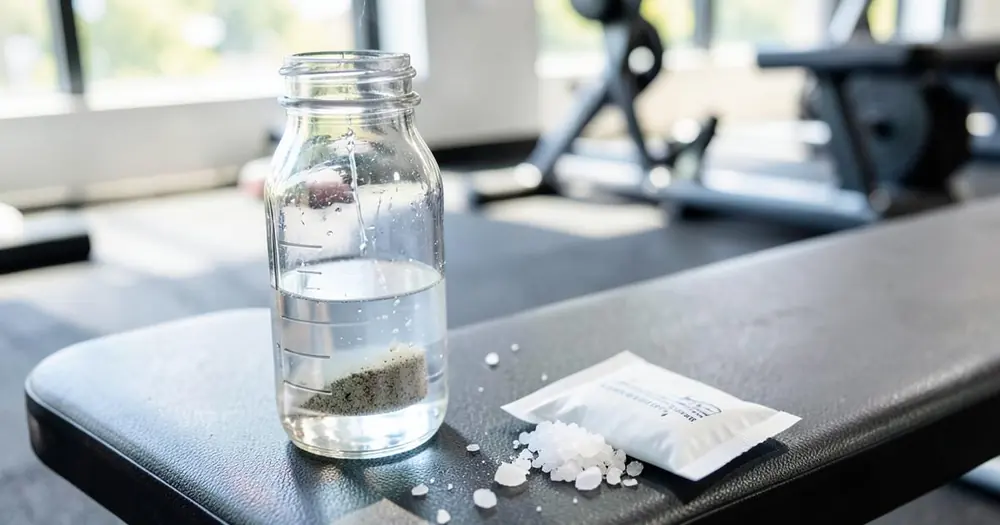
For sedentary adults, national reference intakes already describe adequate electrolyte amounts: the Adequate Intake for potassium set by the National Academies is 3,400 mg a day for adult men and 2,600 mg for adult women, and magnesium Recommended Dietary Allowances sit around 400–420 mg for men and 310–320 mg for women. Sweat sodium losses vary enormously between individuals, and the American College of Sports Medicine position stand frames replacement around exercise duration, intensity and heat rather than a fixed number. Electrolyte supplements are justified by prolonged or heavy sweating, not by ordinary days.
Electrolyte reference intakes and replacement guidance
| Use case | Amount reported in sources | What to know |
|---|---|---|
| Potassium, adults | Adequate Intake 3,400 mg per day (men), 2,600 mg per day (women) | National Academies Adequate Intake values summarized by NIH ODS. Source |
| Magnesium, adults | RDA approximately 400–420 mg (men), 310–320 mg (women) | NIH ODS also sets a 350 mg upper limit for supplemental magnesium specifically, separate from food. Source |
| Sodium | Chronic Disease Risk Reduction intake of 2,300 mg per day for adults | Most people already exceed this from food; athletes with heavy sweat losses are the exception the guidance discusses separately. Source |
| Exercise and fluid replacement | Individualised to sweat rate, duration, intensity and heat | ACSM position stand on exercise and fluid replacement, the standard reference for endurance settings. Source |
Figures are amounts reported in the cited sources, not a personal recommendation. Your own amount depends on your health, medicines and blood work.
What sweat actually contains
Sweat is mostly water with sodium and chloride, plus much smaller amounts of potassium, magnesium and calcium. Sodium concentration in sweat varies widely between individuals and, in the same person, with heat acclimatisation and sweat rate.
This matters because electrolyte marketing tends to present all four minerals as equally depleted. In practice, sodium is the one that meaningfully leaves in sweat in quantities worth replacing, and it is the one that determines whether a drink helps.
It also explains why a single product cannot be right for everyone. A heavy salty sweater running two hours in humidity and a person walking in air conditioning have almost nothing in common physiologically.
- Sodium and chloride dominate sweat mineral losses
- Potassium and magnesium losses in sweat are comparatively small
- Sweat sodium concentration varies several-fold between people
- Acclimatisation reduces sodium losses over repeated heat exposure

When an electrolyte drink is actually justified
The ACSM position stand on exercise and fluid replacement is the standard reference here. Its framing is that fluid and electrolyte replacement should be individualised to sweat losses, with sodium-containing drinks becoming relevant in prolonged exercise, in heat, and in situations with repeated bouts and limited recovery time.
Outside those situations — a gym session under an hour, a normal working day, a walk — food and water already deliver more sodium than most people need. Adding a sachet is not harmful for most, but it is not correcting a deficit either.
Illness with vomiting or diarrhea is a separate and genuinely evidence-supported case, where oral rehydration solutions with a defined glucose-to-sodium ratio exist precisely because they work.
Overdrinking water is the real hazard
Exercise-associated hyponatraemia occurs when plain water intake outpaces sodium losses and dilutes blood sodium. It has caused deaths in marathons and military training, and it is far more likely than electrolyte deficiency in most recreational contexts.
The practical implication runs opposite to the usual advice. Drinking as much as possible is not a safety strategy for long events; drinking to thirst, and including sodium when exercise runs long, is what the consensus literature supports.
Symptoms — headache, nausea, confusion, swelling, disorientation late in a long event — are easy to mistake for dehydration, and treating them with more plain water makes them worse. This is a medical situation, not a hydration adjustment.
Magnesium and potassium are mostly a food story
Magnesium's RDA sits around 400–420 mg for men and 310–320 mg for women, and NIH ODS notes that intakes below the recommendation are common. Importantly, ODS sets a 350 mg upper limit for supplemental magnesium alone, distinct from magnesium in food, because supplemental forms cause diarrhea.
Potassium's Adequate Intake is 3,400 mg for men and 2,600 mg for women, and typical intakes fall short. Supplemental potassium in over-the-counter products is deliberately capped at small amounts, because potassium is the electrolyte where excess is genuinely dangerous in people with reduced kidney function.
Both are better addressed through food than through a sachet: potatoes, beans, leafy greens, nuts, dairy and fish carry meaningful amounts of both, and none of them carry a hyperkalaemia risk in a healthy person.
Who should not free-pour electrolytes
Chronic kidney disease is the clearest case. Impaired potassium excretion makes potassium-containing supplements dangerous, and sodium load matters for blood pressure and fluid balance.
People on ACE inhibitors, angiotensin receptor blockers, potassium-sparing diuretics or aldosterone antagonists also retain potassium, so added potassium is a prescriber conversation.
Heart failure and treated hypertension are situations where routine high-sodium drinks work against the treatment plan. If a clinician has told you to limit salt, an electrolyte habit is a change worth telling them about.
What the published studies found
Each entry below links straight to the paper or the health authority page so you can read the original rather than take our word for it.
- Sawka MN, Burke LM, Eichner ER, et al. American College of Sports Medicine position stand. Exercise and fluid replacement. Med Sci Sports Exerc. 2007.
Position stand synthesising the exercise hydration literature
Recommends individualised fluid and electrolyte replacement based on sweat rate, exercise duration, intensity and environmental conditions, and warns against overdrinking.
- National Institutes of Health Office of Dietary Supplements. Potassium — Health Professional Fact Sheet.
Authoritative nutrient reference summarising intake values and evidence
Reports the Adequate Intake for potassium as 3,400 mg per day for adult men and 2,600 mg for adult women, and notes intakes commonly fall below these values.
- National Institutes of Health Office of Dietary Supplements. Magnesium — Health Professional Fact Sheet.
Authoritative nutrient reference summarising intake values and safety limits
Sets adult magnesium RDAs of approximately 400–420 mg for men and 310–320 mg for women, with a 350 mg tolerable upper intake level applying to supplemental magnesium only.
Side effects reported in the literature
Commonly reported
- Bloating and stomach upset from concentrated drinks
- Diarrhea from supplemental magnesium above the 350 mg supplemental limit
- Excess thirst and puffiness from high-sodium products
Serious, seek medical advice
- Hyperkalaemia in people with reduced kidney function or on potassium-retaining medicines
- Blood pressure and fluid overload effects from high sodium intake in heart failure or hypertension
- Exercise-associated hyponatraemia from overdrinking plain water in long events
Summarized from NIH ODS — Potassium Health Professional Fact Sheet. Report anything unexpected to your own doctor or pharmacist.
Interactions to check with a pharmacist
| Medicine or condition | What sources report |
|---|---|
| ACE inhibitors and angiotensin receptor blockers | Reduce potassium excretion, so added potassium can raise blood levels dangerously. Source |
| Potassium-sparing diuretics | Same mechanism; potassium supplementation needs prescriber oversight. Source |
| Chronic kidney disease | Impaired excretion makes both potassium and sodium load a clinical rather than a personal decision. Source |
| Bisphosphonates and some antibiotics | Magnesium can reduce absorption; separating doses is the usual guidance. Source |
This is not a complete interaction list. Check your own medicines with a pharmacist before combining anything.
This page is reference material, not medical advice. Supplements interact with prescription medicines and with each other. Talk to a doctor or pharmacist before starting anything, especially if you are pregnant, breastfeeding, managing a health condition or taking prescription medicine.
Frequently asked questions
How much sodium, potassium and magnesium do I need per day?
Reference values put potassium Adequate Intake at 3,400 mg for adult men and 2,600 mg for adult women, magnesium RDAs around 400–420 mg and 310–320 mg respectively, and a sodium chronic disease risk reduction intake of 2,300 mg. Most people already exceed the sodium figure from food.
Do I need electrolytes every day?
Not from a sachet, for most people. The exercise position stand keys replacement to sweat losses in prolonged or hot exercise, and ordinary days are already covered by food and water.
Are electrolyte drinks better than water?
Only when losses justify them: long or hot sessions, repeated bouts with little recovery, or illness with vomiting and diarrhea. For a gym hour, water and a normal meal do the same job.
Can you take too many electrolytes?
Yes. Supplemental magnesium above 350 mg reliably causes diarrhea, high-sodium products work against blood pressure treatment, and potassium is genuinely dangerous in reduced kidney function or on potassium-retaining medicines.
What is hyponatraemia and how do I avoid it?
It is dangerously diluted blood sodium, usually from drinking large volumes of plain water during long events. Drinking to thirst rather than to a schedule, and including sodium when exercise runs long, is what the consensus literature supports.
Do electrolytes help with cramps?
The link between electrolyte loss and exercise cramps is debated rather than settled in the literature, and neuromuscular fatigue is a competing explanation. Treating cramps as a guaranteed electrolyte deficit is not supported.
Which electrolyte matters most for athletes?
Sodium. It dominates sweat mineral losses and varies several-fold between individuals, while potassium and magnesium losses in sweat are comparatively small and better handled through food.
Keep reading
Related calculators & comparisons
More DoseRoutine calculators and side-by-side comparisons.
- Peptide calculator
Mix, convert syringe units, build a chart and plan vial supply.
- All calculators
Index of every DoseRoutine calculator and dosing tool.
- Peptide dosage calculator
Convert peptide doses into exact insulin-syringe units.
- Peptide reconstitution
Plan BAC water, concentration and doses per vial.
- Reconstitution calculator
Lightweight standalone reconstitution tool.
- TRT dosage calculator
Weekly testosterone → per-shot volume and syringe units.
Sources
- Sawka MN, et al. American College of Sports Medicine position stand. Exercise and fluid replacement. Med Sci Sports Exerc. 2007;39(2):377–390.
- NIH Office of Dietary Supplements. Potassium — Health Professional Fact Sheet.
- NIH Office of Dietary Supplements. Magnesium — Health Professional Fact Sheet.
- Centers for Disease Control and Prevention. About Sodium and Health.
Track your dose in DoseRoutine
Log what you actually take, get reminders at the right time and check interactions against everything else in your stack.
Sign up free →